Category: Uncategorized

  • Voice-Commerce & Multilingual AI Assistants: The Next Big E-Commerce Trend in Malaysia

    Voice-Commerce & Multilingual AI Assistants: The Next Big E-Commerce Trend in Malaysia

    Introduction: Voice Shopping Instead of Clicking

    Imagine saying to your phone, “Hey assistant, order nasi lemak from my favorite stall,” rather than, “best nasi lemak near me.”

    This is voice-commerce, a concept that is quickly becoming popular worldwide. Additionally, it has the potential to completely transform e-commerce in Malaysia, where multilingual culture meets consumers who prioritize digital technology.

    Artificial intelligence (AI) voice assistants are emerging as the new shopping gateway for everything from Shopee orders to food delivery and even banking.

    How Does Voice-Commerce Work?

    Using voice commands rather than typing, voice-commerce, also known as V-commerce, enables customers to make purchases, look for products, and communicate with companies.

    It is driven by AI assistants like

    • Assistant by Google
    • The Siri
    • Alexa.

    The increasing variety of localized AI bots in Malaysia

    With the addition of multilingual AI capabilities, Malaysian customers can shop in English, Mandarin, Tamil, or Bahasa Malaysia, depending on what feels most comfortable for them.

    Why Voice-Commerce Is Ready in Malaysia

    Commerce

    Malaysia is in a unique position to welcome this change. This is the reason:

    1. A population that speaks multiple languages

    Malaysians frequently switch between Bahasa Malaysia, English, Mandarin, and Tamil, unlike people in many other countries. The market will be dominated by AI that can manage this linguistic diversity.

    2. Penetration of Smartphones

    More than 96% of Malaysians own a smartphone. Adoption is only a voice command away thanks to integrated voice assistants.

    3. Growth of E-Commerce

    By 2025, Malaysia’s e-commerce industry is predicted to reach USD 19 billion. This trend will only pick up speed with the addition of voice-activated shopping.

    4. Fit with Lifestyle

    Voice is already used by Malaysians for TikTok features, Waze navigation, and WhatsApp recordings. Voice shopping is a logical next step.

    Benefits for Companies in Malaysia

    Commerce

    So why should companies be interested in voice-commerce, whether they are big platforms or small retailers?

    ✅Greater Access to Customers

    By providing voice-activated shopping in multiple languages, companies can reach previously untapped markets, like senior citizens or people who don’t speak English well.

    ✅ Easy Access = More Revenue

    It is no longer necessary for customers to constantly scroll, type, or compare. Businesses can increase sales more quickly with tailored AI recommendations.

    ✅Enhanced Client Loyalty

    If a consumer says, “Order my regular groceries,” your platform might place the order for them automatically. That’s the epitome of customized ease.

    ✅ Accessibility & Inclusion

    Digital shopping becomes much more accessible for users with mobility issues or visual impairments thanks to voice-commerce.

    Malaysian Real-World Situations

    Delivery of Food 🍜

    “Get extra telur bawang and nasi kandar from the Penang restaurant.”

    AI is able to identify both local slang and Bahasa Malaysia.

    Shopping at Retail 🛒

    “Add minyak masak, Milo, and Maggi to my cart.”

    For automatic reordering, the system keeps track of previous purchases.

    Payments & Banking 💳

    “Use my Maybank account to pay my Maxis bill.”

    Voice-activated verification and real-time transactions.

    Lifestyle & Travel ✈️

    “This weekend, purchase two tickets to Langkawi, preferably with AirAsia.”

    AI that speaks multiple languages controls loyalty points and preferences.

    Future Difficulties

    There are, of course, challenges in implementing voice-commerce in Malaysia:

    • Security Issues: Can artificial intelligence effectively confirm identities and stop fraud?
    • The distinctive blend of accents in Malaysia (Sabahan, Kelantanese, and Penang Hokkien) necessitates the improvement of AI for accent and dialect recognition.
    • The cost of integration can be prohibitive for small and medium-sized businesses.

    Malaysians need to be reassured that their voice data is secure and private.

    Future Prospects: Multilingual AI Helpers

    Commerce

    Voice-commerce alone isn’t the real game-changer; multilingual AI assistants are.

    In 2025, we’ll observe:

    • Smooth Language Switching: The AI can recognize English if you start in it and change to Bahasa Malaysia in the middle of a comment.
    • Hyper-Personalization: AI is aware of your dietary requirements, shopping preferences, and even cultural holidays (such as Deepavali or Hari Raya promotions).
    • Local Business Adoption: Voice-enabled e-commerce networks could be plugged into by even small kedai runcit, or grocery stores.

    It’s already beginning, so this isn’t science fiction.

    Imagine This With A Human Touch

    In Ipoh, a mother is preparing dinner in 2026. She knows she’s run out of soy sauce. Rather than hurrying to the shop, she merely states:

    “Assistant, place another Tesco order for Kicap Manis, the same brand as before.”

    Ordering takes only a few minutes, and it will arrive tomorrow.

    Fast, convenient, personalized, and in the customer’s native tongue, that is the way Malaysian e-commerce will develop in the future.

    Ultimately, a Voice for All Malaysians

    The future of e-commerce lies in voice-commerce and multilingual AI assistants, which are not merely passing trends. They serve as both a commercial opportunity and a cultural necessity in a nation as diverse and technologically advanced as Malaysia.

    Businesses that use voice-enabled, multilingual solutions will not only expand more quickly, but they will also make the digital marketplace more inclusive.

    Sizaf Infocomm assists companies in implementing cutting-edge e-commerce technologies, such as voice-search optimization and AI integration, to keep your brand ahead of the curve.

    Because it will be voices, not clicks, that will drive the most growth in Malaysian e-commerce in the future.

    If you’re prepared to expand your store using  voice commerce technology, give us a call right now:

    Malaysia: +60 146600012
    USA: +1 516 880 9996

  • Smart Travel in Malaysia: How Tech is Transforming Leisure in 2025

    Smart Travel in Malaysia: How Tech is Transforming Leisure in 2025

    Smart Travel in Malaysia Is On the Rise

    Malaysia has evolved into a smart travel hub in 2025, not just a place to visit beaches, islands, and historical sites. From instantly booking a vacation in Langkawi to AI-powered hotel check-ins in KL, technology is revolutionizing leisure for both residents and visitors.

    Previously requiring hours of planning, it now only takes minutes. Malaysia is meeting the expectations of modern travelers for individualized itineraries, easy payments, and digital-first experiences.

    Important Technology Developments Affecting Travel and Recreation in Malaysia

    smart

     1. AI-Powered Travel Scheduling

    No longer do tourists browse endless brochures or blogs. Personalized itineraries based on interests are suggested by AI assistants, whether it’s an eco-tour in Sabah or a foodie trip through Penang.

    2. Digital Payments All Around

    Travel is made stress-free with cashless payments using e-wallets and DuitNow QR for everything from Grab rides to street food vendors. These days, QR payments are even accepted at remote resorts.

    3. AR and VR-Powered Immersion Travel

    Before making a reservation, would you like to see your hotel room? Or go for a virtual “walk” down Jonker Street in Malacca? Travelers are making better decisions thanks to immersive previews provided by AR and VR.

    4. Electronic Check-Ins and Smart Hotels

    AI concierges, IoT-enabled rooms that can change the temperature and lighting to your liking, and mobile key access are now commonplace in hotels.

    5. Sustainable and Eco-Friendly Tourism

    Travelers are finding it simpler to reserve carbon-neutral flights, eco-resorts, and green tours thanks to digital tools, which supports Malaysia’s efforts to promote sustainable tourism.

    The Significance of This for Travelers

    • Convenience: Make reservations, pay, and check in stress-free.
    • Customization: AI creates a personalized travel experience.
    • Protection: Digital payments and contactless systems lower dangers.
    • Access: Rural and environmentally conscious locations are also digitally connected.

    Numbers on Malaysia’s Smart Tourism in 2025

    smart
    • Currently, 70% of travelers make reservations through mobile apps.
    • 65% of regional tourism-related SMEs take cashless payments.
    • Bookings for eco-destinations have increased by 30% as a result of virtual tours.

    Possibilities for Travel Companies in Malaysia

    • Hotels & Resorts: More satisfied guests result from smart rooms and mobile check-in.
    • Travel agencies: AI chatbots are able to offer round-the-clock customer support.
    • Shops and Restaurants: Taking digital payments draws more customers.
    • Using digital channels, eco-tourism operators can advertise to environmentally conscious tourists.

    Conclusion: Digital Is the Way of the Future for Malaysian Leisure

    Malaysian travel is getting more connected, smarter, and environmentally friendly. Technology is creating life-changing experiences from the time a traveler looks up “things to do in Malaysia” to their final meal before departing.

    👞 We at Sizaf Infocomm assist companies in the travel, hospitality, and leisure industries in embracing digital transformation, from intelligent IT solutions to cashless payment integration.

    Let’s future-proof your travel company by giving us a call today:

    Malaysian: +60 146600012;

    United States: +1 516 880 9996

  • The Rise of 5G Internet in Malaysia: How It’s Changing Daily Life in 2025

    The Rise of 5G Internet in Malaysia: How It’s Changing Daily Life in 2025

    The Reasons 5G Offers More Than Just “Faster Internet”

    The majority of Malaysians initially imagined smooth streaming and quicker downloads when they heard about 5G. However, it is evident that 5G is much more than just speed as we move into 2025; it is the foundation of Malaysia’s digital revolution.

    Consider this: our roads, businesses, and even homes are getting “smart.” Sabah students are taking lag-free, real-time online courses. Penang retailers are introducing augmented reality shopping experiences. Patients hundreds of kilometers away can have remote diagnostics performed by Kuala Lumpur doctors.

    This isn’t science fiction; Malaysia is actually implementing 5G.

    Daily Living 5G-enabled in Malaysia

    Malaysia

    1. The Emergence of Smart Homes

    With the advent of low-cost smart devices on Lazada and Shopee, many Malaysian homes are embracing 5G-enabled devices.

    Imagine waking up to automatically turning on the lights, having your coffee maker brew at the perfect moment, and having a home security system that instantly sends lag-free, crystal-clear live video to your phone.

    As IoT (Internet of Things) devices become more widely used, daily life has become safer, more connected, and more efficient.

    2. Work Without Boundaries

    5G made remote work seamless, but the pandemic normalized it. Now that latency is extremely low, Malaysians are experiencing:

    virtual reality meetings that simulate being in the same space.

    platforms for the cloud that instantly sync big files.

    Startups working together around the world without having to worry about connectivity problems.

    Many people now consider “office anywhere” to be a reality rather than a pipe dream.

    3. All Learners Gain Equal Access to Online Education

    Connectivity issues have always existed in Malaysian rural education. The gap is narrowing as 82% of the population now has 5G coverage.

    Like their Kuala Lumpur counterparts, students in Kelantan and Sabah can now access cloud-based resources, participate in group discussions via video calls, and stream lectures in high definition without interruption.

    The result? Education is becoming more inclusive, with rural participation in online learning jumping by 35% since 2022.

    4. Reimagining Entertainment

    Netflix binges are no longer the only form of entertainment. Malaysians are getting involved with:

    • streaming in 4K and 8K on mobile devices.
    • platforms for cloud gaming, such as Xbox Cloud Gaming and NVIDIA GeForce NOW.
    • VR sports experiences and AR concerts.

    Families now enjoy fully immersive entertainment together rather than just watching TV.

    5. The Operation of Smart Cities

    Malaysia is actively constructing 5G and IoT-powered smart cities.

    From smart parking solutions in Johor Bahru to intelligent traffic systems in Kuala Lumpur, 5G is assisting in lowering traffic, enhancing energy efficiency, and maintaining city safety.

    This is about developing sustainable urban living that enhances quality of life, not just about convenience.

    5G in Malaysia: A Brief Overview (2025)

    Malaysia
    1. 5G coverage of 82% of the population nationwide.
    2. Nowadays, 40% of homes use smart home technology.
    3. 5G has led to a 35% increase in rural students’ participation in online learning.
    4. Digital tools powered by 5G are said to increase productivity in 50% of businesses.

    Prospects for Enterprises

    Malaysia

    5G is a game-changer for Malaysian companies.

    • E-commerce: AR try-on tools for clothing, furniture, and cosmetics are being offered by retailers.
    • Healthcare: To provide remote patients with real-time diagnostics, hospitals use telemedicine.
    • Tourism: VR tours are used by hotels and travel companies to draw tourists.
    • Manufacturing: IoT sensors and predictive analytics are used in smart factories to increase productivity.

    Businesses that adapt prosper in the new digital economy that results, while those that don’t take the risk risk falling behind.

    A Human Touch: 2025 Life with 5G

    Imagine a typical Malaysian day in 2025:

    Sabah university student Amira doesn’t have to worry about bad connectivity when she logs into her online course. She then joins friends in KL for a virtual reality study session.

    Her father, who owns a small retail store, handles digital payments and restocks supplies using a voice commerce app. In the meantime, her younger brother and friends from different states play a lag-free AR football game.

    All of this is made possible by Malaysia’s 5G internet.

    Conclusion: The Future of 5G in Malaysia

    Fast internet is only one aspect of 5G’s rise; another is creating a connected Malaysia where inclusive education, smart homes, cutting-edge healthcare, and digital enterprises thrive.

    📞 Don’t hesitate if your company is prepared to embrace the 5G-powered future.

    Call us now, and together, let’s develop your digital edge:

     Malaysia +60 146600012 

    USA: +1 516 880 9996

  • Smart Retail in Malaysia 2025: How Digital Tech Is Transforming Small Shops

    Smart Retail in Malaysia 2025: How Digital Tech Is Transforming Small Shops

    In Malaysia today, you’ll notice a difference when you walk into any small convenience store (kedai runcit). You will see QR codes for e-wallets in place of cash-only counters. There is an inventory app that runs on the cloud, which replaces the shopkeeper taking notes on stock levels. Many are now selling to hundreds of new customers every day on Shopee, TikTok Shop, or Lazada Live rather than waiting for word-of-mouth.

    This represents the emergence of smart retail, not merely a fad. Digital tools are being adopted by small shops all over Malaysia, from the busy streets of Kuala Lumpur to rural Sabah, in order to remain competitive and relevant.

    But what is driving this change exactly? What makes it so important for Malaysia’s retail economy’s future?

    Why Digital Technology Is Important for Small Businesses

    Malaysia

    Malaysia’s economy has always relied heavily on small retailers. However, they have encountered difficulties such as:

    • restricted ability to reach customers
    • Cash-only transactions
    • Management of stocks by hand
    • fierce rivalry between supermarkets and e-commerce behemoths

    Digital technology is now filling the gap. With the correct equipment, even a family-owned business can:

    ✅ Take Touch ‘n Go, GrabPay, DuitNow, and Boost payments 

    Automate reorders and stock tracking 

    ✅ In just a few hours, open an online store 

    ✅ Spend RM50 on social media advertisements

    ✅ Utilize data insights to determine the best-selling items.

    Mega-chains are no longer the only ones with an advantage in the game.

    The Fundamental Elements of Malaysian Smart Retail 

    Malaysia

    1. E-Wallets & Digital Payments

    Going cashless is now required. More than 70% of Malaysians will favor cashless transactions by 2025, and adoption is rapidly increasing in rural areas. Having e-wallet QR codes for small businesses not only increases customer traffic but also enhances security (reducing the amount of cash on hand) and creates transaction records that support microloans.

    2. Systems for Cloud-Based Inventory

    The days of speculating about stock levels are over. Simple apps are now available for small businesses that:

    • Monitor sales in real time.
    • Recognize when supplies are running low.
    • Estimate the demand for holidays like Deepavali and Hari Raya.
    • Better profit margins and fewer losses due to expired goods result from this.

    3. AI-Driven Customer Data

    These days, even the smallest stores can recognize patterns in their customers. An AI-powered point-of-sale (POS) system, for instance, may show that bottled beverages and instant noodles sell best after school hours. This knowledge helps owners increase sales and restock more intelligently.

    4. Retailing via Omnichannel

    Customers throughout Malaysia can now purchase kedai runcit from a Johorean vendor using:

    • Online retailers Lazada and Shopee
    • Shop TikTok Live Selling
    • WhatsApp Business for orders placed locally
    • O2O retail, or offline + online, makes sure that no opportunity is lost.

    5. Intelligent & Sustainable Methods

    Green retail practices are valued by consumers today as well. Businesses that use solar-powered cooling, eco-packaging, or paperless receipts are not only saving money but also attracting Gen Z customers who care about the environment.

    Actual Narrative: A Penang Store Transforms to Digital

    Malaysia

    Consider Penang’s Aunty Lim’s mini-mart. For two decades, her store was solely dependent on revenue and local customers. Throughout the pandemic, she lost a lot of regulars.

    In 2023, however, she adopted:

    • Payments with DuitNow QR
    • A Shopee store
    • An application for automated inventory

    In 2025, she has 30% more sales than she did before the pandemic, and her most frequent clients are now students who order snacks online for delivery to their dorms.

    As demonstrated by her story, digital adoption aims to enhance tradition rather than replace it.

    The Difficulties Small Shops Face When Using Digital

    Naturally, things aren’t always easy. Little merchants frequently deal with:

    • Lack of digital skills (not all store owners are tech-savvy)
    • Initial expenses for POS system and app setup
    • Problems with online platforms’ credibility
    • Cybersecurity threats such as phishing schemes

    The good news is that secure platforms, grants, and training are all being used by the Malaysian government and private sectors to encourage digital adoption.

    Why Malaysia’s Economy Will Be Shaped by Smart Retail

    The retail sector in Malaysia is expected to expand by 7–8% a year, and digital tools are making sure small businesses don’t fall behind. Small retailers can benefit from 5G expansion, AI-powered marketing, and trends toward mobile-first shopping by:

    • Face off against bigger chains
    • Maintain client loyalty
    • Enter regional markets for e-commerce.

    According to experts, small retailers who use digital tools will grow twice as quickly by 2027 as those who continue to operate manually.

    Conclusion: Big Digital Future, Small Shops

    In actuality, small businesses are changing rather than going extinct. In a Malaysia that prioritizes digitalization, they are not only surviving but flourishing thanks to smart retail tools.

     From neighborhood Kedai Runcit to expanding chains, Sizaf Infocomm assists retailers in implementing the best digital strategies, payment methods, and secure infrastructure to ensure their business is ready for the future.

     Give us a call right now if you’re prepared to expand your store using smart retail technology:

    Malaysia: +60 146600012

    USA: +1 516 880 9996

    Your small shop could be the next big success story.

  • Green IT & Sustainable Data Management in Malaysia: Building a Cleaner Digital Future

    Green IT & Sustainable Data Management in Malaysia: Building a Cleaner Digital Future

    An Environmental Challenge Arises with the Digital Boom

    Malaysia is rapidly transitioning to digitalization. With 5G networks being adopted so quickly and AI-powered services growing in popularity, the country is emerging as a center for innovation. The problem with digital advancement is that it has an impact on the environment.

    The energy consumption of data centers is enormous. Electronic trash is accumulating. Additionally, as cloud storage demands increase, technology’s carbon footprint is increasing daily.

    The question of how to make technology sustainable without impeding advancement is brought up by this.

    The solution can be found in green IT and sustainable data management, which are tactics that lower energy use, carbon emissions, and make businesses more competitive while maintaining environmental sustainability.

    Green IT: What Is It?

    The goal of green IT, also known as green computing, is to develop technological applications that are environmentally conscious. It’s a worldwide movement rather than merely a catchphrase.

    Green IT in Malaysia refers to:

    • Creating data centers that use less energy
    • Powering servers with renewable energy
    • Recycling electronic waste
    • Promoting cloud optimization to reduce wasteful storage usage

    It’s about preventing unnecessary environmental damage from the laptops we use, the cloud services we depend on, and the mobile apps we create.

    Why Malaysia Needs Green IT by 2025

    The Twelfth Malaysia Plan (12MP) and MyDIGITAL Blueprint outline Malaysia’s ambitious sustainability objectives. The government is aggressively encouraging companies to adopt sustainability and digitalization together.

    Why Green IT is so important now is as follows:

    1. Increasing Energy Costs: As the cost of electricity rises, companies are unable to maintain inefficient IT systems.
    2. Malaysia’s carbon neutral goals are to achieve net zero emissions by 2050. Technology must contribute.
    3. Global corporations favor environmentally friendly supply chains due to pressure from investors and customers. Malaysian SMEs need to go green in order to compete.
    4. Regulatory Push: Reporting on environmental, social, and governance (ESG) issues is increasingly required. Using green IT techniques aids in compliance.

    In other words, going green is now a must. It’s a benefit over competitors.

    Data Management for Sustainability: The Undiscovered Powerhouse

    Green IT

    The amount of data increases with each uploaded selfie, e-commerce transaction, and IoT sensor reading. By 2027, Malaysia’s data consumption is expected to increase by 200%, according to IDC.

    The issue is that energy is used for data storage. 50,000 households’ worth of electricity can be used by a single data center.

    Sustainable data management is therefore essential. It involves managing data in a way that minimizes energy waste while maintaining efficiency and security.

    Among the tactics Malaysian companies are using are:

    • Transferring outdated data to energy-efficient storage options is known as data tiering.
    • Avoiding “data hoarding” and clearing out unnecessary storage are two aspects of cloud optimization.
    • Using fewer servers to run multiple applications is known as virtualization.
    • AI for Efficiency: Predicting workloads and optimizing server energy consumption with AI.

    Examples from Malaysia’s Real World

    Some of Telekom Malaysia’s (TM) facilities are now powered by renewable energy.

    • GreenTech Malaysia is promoting campaigns to educate SMEs about sustainable IT practices.
    • Cyberjaya data centers are testing energy-efficient cooling systems that can reduce power consumption by up to 30%.
    • Students are being encouraged to investigate Green IT solutions as part of digital sustainability projects by universities such as UM and UPM.

    These are real objectives that are taking place in Malaysia at the moment.

    Ways for Companies to Adopt Green IT Now

    Green IT

    Whether your company is a startup, SME, or large enterprise, implementing green IT doesn’t have to be costly if you’re operating in Malaysia. The following are some doable actions:

    • Examine your IT infrastructure to find any outdated or energy-consuming servers.
    • Make the move to the cloud with green providers—many cloud service providers now use renewable energy.
    • Promote Device Recycling: Implement a mobile phone, printer, and laptop recycling program.
    • Adopt Virtual Meetings: By utilizing online collaboration tools, business travel can be reduced.
    • Delete unnecessary storage files and outdated backups to automate data cleanups.

    Collectively, even modest changes can have a significant impact.

    The Advantages of Green Business Practices

    Green IT

    Many Malaysian businesses are concerned: “Will going green cost me more?”

    The fact is that, over time, green IT frequently results in cost savings.

    Reduced energy costs because optimized systems consume less power.

    Better Brand Image: Customers who care about the environment look up to companies that practice green practices.

    Draw in Investors: ESG-conscious investors favor businesses that practice sustainability.

    The advantage of compliance is that you can stay ahead of laws.

    Not just the environment benefits from it. It’s beneficial to business.

    Green IT’s Future in Malaysia

    Malaysia will be at the forefront of sustainable digital innovation in Southeast Asia within the next five years. Anticipate:

    • increased use of data centers powered by solar energy
    • More stringent regulations for recycling e-waste
    • AI-powered solutions that increase the energy efficiency of IT
    • Access to green-powered internet hubs for rural communities

    Malaysia has the potential to lead the region in green IT, not just catch up with global trends.

    Building a Greener Digital Malaysia: A Conclusion

    In Malaysia, the drive for sustainable data management and green IT goes beyond simple environmental concerns. It is both a national obligation and a business necessity.

    Every step towards energy efficiency, from data centers in Cyberjaya to SMEs in Penang, supports Malaysia’s digital economy and climate goals.

    At Sizaf Infocomm, we assist Malaysian companies in implementing energy-efficient digital infrastructure, sustainable cloud strategies, and environmentally friendly IT solutions. We are only a phone call away if you want to cut expenses, go green, and prepare your business for the future.

    Explore our services and Reach out to us Now !

    USA: +1 516 880 9996; 

    Malaysia: +60 146600012

    👉 What impact do you think green IT will have on your daily life or business? Let’s start a discussion about creating a cleaner digital future by exchanging ideas.

  • Digital Divide Malaysia: How Rural Areas Are Finally Catching Up with High-Speed Internet in 2025

    Digital Divide Malaysia: How Rural Areas Are Finally Catching Up with High-Speed Internet in 2025

    In Malaysia, Bridging the Digital Divide

    Consider a village where students have to climb a hill to get a 3G signal, online banking feels risky, and video calls are always lagging. In many Malaysian rural areas, this was the situation for many years.

    However, changes are occurring quickly. With the help of community-driven internet initiatives, satellite broadband, and nationwide efforts to expand 5G, Malaysia’s digital divide is narrowing. It is rapidly turning from a luxury to a necessity, changing the way Malaysians in rural areas learn, work, and interact with the outside world.

    This blog will discuss the impact of high-speed internet on rural communities, how Malaysia is tackling the digital divide, and what this means for the nation’s digital future.

    Why Rural Access Is More Important Than Ever

    The pandemic served as a reminder. Poor connectivity made it difficult for thousands of students in rural Malaysia to attend virtual classes when schools moved to online learning. The thriving e-commerce market was inaccessible to small-town businesses. Online marketplaces and IoT sensors were examples of smart agriculture tools that farmers were unable to use.

    Without internet connectivity, rural communities ran the risk of falling behind. Social media and Netflix streaming are no longer the only uses for high-speed internet; it’s now the foundation of:

    • Education: Equitable use of online learning resources.
    • Enterprise Development: Small-town SMEs are expanding into national and international markets.
    • Healthcare: Reducing the shortage of doctors through telemedicine and online consultations.
    •  smart agriculture.:Farmers that use data-driven tools to boost yield are practicing smart agriculture.
    • Everyday Life: Easy communication with family, friends, and government agencies.

    For this reason, one of the most crucial steps towards inclusive digital growth is Malaysia’s drive to enhance the internet in rural areas.

    How the Gap Is Being Closed in Malaysia

    Malaysia

    Rural internet access is changing in 2025 due to a number of initiatives:

    1. The National Digital Network, or JENDELA Plan

    The Malaysian government’s JENDELA initiative is working to achieve 100% 4G coverage in populated areas by further extending 4G and 5G coverage. More rural districts will have stronger and more reliable mobile internet by 2025.

    2. Solutions for Satellite Internet

    Local satellite services and providers like Starlink are becoming increasingly important in remote areas where installing fiber optics is costly. Sabah, Sarawak, and other remote areas of Peninsular Malaysia can now enjoy internet speeds comparable to those of urban centers thanks to satellite technology.

    3. Projects Using WiFi in Communities

    In certain towns, inexpensive WiFi is being made available to all residents through the establishment of community internet hubs. Families, SMEs, and students can connect without incurring high costs on their own thanks to this.

    4. Resellers & ISP Collaborations

    Rural households and businesses can now choose from specialized packages offered by smaller Internet service providers (ISPs) and resellers. By offering competitive prices, they are closing the gap in affordability.

    High-Speed Internet’s Effect on Malaysia’s Rural Communities

    Malaysia

    The difference is already apparent. Let’s examine some actual instances of the advantages enjoyed by Malaysians living in rural areas:

    • Education in Action: Students in Kelantan can now use AI-powered learning applications, watch live online tutorials, and access foreign courses without losing connectivity.
    • Sarawakian handicraft producers are reaching customers throughout Southeast Asia by selling their wares on Shopee Malaysia and Lazada.
    • Farmers Getting Smarter: By using apps to monitor weather, soil conditions, and crop health, farmers can use IoT devices to increase yields and cut expenses.
    • Access to Healthcare: To avoid lengthy commutes, villages with few clinics are turning to telehealth platforms for immediate medical consultations.

    High-speed internet is changing the rural economy and social life; it is no longer a luxury.

    Obstacles That Are Still Present

    Naturally, there are difficulties along the way:

    • Affordability: Many rural households still find it difficult to pay for reliable internet, despite improved infrastructure.
    • Digital literacy: access to the internet alone is insufficient; people must receive training in order to use it efficiently for business, education, and medical purposes.
    • Infrastructure Gaps: It’s still more difficult to reach isolated islands and jungles.
    • Cybersecurity: Rural communities are at risk from scams and cyberthreats as more people go online.

    What’s Next for Rural Internet in Malaysia?

    Malaysia

    Malaysia’s Digital Economy Blueprint (MyDIGITAL) calls for the country to become entirely digital by 2030. This implies:

    • extending 5G networks to the most isolated locations.
    • promoting public-private partnerships to help make the internet more affordable in rural areas.
    • launching training initiatives to improve rural communities’ digital literacy.
    • utilizing AI and cloud computing to provide rural SMEs with international opportunities.

    The message is unmistakable: the digital revolution should not leave any Malaysian behind.

    In conclusion, a stronger Malaysia is one that is connected.

    Malaysia’s digital divide is closing, and rural communities are embracing the internet era. The rural economy is no longer isolated; thanks to improved infrastructure, creative satellite solutions, and government-supported programs, it is now thriving within the digital economy.

    This portends a future of limitless opportunities for households, businesses, and educators—where opportunity is not limited by location.

    With digital infrastructure, cybersecurity, and IT solutions built for a connected future, Sizaf Infocomm assists Malaysian communities, SMEs, and businesses in seizing these opportunities. Our team is available by phone if you’re prepared to close the gap and realize your full digital potential

    Call us now at

     Malaysia  +60 146600012 

     USA.  +516 880 9996 

    💡 How fast is your internet at the moment?

    Tell us about your experience by leaving a comment below!

  • Secure Smart Office Tech in Malaysia 2025 | From Home to HQ

    Secure Smart Office Tech in Malaysia 2025 | From Home to HQ

    Do you recall a time when “the office” meant a physical location with desks, files, and possibly a few large computers? By the year 2025, the workplace has grown significantly outside of those boundaries. Workers in Malaysia are equally likely to attend meetings from their Penang homes or Kuala Lumpur cafés as they are from the company’s main office.

    Cloud platforms, IoT-enabled gadgets, AI-powered productivity tools, and secure communication systems are the foundation of this hybrid culture. Though this is exciting, it also poses a crucial question: how can we secure smart offices, whether they are in homes or corporate headquarters?

    Malaysia’s Ascent to Smart Offices

    More quickly than ever before, Malaysian companies have adopted smart office technology. AI-powered scheduling assistants and IoT-enabled lighting systems that reduce energy costs are just two examples of how the modern workplace is designed to prioritize convenience.

    In terms of workers, this means:

    • The ability to work from any location.
    • seamless interaction between personal and work-related devices.
    • Collaboration tools and automation have increased productivity.

    However, every connected device creates a new avenue for cybercriminals to enter. For this reason, secure smart office technology is the cornerstone of a reliable digital workplace, not just a catchphrase.

    Why Security Is Essential to Smart Offices

    office

    Consider the following scenario: a Kuala Lumpur SME installs cloud-managed printers, smart locks, and IoT-connected cameras. Hackers can quickly obtain confidential company information, or worse, the entire office network, with just one weak password or out-of-date software patch.

    According to a survey conducted by the Malaysia Digital Economy Corporation (MDEC), almost 65% of SMEs stated that their top concern when implementing digital tools was cybersecurity risks. Since security is the barrier that keeps innovation safe, it is no longer an option.

    Important Components of a Secure Smart Office 

    office

    1. Communications End-to-End Encryption

    Malaysian employees rely on digital communication extensively, from WhatsApp group updates to daily Zoom meetings. Companies need to make sure that these channels employ end-to-end encryption to shield private conversations from prying eyes.

    2. The Framework for Zero-Trust Security

    Forget about the previous “castle-and-moat” strategy, which relied on trust between all members of the office network. These days, whether it’s a phone connecting from a home Wi-Fi network or a laptop at headquarters, every device and user needs to be regularly verified.

    3. Security of IoT Devices

    Lighting controls, thermostats, and smart cameras are frequently the weakest points. Companies ought to implement:

    • Frequent firmware upgrades.
    • distinct passwords for every device.
    • an independent Internet of Things network that isn’t directly linked to important business systems.

    4. Data Backup & Security Cloud

    The majority of Malaysian businesses use cloud platforms for collaboration and file sharing. What’s at risk? accidental deletions or data leaks. Fixes:

    • three-factor verification (MFA).
    • cloud storage with encryption.
    • automatically backed up data.

    5. Awareness of Cybersecurity by Employees

    The best smart technology is useless if workers don’t follow safe procedures. Basic instruction, such as identifying phishing emails or staying away from unprotected public Wi-Fi, makes a big difference.

    From Home to HQ: Securing Every Corner

    office

    🔹 Home Offices

    • VPNs are useful for remote workers.
    • Give devices with pre-installed security tools that have been approved by the company.
    • Encourage the use of WPA3 encryption and strong passwords when setting up Wi-Fi in your home.

    🔹Hybrid Work Environments

    • In co-working spaces, install secure access points.
    • Centralized IT dashboards are used to monitor traffic.
    • Verify adherence to the data protection laws (PDPA) of Malaysia.

    🔹 Headquarters

    • Physical entry is controlled by biometric access.
    • Cloud monitoring and smart surveillance are connected.
    • AI-powered anomaly detection to instantly identify questionable network activity.

    The Malaysian Setting: Why This Is Important

    office

    Malaysia’s economy is rapidly transitioning to a digital-first one. By 2030, the nation is to become a regional center for digital activity, according to the government’s MyDIGITAL plan. This indicates that smart offices are becoming commonplace in startups, SMEs, and even educational institutions, and are no longer reserved for large corporations.

    Cybercrime has increased in Malaysia at the same time. According to the Royal Malaysia Police (PDRM), Malaysians lost more than RM1.3 billion in 2024 as a result of online fraud and security breaches. Businesses run the risk of becoming part of this statistic if they don’t secure their smart offices.

    Secure Smart Offices’ Future

    Looking ahead, Malaysian smart offices will feature the following:

    • cybersecurity powered by AI that foresees and stops threats before they materialize.
    • workplaces with smooth IoT integration and 5G power.
    • Green smart offices that combine security and sustainability.

    The difficulty? striking a balance between security and ease. Nobody wants a smart office that feels like a virtual jail, after all. Designing technology with enterprise-grade security and human-friendly usability is the answer.

    Building Smarter, Safer Workspaces: A Conclusion

    Smart offices are becoming a reality in Malaysian workplaces, not just a sci-fi fantasy. Every location needs to be extremely secure and digitally connected, whether it’s a corporate headquarters in Kuala Lumpur or a home office in Johor.

     Companies that treat security as a fundamental component of productivity rather than as an afterthought will prosper.

     Sizaf Infocomm assists Malaysian companies in creating safe smart office solutions, from IoT protection to cloud security, so your workspace is prepared for the future. 

    Make an appointment with us  to create a smart and secure office.

     Malaysia :+60 146600012 

     USA: +1 516 880 9996

  • The Rise of Edge Computing in Malaysia: A Game-Changer for SMEs

    The Rise of Edge Computing in Malaysia: A Game-Changer for SMEs

    The Future Is at the Edge: Why Malaysian SMEs Can’t Ignore It

    Think about this: In Kuala Lumpur, you own a food supply company. Every delay in your data transfer, from delivery apps to warehouse sensors, results in lost revenue, dissatisfied customers, and wasted time. Rather than transmitting all of that data to a remote cloud server, what if the processing took place close to your operations, at the “edge” of your network? Edge computing, as it is known, is rapidly changing the game for SMEs in Malaysia.

    These days, edge computing is more than just a catchphrase. It’s a useful solution that enables companies to process data locally, lowering latency, increasing productivity, and guaranteeing quicker decision-making. The emergence of IoT devices, analytics driven by AI, and real-time applications has brought Malaysia’s digital ecosystem closer to the edge than it has ever been.

    Describe Edge Computing in Brief.

    Edge Computing

    The fundamental idea behind edge computing is to move storage and processing closer to the point of data generation. Smart routers, gateways, and local servers are examples of edge devices that manage a portion of the workload rather than depending entirely on central data centers or remote cloud servers.

    To SMEs, this implies:

    • quicker reaction times (in sectors like e-commerce or fintech, milliseconds count).
    • decreased bandwidth consumption, which helps companies with narrow profit margins save money.
    • improved dependability, despite erratic internet access.

    Consider it a step up from making a “long-distance call” each time you need information to having the answers right next door.

    The Immediate Need for Edge Computing by Malaysian SMEs

    Edge Computing

     1. Instantaneous Business Growth Insights

    From retail stores in Penang to logistics companies in Port Klang, Malaysian SMEs are becoming more and more data-driven. With edge computing, companies can gain a competitive edge by instantly analyzing payment data, supply chain trends, and customer behavior.

    2. Assisting Malaysia’s MyDIGITAL (Digital Economy Blueprint)

    Digital adoption is being strongly pushed by the Malaysian government. With MyDIGITAL initiatives and the rollout of 5G, edge computing fills the gap and enables SMEs to scale intelligent solutions without becoming totally reliant on the cloud.

    3. Cutting Down on Latency in Vital Functions

    Delays are unacceptable for fintech startups, healthcare services, and even online learning platforms. Edge processing guarantees smooth experiences, whether it’s quicker online payments or easy video conferencing for Sabah’s rural students.

    4. Economical for small businesses

    Large cloud costs are a problem for SMEs more often than not. By processing data locally, edge solutions enable them to reduce needless cloud usage while still utilizing cloud scalability when required.

    Malaysian Real-World Edge Computing Applications 

    Edge Computing

    🔹 Smart Retail

    Real-time sales trend monitoring, digital payment system management, and customer foot traffic tracking are all possible for retail SMEs with edge-powered analytics.

    🔹 Production and Logistics

    Production lines can prevent expensive downtime by using edge devices to quickly identify equipment problems. Real-time GPS analytics are another tool that logistics SMEs can use to track fleet routes.

    🔹 E-payments and fintech

    The e-wallet ecosystem in Malaysia, which includes Touch ‘n Go eWallet, GrabPay, and DuitNow, is thriving due to its speed. Gaining the trust of customers requires the safe and quick processing of payment data, which edge computing guarantees.

    🔹Healthcare

    Local processing of patient data by clinics and telehealth platforms allows for quicker diagnosis and less reliance on external cloud networks, which is essential for rural healthcare.

    5G and Edge Computing: The Ideal Combination for Malaysia

    The introduction of 5G in Malaysia is opening up enormous possibilities for edge adoption. SMEs can now implement AI-driven solutions, IoT devices, and smart apps that were previously unattainable due to 5G’s extremely low latency.

    For instance:

    • 5G + Edge is being used by restaurants to track deliveries in real time.
    • platforms for online learning that provide lag-free AR and VR instruction.
    • IoT sensors connected by 5G are being used by manufacturing SMEs to perform predictive maintenance.

    Malaysia is becoming smarter thanks to the combination of edge and 5G technology.

    Overcoming Obstacles

    • Adoption of the edge is not without challenges, of course:
    • initial expenditure for integration and devices.
    • risks to cybersecurity if local processing is not adequately protected.
    • skills gap, since many SMEs might not have enough qualified IT workers.

    The good news? To close this skills gap, Malaysia is establishing local talent pipelines through private tech partnerships, digital academies, and universities.

    How Edge Computing Can Help SMEs Get Started

    • Start Small: Choose one procedure that stands to gain from quicker local processing, such as fleet tracking or point-of-sale analytics.
    • Leverage 5G: For optimal effectiveness, combine edge solutions with 5G networks as coverage expands.
    • Put Security First: To guarantee PDPA compliance and safe data handling, collaborate with reliable IT partners.
    • Train Your Staff: Educate staff members on IoT, AI, and data analytics.

    Adopt hybrid models that balance scalability and speed by combining edge and cloud for flexibility.

    SMEs at the Crossroads of Change: A Conclusion

    Developing faster, more intelligent, and more dependable business ecosystems is the goal of the edge computing revolution, which goes beyond technology. For Malaysian SMEs, this is a chance to compete internationally, grow, and innovate while controlling expenses.

     To help Malaysian SMEs prepare for the future, we at Sizaf Infocomm assist them in investigating edge computing, 5G adoption, and secure digital infrastructure. Our team is prepared to lead you into the edge-powered future, regardless of your size—from a small retailer to a rapidly expanding fintech startup.

    Are you prepared to push your company closer to the edge? Today, let’s talk:

    Malaysia:  +60 146600012

    United States: +1 516 880 9996

  • E-Wallet trend in Malaysia 2025: How DuitNow Is Powerfully Transforming Digital Payments

    E-Wallet trend in Malaysia 2025: How DuitNow Is Powerfully Transforming Digital Payments

    The Takeover of Digital Wallets: Cash? That was very 2015 at the time. With integrated e-wallet systems and DuitNow QR at the forefront, Malaysia’s payment practices have completely shifted to digital by 2025.

    Everyone is scanning QR codes, from the neighborhood nasi lemak stand in Kuala Lumpur to the upscale malls in Penang. Cashless payments are now simple and widely accepted thanks to Bank Negara Malaysia’s (BNM) push for interoperability, which allows you to scan a single QR code using any e-wallet or bank app.

    Why the Game Was Changed by DuitNow QR

    An integrated payment ecosystem was established with the introduction of DuitNow QR. You might have had to ask a store owner if they accepted Touch ‘n Go or GrabPay before this. Boost, MAE by Maybank2u, ShopeePay, GrabPay, Touch ‘n Go eWallet, and more are now compatible with a single QR code.

    More than 90% of Malaysian retailers, including tiny street vendors, will accept DuitNow QR by 2025. Laminated QR codes are now taped to the stalls of even pasar malam vendors.

    Integrating E-Wallets and Changing Lifestyles

    e-wallet

    Nowadays, e-wallets are used for more than just payments. Malaysians will use them in 2025 for:

    • Direct utility bill payment within an app
    • Fees for public transportation (MRT, LRT, RapidKL buses)
    • Checkouts for online purchases that offer immediate rebates
    • P2P transfers to divide dinner expenses among friends
    • Tracking loyalty points,

    Due to their convenience, digital wallets are now more than just a fintech tool; they are a necessity for modern life.

    Key Drivers of Malaysia’s Digital Payment Boom

    e-wallet
    • Adoption was promoted even in rural areas by initiatives like eBeliaRahmah and cashless kampung programs.
    • Retail digitization: E-wallet payments are now default choices on e-commerce sites like Lazada and Shopee due to their deep integration.
    • Security improvements: Biometric logins, two-factor authentication, and AI fraud detection increased user confidence.
    • 5G connectivity: Quicker mobile internet sped up transactions and decreased unsuccessful payments.

    Cross-Border QR Payments’ Ascent

    e-wallet
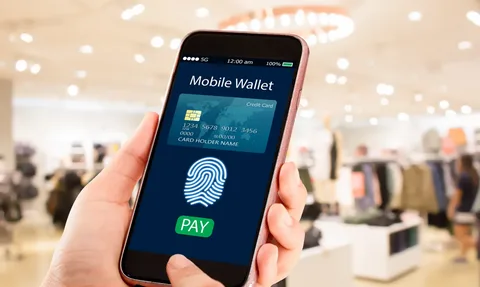
    Hand holding mobile with pay word and bill icon feature with blur back office counter background,Digital Lifestyle concept. (Hand holding mobile with pay word and bill icon feature with blur back office counter background,Digital Lifestyle concept., A

    Malaysians can now use their e-wallets to directly scan QR codes in Thailand, Singapore, and Indonesia thanks to ASEAN Pay integration. Tourism and small businesses exporting to neighboring countries will benefit greatly from this.

    For instance, a Singaporean tourist can now pay a Johor business owner instantly and without any exchange problems.

    How Companies Are Changing

    SMEs in Malaysia are doing more than merely “accepting e-wallets.” The information is being used to:

    • Recognize the busiest times for purchases.
    • Find out which goods are most frequently purchased using e-wallets.
    • Use payment apps to offer customized promotions.
    • Cut expenses associated with handling cash

    For example, a café in Selangor discovered that 70% of their coffee sales were made through GrabPay. As a result, they started offering special GrabPay discounts, which doubled the number of customers in just one month.

    Cybersecurity Issues & Remedies

    e-wallet

    Cybercriminals are becoming more inventive as we move toward digitalization. Common scams in 2025 include:

    • Placement of phony QR codes over legitimate merchant codes
    • Phishing links masquerading as “payment alerts” that are sent via SMS
    • Social media scams involving e-wallet top-ups

    In response, BNM and e-wallet providers have:

    • Teaching people how to scan safely
    • Including prompts for real-time QR verification
    • Introducing biometric authorizations with a “tap to approve” feature

    Prospects for the Future (2026 & Beyond)

    Only biometric payments Just your fingerprint or face scan at the register—no wallet or phone.

    Spending assistants powered by AI automatically classifying expenses, suggesting savings, and even negotiating bill payments are all features of your payment app.

    Metaverse transactions: Using integrated Malaysian e-wallets to pay for digital collectibles and virtual real estate.

    Conclusion: The Era of Cashless Transactions Is Here

    The adoption of e-wallets and DuitNow QR by Malaysia is a lifestyle change rather than merely a technological advancement. Transactions are now safer, quicker, and cross borders.

    The question for companies is now, “How can I maximize digital payments for growth?” rather than, “Should I accept digital payments?”

     At Sizaf Infocomm, we help communities, startups, and SMEs in Malaysia embrace digital technology by integrating cutting-edge fintech solutions and establishing safe payment systems. Our experts are available to assist you in future-proofing your business in Malaysia’s cashless economy.

    Reach Out to Us Now 

    Malaysia;:+60 146600012

    USA: +1 516 880 9996 USA

  • Malaysia’s 5G+ & 6G Readiness in 2025: How It Will Transform Business and Daily Life

    Malaysia’s 5G+ & 6G Readiness in 2025: How It Will Transform Business and Daily Life

    The Implications for Companies and Customers of Malaysia’s Race to 5G+ and 6G Readiness

    Hold on to your seats if you thought Malaysia’s 5G rollout was quick. 5G+ and even 6G readiness are already threatening to arrive in our digital world.

    Not in ten years, but in the next few, we will see a significant shift in the way we work, shop, stream, and manage businesses. As the government strives for world-class infrastructure and Malaysia’s Digital Economy Blueprint (MyDIGITAL) pushes for nationwide connectivity, the move to ultra-high-speed internet is more than just a technological advancement; it’s a complete digital revolution.

    What does this mean for you as a student, gamer, business owner, or even just a Netflix binge-watcher? Come on, let’s start.

    5G+ and 6G: What Are They?

    5 g

    In essence, 5G+ is just the improved and upgraded form of 5G. Imagine 5G on steroids: faster speeds, reduced latency, and improved reliability, particularly in densely populated areas like Penang’s tech hubs or Kuala Lumpur.

    This will be further enhanced by 6G, which is anticipated to launch globally around 2030 and will allow for nearly instantaneous data transfer and internet speeds up to 100 times faster than 5G.

    We’re no longer merely catching up in Malaysia. The Malaysian Communications and Multimedia Commission (MCMC), private tech partners, and local telcos are already preparing the way for 6G testing by the late 2020s.

    The Reasons Behind Malaysia’s Rapid Progress

    The straightforward explanation is digital competitiveness. Leading nations in 5G+ and 6G pilots include South Korea, Japan, and Singapore. High-speed connectivity is essential if Malaysia hopes to maintain its competitiveness in e-commerce, cloud computing, artificial intelligence, fintech, and smart manufacturing.

    The following are important factors influencing Malaysia’s quick 5G+ and 6G readiness:

    • Developing the Digital Economy: By 2025, Malaysia wants the digital sector to account for 25% of its total GDP.
    • Supporting Smart Cities — In order to integrate IoT, projects in Cyberjaya, Johor, and Penang need blazing-fast networks.
    • Improving Telehealth & E-Learning — High-speed connectivity eliminates geographical restrictions for everything from online medical consultations in Sarawak to distant classrooms in Sabah.

    SMEs are empowered by faster internet because it facilitates real-time customer engagement, seamless digital transactions, and better cloud adoption.

    Effect on Businesses in Malaysia

    5G

    1. SMEs Will Face Global Competition

    Roasting sessions can be livestreamed for audiences around the world by an artisan coffee roaster in Ipoh. VR fitting rooms can be operated without lag in a Johor online boutique.

    2. Smarter Manufacturing

    Penang factories can use AI-powered robotics with split-second coordination with 5G+ and 6G, which will increase productivity and decrease downtime.

    3. The Supply Chain and Logistics Go Real-Time

    Instantaneous IoT fleet tracking will be possible with 5G+, which is essential for Malaysia’s expanding e-commerce delivery industry.

    4. The Growth of Digital Finance Is Faster

    Blockchain-based services, DuitNow QR payments, and e-wallets will all be enhanced by smooth, fast transactions.

    What This Signifies for Customers

    5G

    The advantages for regular Malaysians will be felt in practically every area of their lives:

    • With Ultra-HD Streaming, buffering is eliminated, even during busy times.
    • AR and VR Experiences: Anticipate complete immersion without lag in everything from virtual travel to gaming.
    • Real-time communication between your IoT security cameras, refrigerator, and air conditioner is a feature of smart homes.
    • Remote Study & Work: More seamless collaboration tools, stable video calls, and immediate file sharing.

    The Difficulties Malaysia Must Face

    There are some obstacles, despite the genuine excitement:

    • Infrastructure Investment: Although it is expensive, improving connectivity in rural areas is essential.
    • Risks to cybersecurity — If security isn’t given priority, faster networks translate into faster cyberattacks.

    To utilize these technologies, Malaysians must be digitally literate.

    An Examination of Malaysia’s Digital Prospects

    It is anticipated that by 2027:

    • 5G+ access will be available to 95% of Malaysians.
    • 6G trials will begin in major cities.

    Companies will have a major competitive edge if they adopt this change early.

    Conclusion

    There is more to the transition to 5G+ and 6G than just speed. It’s about making it possible for Malaysian households, companies, and students to operate freely in the future.

    Whether it’s a student getting access to top-notch education from a remote village or a small business expanding to global markets, the greatest benefits will accrue to those who adjust early.

    Sizaf Infocomm provides the appropriate digital infrastructure, cybersecurity solutions, and technology adoption strategies to assist Malaysian communities and businesses in embracing this transition. Our team is prepared to assist you at every stage if you wish to prepare your operations for the high-speed era.

    Get in touch with us Today !

    USA: +1 516 880 9996; 

    Malaysia: +60 146600012