
In Malaysia, Bridging the Digital Divide
Consider a village where students have to climb a hill to get a 3G signal, online banking feels risky, and video calls are always lagging. In many Malaysian rural areas, this was the situation for many years.
However, changes are occurring quickly. With the help of community-driven internet initiatives, satellite broadband, and nationwide efforts to expand 5G, Malaysia’s digital divide is narrowing. It is rapidly turning from a luxury to a necessity, changing the way Malaysians in rural areas learn, work, and interact with the outside world.
This blog will discuss the impact of high-speed internet on rural communities, how Malaysia is tackling the digital divide, and what this means for the nation’s digital future.
Why Rural Access Is More Important Than Ever
The pandemic served as a reminder. Poor connectivity made it difficult for thousands of students in rural Malaysia to attend virtual classes when schools moved to online learning. The thriving e-commerce market was inaccessible to small-town businesses. Online marketplaces and IoT sensors were examples of smart agriculture tools that farmers were unable to use.
Without internet connectivity, rural communities ran the risk of falling behind. Social media and Netflix streaming are no longer the only uses for high-speed internet; it’s now the foundation of:
- Education: Equitable use of online learning resources.
- Enterprise Development: Small-town SMEs are expanding into national and international markets.
- Healthcare: Reducing the shortage of doctors through telemedicine and online consultations.
- smart agriculture.:Farmers that use data-driven tools to boost yield are practicing smart agriculture.
- Everyday Life: Easy communication with family, friends, and government agencies.
For this reason, one of the most crucial steps towards inclusive digital growth is Malaysia’s drive to enhance the internet in rural areas.
How the Gap Is Being Closed in Malaysia
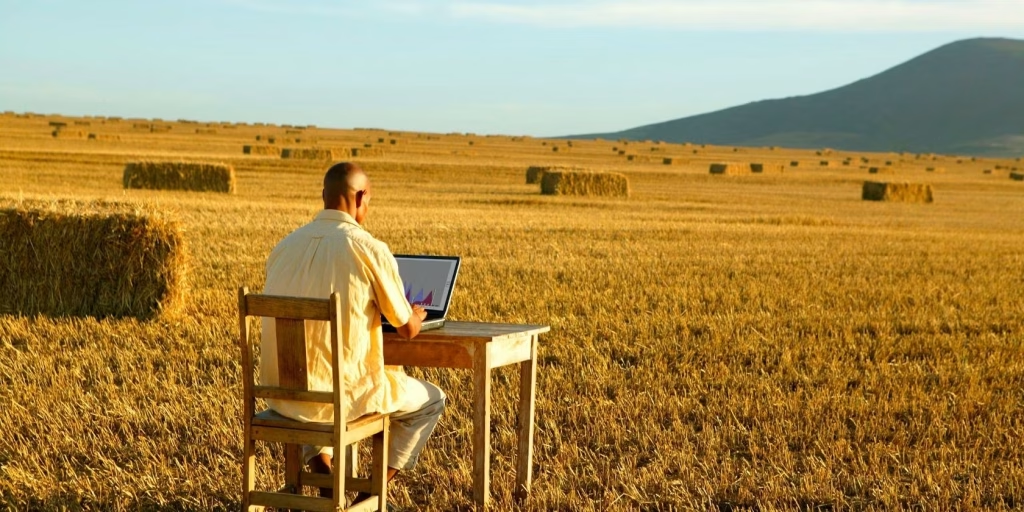
Rural internet access is changing in 2025 due to a number of initiatives:
1. The National Digital Network, or JENDELA Plan
The Malaysian government’s JENDELA initiative is working to achieve 100% 4G coverage in populated areas by further extending 4G and 5G coverage. More rural districts will have stronger and more reliable mobile internet by 2025.
2. Solutions for Satellite Internet
Local satellite services and providers like Starlink are becoming increasingly important in remote areas where installing fiber optics is costly. Sabah, Sarawak, and other remote areas of Peninsular Malaysia can now enjoy internet speeds comparable to those of urban centers thanks to satellite technology.
3. Projects Using WiFi in Communities
In certain towns, inexpensive WiFi is being made available to all residents through the establishment of community internet hubs. Families, SMEs, and students can connect without incurring high costs on their own thanks to this.
4. Resellers & ISP Collaborations
Rural households and businesses can now choose from specialized packages offered by smaller Internet service providers (ISPs) and resellers. By offering competitive prices, they are closing the gap in affordability.
High-Speed Internet’s Effect on Malaysia’s Rural Communities
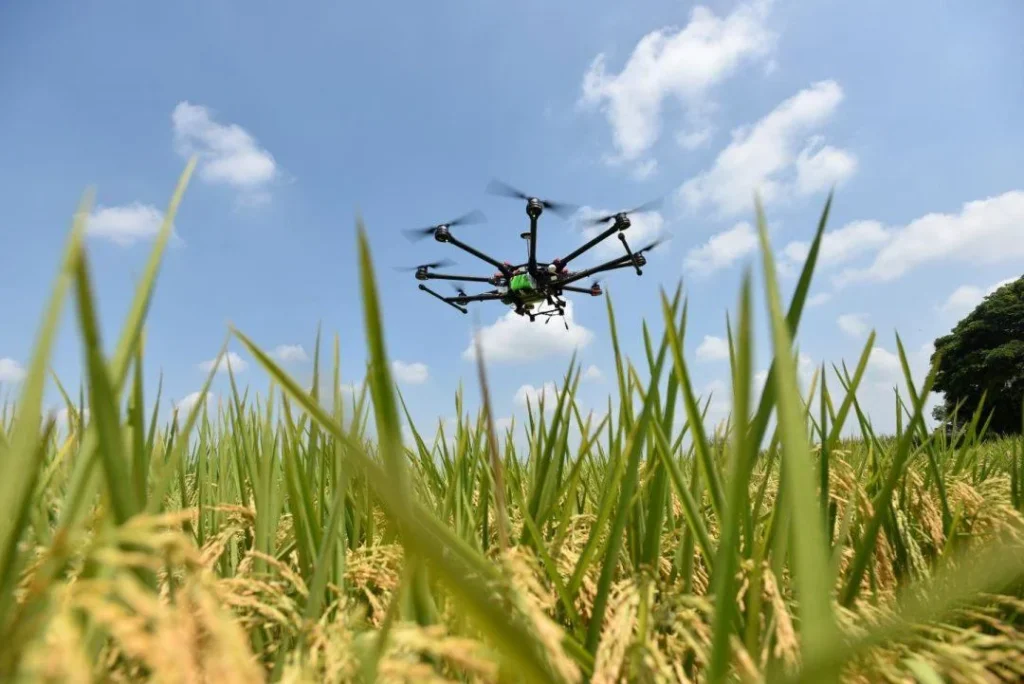
The difference is already apparent. Let’s examine some actual instances of the advantages enjoyed by Malaysians living in rural areas:
- Education in Action: Students in Kelantan can now use AI-powered learning applications, watch live online tutorials, and access foreign courses without losing connectivity.
- Sarawakian handicraft producers are reaching customers throughout Southeast Asia by selling their wares on Shopee Malaysia and Lazada.
- Farmers Getting Smarter: By using apps to monitor weather, soil conditions, and crop health, farmers can use IoT devices to increase yields and cut expenses.
- Access to Healthcare: To avoid lengthy commutes, villages with few clinics are turning to telehealth platforms for immediate medical consultations.
High-speed internet is changing the rural economy and social life; it is no longer a luxury.
Obstacles That Are Still Present
Naturally, there are difficulties along the way:
- Affordability: Many rural households still find it difficult to pay for reliable internet, despite improved infrastructure.
- Digital literacy: access to the internet alone is insufficient; people must receive training in order to use it efficiently for business, education, and medical purposes.
- Infrastructure Gaps: It’s still more difficult to reach isolated islands and jungles.
- Cybersecurity: Rural communities are at risk from scams and cyberthreats as more people go online.
What’s Next for Rural Internet in Malaysia?

Malaysia’s Digital Economy Blueprint (MyDIGITAL) calls for the country to become entirely digital by 2030. This implies:
- extending 5G networks to the most isolated locations.
- promoting public-private partnerships to help make the internet more affordable in rural areas.
- launching training initiatives to improve rural communities’ digital literacy.
- utilizing AI and cloud computing to provide rural SMEs with international opportunities.
The message is unmistakable: the digital revolution should not leave any Malaysian behind.
In conclusion, a stronger Malaysia is one that is connected.
Malaysia’s digital divide is closing, and rural communities are embracing the internet era. The rural economy is no longer isolated; thanks to improved infrastructure, creative satellite solutions, and government-supported programs, it is now thriving within the digital economy.
This portends a future of limitless opportunities for households, businesses, and educators—where opportunity is not limited by location.
With digital infrastructure, cybersecurity, and IT solutions built for a connected future, Sizaf Infocomm assists Malaysian communities, SMEs, and businesses in seizing these opportunities. Our team is available by phone if you’re prepared to close the gap and realize your full digital potential
Malaysia +60 146600012
USA. +516 880 9996
💡 How fast is your internet at the moment?
Tell us about your experience by leaving a comment below!
Leave a Reply