Category: Uncategorized

  • Internet and Learning in Malaysia: High-Speed Connectivity Driving Smarter Classrooms

    Internet and Learning in Malaysia: High-Speed Connectivity Driving Smarter Classrooms

    Overview

    By 2025, textbooks and chalkboards will no longer be the only tools used in Malaysian classrooms. Education is changing into a dynamic, interactive experience as a result of high-speed internet changing the way that students and teachers interact. Connectivity has become essential to modern education, as evidenced by the adoption of hybrid models by urban institutions and the use of online lessons by rural schools.

    1️⃣Why Internet Access Is Important for Education

    Students are guaranteed uninterrupted participation in digital lessons when they have a steady internet connection. Students are 25% more engaged in schools with dependable broadband than in those with less access, according to recent government reports. With the help of high-speed internet, educators can incorporate collaborative tools, real-time tests, and multimedia content into regular lessons.

    2️⃣ Overcoming Urban-Rural Disparities

    Although fiber-optic speeds are available in cities like Kuala Lumpur and Penang, certain rural communities continue to face difficulties. This disparity is being reduced in part by the introduction of 5G and satellite broadband. By granting remote schools access to online curricula, e-libraries, and international webinars, initiatives like Smart Villages and community Wi-Fi projects guarantee that every child has an equal opportunity.

    Pro Tip: Schools in rural areas can combine 5G routers with solar-powered backup to maintain uninterrupted online classes

    3️⃣Using smart tools to bring classrooms to life

    internet

    Technology that enhances learning, such as tablets, interactive whiteboards, augmented reality science labs, and even virtual reality field trips, is made possible by high-speed internet. Imagine a history lesson where students use virtual reality goggles to virtually “walk” through the ruins of ancient civilizations from the comfort of their desks.

    The finest aspect? Lessons no longer need to be restricted to static slides. They are able to quickly access collaborative whiteboards, live polls, and videos.

    4️⃣Digital libraries and e-learning platforms’ growth

    Online learning platforms like Moodle and Google Classroom have become commonplace. In just a few seconds, students can access resources, turn in assignments, and communicate with teachers thanks to fast downloads and no lag. Instead of waiting for difficult-to-find print editions, cloud-based libraries enable them to explore e-books, journals, and research videos.

    5️⃣ Helping educators develop as well

    internet

    It’s not just students who need connectivity. Teachers can participate in online webinars, join international communities, and obtain certifications all from the comfort of their own classrooms. These days, a lot of Malaysian universities host online teacher workshops that allow employees to gain new skills while saving time and money on travel.

    6️⃣ Ensuring online safety

    Given how much activity takes place over Wi-Fi, cybersecurity education has been incorporated into the curriculum. Password security, phishing traps, and appropriate online conduct are all things that students must comprehend. Schools can help youth use the internet responsibly by providing them with firewalls, content filters, and explicit data privacy policies.

    7️⃣ Training children for jobs of the future

    internet

    In the near future, students will work with robotics, AI tools, and IoT devices. Students’ problem-solving abilities and digital confidence are enhanced when they have practical experience with these technologies in the classroom. Teachers help students understand the importance of learning technology by relating lessons to potential careers.

    8️⃣ Smarter, greener schools

    Schools can maintain sustainability even as they transition to digital technology by using eco-friendly laptops, cloud storage in place of paper handouts, and energy-efficient routers. Reducing energy consumption through bandwidth optimization benefits both the environment and budgets.

    Wrapping up

    Malaysian education has changed from being static to being dynamic and connected thanks to the internet. Strong, dependable connectivity in classrooms helps teachers become lifelong learners, students access ideas that are far beyond their postcode, and entire communities become stronger.

    Our staff at Sizaf Infocomm can assist in creating solutions that meet your needs if you’re an educator, legislator, or school IT manager prepared to expand your network or incorporate smart tools.

    📞 Contact us today:

    Malaysia: +60 146600012
    USA: +1 516 880 9996

    Give your pupils the gift of knowledge via a quick, safe internet connection.

  • The Future of Malaysian E-Commerce: Faster Internet, Smarter Shopping

    The Future of Malaysian E-Commerce: Faster Internet, Smarter Shopping

    In Malaysia, e-commerce has expanded from a specialized market to a major force in consumer purchasing. With 5G already in place and 6G research in progress, ultra-fast internet is paving the way for cutting-edge retail technologies like voice commerce, real-time inventory, AR shopping rooms, frictionless checkouts, and AI-powered personalization. Businesses need to comprehend how improved connectivity is changing the online shopping experience in order to remain competitive.

    1️⃣ Modern E-Commerce Is Based on Internet Speed

    Internet speed affects how users interact with a website, regardless of how attractive it is. A one-second lag in page load can reduce conversions by as much as 7%, according to research. With Malaysia moving toward high-bandwidth 5G and soon 6G, retailers can now offer lag-free immersive experiences, HD videos, and product pages.

    Advice: To go along with the nation’s expanding broadband infrastructure, use mobile-first design and content delivery networks (CDNs).

    2️⃣ Smarter Buying With AI & Customization

    malaysia

    The rules for online retail are being rewritten by artificial intelligence. In milliseconds, machine learning tools evaluate user behavior to customize promotions and product recommendations. These algorithms can operate in real time with dependable high-speed internet, providing customers with voice-guided purchasing experiences, curated feeds, and immediate chatbot assistance.

    For instance, local fashion retailers are personalizing each visit by utilizing AI to recommend outfits based on browsing history and real-time inventory.

    3️⃣ Virtual and Augmented Reality: A Novel Approach to Try Before You Buy

    VR showrooms and AR mirrors used to seem futuristic, but increased internet connectivity is making them commonplace tools. Customers can now use the camera on their smartphones to place 3D models of couches or tables inside their living rooms thanks to Malaysian furniture retailers. Revenue and sustainability are increased as a result of increased purchase confidence and fewer returns.

    4️⃣ Easy Payments through Internet Banking and E-Wallets

    malaysia

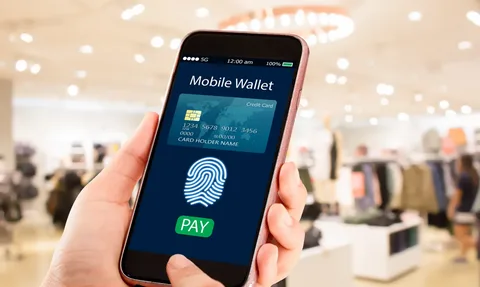
    One of the features of the contemporary shopping cart is cashless payments. Instant checkout is made possible by the seamless integration of e-wallets such as Touch ‘n Go, GrabPay, and ShopeePay with online banking. Future “super apps” will remove the barrier between browsing and purchasing by combining payment, delivery, and shopping into a single interface.

    Security Note: Encourage shoppers to enable two-factor authentication (2FA) to keep digital wallets safe.

    5️⃣Logistics and Last-Mile Transportation IoT-powered

    E-commerce encompasses more than just what occurs on a screen; it also includes how goods are delivered to customers. To manage fleets and warehouses, smart sensors, IoT trackers, and route-optimization software depend on robust networks. Real-time tracking and automated fulfilment will increase efficiency and reduce delivery windows as Malaysia deploys 5G nationwide.

    6️⃣ Sustainability and Green Business

    malaysia

    Customers of today seek out brands that share their values. Using carbon-neutral delivery partners and energy-efficient data centers, numerous Malaysian platforms are implementing green internet practices. Fast, dependable networks enable businesses to offer paperless transactions, plan environmentally friendly routes, and track energy usage.

    7️⃣ Getting Ready for the Next Wave in Business

    Success for any marketplace, no matter how big or small, hinges on embracing intelligence and speed. Optimize payment gateways, incorporate sustainability metrics, use AI tools, and test how long it takes for your website to load. As 6G looms, you can stay ahead of the curve by collaborating with professionals who understand both technology and retail.

    In conclusion

    Malaysian e-commerce has a promising—and quick—future. Smarter shopping tools and incredibly dependable internet allow businesses to provide seamless experiences while giving customers more options and convenience.

    Our team at Sizaf Infocomm is prepared to assist you in developing a strategy that will be viable in the future if you wish to investigate how your store can utilize secure payment methods, AI, and high-speed internet.

    📞 Contact us today:

    • Malaysia: +60 146600012
    • USA: +1 516 880 9996

    Continue to be creative, stay safe, and satisfy your clients.

  • Work From Anywhere: Why Internet Reliability Is Key to Malaysia’s Digital Workforce

    Work From Anywhere: Why Internet Reliability Is Key to Malaysia’s Digital Workforce

    Malaysians’ work habits have changed irrevocably. The new normal now includes remote work, hybrid offices, and digital nomad lifestyles. Working remotely, whether from a café in Kuala Lumpur, a coworking space in Penang, or even a peaceful beach in Langkawi, is a big factor in this change.

    But the dependability of the internet is the one element that makes or breaks this way of life. Despite their importance, productivity apps and ostentatious devices are useless without a strong, quick connection. Internet dependability must be the top priority if Malaysia’s digital workforce is to prosper.

    The importance of internet stability, the difficulties Malaysians encounter, and ways the nation can promote a work-from-anywhere culture will all be covered in this blog.

    The Growth of the Digital Workforce in Malaysia

    • Growth in Remote Jobs: Since the pandemic, over 30% of Malaysian businesses now provide remote or hybrid work arrangements.
    • Digital Nomadism: Malaysia is establishing itself as a hub for digital nomads in the region with the DE Rantau Nomad Pass.
    • Freelancer Economy: Independent careers are being fueled by websites such as Upwork, Fiverr, and local gig platforms.

    The workforce in Malaysia is becoming more and more reliant on internet connectivity, as indicated by all of these trends.

    Why Internet Dependability Is Important

    malaysia

    1. Smooth Communication

    These days, meetings take place via Microsoft Teams, Zoom, or Google Meet. A lagging connection damages professionalism and trust with foreign clients in addition to interfering with communication.

    2. Cloud-First Processes

    The modern workplace depends on the cloud for everything from Dropbox to Google Drive to project management software like Jira or Asana. Productivity falls when there is no dependable internet.

    3. Cybersecurity Dangers

    Workers are frequently compelled to use unprotected networks due to unstable connections. This makes it easier for hackers to take advantage of weaknesses, particularly when handling private financial or client information.

    4. Competitiveness of the Economy

    In the event that Malaysia’s internet infrastructure falls behind, businesses might be reluctant to employ remote workers from the nation and instead choose to work in Singapore, Thailand, or Vietnam.

    Issues Malaysians Have with the Dependability of the Internet

    malaysia

    The gap between urban and rural areas is evident in Kuala Lumpur, which has high-speed fiber and 5G, while many rural areas still use sluggish or unreliable 4G.

    • Network Congestion: Some Internet service providers experience slow speeds during peak hours due to high traffic loads.
    • Impact of Weather: Remote areas that depend on satellite or wireless broadband may experience connectivity issues due to heavy rains and storms.
    • Cost: Reliable internet is a privilege rather than a guarantee because inexpensive packages frequently sacrifice speed or stability.

    The Way ISPs Are Reacting

    malaysia

    ISPs in Malaysia are attempting to resolve these problems by:

    • 5G Rollouts → Providing blazing-fast speeds and reduced latency throughout cities.
    • Fiber Expansion Initiatives → Bringing high-speed fiber internet to semi-rural and suburban regions.
    • Options for Backup Connectivity → For dependability, some providers now provide dual connections (fiber + mobile data).
    • Intelligent Network Management → AI-powered solutions anticipate and alleviate congestion instantly.

    Work From Anywhere: Resources & Optimal Methods for Malaysians

    The following advice will help you increase your productivity if you work in Malaysia’s digital workforce:

    • A robust home network configuration guarantees steady video calls. ✅ Invest in a good router.
    • Utilize mobile data as a backup → In case of an emergency, keep a portable hotspot or prepaid SIM card close at hand.
    • When working on public Wi-Fi, always use a VPN to secure your connection.

    • Plan During Off-peak Hours → Upload or download big files at off-peak hours.
    • Utilize low-bandwidth platforms (such as Trello, Notion, and Slack) as cloud collaboration tools.

    The Prospects of Remote Work in Malaysia

    Malaysia
    • Next-Gen Internet & 6G → It is anticipated to transform latency and enable even more immersive technologies by 2030.
    • Smart Cities & Smart Villages → IoT-enabled communities with reliable, fast internet will help remote workers across the country.
    • Options for Satellite Internet → In order to fill in connectivity gaps, providers such as Starlink are already investigating Malaysia.
    • Global Collaboration: As more Malaysians join international teams, internet dependability will become essential rather than merely a convenience.

    Implications for Malaysian Companies

    For employers, internet dependability has a direct impact on client trust and productivity, making it more than just an employee problem. Businesses need to:

    • Encourage staff members by providing them with better internet packages.
    • Adopt business models that prioritize the cloud.
    • Give remote workers cybersecurity training.

    By doing this, Malaysian companies can support a more adaptable, contented workforce while competing on a global scale.

    In conclusion

    Unquestionably, remote and hybrid work is the way of the future in Malaysia. But only with robust, dependable internet infrastructure will this future be feasible. In addition to being annoying, a dropped call or erratic connection can cost digital nomads, freelancers, and corporate workers clients, money, and opportunities.

    We at Sizaf Infocomm recognize the value of having a connected, digital workforce. We can assist you in achieving seamless connectivity, whether you’re an individual looking for better internet solutions or a business trying to empower remote teams.

    Reach out to us right now:

     Malaysia: +60 146600012 

    USA: +1 516 880 9996 

    You should have a universally accessible internet for your work-from-anywhere journey.

  • Green Internet: How Malaysia’s ISPs Are Moving Toward Sustainable Data Centers

    Green Internet: How Malaysia’s ISPs Are Moving Toward Sustainable Data Centers

    Instant connections, streaming, gaming, and online money transfers are all things that come to mind when we think of the internet. However, a vast network of data centers that use a tremendous amount of energy are behind every click. In actuality, data centers are thought to consume 2% of the world’s electricity, and as cloud services, artificial intelligence, and 5G become more popular, this percentage is rising quickly.

    Sustainability in internet infrastructure is now required in Malaysia, where digital economy initiatives and internet adoption are booming. There is pressure on Internet service providers (ISPs) to lower their energy expenses, lessen their carbon footprint, and comply with the government’s Green Technology Master Plan.

    With an emphasis on sustainable data centers, this blog examines how Malaysian ISPs are pursuing green internet practices.

    Why Malaysia Needs a Green Internet

    1.Increasing Use of the Internet

    With more than 97% of Malaysians having access to the internet, there is an explosive demand for cloud storage, streaming, and faster connectivity.

    ISPs are forced to expand their data centers due to this surge, which, if sustainability isn’t addressed, will result in higher energy consumption.

    2.The government’s green initiative

    • By 2050, Malaysia has promised to have zero net greenhouse gas emissions.
    • ISPs are expected to support national sustainability goals as a component of the digital economy.

    3.Social responsibility of corporations (CSR)

    Customers’ awareness of the environment is growing. Companies that use green internet practices not only save energy but also increase customer trust.

    The Effect of Data Centers on the Environment

    Internet

    The internet’s backbone, data centers, have an impact on the environment.

    • High Energy Use: Just cooling systems use between 30 and 40 percent of the energy in a data center.
    • Carbon Emissions: Malaysia’s carbon footprint is increased by non-renewable energy sources.
    • Problems with E-Waste: Frequently, electronic waste is not properly recycled due to frequent hardware upgrades.

    The internet’s explosive growth may conflict with Malaysia’s climate goals if green practices are not adopted.

    How ISPs in Malaysia Are Going Green 

    1. Using Renewable Energy

    To power their data centers, some ISPs are collaborating with solar and hydro energy suppliers. States like Johor and Selangor already have solar farms that feed electricity into the grid.

    2. Cooling Systems That Use Less Energy

    • ISPs are using the following in place of conventional air conditioning:
    • Hardware is directly cooled by liquid cooling, which saves energy.
    • Free cooling, which lowers indoor temperatures at night by using outside air.

    3. Certifications for Green Data Centers

    International certifications like these are being pursued by ISPs:

    • Leading in Energy and Environmental Design, or LEED
    • The Sustainable Digital Infrastructure (SDI) of Uptime Institute

    These certifications demonstrate a dedication to ecologically responsible and energy-efficient practices.

    4. Energy Management Driven by AI

    Artificial intelligence is being used to reduce wasteful energy use by optimizing cooling and power distribution in real time.

    5. The Circular Economy and Recycling

    To guarantee that servers and obsolete equipment are recycled or reused appropriately, some Malaysian ISPs are working with e-waste recycling companies.

    5G and 6G’s Contribution to the Green Internet

    Internet

    More data processing is possible with faster networks like 5G (and soon 6G), but greener practices are also made possible:

    • Smarter IoT Devices → Sensors keep an eye on and optimize data center energy use.
    • Edge Computing → By processing data closer to the user, central servers are not overloaded.
    • Telecom operators can move energy use to off-peak hours thanks to smart grids.

    Therefore, next-generation connectivity opens up new possibilities for energy efficiency even as it raises demand.

    Advantages of Eco-Friendly Data Centers

    ✔ Reduced Operating Costs → Millions of dollars in electricity bills are avoided thanks to renewable energy and efficient cooling.

    ✔ Better Brand Image → Malaysians have greater faith in environmentally conscious businesses.

    ✔ Future-Proof Compliance → ISPs can better adhere to future green regulations by adopting early.

    ✔ Better Customer Experience → Faster, more dependable internet is a result of efficient data centers.

    Challenges ISPs Face

    Internet
    • High Initial Costs → AI systems, liquid cooling, and solar panels all demand significant up-front expenditures.
    • Technology Adoption → Smaller ISPs might find it difficult to put green initiatives into practice.
    • Gap in Awareness → The connection between internet services and sustainability is not always clear to users.

    Despite these obstacles, Malaysia is seeing a rapid increase in the use of green internet, particularly as local and international regulators push for sustainability.

    The Implications for Malaysians

    A green internet means the following to regular users:

    • faster and more dependable connections (as a result of data centers being updated).
    • Long-term, more reasonably priced services (since energy efficiency lowers costs).
    • merely using internet services to indirectly support Malaysia’s climate goals.

    In conclusion

    The question is now, “Can we afford not to go green?” rather than, “Can we afford to go green?” as Malaysia embraces digital transformation. In order to ensure that our digital future is also environmentally friendly, Internet service providers are setting the standard with sustainable data centers, renewable energy, and AI-driven efficiency.

    At Sizaf Infocomm, we think that in order to create a more environmentally friendly digital Malaysia, companies and individuals must collaborate. Now is the moment to take action, whether you’re an internet user looking to stay on top of trends or a business looking for more intelligent IT solutions.

    📞 To learn more about sustainable digital solutions, get in touch with us:

     Malaysia: +60 146600012 

    USA: +1 516 880 9996 

    We can power a cleaner planet and a faster internet together. 🌍

  • Internet Banking Security & E-Wallet Safety in Malaysia 2025

    Internet Banking Security & E-Wallet Safety in Malaysia 2025

    Malaysia has made quick progress toward a cashless society.  Digital payments are now a fundamental aspect of daily life, from using Touch ‘n Go eWallet to pay tolls to ordering food delivery on Grab.  As SMEs and individuals alike embrace digital finance, internet banking adoption is continuing to soar, with e-wallet transactions surpassing RM 40 billion in 2024, according to Bank Negara Malaysia.

     However, the risks increase along with the popularity of e-wallets and online banking.  In order to target unwary Malaysians, scammers are now using social engineering techniques, deepfakes, and AI scams in addition to sending dubious SMS messages.  According to CyberSecurity Malaysia, e-wallets were a primary target of the nearly 30% increase in financial fraud attempts that occurred in 2024.

    So, how can Malaysians benefit from living a cashless lifestyle without compromising their safety?  Let’s examine Malaysia’s e-wallet and online banking security situation in detail, as well as some important things to be aware of in 2025.

    The Importance of Internet Banking and E-Wallet Security in 2025

    1.Expanding Adoption in All Age Groups

    • Young Malaysians purchase everything from coffee to movie tickets using e-wallets.
    • Because internet banking is more convenient, especially with mobile-friendly apps, older Malaysians are also switching to it.

    2.The Push for a Cashless Economy

    In an effort to boost the fintech industry, the government’s Digital Economy Blueprint (MyDIGITAL) encourages Malaysians to adopt cashless transactions.

    3.Increasing Trends in Cybercrime

    • Scammers are posing as bank officers by using voices produced by artificial intelligence.
    • The promotion of fraudulent investment schemes through Telegram and WhatsApp is on the rise.
    • Local bank spoofing websites (Maybank2u, CIMB Clicks, etc.) are getting more difficult to differentiate from the real thing.

    In summary: Although your digital wallet is incredibly convenient, it has become a prime target for cybercriminals.

    The Biggest Cyber Threats Malaysians Face

    Banking

    1. Phishing Scams & Fake Banking Apps

    An SMS purporting to be from your bank or an e-wallet provider may arrive. The link leads to a phony website intended to steal your login credentials, even though it appears authentic. In a similar vein, cloned apps frequently circulate outside of legitimate app stores, trapping users who download them.

    For instance, several Malaysians reported losing money in late 2024 as a result of downloading phony Maybank and CIMB apps from unaffiliated websites.

    2. Deepfakes & AI-Powered Scams

    AI-generated voices are now being used by scammers to mimic customer service representatives. Imagine getting a call telling you to “verify your account” that sounds just like your bank officer. Because it seems real, many people fall for it.

     Caution: Deepfake video calls, in which con artists pretend to be family members or coworkers in order to defraud victims into sending money, are predicted to increase in 2025.

    3. Credential Reuse & Weak Passwords

    Unbelievably many Malaysians continue to use passwords like “123456” or “password123” for numerous accounts. Hackers can gain access to your email, internet banking, and e-wallet once they have compromised one account.

    5. Fraudulent Investment Plans & Social Engineering

    Master manipulators of human psychology are scammers. They will make promises of “guaranteed returns” on investments or instill a sense of urgency by saying things like “Your account will be frozen unless you act now.” These strategies deceive victims into acting hastily and without consideration.

    Ways for Malaysians to Keep Safe

    Banking

    It is everyone’s duty to maintain cybersecurity. Although banks and e-wallet companies make significant investments in fraud detection, users still need to be proactive.

    1.Turn on multi-factor authentication (MFA) 

    Passwords are not your only option. To secure your accounts, use biometric login (facial ID or fingerprint), OTP codes, or security tokens.

    2. Only Utilize Official Apps

    Apps for banking or e-wallets should always be downloaded from the Apple App Store or Google Play Store. Steer clear of links or APK downloads sent via WhatsApp.

    3. Update Your Apps Often

    Apps that are outdated frequently have security flaws. Installing the most recent version is always advised because updates typically fix vulnerabilities.

    4. Keep an eye out for HTTPS

    Online banking should only be accessed through websites that have “https://” in the address bar. Secure means the “s.”

    5. Be Wary of Messages and Calls

    Your password or OTP will never be requested by banks. Hang up and dial the official hotline if someone calls posing as your bank.

    6. Fortify Your Passwords

    Create complex, one-of-a-kind passwords using a combination of symbols, numbers, and letters. Use a password manager for even better results.

    7. Refrain from Using Public Wi-Fi for Transactions

    Connect via a virtual private network (VPN) if you must.

    What E-Wallet Providers and Banks Are Doing

    Banking

    Fintech companies and banks in Malaysia are not stagnating. Here’s how they’re improving the security of digital finance in 2025:

    • Touch ‘n Go eWallet and Maybank2u provide fingerprint and face recognition for biometric authentication.
    • AI Fraud Detection: Banks keep an eye on odd spending trends and immediately report any questionable activity.
    • Transaction Alerts: Push notifications via email or SMS notify users of each login or transfer.
    • Stricter Regulations → Bank Negara Malaysia imposes more stringent anti-fraud policies on online lenders.

    Personal awareness is the best line of defense because, if users are not careful, even the most sophisticated systems can be circumvented.

    Malaysia’s Prospects for Secure Digital Finance

    In the future, Malaysia’s digital payment security will advance even further:

    • 6G Connectivity → Real-time fraud detection will be supported by faster internet.
    • Blockchain-Powered Payments → Providing increased traceability and transparency.
    • Systems that identify odd typing or swiping patterns are known as behavioral biometrics.
    • AI-Powered Scam Prevention → More intelligent algorithms that immediately block questionable activity.

    But scammers will also change. Personal vigilance and ongoing awareness campaigns are therefore essential.

    If you’re a business or individual looking to strengthen your cybersecurity and digital finance safety, our team at Sizaf Infocomm can help you stay protected.

    📞 Contact us today:

    • Malaysia: +60 146600012
    • USA: +1 516 880 9996

    Stay cautious. Stay informed. Stay secure.

  • Internet Evolution in Malaysia: How 5G to 6G Ultra-Fast Connectivity Will Transform Businesses

    Internet Evolution in Malaysia: How 5G to 6G Ultra-Fast Connectivity Will Transform Businesses

    The Reasons Why Businesses Still Need Speed

    These days, every millisecond matters in the digital economy. Whether a manufacturer uses IoT sensors, a fintech startup processes payments, or an online retailer tracks deliveries, internet speed has a direct impact on the expansion of a business.

    In Malaysia, 5G is already being deployed, resulting in faster connections for industries. However, 6G networks, which promise speeds up to 100 times faster than 5G, are already present.

    It is not whether 6G will change the game for Malaysian businesses, but rather how quickly they can adjust.

    Malaysia’s Present Impact of 5G

    Malaysia’s 5G rollout has already:

    Although 5G is revolutionary, it is merely the first step. With 6G, the real disruption will occur.

    The Benefits of 6G Technology

    Malaysia

    So, what makes 6G unique? Malaysian companies can anticipate the following:

    • Extremely low latency (1 ms or less): Ideal for vital tasks like robotic surgery and self-driving transportation.
    • AI-powered networks: Smart routing that adjusts itself to maximize stability and speed.
    • Billions of connected devices without slowing down is known as massive IoT scaling.
    • Beyond Zoom calls, holographic communication allows you to visualize real-time 3D meetings.
    • From energy grids to logistics, everything becomes interconnected in smart cities and industry 4.0.

    Sectors That Stand to Gain the Most

    • E-commerce & Retail: AR product demos, personalized AI shopping, and quicker checkouts.
    • Healthcare: faster exchange of health data, real-time patient monitoring, and remote surgeries.
    • Engineering and Manufacturing: AI-powered production and predictive maintenance in smart factories.
    • Transport & Logistics: Real-time freight tracking, drone deliveries, and driverless cars.
    • Finance & Banking: Real-time, ultra-secure transactions using blockchain technology and artificial intelligence to detect fraud.

    In order to remain competitive globally, these industries will be the first to use Malaysia’s 6G internet.

    Problems Malaysia Needs to Solve Before 6G

    Malaysia

    The transition from 5G to 6G will not be seamless. Policymakers and businesses need to address:

    • High infrastructure costs—establishing the foundation for 6G across the country.
    • Risks to cybersecurity: Quicker networks also translate into quicker attacks.
    • Preventing rural Malaysia from falling behind due to the digital divide.

    To take advantage of faster internet, SMEs need to be prepared for business by implementing digital tools.

    The Argument for Ultra-Fast Internet in Business

    Why should companies be concerned? Since speed equates to competitiveness.

    • In e-commerce, a one-second lag can reduce conversions by 7%.
    • Real-time trading, logistics, and artificial intelligence decisions are made possible by low-latency networks.
    • Malaysia’s tech ecosystem attracts foreign investment due to its ultra-fast internet.

    To put it another way, 6G will lead to faster business growth in addition to faster downloads.

    Getting Ready for the 6G Era

    Malaysia

    Malaysian companies should begin getting ready right away by:

    • putting money into cloud infrastructure to manage upcoming speeds.
    • teaching employees digital skills so they can use new technologies.
    • implementing AI and IoT technologies that will flourish in a 6G setting.
    • bolstering cybersecurity structures to manage emerging threats.

    Conclusions

    A business revolution, the transition from 5G to 6G is more than just a network upgrade.

    More than just quicker downloads are at stake for Malaysia when it adopts ultra-fast internet. It entails opening up new markets, creating smarter cities, and bolstering the digital economy.

    Companies that start their preparations early will have an advantage over those that wait.

    Do you want your company to have professional IT and digital infrastructure solutions?

    Reach out to Sizaf Infocomm right now:

    Malaysia :+ 60 146600012 

    USA: +1 516 880 9996 

    Do you believe Malaysian companies are prepared for 6G? Which sector will gain the most, in your opinion? Post your comments below!

  • Cybersecurity Tips for Malaysians: Protect Yourself from AI Scams in 2025

    Cybersecurity Tips for Malaysians: Protect Yourself from AI Scams in 2025

    The Reasons Why Cybersecurity Is Now Required

    Online threats are no longer limited to weak passwords or spam emails. AI-powered scams will be a new problem for Malaysians in 2025.

    As cybercriminals become more intelligent, quicker, and more difficult to identify, they are producing realistic phishing emails and deepfake voice calls that imitate your loved ones. In the eyes of the average Malaysian, cybersecurity is now a part of everyday life and not just something “only businesses worry about.”

    Malaysia’s New Face of Scams

    The game for cybercriminals has changed due to AI. The evolution of scams is as follows:

    • Deepfake calls and videos: To fool victims into sending money, scammers can imitate a friend or family member’s voice.
    • Phishing generated by AI Scams are more difficult to identify when messages are flawlessly written in Mandarin, English, or Malay.
    • Artificial intelligence (AI) tools use social media analysis to produce highly customized scams, which is social engineering on steroids.
    • Fraud involving e-wallets and online banking: Con artists use AI bots to get around OTPs and fool users into disclosing private information.

    These instances are not unique. Online fraud cases increased 42% in 2025, with AI scams being a key contributor, according to CyberSecurity Malaysia.

    Cybersecurity Routines Malaysians Need to Follow

    Cybersecurity

    Developing good habits is the first step towards self-defense; costly software is not necessary.

    • Check before you trust: If you receive an odd call from a “relative” requesting money, make sure it’s legitimate by using a different method.
    • Turn two-factor authentication (two-FA) on. Use it consistently for email, banking, and e-wallets.
    • Refresh your gadgets. Hackers are particularly interested in outdated OS versions or apps.
    • Hover your cursor over links in emails and SMS before clicking.
    • Strong, one-of-a-kind passwords should be used, or even better, a password manager.

    Tools That Make Daily Protection Stronger

    Malaysians can stay safe by using inexpensive tech tools in addition to their habits:

    • VPN services: Protect your internet browsing while using public Wi-Fi in airports and coffee shops.
    • Anti-phishing filters are integrated into WhatsApp, Outlook, and Gmail.
    • E-wallet security features: Make use of apps that provide real-time transaction alerts.
    • Scam detectors driven by AI – AI is now being used by certain Malaysian banks to instantly flag questionable logins.

    The role of ISPs and the government in protection

    Cybersecurity

    Individuals are only one aspect of cybersecurity; ecosystem preparedness is another.

    • To respond to online fraud more quickly, the Malaysian government established National Scam Response Centers.
    • ISPs are implementing AI-powered filters to prevent users from clicking on phishing websites.
    • Campaigns for awareness in communities, colleges, and schools are assisting Malaysians in identifying online dangers early.

    Building digital trust in Malaysia’s expanding online economy requires this combined strategy.

    The Human Aspect of AI Fraud

    Scams cause emotional as well as monetary losses. Consider the scenario where a parent in Kuala Lumpur transfers funds following a deepfake call “from their child.” In Penang, a small business might lose money from a customer because of a fake invoice.

    These tales demonstrate why cybersecurity needs to be viewed as a normal aspect of daily life. It’s about families, students, employees, and retirees now, not just “tech geeks.”

    The Future: A Malaysia That Is Cyber-Smart

    Cybersecurity

    Malaysia needs to integrate AI and human awareness in order to stay ahead. Scams can be identified by AI tools, but mistakes can be avoided with awareness.

    In the future, we’ll observe:

    • apps for regular users that use AI to detect scams.
    • 5G-enabled fraud surveillance by ISPs and banks.
    • Cybersecurity education led by the community to ensure that no Malaysian is left behind.

    Conclusion

    The question is not whether Malaysians will be the victims of AI scams in 2025, but rather when. Every Malaysian can, however, stay ahead of cybercriminals with better habits, astute tools, and national support.

    Nowadays, cybersecurity is a must. We all need it as a daily shield.

    Do you need safe IT solutions to safeguard your employees and company? Sizaf Infocomm can be contacted:

     Malaysia :+ 60 146600012 

    USA: +1 516 880 9996 

    It’s Your Turn: Have you ever been the victim of an online scam? How did you handle that? We would love to hear about your experience, so please share it in the comments section!

  • Internet Malaysia 2025: Driving the Future of Cloud Gaming

    Internet Malaysia 2025: Driving the Future of Cloud Gaming

    The Reasons Behind the Rise of Cloud Gaming

    Do you recall when playing video games required saving money for the newest console or top-tier computer? Those times are coming to an end. By streaming games straight from the cloud rather than downloading or installing them, cloud gaming is changing how Malaysians play in 2025.

    Gamers only need a compatible device and a strong internet connection thanks to platforms like Xbox Cloud Gaming, Nvidia GeForce Now, and even locally developed Southeast Asian services that are becoming more and more popular. Is Malaysia’s internet prepared for this revolution in gaming?

    How Cloud Gaming Works

    Netflix for games is similar to cloud gaming. In distant data centers, the heavy processing is done rather than on the hardware of your device. Almost instantly, your commands are transmitted back to the server, and the game is streamed to your screen in real time.

    In order to perform this magic, you must:

    • A fast internet connection (at least 25–50 Mbps for seamless playback).
    • In competitive gaming, low latency (less than 30 ms).
    • Fiber or 5G connections are stable.

    Your gaming session becomes sluggish, stuttering, and frustrating without these.

    Malaysia’s Gaming Boom

    internet

    Malaysia has a long history of gaming. In 2025, the industry will have more than 20 million active gamers. Kuala Lumpur and Penang’s esports competitions are attracting international attention, and mobile gaming is still popular throughout the nation.

    However, accessibility is a new layer that cloud gaming offers. Imagine not having to worry about specifications when playing AAA games on a low-cost laptop or a mid-range smartphone. That’s what the cloud is all about.

    Where Malaysia Is in Terms of Internet Readiness

    Can Malaysia manage cloud gaming on a large scale, then? The response is “almost there, but not quite.”

    • Urban areas (KL, Selangor, Penang, Johor Bahru): Cloud gaming is very feasible due to the strong fiber and 5G coverage.
    • Semi-urban areas: Although connectivity is getting better, there may be variations in speed and stability.
    • In East Malaysia and Rural Malaysia, inconsistent coverage continues to be the largest obstacle to regular gaming.

    Because of this disparity, government-led programs like JENDELA (National Digital Network Plan) and ISP rollouts of reasonably priced 5G packages are essential.

    Why Speed Is More Important Than Ever

    internet

    Cloud gaming consumes a lot of data. While 4K gaming can use more than 20GB of data per hour, 1080p streaming can use 10 to 15GB.

    Thus, Malaysians require:

    • Plans with unlimited internet for serious gamers.
    • 5G-capable mobile cloud gaming devices.
    • ISP packages with low latency that are tailored for gamers.

    The Economy and Cloud Gaming

    • Cloud gaming offers Malaysia economic potential in addition to being enjoyable:
    • Growth of esports: More players translate into more competitions, sponsorships, and travel.
    • Game development: Without the need for costly hardware, local studios can test new games using cloud platforms.
    • Hubs for digital lifestyles: Co-working spaces and cyber cafés could become lounges for cloud gaming.
    • Malaysia can access the $20 billion global cloud gaming market by making infrastructure investments.

    Obstacles to Come

    There are still obstacles to cloud gaming in Malaysia:

    • High data usage: The demands of cloud gaming are beyond the capabilities of many mobile data plans.
    • Latency problems: Network congestion can still impact gaming quality even with 5G.
    • Awareness: A lot of casual gamers still believe that playing popular games requires expensive equipment.

    Malaysia’s Gaming Future

    internet

    Cloud gaming is only going to get more seamless as Malaysia transitions from 5G to future 6G networks. Edge computing, which reduces latency by bringing game servers closer to users, is already being tested by ISPs.

    The future might witness:

    • nationwide internet packages that are ready for gaming.
    • Visitors can enjoy cloud gaming cafés at smart tourism hubs.
    • Cloud games created in Malaysia are exported globally by local developers.

    Concluding remarks

    Cloud gaming is the way of the future, not just a fad. However, Malaysia’s preparedness for the internet will play a major role in that future.

    Malaysia has the potential to develop into not only a gaming nation but also a cloud gaming hub for Southeast Asia with more robust fiber rollouts, expanded 5G coverage, and data plans tailored to gamers.

    It’s Your Turn: Have you had any experience playing cloud games in Malaysia? How stable and fast was the internet for you when you were playing? Tell us in the comments below!

    📞 Do you want dependable IT infrastructure and internet solutions for the digital future? 

    Reach out to Sizaf Infocomm right now:

    Malaysia :+ 60 146600012 

    USA: +1 516 880 9996 

  • Digital Nomad Malaysia: How Fast Internet & Remote Tech Boost Tourism Growth

    Digital Nomad Malaysia: How Fast Internet & Remote Tech Boost Tourism Growth

    The Reasons Behind Digital Nomads’ Selection of Malaysia

    Imagine a remote tech team working from a coworking hub in Kuala Lumpur, a freelancer enjoying a cup of coffee at a Penang café, or the founder of a startup operating from a Langkawi co-living villa. This is Malaysia in 2025; it is not a dream of the future.

    Global tourism has changed as a result of the rise of digital nomads, or remote workers who travel while working online. As more nations introduce digital nomad visas and develop internet infrastructure, digital tourism is anticipated to make a substantial contribution to GDP, according to the Malaysia Digital Economy Corporation (MDEC).

    The catch is that attractive beaches and reasonably priced housing aren’t the only factors that draw in digital nomads. It has to do with a safe digital ecosystem, dependable tech infrastructure, and fast internet.

    Internet Speed: A Crucial Aspect for Nomads

    Even though Malaysia’s islands are stunning, a digital nomad’s trip could be made or broken by slow Wi-Fi. According to research, when nomads are selecting a destination, internet dependability is the most important consideration.

    Urban Malaysia (KL, Penang, Johor Bahru): High-speed fiber and a robust 5G rollout are already luring remote workers.

    In order to satisfy the demands of nomads, tourist destinations such as Langkawi, Sabah, and Sarawak require improved last-mile connectivity.

    There are chances for “workcation” packages in rural areas (Perhentian Islands, Cameron Highlands), but only if internet infrastructure expands.

    Simply put, nomads spend more money locally and stay longer when the internet is faster.

    Growth in Tourism Driven by Remote Tech Tools

    Digital

    Wi-Fi is not enough for digital nomads; they also require remote work tools. Coworking spaces, regional ISPs, and tech hubs in Malaysia are starting to catch up, providing services like:

    • Apps for collaboration and cloud storage (Microsoft 365, Google Workspace).
    • Secure VPN access to protect customer data and banking.
    • AI-driven translation technologies that overcome linguistic obstacles.
    • Co-living and co-working spaces with intelligent reservation systems.

    Malaysia can change from being a stopover destination to a remote-first hotspot by combining tourism with remote work support.

    Visas for Digital Nomads and Policy Improvements

    Visas for digital nomads have increased travel to nations like Thailand, Portugal, and Estonia. With the recent introduction of Malaysia’s DE Rantau Nomad Pass, remote workers from other countries can now stay longer and support the local economy.

    In order to optimize its influence, Malaysia needs to make sure:

    • Nomads can get inexpensive internet packages.
    • collaborations between ISPs and travel agencies to establish areas that are conducive to digital nomads.
    • cybersecurity guidelines that safeguard foreign employees’ private information.

    Economic Effects: Not Just Travel

    Digital

    Digital nomads spend money on more than just lodging and meals. They

    Malaysia’s digital nomad economy is predicted to expand by 25% a year if internet speeds and technological infrastructure keep increasing.

    Obstacles Malaysia Must Face

    Malaysia is in a good position, but there are still some obstacles:

    • The Internet  is spotty in rural areas, particularly on islands and in ecotourism destinations.
    • Cybersecurity risks: fraud, phishing, and AI scams that target tourists.
    • Limited knowledge—not all nomads are aware that Malaysia offers a specific visa program.

    Malaysia could compete with popular destinations like Bali, Chiang Mai, or Lisbon if it is addressed.

    The Future of Malaysian Smart Tourism

    Digital

    Malaysia’s tourism industry’s future rests on combining technology and hospitality. Imagine “Smart Tourism Villages” in Langkawi that provide 5G-enabled coworking spaces alongside environmentally friendly resorts. or travel platforms driven by AI that allow for safe digital payments while customizing itineraries.

    It’s easy: Smart technology + fast internet equals successful nomad travel.

    Conclusion

    Travel and the workplace are evolving. In addition to drawing tourists, Malaysia’s embrace of digital nomads aims to establish itself as a global center for remote work.

    Malaysia will not only welcome tourists but also the next generation of international innovators if it can ensure high-speed internet, safe remote tools, and encouraging policies.

    💡 Your Turn: If internet speeds and remote technology met your standards, would you think of Malaysia as your next digital nomad destination? Comment below!

    Searching for IT solutions or digital infrastructure to facilitate remote work? Reach out to Sizaf Infocomm right now 

     Malaysia :+ 60 146600012 

    USA: +1 516 880 9996 

  • AI-Powered Internet: How Malaysia Is Adopting Smarter Networks in 2025

    AI-Powered Internet: How Malaysia Is Adopting Smarter Networks in 2025

    The Future Is Here: Malaysia’s Internet Is Getting Smarter

    Do you recall a time when erratic Wi-Fi connections and slow buffering videos were a daily annoyance? By 2025, artificial intelligence (AI) will have significantly changed Malaysia’s internet.

    AI-powered internet is changing how Malaysians live, work, and play online, from anticipating network outages before they occur to facilitating seamless digital banking. Furthermore, speed isn’t the only factor here. It involves creating networks that are more intelligent, secure, and dependable and that are capable of real-time adaptation.

    What does artificial intelligence mean for companies, students, and regular users, and how is Malaysia implementing it in its internet ecosystem? Come on, let’s start.

    What Is the Internet Driven by AI?

    Machine learning, predictive analytics, and automation are used by AI-powered internet to secure, optimize, and manage networks. AI actively stops slow connections and system crashes rather than waiting for them to occur by:

    • finding odd traffic patterns that could be signs of cyberattacks.
    • estimating the amount of bandwidth needed during busy times.
    • rerouting data automatically for more dependable and quick connectivity.
    • customizing online services according to user activity.

    Simply put, artificial intelligence (AI) makes the internet smarter rather than merely connecting Malaysia to it.

    Why Malaysia Requires Networks Driven by AI

    Internet

    The MyDIGITAL blueprint and the initiatives of the Malaysia Digital Economy Corporation (MDEC) are part of Malaysia’s goal to become a fully digital economy. By 2025, 97% of households will be using the internet, placing too much demand on traditional infrastructure.

    Here are some reasons why an AI-powered internet is becoming essential:

    1. Rapid Data Acquisition

    Petabytes of data are produced every day in Malaysia, from TikTok videos to e-wallet payments. Without causing service disruptions, AI assists Internet service providers (ISPs) in managing and optimizing this flow.

    2. Fears of Cybersecurity

    In 2024, cyberattacks in Malaysia rose by 42%. Threats can be immediately identified by AI systems, which can stop questionable activity before it causes harm.

    3. IoT & Smart Cities

    Thousands of IoT devices (sensors, cameras, meters) require a self-learning network to operate efficiently as smart cities like Cyberjaya grow.

    4. Inclusivity in Digital

    In order to prevent rural Malaysia from falling behind while cities enjoy ultra-fast 5G, AI can guarantee more equitable bandwidth distribution.

    Benefits for Malaysians in the Real World

    The part that’s exciting? The advantages of the AI-powered internet are already being felt by Malaysians.

    1. For Businesses: To guarantee that their e-commerce platforms never go offline during busy shopping hours, SMEs in Kuala Lumpur are now utilizing AI-driven networks.
    1. Students in rural Sabah benefit from AI’s optimization of online learning platforms, which lessens lag during live classes.
    1. Regarding gamers: By lowering latency, predictive routing increases competition in Malaysia’s expanding esports market.
    1. For Households: By automatically allocating bandwidth among streaming, smart TVs, and IoT devices, AI makes smart homes function more smoothly.

    Important Industries in Malaysia Adopting AI Internet 

    Internet

    📡 Telecommunications

    To get ready for the rollout of 6G by 2030, telcos such as TM, Maxis, and CelcomDigi are making significant investments in AI-driven network management.

    🏦 Finance & Banking

    AI guarantees safe, fraud-free online transactions as digital banking and e-wallets grow in popularity.

    Healthcare 🏥

    AI-powered internet is being used by hospitals for telemedicine and remote surgeries, which calls for extremely low latency.

    🏫 Learning

    AI-powered connectivity guarantees that hybrid learning is implemented smoothly in Malaysian colleges and universities.

    The Challenges That Ahead

    Of course, there are difficulties with every change:

    1. The cost of implementing AI-driven infrastructure is high, and smaller ISPs may find it difficult.
    2. Data privacy: Malaysians are becoming more and more worried about how AI utilizes their personal information.
    3. Digital literacy: Users may not fully benefit from AI-driven internet if they are not properly educated.

    These obstacles are being addressed gradually, though, thanks to government incentives and growing demand.

    Future Plans: 5G, 6G, and Beyond

    Internet

    Malaysia has already rolled out 5G across the country, and by 2030, AI will be crucial to overseeing the transition to 6G.

    Consider:

    • lag-free holographic video calls.
    • AI-powered travel platforms that instantly customize it.
    • Kuala Lumpur’s autonomous cars are using AI-optimized internet.

    Malaysia’s digital economy will be shaped by the foundation being laid today for the ensuing ten years.

    In conclusion, AI is the new backbone of Malaysia’s internet.

    AI is more than just a supplement to Malaysia’s internet setup. It is turning into the foundation of the digital revolution.

    AI makes sure that the online experience is quicker, safer, and more human-centered, whether it is for rural families finally having dependable high-speed internet, businesses expanding internationally, or students attending classes without interruptions.

    Sizaf Infocomm provides the appropriate cloud, cybersecurity, and digital infrastructure to assist Malaysian communities and businesses in embracing this AI-powered transition.

    Our team is prepared to help you future-proof your operations for the smarter internet era.

    USA: +16 880 9996; 

    Malaysia: +60 146600012