Category: Uncategorized

  • Agri, Fisheries & Climate: How Smart Technology Is Building a More Sustainable Future

    Agri, Fisheries & Climate: How Smart Technology Is Building a More Sustainable Future

    Agriculture and fisheries have always depended on something humans cannot fully control: nature.

    A farmer can prepare the soil, choose the right seeds, and plan the harvest, but weather can still change everything. A fisherman can understand seasonal patterns and know the waters well, yet changing ocean conditions can make each trip less predictable. At the same time, climate change is putting additional pressure on food production, water resources, land, and marine ecosystems.

    This is where technology for agriculture, fisheries, and climate is becoming increasingly important.

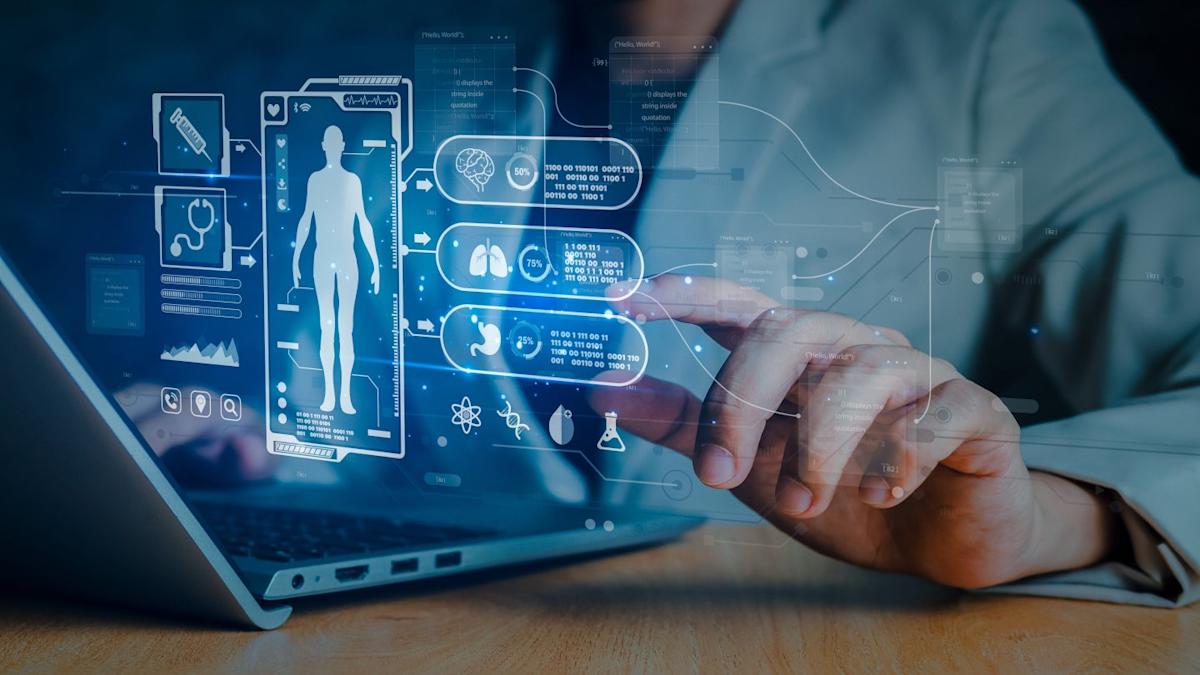
    From sensors in farmland to GPS-enabled fishing vessels, from cloud-based monitoring to AI-powered data analysis, digital technology is giving farmers, fisheries, businesses, and environmental organisations better ways to understand what is happening around them and respond more quickly.

    The goal is not to replace traditional knowledge. It is to combine experience with better information.

    Why Technology Matters for Modern Agriculture and Fisheries

    For generations, farming and fishing have relied heavily on experience. Farmers learned to understand soil, rainfall, seasons, and crops. Fishermen developed knowledge of tides, weather, locations, and marine life.

    That knowledge remains valuable.

    What has changed is the amount of information available today.

    Modern digital agriculture technology can collect information about soil moisture, temperature, rainfall, crop conditions, and irrigation. In fisheries, connected systems can provide information about vessel locations, weather conditions, routes, and operational activity.

    When this information is brought together through reliable network solutions, it becomes much easier to make informed decisions.

    Instead of asking only, “What happened?”, businesses and organisations can start asking, “What is happening right now, and what could happen next?”

    Smart Agriculture Is Changing the Way Farms Operate

    Agriculture

    A modern farm can contain much more technology than people might expect.

    Sensors can monitor soil moisture and temperature. Weather stations can collect local environmental information. Connected irrigation systems can help manage water usage, while drones and cameras can provide aerial views of crops.

    This approach is often called smart farming or precision agriculture.

    The basic idea is simple: use data to understand the farm better.

    For example, if sensors show that one part of a field has enough moisture while another area is becoming dry, irrigation can potentially be managed more precisely instead of treating the entire field in exactly the same way.

    That can help businesses make better use of water, energy, labour, and other resources.

    IoT Is Connecting Farms, Equipment and Fisheries

    The Internet of Things (IoT) is one of the technologies helping agriculture and fisheries become more connected.

    IoT devices can collect information and send it through networks to a central system.

    On a farm, connected devices may monitor:

    • Soil moisture
    • Temperature
    • Humidity
    • Water levels
    • Equipment performance
    • Crop conditions
    • Weather conditions

    In fisheries, connected technology can support monitoring of:

    • Vessel locations
    • Fuel consumption
    • Weather conditions
    • Equipment
    • Fishing routes
    • Storage conditions

    The real value comes when these devices do more than simply collect data. When information is available in one place, users can identify changes and respond before small problems become expensive ones.

    AI Can Turn Agricultural Data Into Useful Insights

    Data by itself is not always useful.

    Imagine receiving thousands of readings every day from sensors across a large farm. Looking through all of that information manually would take a huge amount of time.

    This is where Artificial Intelligence (AI) and data analytics can help.

    AI systems can analyse large amounts of information and identify patterns that may be difficult to notice manually.

    For agriculture, this could support areas such as crop monitoring, demand forecasting, weather analysis, and equipment maintenance.

    For fisheries, data analysis can help organisations better understand operational patterns and environmental conditions.

    AI does not remove uncertainty. Weather can still change. Markets can still move. Nature remains unpredictable.

    But better analysis can help people make decisions with more information.

    Climate Monitoring Needs Reliable Digital Infrastructure

    Agriculture

    Climate-related challenges are not limited to farms and oceans.

    Governments, researchers, environmental organisations, and businesses need reliable information about environmental conditions.

    Digital systems can support the collection and management of information related to:

    • Weather
    • Rainfall
    • Temperature
    • Water resources
    • Land conditions
    • Forests
    • Coastal areas
    • Marine environments
    • Agricultural activity

    This information can support planning, research, reporting, and environmental management.

    However, none of this works properly without reliable digital infrastructure.

    Sensors need connectivity. Data needs storage. Applications need networks. Organisations need secure systems for accessing and sharing information.

    Technology may be the visible part of a digital agriculture project, but the infrastructure underneath it is what keeps everything connected.

    Cloud Computing Makes Data Easier to Access

    Agricultural and environmental data can come from many different locations.

    A farm may have sensors in several fields. A fisheries organisation may collect information from multiple vessels. A climate monitoring project may have data coming from different regions.

    Keeping all of that information on individual devices can make management difficult.

    Cloud computing provides another approach.

    Data can be stored and processed through cloud-based platforms, allowing authorised users to access information from different locations.

    For businesses operating across multiple farms, offices, warehouses, or operational areas, this can make collaboration much easier.

    A manager sitting in an office does not necessarily need to be physically present in the field to review the latest available information.

    Technology Can Help Reduce Resource Waste

    Agri

    Sustainability is not only about protecting the environment. It is also about using resources intelligently.

    Water, fuel, electricity, fertiliser, land, and food all have economic and environmental value.

    Technology can help businesses understand where resources are being used and where improvements may be possible.

    For example, better monitoring can help identify unnecessary water usage. Equipment monitoring can reveal inefficient machinery. Digital logistics systems can help businesses understand transportation requirements.

    Small improvements across many operations can make a meaningful difference over time.

    Digital Fisheries Can Support Better Operational Decisions

    Fishing is a physically demanding industry where conditions can change quickly.

    Reliable connectivity and digital tools can help fishing businesses monitor information while vessels are operating.

    GPS and mapping technologies can provide location information. Weather data can help crews understand changing conditions. Connected equipment can provide operational information.

    For fisheries businesses, having access to timely information can support planning and improve communication between vessels and operations teams.

    Technology should work alongside responsible fishing practices and environmental management rather than being viewed separately from them.

    Cybersecurity Is Becoming Important for Agriculture Too

    When agriculture and fisheries become more connected, cybersecurity becomes part of the conversation.

    A farm management platform, connected irrigation system, cloud application, or fisheries monitoring system can contain valuable operational information.

    A cyberattack or system failure could interrupt operations and create financial losses.

    Businesses therefore need to think about:

    • Secure networks
    • User access controls
    • Data protection
    • Software updates
    • Backup systems
    • Device security
    • Monitoring
    • Recovery planning

    The more connected an operation becomes, the more important it is to protect that connectivity.

    Technology and the Future of Climate-Smart Business

    The future of agriculture, fisheries, and climate management will likely involve even greater integration between physical operations and digital systems.

    Sensors will continue becoming more affordable. Networks will connect more devices. Cloud platforms will handle larger volumes of information. AI will become increasingly useful for analysing complex datasets.

    But technology alone will not solve every agricultural or climate challenge.

    Successful digital transformation also requires people who understand the technology, reliable infrastructure, practical implementation, and clear goals.

    The most useful solutions are not necessarily the ones with the most advanced features. They are the ones that solve real problems.

    A small farm may need better irrigation monitoring rather than a complicated digital platform. A fisheries company may need reliable connectivity and tracking rather than dozens of disconnected applications.

    The right technology depends on the actual needs of the operation.

    Building a More Connected and Sustainable Future

    Agriculture, fisheries, and climate management are deeply connected to everyday life.

    They influence food availability, livelihoods, economic activity, natural resources, and environmental sustainability.

    As these industries face new challenges, technology can provide better visibility, faster communication, stronger data management, and more informed decision-making.

    The real opportunity is not simply to make agriculture or fisheries more “digital.”

    It is to make them smarter, more connected, more efficient, and more prepared for change.

    When reliable networks, IoT, cloud computing, AI, cybersecurity, and human experience work together, technology becomes more than a collection of tools. It becomes part of a practical strategy for building resilient operations.

    Final Thoughts

    The future of Agri, Fisheries & Climate will not be shaped by technology alone. It will be shaped by how intelligently technology is used.

    Farmers, fisheries businesses, environmental organisations, and other stakeholders can use digital systems to understand their operations more clearly, manage resources more carefully, and respond to changing conditions.

    The important question is no longer whether technology has a role in these industries.

    It is how effectively businesses can connect people, data, infrastructure, and technology to create lasting value.

    How Sizaf Infocomm Can Help

    Building a connected agricultural, fisheries, or climate-focused operation requires dependable network services, technology infrastructure, connectivity, cloud solutions, and digital support.

    Sizaf Infocomm helps businesses and organisations build technology solutions around their operational needs.

    Reach out to Sizaf Infocomm:

    Malaysia: +60 146600012
    USA: +1 516 880 9996

  • Smart Transport & Logistics: How Digital Technology Is Making Supply Chains More Connected

    Smart Transport & Logistics: How Digital Technology Is Making Supply Chains More Connected

    Think about everything that happens before a package reaches your doorstep.

    Someone has to receive the order.

    The product needs to be located.

    Inventory needs to be updated.

    The item has to be packed.

    A vehicle needs to be assigned.

    The shipment needs to travel through one or more locations.

    Someone needs to track it.

    And finally, it needs to reach the customer.

    From the outside, it can look simple.

    Behind the scenes, however, Transport & Logistics is a highly connected operation involving people, vehicles, warehouses, software, networks, suppliers, and customers.

    This is why technology has become such an important part of modern logistics.

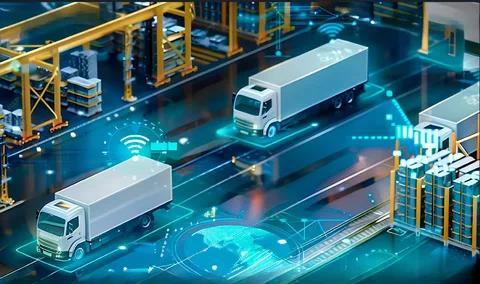
    Today, companies are moving toward smarter and more connected logistics operations where information can move almost as quickly as the goods themselves.

    Why Technology Matters in Transport & Logistics

    Transport and logistics businesses operate under constant pressure.

    Customers want faster deliveries.

    Businesses want better visibility.

    Fuel and operating costs need to be controlled.

    Vehicles need to be used efficiently.

    Warehouses need to stay organised.

    Unexpected delays need to be managed.

    At the same time, companies need to maintain reliable customer communication.

    Technology can help bring these different requirements together.

    Instead of relying entirely on phone calls, paperwork, spreadsheets, and manual updates, businesses can connect different parts of their operations through digital systems.

    The result can be better visibility and faster decision-making.

    GPS and Real-Time Tracking Are Changing Delivery Operations

    smart logistics

    One of the most familiar examples of logistics technology is GPS tracking.

    Customers increasingly expect to know where their shipment is.

    Businesses want to know where their vehicles are.

    Fleet managers need visibility into routes and delivery progress.

    GPS and tracking technologies can provide this information.

    Real-time location data can help businesses monitor vehicles, estimate arrival times, identify delays, and communicate more accurately with customers.

    It can also provide useful information for reviewing routes and fleet performance.

    The important point is that tracking isn’t only about knowing where a vehicle is.

    It’s about turning location information into useful operational decisions.

    IoT Is Connecting Vehicles, Warehouses, and Equipment

    The Internet of Things (IoT) is becoming increasingly relevant to logistics.

    Connected devices can collect information from vehicles, warehouses, equipment, and shipments.

    For example, sensors may monitor:

    • Temperature
    • Location
    • Movement
    • Humidity
    • Fuel consumption
    • Equipment condition

    This can be especially useful when transporting goods that require controlled environmental conditions.

    Instead of waiting until a shipment arrives to discover a problem, connected monitoring can provide information during transportation.

    That creates an opportunity to respond earlier.

    AI Can Help Make Logistics More Predictive

    Logistics

    Artificial intelligence is changing how businesses analyse information.

    Logistics companies generate large amounts of data every day.

    Orders.

    Routes.

    Delivery times.

    Vehicle information.

    Warehouse activity.

    Customer demand.

    Fuel consumption.

    AI can analyse patterns across this information and support decision-making in areas such as demand forecasting, route planning, inventory management, and operational analysis.

    For example, if historical data suggests that demand for a particular product regularly increases during a certain period, businesses can prepare inventory and transportation capacity in advance.

    AI doesn’t eliminate uncertainty.

    But it can help businesses make more informed decisions.

    Route Optimisation Can Reduce Unnecessary Travel

    Transportation is one area where small improvements can add up.

    Consider a fleet making hundreds or thousands of deliveries.

    If routes aren’t planned efficiently, vehicles may travel unnecessary distances.

    That can increase:

    • Fuel consumption
    • Travel time
    • Vehicle wear
    • Delivery costs
    • Driver workload

    Digital route optimisation tools can consider factors such as destinations, schedules, traffic information, vehicle capacity, and delivery requirements.

    Better planning can help businesses use their transportation resources more effectively.

    Warehouse Technology Is Becoming Smarter

    A warehouse isn’t simply a place where products are stored.

    It is a constantly moving environment.

    Goods arrive.

    Products are counted.

    Orders are picked.

    Items are packed.

    Shipments leave.

    Every movement needs to be recorded accurately.

    Digital warehouse management systems can help businesses track inventory, organise operations, and improve visibility.

    Technologies such as barcode scanning, RFID, connected devices, automation, and warehouse analytics can further improve operational efficiency.

    The goal isn’t to remove people from warehouses.

    It is to give employees better information and reduce unnecessary manual work.

    Cloud Computing Connects Logistics Operations

    Transport and logistics businesses often operate across multiple locations.

    A fleet may be travelling across cities or countries.

    Warehouses may be located far from headquarters.

    Customers may be spread across different regions.

    Cloud computing can help connect information across these locations.

    Teams can access approved systems and data without relying entirely on information stored at a single physical location.

    Cloud platforms can support:

    • Logistics management
    • Inventory systems
    • Fleet information
    • Customer management
    • Data storage
    • Reporting
    • Collaboration

    This can be particularly useful for businesses that need information to move between locations quickly.

    Reliable Networks Are the Backbone of Digital Logistics

    Imagine a warehouse where scanners cannot connect to the system.

    Or a fleet management platform that keeps disconnecting.

    Or a logistics office that cannot access its cloud applications.

    Even a short connectivity problem can disrupt operations.

    This is why Network Services and reliable Business Connectivity are increasingly important in logistics.

    Modern logistics operations depend on constant communication between devices, vehicles, warehouses, employees, customers, and cloud systems.

    A reliable network helps keep these connections working.

    Digital Documents Can Reduce Manual Work

    Logistics has traditionally involved significant amounts of paperwork.

    Invoices.

    Delivery documents.

    Shipping information.

    Inventory records.

    Proof of delivery.

    Digital systems can reduce some of this manual work.

    Electronic documentation can make information easier to store, search, share, and update.

    It can also reduce the risk of losing physical documents.

    More importantly, digital records can help different teams access the same information instead of maintaining separate versions.

    Customer Expectations Are Changing

    Customers don’t simply want their packages delivered.

    They want information.

    They want to know:

    Where is my order?

    When will it arrive?

    Has it been dispatched?

    Has there been a delay?

    Who is delivering it?

    This has made communication an important part of the logistics experience.

    Tracking platforms, automated notifications, websites, mobile applications, and customer portals can provide customers with greater visibility.

    Good logistics technology therefore improves more than internal operations.

    It can directly influence customer satisfaction.

    Cybersecurity Is Becoming a Logistics Priority

    Logistics

    As logistics becomes more digital, cybersecurity becomes increasingly important.

    Transport businesses may handle:

    • Customer information
    • Delivery details
    • Supplier information
    • Financial records
    • Fleet data
    • Employee information
    • Operational systems

    A security incident can disrupt more than computers.

    It can affect real-world operations.

    Businesses should therefore consider network security, access controls, secure authentication, software updates, backups, device protection, and monitoring as part of their overall technology strategy.

    The more connected a logistics operation becomes, the more important cybersecurity becomes.

    Fleet Management Is Becoming Data-Driven

    Fleet managers traditionally relied heavily on experience.

    Today, they can also use data.

    Fleet technology can provide information about:

    • Vehicle locations
    • Fuel usage
    • Mileage
    • Maintenance requirements
    • Route performance
    • Driver behaviour
    • Delivery activity

    This information can help businesses identify patterns and make operational improvements.

    For example, maintenance data may help identify vehicles that require attention before a small issue becomes a larger problem.

    Predictive Maintenance Can Keep Vehicles Moving

    A vehicle sitting in a workshop isn’t generating value for a logistics company.

    Unexpected breakdowns can create delays and additional costs.

    Predictive maintenance uses data from vehicles and equipment to identify potential maintenance needs.

    Depending on the technology available, businesses may monitor things such as engine conditions, mileage, temperature, vibration, or other operational indicators.

    This allows maintenance to become more proactive.

    Instead of simply reacting to breakdowns, companies can use available information to plan maintenance more effectively.

    Digital Supply Chains Improve Visibility

    Modern supply chains can involve many organisations.

    Manufacturers.

    Suppliers.

    Warehouses.

    Transport providers.

    Distributors.

    Retailers.

    Customers.

    When information remains isolated within separate systems, it becomes difficult to see the complete picture.

    Connected digital systems can improve supply chain visibility by allowing relevant information to move between different stages.

    Better visibility can help businesses identify delays, manage inventory, and respond to changes more quickly.

    Sustainability Is Also Influencing Logistics Technology

    Transport has a direct relationship with fuel consumption and emissions.

    Technology can help businesses understand where resources are being used.

    Route optimisation can reduce unnecessary travel.

    Fleet analytics can highlight inefficient vehicle usage.

    Digital documentation can reduce paper consumption.

    Better inventory planning can reduce unnecessary movement.

    These changes may appear small individually.

    Across a large logistics operation, however, small improvements can add up.

    What Businesses Should Consider Before Going Digital

    Technology adoption should not simply be about buying new software.

    Businesses should start with their actual problems.

    Ask:

    Where are delays happening?

    Where is information being entered manually?

    Where do teams lack visibility?

    Which processes create the most errors?

    Can our network support connected operations?

    Are our systems secure?

    Can our technology scale as the business grows?

    These questions can help companies identify where technology can create genuine value.

    The Future of Transport & Logistics

    The logistics industry will continue becoming more connected.

    AI will support more planning and forecasting.

    IoT devices will provide more real-time information.

    Warehouses will become increasingly automated.

    Cloud platforms will connect more operations.

    Fleet management will become more data-driven.

    Customers will expect even greater shipment visibility.

    At the same time, cybersecurity and reliable infrastructure will become increasingly important.

    The future isn’t simply about faster transportation.

    It is about smarter coordination.

    When vehicles, warehouses, networks, software, employees, and customers can share useful information efficiently, logistics becomes more responsive.

    Final Thoughts

    Transport and logistics may look like a physical industry, but technology is quietly becoming one of its most important foundations.

    Every shipment depends on information.

    Where is it?

    Where should it go?

    When will it arrive?

    Is the vehicle ready?

    Is the inventory available?

    Has the customer been informed?

    Technology helps answer these questions.

    The businesses that benefit most won’t necessarily be the ones using the most technology.

    They will be the ones using technology to solve real operational problems.

    Reliable connectivity.

    Connected devices.

    Cloud platforms.

    AI.

    Tracking.

    Automation.

    Cybersecurity.

    When these technologies work together, they can create a logistics operation that is more visible, responsive, and prepared for change.

    The future of Transport & Logistics isn’t just about moving goods from one place to another.

    It’s about moving information intelligently alongside them.

    How Sizaf Infocomm Can Help

    Sizaf Infocomm provides technology solutions designed to support businesses that depend on reliable digital infrastructure and connectivity.

    From Network Services and Tech Infrastructure Services to Managed IT Services, Cloud Computing, Web & Media Services, and Business Connectivity, the right technology foundation can help Transport & Logistics businesses keep their operations connected and ready for growth.

    Reach out to us Now

    Malaysia: +60 146600012
    USA: +1 516 880 9996
    Website: https://sizaf.com/

  • Smart Manufacturing in 2026: How Technology Is Transforming Production, Engineering & Pharma

    Smart Manufacturing in 2026: How Technology Is Transforming Production, Engineering & Pharma

    Walk into a modern factory today and you may notice something different.

    Machines are communicating with each other.

    Sensors are collecting information.

    Production teams are monitoring operations through digital dashboards.

    Engineers can access data without standing beside a machine.

    Quality teams can identify problems earlier.

    Pharmaceutical companies can track processes and information more efficiently.

    A factory may still look like a factory, but the technology running behind the scenes has changed dramatically.

    This is the growing shift toward smart manufacturing.

    For businesses in Production, Engineering & Pharma, technology is no longer simply an additional tool. It is becoming part of the way products are designed, manufactured, monitored, tested, and delivered.

    What Is Smart Manufacturing?

    Smart manufacturing means using connected technologies and digital systems to improve manufacturing and industrial operations.

    It can bring together:

    • Industrial Internet of Things (IIoT)
    • Artificial Intelligence (AI)
    • Automation
    • Cloud Computing
    • Data Analytics
    • Robotics
    • Digital Monitoring
    • Cybersecurity
    • Connected Networks

    The purpose isn’t to replace every existing system.

    Instead, businesses can use technology to make operations more visible, efficient, predictable, and responsive.

    For manufacturers, this can mean understanding what’s happening on the production floor without relying entirely on manual checks.

    Why Production Businesses Are Becoming More Digital

    Production

    Manufacturing has always depended on precision.

    A small production error can lead to wasted materials, delayed deliveries, additional costs, or quality problems.

    Digital technology can help businesses monitor operations more closely.

    Sensors can collect machine information.

    Software can analyse production data.

    Connected systems can share information between departments.

    Managers can receive updates without waiting for manual reports.

    This creates a more connected production environment.

    The biggest advantage isn’t necessarily having more data.

    It’s being able to turn useful data into better decisions.

    IIoT Is Connecting the Factory Floor

    The Industrial Internet of Things (IIoT) is playing an important role in modern manufacturing.

    Machines can be equipped with sensors that collect information such as temperature, vibration, operating conditions, or production activity.

    That information can then be analysed to identify changes or unusual patterns.

    For example, if a machine starts showing unusual vibration, the business may be able to investigate the issue before the machine experiences a major failure.

    This approach is commonly associated with predictive maintenance.

    Instead of waiting for equipment to break, companies can use available data to plan maintenance more intelligently.

    Predictive Maintenance Can Reduce Unplanned Downtime

    Production

    Every manufacturer understands the frustration of unexpected downtime.

    A machine stops.

    Production slows down.

    Employees wait.

    Orders may be delayed.

    Maintenance teams have to react quickly.

    Predictive maintenance aims to reduce some of this uncertainty by monitoring equipment conditions and identifying potential warning signs.

    It doesn’t mean machines will never fail.

    Instead, it can give maintenance teams better information about when attention may be required.

    For businesses where equipment downtime is expensive, that information can be extremely useful.

    AI Is Bringing New Possibilities to Manufacturing

    Artificial intelligence is becoming increasingly relevant to industrial operations.

    AI can be used to analyse large volumes of production data and identify patterns that may be difficult to detect manually.

    Potential applications include:

    • Quality inspection
    • Demand forecasting
    • Production optimisation
    • Predictive maintenance
    • Process monitoring
    • Supply chain analysis
    • Anomaly detection

    For example, computer vision systems can analyse images to identify certain product defects.

    This doesn’t mean human workers become unnecessary.

    In many environments, technology works alongside people, helping teams make faster and more informed decisions.

    Industry 5.0 Brings People and Technology Together

    Much of the conversation around manufacturing has focused on automation.

    But the next step isn’t necessarily about removing people from the process.

    Industry 5.0 places greater emphasis on collaboration between humans and advanced technologies.

    Engineers, technicians, operators, and machines can work together.

    Machines can handle repetitive or highly precise tasks.

    People can focus on problem-solving, creativity, judgement, and specialised knowledge.

    The result can be a more flexible manufacturing environment where technology supports human expertise.

    Cloud Computing Is Changing Industrial Data Management

    Factories and engineering companies generate large amounts of information.

    Production records.

    Equipment data.

    Quality information.

    Design files.

    Maintenance records.

    Supply chain information.

    Storing and managing all this information effectively can become difficult.

    Cloud computing provides businesses with flexible options for storing, accessing, processing, and analysing data.

    It can also make collaboration easier for teams working across different locations.

    However, industrial cloud environments still need appropriate security, access controls, and data management.

    Moving information to the cloud should be part of a planned technology strategy.

    Engineering Is Becoming More Connected

    Engineering teams increasingly depend on digital tools.

    Computer-aided design.

    Simulation.

    Project management.

    Digital documentation.

    Cloud collaboration.

    Data analysis.

    Connected engineering systems can help teams work together more efficiently.

    An engineer in one location may be able to collaborate with another team member somewhere else without constantly exchanging physical documents.

    This can be particularly useful for businesses managing complex projects with multiple teams and locations.

    Pharmaceutical Manufacturing Has Unique Technology Requirements

    Production

    The pharmaceutical industry operates in an environment where consistency, traceability, quality, and data management are extremely important.

    Digital systems can support areas such as:

    • Production monitoring
    • Inventory management
    • Quality processes
    • Documentation
    • Equipment monitoring
    • Data management
    • Supply chain visibility

    Technology doesn’t replace regulatory or quality requirements.

    Instead, properly designed systems can help organisations manage information and processes in a more structured way.

    For pharmaceutical businesses, digital transformation needs to be approached carefully, with appropriate controls and validation depending on the application.

    Cybersecurity Is Becoming Critical for Industrial Businesses

    As factories become more connected, cybersecurity becomes more complicated.

    A traditional IT network may now interact with operational technology, connected machinery, sensors, remote monitoring systems, and other devices.

    This creates new security considerations.

    Businesses should understand:

    • Which devices are connected
    • Who can access systems
    • How systems communicate
    • Where important data is stored
    • How software is updated
    • How incidents would be handled

    Network segmentation, access controls, monitoring, authentication, and security policies can all play a role.

    Industrial cybersecurity needs to protect both information and operations.

    Reliable Networks Keep Smart Factories Connected

    A smart factory depends on communication.

    Machines need to exchange information.

    Sensors need to send data.

    Employees need access to systems.

    Cloud platforms need connectivity.

    Monitoring tools need reliable communication.

    This is why Network Services are an important part of modern industrial infrastructure.

    A network designed for a conventional office may not be suitable for a highly connected production environment.

    Manufacturers need to consider reliability, capacity, security, device management, and future growth.

    Digital Twins Are Changing How Engineers Understand Systems

    Another interesting development is the use of digital twins.

    A digital twin is a digital representation of a physical object, system, or process.

    In suitable applications, businesses can use data from real-world systems to understand how equipment or processes are performing.

    Engineers can potentially use these models to explore scenarios, monitor conditions, or identify areas for improvement.

    Digital twins can be particularly useful in complex engineering and manufacturing environments where testing every scenario physically may be expensive or time-consuming.

    Automation Can Improve Repetitive Processes

    Manufacturing has always used automation.

    What’s changing is the level of intelligence and connectivity around it.

    Automated systems can handle repetitive tasks consistently.

    Robotics can support production activities.

    Software can automate administrative processes.

    Digital workflows can reduce manual data entry.

    The goal isn’t simply to automate everything.

    Businesses should identify processes where automation provides genuine value.

    If a manual process is already efficient and inexpensive, automation may not be necessary.

    Technology investment should solve a business problem.

    Technology Can Improve Quality Control

    Quality is critical across production and pharmaceutical operations.

    Traditional quality checks may involve manual inspections.

    Modern systems can add digital tools to the process.

    Sensors can monitor production conditions.

    Computer vision can inspect products.

    Software can record quality information.

    Analytics can identify recurring patterns.

    These technologies can help teams detect potential issues earlier and create better visibility into production processes.

    Human expertise remains important, particularly when decisions require judgement and context.

    Supply Chain Visibility Is Becoming More Important

    Manufacturers don’t operate in isolation.

    They depend on suppliers, transportation networks, warehouses, customers, and other partners.

    A disruption in one part of the chain can affect the entire operation.

    Digital technology can help businesses improve visibility into inventory, orders, production, and logistics.

    When information is connected, companies can respond to changes more quickly.

    This becomes increasingly important for businesses operating across multiple locations or international supply chains.

    Sustainability Is Also Driving Technology Adoption

    Technology can support sustainability efforts in manufacturing.

    Businesses can use sensors and analytics to monitor energy consumption.

    Digital systems can help identify waste.

    Automation can improve resource utilisation.

    Data can provide better visibility into operational efficiency.

    The objective isn’t simply to install smart devices.

    It is to use information to understand where resources are being consumed and where improvements may be possible.

    What Businesses Should Consider Before Modernising

    Digital transformation doesn’t need to happen overnight.

    A better approach is to start with business needs.

    Ask:

    Which production problems are costing us the most?

    Where are we losing time?

    Which processes rely heavily on manual work?

    Where do we lack visibility?

    Are our networks secure enough?

    Can our current infrastructure support connected technologies?

    How will new systems interact with existing equipment?

    These questions can help businesses build a practical technology roadmap.

    The Future of Production, Engineering & Pharma

    The industrial environment will continue becoming more connected.

    AI will become more capable.

    Industrial IoT will expand.

    Automation will become more intelligent.

    Cloud platforms will support more industrial applications.

    Engineering teams will collaborate through increasingly digital environments.

    Pharmaceutical manufacturers will continue investing in technology for operational visibility, quality, and data management.

    But technology adoption should remain practical.

    The most successful transformation isn’t necessarily the one with the most advanced technology.

    It’s the one that solves real problems.

    Final Thoughts

    The future of manufacturing isn’t simply about machines becoming smarter.

    It’s about people, machines, data, software, and infrastructure working together.

    For Production, Engineering & Pharma businesses, this creates an opportunity to improve visibility, reduce avoidable downtime, strengthen operations, and prepare for future changes.

    But digital transformation requires more than buying new equipment.

    It requires reliable networks.

    Secure infrastructure.

    Well-managed data.

    Skilled people.

    Thoughtful planning.

    And technology that actually supports business objectives.

    The factories and industrial businesses of tomorrow will be more connected than ever.

    The question isn’t whether technology will become part of manufacturing.

    It already has.

    The real question is whether your infrastructure is ready for what’s next.

    How Sizaf Infocomm Can Help

    Sizaf Infocomm provides technology solutions designed to support businesses as they build reliable and scalable digital infrastructure.

    From Tech Infrastructure Services and Network Services to Managed IT Services, Cloud Computing, Web & Media Services, and Business Connectivity, the right technology foundation can help Production, Engineering & Pharma organisations strengthen their digital operations.

    Malaysia: +60 146600012
    USA: +1 516 880 9996

    Website: https://sizaf.com/

  • Reliable Network Services: The Digital Foundation Every Modern Business Needs

    Reliable Network Services: The Digital Foundation Every Modern Business Needs

    Think about a normal working day.

    Your employees open their computers, connect to the internet, access cloud applications, send emails, join online meetings, share files, communicate with customers, and work on business systems.

    Most people don’t stop to think about what’s connecting all of these activities.

    The answer is the business network.

    When the network works properly, it stays in the background.

    But when it becomes slow or unreliable, everyone notices.

    A video meeting freezes. A cloud application takes too long to load. Files don’t sync properly. Customers wait for responses. Employees start asking the same question:

    “Is the internet down?”

    This is why Network Services have become much more than simply setting up Wi-Fi or connecting computers.

    For modern businesses, a reliable network is the digital foundation that keeps people, applications, devices, and customers connected.

    What Are Network Services?

    In simple terms, Network Services involve designing, setting up, managing, monitoring, securing, and maintaining the network systems a business depends on.

    Depending on the business, this can include:

    • Business internet connectivity
    • Local area networks
    • Wi-Fi networks
    • Network security
    • Routers and switches
    • Remote access
    • Network monitoring
    • Cloud connectivity
    • Network troubleshooting
    • Performance management

    The exact requirements depend on the size and type of business.

    A small office may need a simple secure network.

    A larger organisation with multiple locations may require a much more advanced infrastructure.

    The important thing is choosing a network that fits the actual business.

    Why a Reliable Business Network Matters

    Service

    A business network connects much more than computers.

    It connects employees to applications.

    It connects branches to headquarters.

    It connects businesses to cloud platforms.

    It connects devices to business systems.

    It can even connect customers to digital services.

    If the network becomes unreliable, these connections can be affected.

    That’s why network performance should be viewed as a business issue rather than only an IT issue.

    A slow network can mean slower work.

    Repeated outages can mean lost productivity.

    Poor security can create unnecessary risks.

    A well-managed network helps reduce these problems.

    Internet Speed Isn’t the Whole Story

    Many businesses believe that buying a faster internet plan will automatically solve their network problems.

    Sometimes it helps.

    But not always.

    Imagine having a high-speed internet connection but an outdated internal network.

    Employees could still experience slow performance.

    The problem could be Wi-Fi coverage.

    It could be network congestion.

    It could be incorrectly configured equipment.

    It could be an application problem.

    It could even be a security issue.

    This is why Network Performance Management looks beyond the headline internet speed.

    The goal is to understand how the entire network is performing.

    Wi-Fi Has Become Part of Business Infrastructure

    Wi-Fi used to be considered a convenience.

    Today, it is essential for many workplaces.

    Employees use wireless devices throughout the office.

    Guests may require internet access.

    Mobile devices connect to business systems.

    Printers, scanners, cameras, and other devices may rely on wireless connectivity.

    A poorly designed Wi-Fi network can create frustrating dead zones and inconsistent performance.

    A properly planned Business Wi-Fi Network considers factors such as coverage, capacity, security, building layout, and the number of connected devices.

    Good Wi-Fi isn’t simply about putting a router in the corner of the office.

    Network Security Is More Important Than Ever

    Services

    A business network is also part of its security environment.

    Every connected device creates another point that needs to be managed.

    Computers.

    Phones.

    Printers.

    Cameras.

    IoT devices.

    Servers.

    Cloud applications.

    Remote users.

    Businesses therefore need to think about who can access their network and what they can access.

    Security practices can include:

    • Firewalls
    • Access controls
    • Network segmentation
    • Secure authentication
    • Multi-factor authentication
    • Monitoring
    • Software updates
    • Endpoint protection

    Security requirements vary from one organisation to another, but the basic principle is simple:

    Don’t give every user or device unlimited access to everything.

    Remote Work Has Changed Network Requirements

    The office is no longer the only place where employees work.

    Remote and hybrid teams need access to business systems from different locations.

    That creates additional network and security requirements.

    Businesses may need secure remote access, cloud connectivity, device management, and appropriate authentication.

    The challenge is balancing accessibility with security.

    Employees need to get their work done.

    At the same time, businesses need to protect their systems and information.

    Modern Network Solutions need to account for both.

    Cloud Computing Depends on Reliable Networks

    Cloud applications have become a normal part of business operations.

    Companies use cloud platforms for:

    • File storage
    • Collaboration
    • Accounting
    • Customer management
    • Communication
    • Business applications
    • Data processing

    But cloud applications depend heavily on connectivity.

    If the network is unreliable, cloud services can become difficult to use.

    This means businesses adopting cloud technology should also review their network infrastructure.

    Cloud strategy and network strategy increasingly go hand in hand.

    More Connected Devices Mean More Network Complexity

    Service

    Walk through a modern office or facility and you’ll find more connected devices than ever before.

    Security cameras.

    Smart displays.

    Sensors.

    Printers.

    Access control systems.

    Meeting-room equipment.

    IoT devices.

    These devices can provide useful functionality.

    But they also add network traffic and management requirements.

    A business needs visibility into what’s connected to its network.

    Otherwise, it becomes difficult to understand where performance or security problems are coming from.

    Network Monitoring Can Identify Problems Earlier

    Waiting until employees complain about the network isn’t the best way to manage it.

    By the time people notice a problem, productivity may already be affected.

    Network monitoring can provide visibility into performance and system health.

    It can help identify unusual traffic, connectivity problems, device issues, or performance changes.

    This creates an opportunity to investigate problems earlier.

    The objective isn’t simply to watch dashboards.

    It’s to use network information to keep business operations running smoothly.

    Network Services Can Support Multiple Locations

    Businesses don’t always operate from one office.

    A company may have:

    • Head office
    • Branch offices
    • Warehouses
    • Retail locations
    • Remote employees
    • Customer sites

    Connecting these locations securely can become complicated.

    A properly designed network can help employees access the systems they need while maintaining appropriate security and performance.

    This becomes especially important as businesses expand.

    A network that works for one office may need to be redesigned when the business grows to five or ten locations.

    Network Infrastructure Should Be Scalable

    One of the biggest mistakes businesses make is designing infrastructure only for today’s needs.

    Perhaps the company has 20 employees today.

    What happens when it has 50?

    What happens when a new branch opens?

    What happens when more cloud applications are introduced?

    What happens when IoT devices are added?

    A scalable network doesn’t mean buying unnecessary equipment.

    It means planning for realistic growth.

    This can help businesses avoid expensive redesigns every time their requirements change.

    A Reliable Network Improves Employee Productivity

    Technology should make work easier.

    But when employees constantly deal with:

    • Dropped connections
    • Slow applications
    • Weak Wi-Fi
    • Network outages
    • File synchronization problems

    technology becomes a source of frustration.

    A reliable network removes some of that friction.

    Employees can focus on their actual responsibilities rather than troubleshooting connectivity problems throughout the day.

    That can have a surprisingly large impact on productivity.

    Network Services and Customer Experience

    Customers may never see your network equipment.

    They don’t know which router you’re using.

    They probably don’t care about your internal network architecture.

    But they experience the results.

    If your customer service system is slow, they notice.

    If an online service keeps disconnecting, they notice.

    If your website or digital platform becomes unavailable, they notice.

    Behind many digital customer experiences is a network infrastructure working quietly in the background.

    Reliable connectivity helps businesses deliver reliable services.

    The Role of Managed Network Services

    As networks become more complicated, businesses may not want to manage everything internally.

    This is where Managed Network Services can help.

    A managed service approach can provide ongoing support for areas such as:

    • Network monitoring
    • Performance management
    • Security
    • Troubleshooting
    • Configuration
    • Maintenance
    • Connectivity

    Instead of treating the network as something that only needs attention when it breaks, businesses can take a more proactive approach.

    How Businesses Can Improve Their Network

    You don’t always need to replace everything.

    Start by understanding the current environment.

    Ask:

    Where are our network problems happening?

    Are certain areas experiencing poor Wi-Fi?

    Which applications require the most connectivity?

    How many devices are connected?

    Are remote employees properly supported?

    Are our network security controls sufficient?

    Can our current infrastructure support future growth?

    These questions can reveal where improvements are actually needed.

    The best network strategy is based on business requirements—not simply on buying newer equipment.

    The Future of Business Networks

    Networks will continue to become more intelligent and more important.

    AI-powered monitoring may help identify unusual behaviour.

    Cloud services will continue expanding.

    IoT devices will increase.

    Remote work will remain part of many organisations.

    Security requirements will become more sophisticated.

    Businesses will also expect their networks to support new technologies without constantly requiring major redesigns.

    This makes flexible and scalable network infrastructure increasingly valuable.

    Final Thoughts

    A business network is easy to ignore when everything works.

    But it is difficult to ignore when everything stops working.

    That is why Network Services deserve more attention than they often receive.

    A strong network can support employees, cloud applications, remote work, connected devices, security systems, and customer-facing services.

    It isn’t simply about faster internet.

    It’s about creating a reliable digital environment where the different parts of a business can communicate and operate effectively.

    The right network doesn’t need to be complicated.

    It needs to be reliable, secure, scalable, and designed around the way your business actually works.

    When that foundation is strong, your technology has a much better chance of working the way it should.

    How Sizaf Infocomm Can Help

    Sizaf Infocomm provides technology solutions designed to help businesses build reliable and scalable digital environments.

    From Network Services and Tech Infrastructure Services to Managed IT Services, Cloud Computing, Web & Media Services, and Business Connectivity, businesses can strengthen the technology foundation supporting their everyday operations.

    Malaysia: +60 146600012
    USA: +1 516 880 9996
    Website: https://sizaf.com/

  • The Future of Retail & Ecommerce: How Technology Is Changing the Way Businesses Sell

    The Future of Retail & Ecommerce: How Technology Is Changing the Way Businesses Sell

    Think about the last time you bought something online.

    You probably didn’t think much about what was happening behind the screen.

    You searched for a product, checked the price, looked at a few reviews, added something to your cart, made a payment, and waited for delivery.

    It feels simple.

    But behind that simple experience is a surprisingly complicated technology environment.

    Websites need to stay online.

    Payments need to be secure.

    Inventory needs to be updated.

    Customer information needs to be protected.

    Orders need to reach the right warehouse.

    Delivery information needs to move between different systems.

    And customers expect all of it to happen quickly.

    This is why technology has become such an important part of the Retail & Ecommerce industry.

    Today, successful retail businesses aren’t only competing on products and prices. They’re also competing on digital experience, convenience, reliability, speed, and trust.

    Why Technology Has Become Essential for Retail & Ecommerce

    Retail has always been about understanding customers.

    What’s different today is how much information businesses can use to understand them.

    Customers leave digital signals everywhere.

    They search for products.

    They compare prices.

    They read reviews.

    They watch product videos.

    They interact with brands on social media.

    They visit websites from different devices.

    Every interaction can provide useful insight.

    Technology allows retailers to turn some of this information into better decisions.

    Instead of simply asking, “What should we sell?”

    Businesses can begin asking:

    What are customers looking for?

    What makes them leave a website?

    Which products are getting attention?

    Which channels are bringing customers to the store?

    These insights can help retailers create better experiences.

    The Ecommerce Website Is More Than an Online Store

    Ecommerce

    An ecommerce website is often the first major interaction between a customer and a brand.

    A customer expects it to work smoothly.

    They want to find products quickly.

    They want clear descriptions.

    They want high-quality images.

    They want transparent pricing.

    They want a simple checkout process.

    And they don’t want to wait forever for a page to load.

    This means Ecommerce Website Development needs to focus on both appearance and performance.

    A beautiful website that is slow or difficult to use can still lose customers.

    The best ecommerce experiences make buying feel easy.

    Mobile Shopping Is Changing Customer Behaviour

    Customers don’t always sit in front of a computer when they shop.

    They browse products during lunch.

    They compare prices while travelling.

    They search for deals from the sofa.

    They make purchases from their phones.

    For retailers, this means mobile experience is no longer optional.

    A good ecommerce website should work smoothly across smartphones and tablets.

    Buttons should be easy to use.

    Product information should be readable.

    Images should load efficiently.

    Checkout should not feel complicated.

    A customer shouldn’t have to fight with a website to buy something.

    AI Is Creating New Opportunities for Retailers

    Artificial intelligence is becoming increasingly useful in ecommerce.

    Retailers can use AI-powered technologies for areas such as:

    • Product recommendations
    • Customer service
    • Search
    • Content assistance
    • Demand forecasting
    • Customer insights
    • Personalisation
    • Marketing automation

    Think about the familiar experience of seeing:

    “You may also like…”

    or

    “Customers who viewed this product also viewed…”

    These recommendations can make online shopping more relevant.

    AI can take this further by analysing customer behaviour and helping businesses understand what different audiences may be interested in.

    But retailers should use AI carefully.

    Personalisation should improve the shopping experience, not make customers uncomfortable.

    Personalisation Can Make Shopping Feel More Relevant

    Ecommerce

    Customers don’t necessarily want more advertisements.

    They want better ones.

    If someone regularly searches for running shoes, showing them completely unrelated products may not be useful.

    But showing relevant footwear, accessories, or educational content could make more sense.

    This is where Personalised Ecommerce can become valuable.

    Technology can help businesses create different experiences based on customer interests and interactions.

    However, personalisation should always be balanced with responsible data practices.

    Trust matters.

    Secure Online Payments Are Critical

    One of the most important moments in an online shopping journey is checkout.

    The customer is about to give the business money.

    They’re also trusting the platform with personal information.

    If the payment experience looks suspicious, confusing, or unreliable, customers may abandon the purchase.

    Retailers should therefore pay close attention to:

    • Secure payment processing
    • Website encryption
    • Authentication
    • Fraud prevention
    • Account security
    • Data protection

    Security isn’t just a technical issue.

    It’s part of the customer experience.

    A customer who doesn’t trust the checkout process may never complete the purchase.

    Cloud Computing Helps Ecommerce Businesses Scale

    Imagine an online store suddenly receiving a huge increase in visitors.

    Maybe a product goes viral.

    Maybe there’s a major seasonal sale.

    Maybe a marketing campaign performs much better than expected.

    The technology supporting the website needs to handle changing demand.

    This is one reason Cloud Computing for Ecommerce has become important.

    Cloud environments can provide flexibility for hosting, storage, applications, analytics, and other digital services.

    The right infrastructure can help businesses respond to changing requirements without relying entirely on fixed physical resources.

    Inventory Technology Can Reduce Operational Problems

    Imagine ordering a product online only to discover later that it isn’t actually available.

    That’s frustrating for customers.

    It can also create extra work for the business.

    Modern inventory systems can help retailers keep track of stock across different locations and sales channels.

    For example, a business may sell through:

    • Physical stores
    • Ecommerce websites
    • Marketplaces
    • Social commerce
    • Mobile applications

    Keeping inventory information synchronised becomes increasingly important as the number of sales channels grows.

    Technology can help connect these systems and reduce manual work.

    Omnichannel Retail Is Becoming More Important

    Customers don’t always separate online shopping from physical shopping.

    They may discover a product online and buy it in a store.

    They may see something in a store and later purchase it online.

    They may order online and collect it from a physical location.

    This is the idea behind Omnichannel Retail.

    The goal is to create a connected experience across different channels.

    Customers shouldn’t feel like they’re dealing with completely separate businesses depending on where they interact with the brand.

    Social Commerce Is Bringing Shopping Closer to Customers

    Ecommerce

    Social media isn’t only a place for entertainment anymore.

    It has become an important discovery channel for products.

    A customer can see a product in a video, learn about it through a creator, read comments, and visit a store without leaving the social platform for long.

    For retailers, this creates another opportunity to connect content and commerce.

    But again, the technology needs to support the experience.

    Links need to work.

    Product information needs to be accurate.

    Pages need to load properly.

    Checkout needs to be straightforward.

    Every extra step creates another opportunity for a customer to leave.

    Customer Reviews Are Digital Trust Signals

    Before buying something online, many customers look at reviews.

    They’re interested in what other people experienced.

    Was the product good?

    Was the quality as expected?

    Was delivery reliable?

    Was customer support helpful?

    Reviews have therefore become an important part of the ecommerce experience.

    Technology makes it easier for businesses to collect and display customer feedback.

    But businesses should focus on genuine reviews rather than trying to create an unrealistic picture of perfection.

    Authenticity builds stronger trust.

    Cybersecurity Is a Retail Business Priority

    Retailers handle valuable information.

    Customer details.

    Transaction information.

    Employee accounts.

    Inventory data.

    Supplier information.

    Business records.

    This makes cybersecurity essential.

    A strong security strategy can include:

    • Secure networks
    • Access controls
    • Multi-factor authentication
    • Endpoint protection
    • Regular updates
    • Data backups
    • Security monitoring
    • Employee awareness

    As ecommerce businesses become more connected, protecting those connections becomes increasingly important.

    Reliable Network Infrastructure Supports Retail Operations

    Technology isn’t only important for online stores.

    Physical retail locations also depend on connectivity.

    Point-of-sale systems.

    Digital displays.

    Security cameras.

    Inventory systems.

    Employee devices.

    Customer Wi-Fi.

    Cloud applications.

    All of these may depend on reliable networks.

    This is where Network Services and Business Connectivity become important.

    A retail business with unreliable connectivity can experience operational problems even when its ecommerce website is working perfectly.

    Data Can Help Retailers Make Better Decisions

    Retail has always involved decisions about what to stock, what to promote, and when to offer discounts.

    Technology provides more information to support those decisions.

    Businesses can analyse:

    • Sales trends
    • Customer behaviour
    • Product performance
    • Website activity
    • Marketing campaigns
    • Inventory movement
    • Customer feedback

    The goal isn’t to collect endless amounts of data.

    The goal is to use useful information to make better business decisions.

    Good data can help answer questions that would otherwise rely heavily on guesswork.

    The Importance of Website Performance

    Online customers are impatient.

    If pages take too long to load, they may simply move on.

    That means ecommerce businesses should pay attention to website performance.

    Images should be optimised.

    Pages should be efficient.

    Hosting should be appropriate.

    Third-party tools should be reviewed.

    The website should be tested across different devices.

    Performance isn’t just a technical metric.

    It can influence whether a customer stays or leaves.

    Technology Is Also Improving Customer Support

    Customer expectations don’t stop after payment.

    They may want to know:

    Where is my order?

    Can I change my delivery address?

    How do I return the product?

    When will my refund arrive?

    Technology can help businesses answer these questions through online portals, chat systems, automated notifications, knowledge bases, and customer service platforms.

    The goal should be convenience.

    Customers shouldn’t have to contact three different departments just to find out where their order is.

    What Retailers Should Focus on Next

    Technology will continue changing retail.

    But businesses don’t need to adopt every new technology they see.

    Instead, start with customer problems.

    Ask:

    Where are customers experiencing frustration?

    Where are employees wasting time?

    Where are systems disconnected?

    Where are security risks increasing?

    Where can automation actually help?

    Can our infrastructure support future growth?

    These questions can lead to better technology decisions than simply chasing trends.

    The Future of Retail & Ecommerce

    The future of retail will likely be increasingly connected.

    Physical stores and ecommerce platforms will work more closely together.

    AI will support more personalised experiences.

    Cloud technology will continue supporting digital operations.

    Data will become increasingly important.

    Social commerce will continue developing.

    Cybersecurity will remain a major priority.

    And customers will continue expecting convenient digital experiences.

    But technology isn’t the real goal.

    The customer is.

    The best retailers will use technology to remove friction, provide better information, make shopping easier, and build trust.

    Final Thoughts

    Retail has always been about people.

    Technology hasn’t changed that.

    It has simply changed how businesses connect with those people.

    A customer may never know what cloud infrastructure supports an ecommerce store.

    They may never see the network behind a retail outlet.

    They may not know how inventory data moves between systems.

    But they experience the results.

    They experience a fast website.

    A simple checkout.

    Accurate stock information.

    Secure payments.

    Helpful support.

    Reliable delivery updates.

    That is what modern Retail & Ecommerce Technology should ultimately deliver.

    Not technology for the sake of technology.

    Technology that makes buying easier, business operations smarter, and customer experiences better.

    How Sizaf Infocomm Can Help

    Sizaf Infocomm provides technology solutions designed to support businesses as they build stronger digital operations.

    From Web & Media Services and Network Services to Tech Infrastructure Services, Managed IT Services, Cloud Computing, and Business Connectivity, the right technology foundation can help retail and ecommerce businesses operate more reliably and prepare for future growth.

    Malaysia: +60 146600012
    USA: +1 516 880 9996
    Website: https://sizaf.com/

  • Digital Advertising in 2026: How Smart Technology Is Changing the Way Brands Reach Customers

    Digital Advertising in 2026: How Smart Technology Is Changing the Way Brands Reach Customers

    Advertising has changed a lot.

    Not that long ago, a brand could put an advertisement in a newspaper, on television, or on a billboard and hope the right people noticed it.

    Today, things work differently.

    A customer can discover a brand through a short video, search for it on Google, visit its website, see a social media post, read reviews, and receive a personalised offer—all within the same day.

    The Media & Advertising industry has become deeply connected with technology.

    And in 2026, successful advertising isn’t simply about getting attention.

    It’s about reaching the right audience, on the right platform, with the right message, at the right moment.

    Why Technology Has Changed Advertising

    Modern consumers have more choices than ever.

    They can scroll past an advertisement in seconds.

    They can skip a video.

    They can ignore an email.

    They can leave a website with one click.

    This has made audience attention extremely valuable.

    Businesses therefore need to understand what their customers actually want instead of simply pushing advertisements everywhere.

    Technology provides the tools to understand audience behaviour, measure campaigns, personalise content, and improve marketing decisions.

    But technology alone doesn’t create a great advertisement.

    The message still needs to feel relevant and human.

    AI Is Becoming a Powerful Advertising Tool

    Advertising

    Artificial intelligence is one of the biggest changes happening in digital advertising.

    AI can help marketers analyse large amounts of information, identify patterns, generate content ideas, automate repetitive tasks, and personalise customer experiences.

    For example, an advertising team may use AI to understand which types of content receive the most engagement.

    It can also help create different versions of an advertisement for different audiences.

    But there is an important line to remember.

    AI can help create advertising faster, but it shouldn’t make advertising feel robotic.

    People still respond to stories, emotions, humour, useful information, and authentic experiences.

    The best approach is often to combine technology with human creativity.

    Short-Form Video Continues to Dominate Attention

    Open almost any social media platform and you’ll see it.

    Short videos are everywhere.

    They are quick to consume, easy to share, and capable of communicating an idea within seconds.

    For brands, this creates a huge opportunity.

    A 20-second video can introduce a product.

    A behind-the-scenes clip can show how a company works.

    A customer story can build trust.

    An educational video can answer a common question.

    The key is not simply making videos.

    It’s creating videos that give people a reason to keep watching.

    In a crowded digital environment, the first few seconds matter.

    Personalisation Can Make Advertising More Relevant

    Imagine receiving two advertisements.

    One says:

    “Check out our latest products.”

    The other says:

    “Looking for a faster way to manage your business network?”

    The second message feels more relevant if you’re actually looking for that solution.

    That’s the power of personalisation.

    Businesses can use customer insights to create more relevant messages based on interests, behaviour, previous interactions, or customer needs.

    However, personalisation needs to be handled responsibly.

    Customers want relevant experiences, but they also care about privacy.

    Brands need to be transparent about how customer information is collected and used.

    Data Is Becoming More Valuable

    Modern advertising produces a huge amount of information.

    Businesses can learn:

    • Which advertisements receive attention
    • Which platforms generate leads
    • Which content people engage with
    • How visitors move through websites
    • Which campaigns generate conversions
    • What audiences respond to different messages

    This information can help marketers make better decisions.

    Instead of asking, “Did our advertisement work?”

    They can ask:

    “Which part worked, for whom, and why?”

    That shift can make advertising much more strategic.

    The Website Is Still an Important Part of Advertising

    Social media may attract attention, but where does that attention go?

    Often, it goes to a website.

    A customer might see an advertisement on Instagram, search for the company, and visit its website before making a decision.

    This means advertising and website performance are closely connected.

    A great advertisement cannot compensate for a confusing website.

    If the website loads slowly, looks outdated, isn’t mobile-friendly, or makes it difficult to find information, potential customers may leave.

    Your advertisement creates the interest.

    Your website needs to continue the conversation.

    Cloud Technology Supports Modern Media Operations

    Advertising agencies and media businesses often work with large files.

    Videos.

    Images.

    Design files.

    Campaign assets.

    Documents.

    Reports.

    These files need to be stored, shared, and accessed by different teams.

    Cloud computing can make collaboration easier.

    Creative teams can work from different locations.

    Marketing teams can access campaign information.

    Clients can review approved materials.

    Files can be organised in a central environment.

    This becomes particularly useful for agencies working with multiple clients and distributed teams.

    Reliable Connectivity Keeps Advertising Teams Moving

    Advertising

    Modern advertising is highly connected.

    Creative teams communicate online.

    Videos are uploaded to cloud platforms.

    Campaigns are managed through digital tools.

    Meetings happen through video conferencing.

    Analytics dashboards are accessed online.

    Advertisements are published across multiple platforms.

    If the internet connection is unreliable, productivity can quickly suffer.

    This is why Business Connectivity and reliable Network Solutions are important parts of modern media operations.

    Good connectivity may not be visible to customers, but it supports almost everything happening behind the scenes.

    Cybersecurity Matters in Media & Advertising

    Advertising businesses also handle valuable information.

    Client data.

    Campaign strategies.

    Customer information.

    Creative assets.

    Financial records.

    Login credentials.

    Marketing analytics.

    A security incident can expose confidential information and damage relationships with clients.

    Advertising teams should therefore take basic cybersecurity seriously.

    Strong passwords, multi-factor authentication, access controls, secure networks, employee awareness, software updates, and reliable backups can all help reduce unnecessary risk.

    The more digital an advertising operation becomes, the more important digital security becomes.

    Influencer Marketing Is Becoming More Strategic

    Influencer marketing has evolved beyond simply paying someone to promote a product.

    Today, brands increasingly need to think about relevance and trust.

    A creator may have a smaller audience but stronger engagement.

    Another may have a huge following but limited connection with the target market.

    The right question isn’t:

    “How many followers does this person have?”

    It is:

    “Does this creator have the right audience and credibility for our brand?”

    Technology can help marketers analyse audience demographics, engagement patterns, content performance, and campaign results.

    But authenticity remains difficult to manufacture.

    People can usually tell when a promotion feels forced.

    Privacy Is Changing the Advertising Conversation

    Consumers are becoming more aware of how their information is used.

    This means brands need to think carefully about data collection and advertising practices.

    Responsible advertising should focus on transparency.

    Customers should understand what information is being collected and why.

    Businesses also need to follow applicable privacy and data-protection requirements.

    Trust is becoming an important part of advertising performance.

    A customer who trusts a brand is more likely to engage with it over the long term.

    Omnichannel Marketing Is Becoming the Norm

    Customers don’t necessarily use one platform.

    They move between them.

    A person may discover a product through social media, search for reviews online, visit a website, watch a video, and eventually make a purchase through an app or physical store.

    This creates the need for a connected customer journey.

    Brands need their messaging to remain consistent across different channels.

    The customer shouldn’t feel like they’re interacting with five completely different companies.

    The experience should feel connected.

    What Advertising Businesses Should Focus on in 2026

     Advertising

    The advertising landscape will continue to change.

    New platforms will appear.

    AI capabilities will develop.

    Consumer behaviour will evolve.

    But several fundamentals will remain important.

    Create Useful Content

    Don’t advertise constantly.

    Give people information, entertainment, inspiration, or something genuinely useful.

    Understand Your Audience

    Don’t try to reach everyone.

    Understand who you’re actually trying to help.

    Use Data Wisely

    Measure campaigns and learn from results, but respect customer privacy.

    Invest in Digital Infrastructure

    Reliable websites, networks, cloud systems, and cybersecurity support modern advertising operations.

    Keep Human Creativity at the Centre

    Technology can accelerate production.

    People create the ideas that make brands memorable.

    Final Thoughts

    Advertising has never been just about selling something.

    At its best, it is about communicating an idea and giving people a reason to care.

    Technology has changed how that communication happens.

    AI can help analyse and personalise campaigns.

    Short-form video can capture attention.

    Cloud technology can support collaboration.

    Data can improve decision-making.

    Digital platforms can connect brands with audiences around the world.

    But the fundamentals haven’t disappeared.

    People still want useful information.

    They still value authenticity.

    They still remember good stories.

    And they still want to deal with brands they trust.

    The future of Media & Advertising will therefore belong to businesses that can combine smart technology with genuine human creativity.

    Technology can help you reach people.

    But a meaningful message is what makes them stay.

    How Sizaf Infocomm Can Help

    Modern advertising depends on more than creative campaigns. It also requires reliable websites, connectivity, network infrastructure, cloud technology, and secure digital systems working behind the scenes.

    Sizaf Infocomm provides technology solutions designed to support businesses with their digital infrastructure, network requirements, web and media needs, and managed IT operations.

    Malaysia: +60 146600012
    USA: +1 516 880 9996
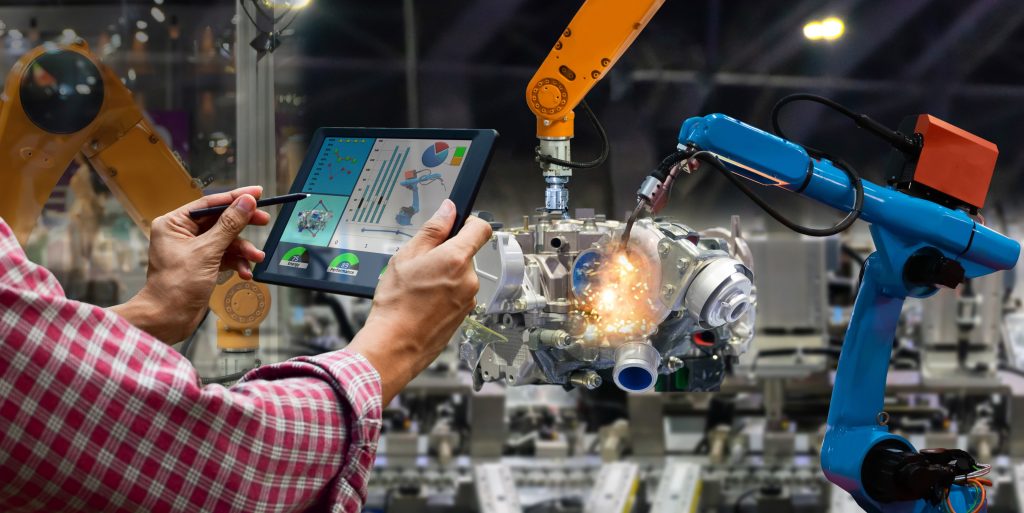
    Website: https://sizaf.com/

  • Smart Construction Technology: How Digital Solutions Are Building a More Efficient Real Estate Industry

    Smart Construction Technology: How Digital Solutions Are Building a More Efficient Real Estate Industry

    Walk onto a construction site today and you may notice something different.

    There are still engineers checking plans, workers managing materials, project managers coordinating teams, and machinery moving around the site.

    But alongside all of that, another layer is becoming increasingly important: technology.

    Digital drawings are replacing stacks of paperwork. Teams can collaborate from different locations. Project information can be stored in the cloud. Connected devices can monitor equipment. Real estate companies can use digital platforms to reach potential buyers faster.

    Construction and real estate have always been industries built around physical spaces.

    Now, they are becoming increasingly dependent on digital infrastructure as well.

    Why Technology Matters in Construction & Real Estate

    Construction projects involve a lot of moving parts.

    There are contractors, architects, engineers, suppliers, clients, consultants, workers, and government authorities.

    If communication between these groups breaks down, even a small issue can become expensive.

    A delayed document can hold up a decision.

    A missing update can affect a project schedule.

    Poor communication can lead to duplicated work.

    An outdated drawing can create mistakes on-site.

    Digital technology can help bring information and people together.

    The goal isn’t to make construction complicated with more software.

    It is to make the existing process easier to manage.

    Cloud Technology Is Changing Project Collaboration

    Construction

    Construction teams are rarely in one place.

    An architect may be working from an office.

    An engineer may be visiting the construction site.

    A contractor may be coordinating suppliers.

    The client may be located in another city.

    Cloud computing allows authorized teams to access and share information from different locations.

    Project documents, plans, schedules, reports, and other information can be managed digitally rather than being dependent entirely on physical paperwork.

    This can make collaboration faster and reduce the risk of teams working from outdated information.

    For real estate businesses, cloud platforms can also support property information, customer management, documentation, communication, and internal operations.

    IoT Is Bringing More Visibility to Construction Sites

    The Internet of Things, or IoT, is creating new possibilities for construction.

    Connected sensors can monitor equipment, environmental conditions, locations, and other aspects of a project.

    For example, businesses can use connected technology to understand how equipment is being used or identify potential maintenance requirements.

    This can help companies move from simply reacting to equipment problems toward more proactive maintenance.

    IoT can also provide project managers with more information about what is happening on a site.

    And better information can lead to better decisions.

    Smart Buildings Are Becoming More Practical

    The idea of a smart building is no longer limited to futuristic concepts.

    Modern buildings can include connected systems for lighting, security, energy management, access control, climate control, and other building functions.

    These systems can improve both operational efficiency and the experience of people using the building.

    For property owners, smart technology can also provide useful information about how a building is being used.

    For example, energy monitoring can help identify areas where consumption is unnecessarily high.

    The important thing is to start with a real business or operational need.

    Technology should solve a problem rather than simply become another feature.

    Reliable Network Infrastructure Is Essential

    Many modern construction and real estate operations depend on connectivity.

    Project teams communicate through online platforms.

    Cloud applications require reliable internet.

    Security systems depend on networks.

    Smart building devices need connectivity.

    Property websites and online systems need to remain available.

    If the network isn’t reliable, these systems can become difficult to use.

    This is why Network Solutions for Construction and Real Estate are becoming increasingly important.

    Reliable connectivity creates the foundation on which other digital technologies can operate.

    Cybersecurity Is Becoming a Construction Concern

    Cybersecurity may not be the first thing people associate with construction.

    But construction companies and real estate businesses handle valuable information.

    Contracts.

    Property details.

    Financial information.

    Customer information.

    Project documents.

    Employee records.

    Supplier information.

    A security incident could expose sensitive data or interrupt business operations.

    As companies adopt more cloud platforms, connected devices, and digital applications, the number of systems requiring protection increases.

    Businesses should therefore consider security as part of their technology infrastructure rather than something added later.

    Digital Tools Can Improve Project Management

    Construction projects depend heavily on timing.

    Materials need to arrive when they are needed.

    Workers need the right information.

    Inspections need to happen on schedule.

    Changes need to be communicated.

    Budgets need to be monitored.

    Digital project management tools can help teams organize these activities.

    Instead of relying entirely on phone calls, spreadsheets, emails, and paper documents, teams can use centralized systems to track information.

    This can improve visibility and make it easier to identify potential delays.

    Technology won’t eliminate every construction problem.

    But it can help teams see problems earlier.

    Real Estate Is Becoming More Digital Too

    Construction

    The transformation isn’t limited to construction sites.

    Real estate businesses are changing how they market and sell properties.

    A potential buyer may discover a property through social media or an online search.

    They may view photos and videos.

    They may explore a virtual tour.

    They may compare properties online.

    They may contact an agent through a website.

    In other words, the customer journey increasingly starts digitally.

    That makes a strong Real Estate Digital Strategy important.

    A company’s website, online presence, customer communication, and digital systems can influence how potential customers perceive the business.

    Virtual Tours Can Change Property Marketing

    Imagine looking at a property without physically visiting it.

    Virtual tours and 3D experiences can give potential buyers or tenants a better understanding of a space before arranging an in-person visit.

    This can be particularly useful for:

    • Residential properties
    • Commercial buildings
    • New developments
    • Hotels
    • Office spaces
    • Industrial properties

    Virtual experiences don’t necessarily replace physical visits.

    Instead, they can help people decide which properties are worth visiting.

    That can save time for both customers and real estate professionals.

    Artificial Intelligence Is Entering the Industry

    AI is also finding practical applications across construction and real estate.

    Construction businesses can explore AI for areas such as project analysis, planning, document processing, risk identification, and predictive maintenance.

    Real estate companies can use AI to assist with property recommendations, customer communication, market analysis, and content creation.

    But businesses should avoid adopting AI simply because it is trending.

    The better approach is to identify repetitive or information-heavy tasks where AI can genuinely provide value.

    Human expertise still matters.

    A project manager understands the realities of a construction site.

    An experienced property professional understands local markets and customer behaviour.

    AI should support that expertise rather than blindly replace it.

    Technology Can Help Reduce Construction Waste

    Construction

    Construction businesses constantly deal with materials.

    Ordering too much creates waste.

    Ordering too little can cause delays.

    Poor inventory visibility can make planning more difficult.

    Digital inventory systems can provide better visibility into materials and resources.

    Combined with data analysis and connected systems, businesses can make more informed decisions about purchasing, storage, and usage.

    This can potentially improve efficiency while supporting more sustainable construction practices.

    Technology and Sustainability Are Becoming Connected

    Sustainability is becoming an increasingly important consideration in construction and real estate.

    Buildings consume energy.

    Construction projects use materials.

    Transportation creates emissions.

    Waste management is a major concern.

    Technology can help businesses measure and manage some of these areas.

    Smart building systems can monitor energy consumption.

    Connected sensors can provide information about environmental conditions.

    Digital systems can reduce dependence on paper.

    Data can help property owners understand where improvements may be possible.

    Technology alone won’t make construction sustainable.

    But better information can make sustainability decisions more practical.

    The Importance of Digital Security for Smart Buildings

    A smart building can contain dozens or even hundreds of connected systems.

    Lighting.

    Cameras.

    Access controls.

    Sensors.

    HVAC systems.

    Building management platforms.

    Every connected system needs appropriate security.

    If these systems are poorly managed, they can potentially create vulnerabilities.

    This means smart buildings need more than smart technology.

    They need Smart Building Security.

    Strong authentication, network segmentation, monitoring, software updates, and access controls can all play a role depending on the building and its systems.

    Managed IT Services Can Support Growing Construction Businesses

    As construction and real estate companies adopt more technology, managing that technology can become difficult.

    Someone needs to monitor networks.

    Systems need updates.

    Employees need support.

    Data needs backups.

    Security needs attention.

    Cloud platforms need to be managed.

    For businesses without a large internal IT department, Managed IT Services can provide ongoing technical support and infrastructure management.

    This allows construction and real estate teams to focus more on projects, properties, customers, and growth.

    Technology works best when someone is responsible for keeping it healthy.

    What a Future-Ready Construction Business Looks Like

    A future-ready construction company doesn’t necessarily need the most expensive technology.

    It needs technology that works together.

    A reliable network.

    Secure systems.

    Cloud collaboration.

    Digital project management.

    Connected equipment where useful.

    Data backup.

    Strong cybersecurity.

    Technology support.

    And employees who understand how to use the tools properly.

    The same principle applies to real estate.

    A modern real estate business needs more than an attractive property listing.

    It needs a reliable digital presence, secure customer data, effective communication systems, and technology that supports the entire customer journey.

    Final Thoughts

    Construction and real estate are often described as traditional industries.

    But the way these industries operate is changing quickly.

    Technology is becoming part of project planning, construction management, property marketing, building operations, communication, security, and customer experience.

    The companies that benefit most won’t necessarily be those that adopt every new technology.

    They will be the ones that understand their problems and choose technology that solves them.

    A reliable digital foundation can make collaboration easier.

    Better connectivity can keep teams connected.

    Smart systems can improve visibility.

    Cybersecurity can protect important information.

    Cloud platforms can support flexibility.

    And data can help businesses make better decisions.

    The future of Construction & Real Estate isn’t simply about building smarter physical spaces.

    It’s about building smarter businesses behind them.

    How Sizaf Infocomm Can Help

    Sizaf Infocomm provides technology solutions that can support businesses looking to strengthen their digital infrastructure, connectivity, networks, cloud environment, and ongoing IT operations.

    With solutions across Tech Infrastructure Services, Network Services, Managed IT Services, Web & Media Services, Cloud Computing, and Business Connectivity, businesses can build a stronger technology foundation around their operational requirements.

    Malaysia: +60 146600012
    USA: +1 516 880 9996

    Website: https://sizaf.com/

  • Digital Travel Experiences: How Technology Is Making Travel Smarter, Easier and More Personal

    Digital Travel Experiences: How Technology Is Making Travel Smarter, Easier and More Personal

    Travel used to begin at the airport, railway station, or hotel.

    Today, it often begins much earlier.

    A traveller searches for a destination on a phone. They compare hotels, watch videos, check reviews, build an itinerary, book activities, and sometimes use AI to plan the entire trip.

    By the time they arrive, technology may already be involved in almost every part of the journey.

    That is changing the Travel & Leisure industry in a big way.

    And in 2026, travellers are not simply looking for a destination. They are looking for an experience that feels easy, personal, connected, and trustworthy.

    Research into 2026 travel trends shows that AI is increasingly influencing how people discover and plan trips, while travellers are also looking for more experience-driven and personalised journeys.

    For travel businesses, this creates both an opportunity and a challenge.

    The question is no longer whether technology belongs in tourism.

    It is:

    How can travel businesses use technology without making the experience feel less human?

    The Traveller’s Journey Has Become Digital

    Technology

    Think about planning a holiday today.

    You might start with a simple Google search.

    Then you move to a hotel website.

    You check social media.

    You compare prices.

    You read reviews.

    You look at maps.

    You ask an AI tool for recommendations.

    You book online.

    You receive digital confirmations.

    You use your smartphone during the trip.

    Technology is present from inspiration to arrival.

    This digital journey is becoming increasingly important for hotels, tourism companies, travel agencies, attractions, restaurants, and destination marketers.

    In Malaysia, digital tourism is also becoming a major focus as the country promotes Visit Malaysia 2026 and works to create more seamless digital experiences for travellers. Malaysia’s Ministry of Digital has highlighted areas including AR and VR, digital experiences, immersive travel, and digitisation of cultural and historical assets.

    AI Is Changing How People Plan Holidays

    One of the biggest developments in travel technology is artificial intelligence.

    Instead of spending hours searching through dozens of websites, travellers can increasingly ask AI tools for suggestions.

    They might ask:

    “Plan a four-day family trip to Kuala Lumpur.”

    Or:

    “Find me a relaxing beach holiday with local food and cultural experiences.”

    AI can help organise information, suggest activities, compare options, and create personalised itineraries.

    The trend is particularly relevant in Asia. A 2026 travel-trends report found that 59% of Malaysian travellers surveyed were likely to use AI when planning their next trip.

    But there is an important detail here.

    People may use AI to discover a travel option, but trust still matters when they decide where to book.

    Recent Expedia research found that travellers are increasingly using AI for inspiration and planning while still preferring trusted travel brands for booking and support.

    That means travel businesses need both:

    AI visibility and human trust.

    Personalisation Is Becoming the New Standard

    Not every traveller wants the same experience.

    A family may want activities suitable for children.

    A couple may prefer restaurants, beaches, and romantic experiences.

    A business traveller may care more about connectivity, location, and convenience.

    A solo traveller may be looking for adventure.

    Technology can help businesses understand these differences.

    Customer data and analytics can help travel companies provide more relevant recommendations, offers, and communication.

    Hotels can use technology to understand preferences.

    Travel platforms can suggest relevant destinations.

    Tourism organisations can promote experiences based on traveller interests.

    But personalisation needs to be handled responsibly.

    The more personal the experience becomes, the more important data privacy and security become.

    A Fast Website Can Influence the Travel Experience

    Technology

    Imagine discovering a beautiful hotel online.

    You click the website.

    It takes several seconds to load.

    You try to view the rooms.

    The page freezes.

    You attempt to make a booking.

    The payment page doesn’t work properly.

    What happens?

    You probably leave.

    This is why Web & Media Services and reliable digital infrastructure matter to the travel industry.

    A travel website isn’t simply an online brochure.

    It can be a booking platform, customer service channel, marketing tool, information centre, and first impression—all at once.

    A slow or unreliable website can make a business appear less trustworthy, even if the actual hotel or travel experience is excellent.

    Connectivity Has Become Part of the Travel Experience

    For many travellers, internet connectivity is no longer a luxury.

    They expect to stay connected.

    They use their phones for maps, bookings, digital payments, communication, entertainment, translation, and social media.

    Hotels and resorts therefore need to think about connectivity as part of the overall guest experience.

    Reliable networks can support:

    • Guest Wi-Fi
    • Online bookings
    • Digital check-in
    • Smart room systems
    • Staff communication
    • Security systems
    • Payment systems
    • Connected devices

    Behind the simple experience of connecting to Wi-Fi is an entire network infrastructure that needs to be reliable and properly managed.

    Smart Hotels Are Becoming More Practical

    The idea of a smart hotel once sounded futuristic.

    Today, many of the technologies involved are becoming increasingly practical.

    Guests may use digital check-in.

    Rooms can include connected devices.

    Hotel staff can use mobile systems to manage requests.

    Energy systems can be monitored digitally.

    Maintenance teams can receive alerts when equipment requires attention.

    The purpose isn’t technology for the sake of technology.

    The purpose is convenience.

    If a guest can solve a simple problem without waiting in a queue, that’s useful.

    If hotel staff can identify a maintenance issue before it affects guests, that’s useful too.

    Good technology works quietly in the background.

    Cybersecurity Is Critical for Travel Businesses

    Travel companies handle valuable customer information.

    Names.

    Contact details.

    Payment information.

    Booking details.

    Passport or identification information in some circumstances.

    Travel preferences.

    Loyalty information.

    This makes the industry an attractive target for cybercriminals.

    The travel sector also depends heavily on digital systems. Industry reporting continues to identify cybersecurity, system outages, phishing, ransomware, and data loss as important risks for travel businesses.

    Travel businesses therefore need to think seriously about:

    • Secure payment systems
    • Account protection
    • Data encryption
    • Access controls
    • Network security
    • Employee awareness
    • Backup and recovery
    • Continuous monitoring

    A great customer experience means little if customers don’t trust a company with their information.

    Digital Payments Are Making Travel More Convenient

    Digital payments are another major part of modern travel.

    Travellers increasingly expect to book hotels, attractions, transportation, restaurants, and experiences without needing to carry large amounts of cash.

    For businesses, digital payments can simplify transactions and improve convenience.

    But payment technology also creates responsibility.

    Businesses need secure systems, appropriate controls, reliable connectivity, and protection against fraud.

    A payment system should be convenient for customers without becoming an easy target for attackers.

    Travel Is Becoming More Experience-Driven

    One interesting shift in tourism is the growing interest in experiences.

    Travellers aren’t always satisfied with simply visiting a famous location.

    They may want to experience local food.

    Attend a concert.

    Explore a cultural neighbourhood.

    Visit a lesser-known destination.

    Take part in outdoor activities.

    Learn about local traditions.

    Research on Asian travel trends for 2026 points toward experience-driven tourism, including culinary journeys, wellness, culture, events, and alternative destinations.

    Technology can help businesses promote these experiences.

    A small local attraction can reach international travellers through digital marketing.

    A restaurant can attract visitors through online discovery.

    A tourism board can use immersive content to showcase destinations before travellers arrive.

    The opportunity isn’t limited to large tourism companies.

    Virtual and Augmented Reality Can Inspire Travellers

    AR and VR are also opening interesting possibilities.

    Imagine exploring a destination virtually before deciding to visit.

    Or pointing your phone at a historic building and seeing information about its history.

    Or taking a virtual tour of a hotel room before booking.

    These experiences can help travellers make more informed decisions.

    Malaysia’s Ministry of Digital has specifically identified AR and VR as technologies that can contribute to destination promotion and digital tourism.

    The technology doesn’t replace visiting a destination.

    It creates another layer around the experience.

    Sustainability and Technology Are Moving Together

    Technology

    Technology isn’t only changing convenience.

    It can also support sustainability.

    Hotels and resorts can use smart systems to monitor energy consumption.

    Connected devices can help manage lighting and air conditioning.

    Digital documents can reduce unnecessary paper use.

    Data analytics can help businesses understand resource consumption.

    Technology can therefore support more efficient operations.

    Malaysia’s investment agency has also highlighted digitalisation and sustainability as important forces shaping the hospitality sector as the country prepares for Visit Malaysia 2026.

    The important point is that sustainability shouldn’t simply be a marketing message.

    Technology can help businesses measure and manage their environmental impact more practically.

    The Human Side of Travel Still Matters

    With all this talk about AI, automation, and digital platforms, it is easy to forget something important.

    People travel because they want experiences.

    They want to discover places.

    Try new food.

    Meet people.

    Relax.

    Spend time with family.

    Create memories.

    Technology should make these moments easier—not turn travel into a completely automated process.

    A chatbot may answer a question quickly.

    But sometimes a traveller simply wants to speak to a helpful person.

    A digital check-in may save time.

    But good hospitality still matters.

    The best travel businesses will probably be those that know when technology should step in—and when a human should.

    What Travel Businesses Should Focus on in 2026

    Travel businesses don’t need to adopt every new technology.

    Instead, they should focus on the areas that genuinely improve customer experience and business operations.

    Start with the basics:

    Reliable connectivity.

    Fast and mobile-friendly websites.

    Secure digital payments.

    Strong cybersecurity.

    Cloud-based collaboration where appropriate.

    Customer-friendly digital services.

    Useful data analytics.

    Responsible use of AI.

    Once these foundations are in place, businesses can explore more advanced technologies.

    Technology should follow the customer journey—not the other way around.

    Final Thoughts

    Travel is becoming more digital, but that doesn’t mean it is becoming less human.

    The technology behind modern tourism is changing how people discover destinations, plan holidays, book experiences, communicate with businesses, and navigate unfamiliar places.

    AI is making planning easier.

    Cloud systems are supporting operations.

    Connected networks are improving communication.

    Digital platforms are creating new ways to reach travellers.

    Cybersecurity is protecting customer trust.

    And immersive technologies are giving people new ways to experience destinations before they even arrive.

    For travel and leisure businesses, the opportunity is clear.

    Build technology that makes travel easier without taking away the human experience that makes travel memorable.

    That is where technology becomes more than an operational tool.

    It becomes part of the experience itself.

    Get in Touch with us now

    Malaysia: +60 146600012
    USA: +1 516 880 9996

    Website: https://sizaf.com

  • How Technology Can Help Nonprofit Organizations Do More With Less

    How Technology Can Help Nonprofit Organizations Do More With Less

    Running a nonprofit organization is rarely easy.

    There is always a community that needs support, a project that needs funding, volunteers who need coordination, and services that need to reach the right people.

    At the same time, nonprofit organizations often have to work with limited budgets and limited resources.

    That creates a difficult question:

    How can a nonprofit organization increase its impact without increasing its costs at the same pace?

    Technology can be part of the answer.

    The right technology does not replace the mission of a nonprofit. It supports it.

    A reliable network can help teams communicate. Cloud technology can make collaboration easier. Secure infrastructure can protect important information. Digital applications can simplify administrative work. And better connectivity can help organizations reach communities beyond their physical locations.

    The goal isn’t to use technology simply because it is available.

    The goal is to use technology where it can make meaningful work easier.

    Why Technology Matters for Nonprofit Organizations

    Nonprofits are often focused on people rather than technology.

    And that’s exactly how it should be.

    But behind the scenes, technology increasingly supports the work that allows organizations to serve those people.

    Consider a nonprofit managing several community programs.

    Someone needs to coordinate volunteers.

    Another person handles administration.

    Someone else manages donor information.

    A field team may need to communicate with the main office.

    Documents need to be shared.

    Reports need to be prepared.

    Information needs to be stored safely.

    Without the right systems, these everyday tasks can consume valuable time.

    Technology can help bring them together.

    Instead of spending hours managing disconnected processes, teams can use digital tools to organize information, communicate more effectively, and focus more attention on their actual mission.

    Digital Infrastructure Can Strengthen the Foundation

    organizations

    Every digital service needs a foundation.

    For nonprofits, that foundation can include computers, networks, servers, cloud services, security systems, connectivity, and data management.

    If the foundation is unreliable, everything built on top of it becomes harder to manage.

    A slow network can interrupt communication.

    Poorly maintained systems can create unnecessary downtime.

    Outdated technology can make simple tasks frustrating.

    Weak security can put sensitive information at risk.

    This is why Technology Infrastructure for Nonprofits should be viewed as an operational requirement rather than an optional extra.

    The right infrastructure doesn’t have to be complicated.

    It simply needs to match the organization’s actual requirements and future plans.

    Secure Infrastructure Protects More Than Data

    Nonprofit organizations may handle sensitive information about donors, volunteers, employees, beneficiaries, and community programs.

    That information deserves protection.

    The Sizaf Non Profit Organization page specifically highlights Secure Infrastructure, including security protocols and compliance frameworks, as part of its technology approach for nonprofits.

    Security can involve several layers.

    Organizations may need secure networks, controlled access, endpoint protection, data backups, authentication, and regular system maintenance.

    But security isn’t only about technology.

    People matter too.

    Employees and volunteers should understand basic security practices such as using strong passwords, avoiding suspicious links, protecting account credentials, and reporting unusual activity.

    A secure nonprofit environment is built through both technology and awareness.

    Reliable Network Connectivity Keeps Teams Connected

    A nonprofit can have excellent software and still struggle if its network connection is unreliable.

    Think about a field organization coordinating activities between different locations.

    If communication keeps dropping, files are difficult to access, or online meetings constantly disconnect, productivity suffers.

    Reliable Network Services can help organizations stay connected across offices, community locations, remote teams, and other operational environments.

    Sizaf’s nonprofit page highlights network technologies as part of its approach to supporting public-sector efficiency and nonprofit operations.

    For organizations working across different locations, connectivity isn’t just about having internet access.

    It is about having a dependable way for people and systems to communicate.

    Cloud Technology Can Make Collaboration Easier

    Nonprofit teams aren’t always sitting in the same office.

    Volunteers may work from different locations.

    Field workers may be travelling.

    Partner organizations may be in another city.

    Cloud technology can make it easier for teams to access approved documents, applications, and information from different locations.

    It can also reduce dependence on a single physical office.

    The Sizaf nonprofit page specifically mentions integrating solutions such as AWS for Nonprofits to support administrative and extension services.

    The important point is that cloud adoption should be based on actual organizational needs.

    A nonprofit doesn’t need to move everything to the cloud simply because cloud technology is popular.

    The better question is:

    Which parts of our work would become easier, safer, or more efficient with cloud technology?

    Customized Applications Can Solve Real Problems

    Every nonprofit is different.

    A food distribution organization has different requirements from an organization focused on education.

    A community healthcare initiative may need different systems from an environmental organization.

    That’s why a one-size-fits-all technology approach doesn’t always work.

    Customized applications can be designed around specific workflows.

    They can help organizations manage particular administrative processes, information requirements, or service delivery needs.

    According to Sizaf’s nonprofit page, customized applications and technology are part of its approach to helping nonprofit organizations use technology as part of strategic planning.

    The important word here is purpose.

    Technology should solve a problem.

    If a system doesn’t make work easier, safer, faster, or more accessible, it may not be the right system.

    Technology Can Help Nonprofits Work With Stakeholders

    Organization

    Nonprofit organizations rarely operate alone.

    They may work with government departments, donors, volunteers, community groups, partner organizations, and other stakeholders.

    Communication between these groups can become complicated.

    Digital systems can help organize information and create more structured ways to collaborate.

    Sizaf’s nonprofit page highlights Stakeholder Collaboration and seamless integration with government departments as part of its approach.

    Better collaboration can help reduce duplicated work and make it easier for different groups to coordinate activities.

    Of course, collaboration also requires appropriate permissions and data protection.

    Not everyone should have access to everything.

    Good technology balances accessibility with security.

    Managed IT Can Reduce the Technology Burden

    For many nonprofits, maintaining technology internally can be challenging.

    There may not be a dedicated IT department.

    Even when there is someone responsible for IT, managing networks, devices, security, software, backups, and cloud systems can become a significant workload.

    This is where Managed IT Services for Nonprofits can help.

    Instead of waiting until something breaks, organizations can use ongoing support and maintenance to keep their technology environment functioning properly.

    Sizaf’s nonprofit offering includes managed IT services alongside technology infrastructure and network services.

    This allows nonprofit teams to spend less time worrying about technical problems and more time focusing on their programs.

    Technology Can Improve Operational Efficiency

    Imagine a nonprofit where volunteers, staff, and field teams are all using different systems.

    One person stores information in a spreadsheet.

    Another keeps documents on a personal computer.

    Someone else has important information in email.

    This can quickly become confusing.

    A more organized digital environment can bring information and processes together.

    That can make it easier to:

    • Share documents
    • Communicate with teams
    • Manage information
    • Track activities
    • Support volunteers
    • Maintain records
    • Coordinate projects

    The result isn’t simply “better technology.”

    It can mean more time and resources available for the organization’s actual mission.

    Technology Should Be Affordable and Practical

    One of the biggest challenges for nonprofits is budget.

    Technology decisions therefore need to be practical.

    Buying expensive technology simply because it is new doesn’t necessarily create value.

    A better approach is to identify the biggest operational problems first.

    Perhaps connectivity is unreliable.

    Perhaps data isn’t properly backed up.

    Perhaps employees struggle to collaborate.

    Perhaps the organization needs better security.

    Perhaps administrative processes are taking too much time.

    Start with the problem.

    Then find the technology that solves it.

    This approach can help nonprofits get more value from limited technology budgets.

    The Human Side Should Never Be Forgotten

    Technology can automate tasks.

    It can organize information.

    It can improve communication.

    But it cannot replace the reason nonprofit organizations exist.

    The mission comes first.

    Technology should support people, not make their work unnecessarily complicated.

    A volunteer should be able to use a system without needing extensive technical knowledge.

    A community worker should be able to access the information they need.

    A manager should be able to understand what is happening across different projects.

    Good technology is often invisible.

    When it works properly, people simply get their work done.

    Building a Future-Ready Nonprofit

    Organization

    Technology will continue to change.

    Artificial intelligence, cloud computing, connected devices, automation, digital communication, and cybersecurity will create new possibilities for nonprofit organizations.

    But being future-ready doesn’t mean adopting every new technology.

    It means having a foundation that can adapt.

    A nonprofit with reliable connectivity, secure infrastructure, organized data, and scalable systems is better positioned to adopt new tools when they become genuinely useful.

    The goal is flexibility.

    Build the foundation today.

    Keep the organization ready for tomorrow.

    Final Thoughts

    Nonprofit organizations exist to create impact.

    Technology can help them create more of it.

    It can make communication easier.

    It can help teams collaborate.

    It can protect sensitive information.

    It can improve connectivity.

    It can simplify administration.

    It can help organizations reach people beyond their physical locations.

    But technology should never become the focus.

    The mission remains the focus.

    The best technology is the technology that quietly helps people do more meaningful work.

    For nonprofit organizations working with limited resources, that can make a significant difference.

    When technology supports the mission instead of complicating it, every hour, every connection, and every resource can go further.

    How Sizaf Infocomm Supports Nonprofit Organizations

    Sizaf’s nonprofit technology offering is built around ready-to-use systems, infrastructure, flexible technology approaches, secure infrastructure, stakeholder collaboration, network technologies, customized applications, and cloud solutions for nonprofit organizations.

    Its broader service portfolio also includes Web & Media Services, Tech Infrastructure Services, Network Services, and Managed IT Services, giving organizations the option to build a technology environment around their operational requirements.

    Get in Touch with Sizaf Infocomm

    Malaysia: +60 146600012
    USA: +1 516 880 9996

    Website: https://sizaf.com/non-profit.php

  • Healthcare Cybersecurity: Essential Ways to Protect Patient Data in a Digital World

    Healthcare Cybersecurity: Essential Ways to Protect Patient Data in a Digital World

    Healthcare has changed dramatically over the last decade.

    A patient once walked into a hospital with a physical file containing medical records. Today, much of that information may be stored digitally and accessed through computers, cloud platforms, hospital networks, mobile devices, and specialized healthcare applications.

    That change has made healthcare faster and more connected.

    It has also created a new responsibility.

    Protecting patient information.

    Medical records are not ordinary data. They can contain personal details, medical histories, test results, prescriptions, insurance information, and other sensitive information that patients expect healthcare organizations to protect.

    This is why Healthcare Cybersecurity has become such an important part of modern healthcare.

    It isn’t simply an IT issue anymore.

    It is about protecting patients, supporting healthcare professionals, maintaining operations, and preserving public trust.

    Why Healthcare Has Become a Major Cybersecurity Concern

    Think about everything happening inside a modern healthcare organization.

    Doctors access electronic health records.

    Nurses use connected systems.

    Patients book appointments online.

    Laboratories exchange digital results.

    Hospitals use cloud applications.

    Medical equipment connects to networks.

    Administrative teams process payments and insurance information.

    There can be hundreds or even thousands of digital connections within one healthcare environment.

    Every connection needs to be managed carefully.

    A single weak password, outdated device, misconfigured system, or successful phishing attempt can potentially create a security problem.

    The more connected healthcare becomes, the more important cybersecurity becomes.

    Patient Data Needs More Than a Password

    Digital

    One of the biggest misconceptions about digital security is that a password is enough.

    It isn’t.

    Modern healthcare environments require multiple layers of protection.

    Organizations may use:

    • Multi-factor authentication
    • Access controls
    • Network security
    • Endpoint protection
    • Encryption
    • Secure backups
    • Security monitoring
    • Regular software updates
    • Employee security training

    These measures work together.

    For example, even if someone manages to obtain a password, multi-factor authentication can provide another layer of protection.

    Similarly, access controls can limit what a particular employee can see.

    A staff member may need access to certain patient information to perform their job, but that doesn’t necessarily mean they need access to everything.

    The principle is simple:

    People should have access to the information they need—and nothing more than they need.

    The Human Factor in Healthcare Security

    Technology gets a lot of attention when we talk about cybersecurity.

    But people are equally important.

    Employees receive emails every day.

    Some are legitimate.

    Others may be attempts to trick employees into clicking malicious links, opening dangerous attachments, or sharing login information.

    This is why cybersecurity awareness matters.

    Healthcare employees don’t need to become cybersecurity experts.

    But they should understand basic warning signs.

    For example:

    Is the sender unusual?

    Is the message creating unnecessary urgency?

    Is someone asking for sensitive information?

    Does a link look suspicious?

    Is an attachment unexpected?

    Small moments of awareness can prevent much larger problems.

    Connected Medical Devices Create New Challenges

    Modern healthcare relies heavily on connected equipment.

    Medical devices, monitoring systems, diagnostic equipment, cameras, sensors, and other technologies may connect to hospital networks.

    These devices can improve healthcare operations and patient care.

    However, they also need to be considered within the organization’s cybersecurity strategy.

    Healthcare organizations should know:

    • What devices are connected?
    • What systems do they communicate with?
    • Who can access them?
    • Are they receiving security updates?
    • What information do they process?
    • What happens if the device becomes unavailable?

    You cannot protect what you don’t know exists.

    That’s why device visibility and proper network management are becoming increasingly important.

    Cloud Computing Is Changing Healthcare Data Management

    Digital

    Cloud technology has become an important part of digital healthcare.

    Organizations can use cloud platforms for applications, collaboration, storage, backup, analytics, and other services.

    The flexibility can be valuable.

    Healthcare organizations don’t always have to rely entirely on physical infrastructure inside their own facilities.

    But cloud adoption also requires careful security planning.

    Moving data to the cloud does not mean security becomes someone else’s problem.

    Organizations still need to manage identities, permissions, data protection, monitoring, backups, and configurations.

    A secure cloud environment depends on how it is designed and managed.

    Why Network Security Matters in Healthcare

    A healthcare organization’s network is like the road system connecting its digital environment.

    Computers, servers, medical devices, applications, and users communicate through it.

    If that network isn’t properly protected, attackers may find opportunities to move between systems.

    Healthcare Network Security can include firewalls, segmentation, secure access, monitoring, authentication, and other protective measures.

    Network segmentation can be particularly useful because it can help limit how far a security incident spreads.

    For example, separating certain medical devices from administrative systems can reduce unnecessary exposure.

    The exact architecture will depend on the healthcare environment, but the broader idea remains the same:

    Don’t treat every connection as equally safe.

    Backups Can Help Healthcare Organizations Recover

    Cybersecurity isn’t only about preventing attacks.

    It is also about being prepared for the possibility that something goes wrong.

    Data can be lost because of hardware failure, accidental deletion, software problems, cyber incidents, or other unexpected events.

    This is where Data Backup and Recovery become important.

    Healthcare organizations should maintain appropriate backups of critical information and, importantly, test whether those backups can actually be restored.

    A backup strategy should answer practical questions:

    How frequently is important data backed up?

    Where are backups stored?

    Who can access them?

    How quickly can critical systems be restored?

    What happens if the primary environment becomes unavailable?

    Preparing these answers before an incident is much easier than trying to figure them out during one.

    Why Monitoring Matters

    Cybersecurity isn’t a one-time installation.

    Threats change.

    Systems change.

    Employees change.

    New devices are added.

    Applications are updated.

    This means healthcare organizations need visibility into what’s happening across their digital environment.

    Security and IT monitoring can help identify unusual activity, system problems, performance issues, and potential security events.

    The sooner an unusual event is identified, the sooner the organization can investigate it.

    That can make a significant difference during a security incident.

    AI Is Bringing New Opportunities and New Risks

    Artificial intelligence is increasingly being explored across healthcare.

    It can assist with data analysis, administrative tasks, research, workflow automation, and other applications.

    But AI also introduces new questions about data protection.

    What information is being used?

    Where is the information stored?

    Who can access it?

    How is sensitive data protected?

    How are AI systems monitored?

    What happens if an AI system produces an incorrect result?

    Healthcare organizations need to approach AI carefully.

    Innovation is valuable, but it should not come at the expense of privacy, security, or responsible decision-making.

    Cybersecurity Should Support Healthcare, Not Slow It Down

    Digital

    There’s an important balance to maintain.

    Security controls should protect healthcare systems without making everyday work unnecessarily difficult.

    Doctors need timely access to information.

    Nurses need systems that respond quickly.

    Administrative teams need reliable applications.

    Patients need convenient services.

    If security measures are too complicated, employees may look for ways around them.

    That can create new risks.

    The best cybersecurity strategies are therefore designed around real workflows.

    Security should become part of the way healthcare organizations work rather than something employees constantly have to fight against.

    Building a More Resilient Healthcare Environment

    Cybersecurity is only one part of healthcare resilience.

    Organizations also need reliable technology infrastructure.

    They need stable networks.

    They need backup systems.

    They need disaster recovery plans.

    They need trained employees.

    They need incident response procedures.

    They need clear responsibilities.

    Together, these elements create a more resilient digital environment.

    A resilient healthcare organization isn’t one that assumes nothing will ever go wrong.

    It’s one that is prepared to respond when something does.

    What Healthcare Organizations Can Do Today

    Improving healthcare cybersecurity doesn’t always require replacing every existing system.

    Organizations can start with practical steps.

    Review User Access

    Check who has access to sensitive systems and whether those permissions are still necessary.

    Strengthen Authentication

    Use stronger authentication methods, particularly for important systems and accounts.

    Update Systems

    Keep operating systems, applications, network equipment, and supported devices updated.

    Train Employees

    Regularly educate staff about phishing, passwords, suspicious messages, and safe technology practices.

    Monitor Networks

    Maintain visibility into network activity and important systems.

    Protect Backups

    Keep reliable backups and regularly test recovery procedures.

    Review Connected Devices

    Know what is connected to the network and whether those devices are appropriately protected.

    These steps may seem simple, but consistency is what makes them effective.

    The Future of Healthcare Security

    Healthcare will become increasingly digital.

    More services will move online.

    More devices will become connected.

    Cloud platforms will continue to expand.

    AI will become part of more healthcare workflows.

    Patients will expect faster and more convenient digital services.

    All of this creates exciting possibilities.

    But it also means healthcare organizations need to think about security from the beginning.

    Security cannot be something added after a digital system has already been built.

    It needs to be part of the design.

    It needs to be part of infrastructure.

    It needs to be part of employee training.

    And it needs to be part of everyday operations.

    Final Thoughts

    Digital healthcare can make services faster, more accessible, and more efficient.

    But convenience only works when people trust the systems behind it.

    Patients need confidence that their information is being handled responsibly.

    Healthcare workers need reliable access to the systems they depend on.

    Organizations need to know that their digital infrastructure can withstand unexpected problems.

    That’s why Healthcare Cybersecurity is about much more than protecting computers.

    It is about protecting information.

    Protecting operations.

    Protecting privacy.

    And ultimately, protecting trust.

    The healthcare organizations that prepare for the future won’t simply focus on adopting the newest technology.

    They will focus on building technology environments that are secure, reliable, resilient, and designed around the people who depend on them.

    How Sizaf Infocomm Can Help

    A secure healthcare environment begins with dependable technology infrastructure, connectivity, network management, cybersecurity, and ongoing IT support.

    Sizaf Infocomm provides technology solutions designed to help organizations create more reliable and connected digital environments.

    From Tech Infrastructure Services and Managed IT Services to Network Solutions, Cloud Computing, Business Connectivity, and cybersecurity-focused solutions, the right technology foundation can help organizations operate with greater confidence.

    Malaysia: +60 146600012
    USA: +1 516 880 9996

    Website: https://sizaf.com/