Category: Uncategorized

  • Smart Construction & Real Estate: How Technology Is Reshaping Malaysia’s Property Market in 2025

    Smart Construction & Real Estate: How Technology Is Reshaping Malaysia’s Property Market in 2025

    Recently, if you’ve passed a new construction site in Kuala Lumpur, you’ve undoubtedly noticed that it no longer appears to be the same dusty scene.

    A significant digital revolution is taking place in Malaysia’s construction and real estate sector, from AI-powered project management tools to IoT-enabled equipment. Smart technologies are being used by developers, builders, and real estate investors to create faster, safer, and more environmentally friendly structures.

    As Malaysia advances its sustainable housing plans and smart city initiatives, the distinction between digital innovation and physical construction is rapidly fading.

    1. Connecting the Construction Industry with the Internet of Things (IoT)

    The emergence of IoT (Internet of Things) is one of the most significant changes in the construction sector.

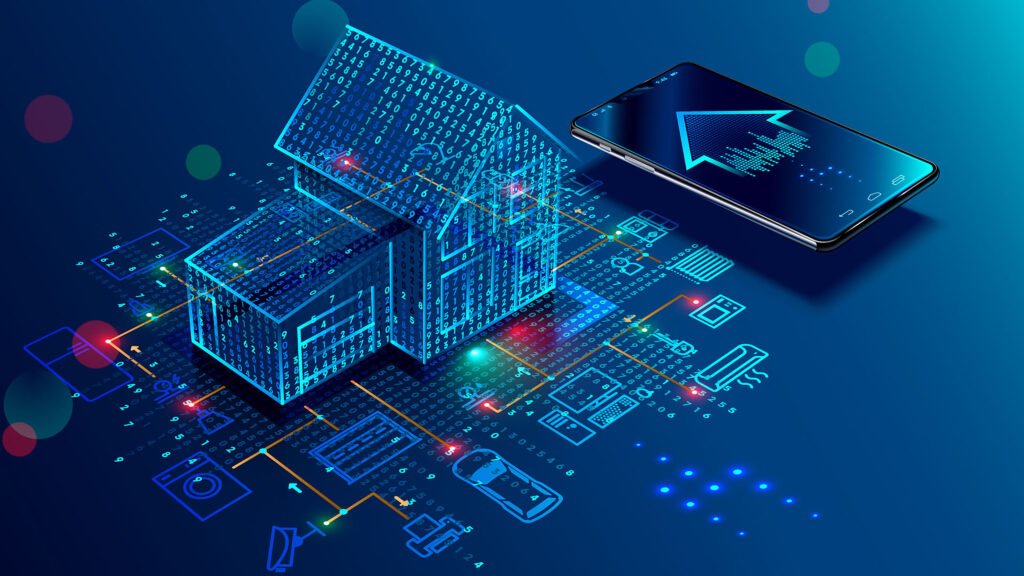
    Every piece of machinery, sensor, and worker device on a construction site can connect and exchange real-time data thanks to the Internet of Things. Imagine a project manager using a single dashboard to keep an eye on the concrete’s temperature, the operation of the machinery, and the use of safety gear.

    Businesses in Malaysia are utilizing IoT to:

    • Automatically monitor the upkeep and usage of machinery.
    • Wearables and smart helmets can be used to monitor worker safety.
    • Gather information that will help you anticipate problems before they arise.

    In addition to increasing productivity, this also enhances workplace safety, which is still a major concern in the sector.

    2. AI: The Mind Behind Contemporary Construction

    Construction

    Artificial intelligence is being used by construction managers to forecast project outcomes before the first brick is laid, and it’s not just for self-driving cars.

    To predict project delays, artificial intelligence (AI) tools can examine local traffic data, weather trends, and material costs. This data is being used by developers to better manage budgets and prevent downtime.

    In the meantime, real estate firms employ AI to forecast which neighborhoods will see increases in value or changes in market trends. This is how astute investors maintain their lead.

    Leading developers in Malaysia are already utilizing AI to reduce planning and logistics expenses by up to 30%. Imagine allowing your software to think more intelligently, and you could reduce project costs by almost a third.

    3. BIM: The Digital Blueprint That Can Be Shared

    If you have ever used a 3D design tool, you are already aware of the benefits of Building Information Modeling (BIM).

    BIM allows architects, engineers, and contractors to collaborate in real time using a single interactive 3D model. Anybody can immediately see the changes made to a wall design, including electrical engineers and interior designers.

    In Malaysia, BIM is now necessary for major projects. It is helping builders expedite approvals, reduce waste, and increase accuracy.

    Think of it as Google Docs for buildings, where everyone works together on the same document in real time.

    4. Cloud Computing: Cross-Border Collaboration
    Construction

    Do you recall the days of teams exchanging countless email threads with attachments? Those times are over.

    Everyone working on a project, whether in Johor, Kuala Lumpur, or abroad, can instantly access real-time data, blueprints, and reports thanks to cloud computing.

    For construction companies overseeing several projects concurrently, that is a significant concern. Transparency, quicker updates, and improved teamwork are made possible by the cloud, particularly as projects become more complicated.

    Cloud-based collaboration is also emerging as the new industry standard as a result of Malaysia’s growing high-speed internet coverage.

    5. Creating Green: Using Sustainability to Promote Your Business

    These days, sustainability is good business, not just good PR.

    In order to maximize energy use, Malaysian developers are increasingly utilizing solar panels, eco-friendly materials, and Internet of Things sensors. Businesses have been urged to create more intelligent, hygienic, and effective structures by the nation’s Green Building Index (GBI).

    Green buildings benefit homeowners and investors by lowering expenses and increasing property value in addition to saving the environment.

    Real-time occupancy data is now used by smart systems to regulate water use, lighting, and even air conditioning. It’s not just sustainability; it’s intelligence integrated into glass and concrete.

    6. View Your Property Before It’s Constructed with VR & AR

    Construction

    Purchasing real estate has always involved trust as well as creativity. Virtual reality (VR) and augmented reality (AR) eliminate the need for buyers to make educated guesses.

    In order to allow buyers to “walk” through every room of new condos before a single brick is laid, developers are now providing 360° virtual tours.

    Engineers can ensure precise alignment and fewer errors on construction sites by using augmented reality (AR) to superimpose digital designs onto the actual environment.

    It is revolutionary, particularly for international investors who wish to remotely investigate Malaysian real estate.

    7. Malaysia’s Future Vision for Smart Cities

    Smart cities driven by data and connectivity are a new trend that is being spearheaded by cities like Cyberjaya, Putrajaya, and Iskandar Malaysia.

    Here, AI systems monitor the health of the city in real time, smart grids optimize energy, and IoT networks control traffic. These initiatives aim to create interconnected, sustainable communities rather than merely improving infrastructure.

    Additionally, Malaysia’s real estate industry will continue to play a central role in realizing its Smart Nation vision by developing residences and businesses that are both environmentally conscious and technologically sophisticated.

    In summary, digital technology is the way of the future for real estate.

    Technology enhances human expertise rather than replaces it.

    With AI, IoT, cloud platforms, and sustainability forming a smarter future for everybody, Malaysia’s construction and real estate sector is about to enter a golden age of innovation.

    The question for developers, investors, and builders is not if they should use these tools, but rather how quickly they can do so.

    Sizaf Infocomm can assist you if you’re prepared to integrate digital intelligence into your real estate company.

    Speak with us now:

    Malaysia: +60 146600012

    USA: +1 516 880 9996

    Together, let’s build more intelligently.

  • Travel & Leisure in the Digital Era: How Internet Innovation Is Redefining Malaysian Tourism

    Travel & Leisure in the Digital Era: How Internet Innovation Is Redefining Malaysian Tourism

    Travel isn’t the same as it was in 2025, let’s face it.

    Paper maps and standing in long lines at the counter are things of the past. Nowadays, everything is done online, whether it’s traveling to Langkawi to book a resort, exploring Penang’s street cuisine, or organizing a rainforest hike in Sabah.

    The travel and leisure sector in Malaysia has experienced a significant digital revolution, facilitated by faster internet, smarter gadgets, and creative travel platforms. The tourism industry has become a tech-powered ecosystem that is faster, smarter, and more individualized than before due to the growth of mobile connectivity and digital experiences.

    1. Fast Internet: Essential to Contemporary Travel

    What enables travelers to post holiday updates or conduct destination searches? speed of the Internet.

    The introduction of 5G in Malaysia has fundamentally changed how tourists organize and enjoy their vacations. Travelers can navigate maps, stream videos, and share live experiences uninterrupted by lightning-fast connectivity. Instant communication, quicker check-ins, and real-time updates are what this means for hotels and travel agencies.

    Not only is high-speed internet convenient, but it also improves the user experience. From airports to homestays, travelers now demand that all service providers be digitally literate.

    2. AI, IoT, and Tailored Experiences in Smart Tourism

    Internet

    Malaysia’s tourism industry is literally becoming more intelligent.

    Nowadays, travel agencies can use AI (Artificial Intelligence) to customize itineraries according to the preferences of their customers. The Internet of Things, or IoT, makes it possible for hotel rooms to be connected, automatically changing the lighting, entertainment, and temperature when a visitor checks in.

    Consider this scenario: the system in a hotel room in Kuala Lumpur already knows your favorite music, breakfast time, and ideal room temperature when you arrive. That is internet-connected comfort driven by artificial intelligence.

    3. Virtual Tourism: Getting Around Without Leaving Your House

    Virtual tourism skyrocketed after the pandemic. These days, travelers can virtually explore places before going there thanks to high-speed broadband and VR (Virtual Reality).

    Popular tourist destinations like Pulau Redang and Genting Highlands are now accessible through 360° virtual tours offered by Malaysian tourism boards. In addition to encouraging travel, this lessens its negative effects on the environment by controlling overtourism and encouraging travel during off-peak times.

    4. Electronic wallets and digital payments: The cashless travel experience

    Internet

    Cashless payments are now commonplace when traveling because convenience is paramount.

    Travelers can now make payments instantly without carrying physical cash thanks to e-wallets like Touch ‘n Go, GrabPay, and DuitNow. Online payment systems have made it easy to book hotels, flights, and even local attractions.

    Malaysia is a smart tourism destination, and its cross-border e-wallet compatibility is a game-changer for foreign visitors.

    5. Content Production & Social Media: The Next Marketing Frontier

    TikTok travel vlogs and Instagram reels have replaced billboards as the primary means of marketing tourism.

    Real-time storytelling has been made possible by high-speed internet. Visitors do more than simply travel; they record, disseminate, and motivate others. This means that user-generated content can be used to promote local tourism businesses for free online.

    Through platforms like Instagram Reels and YouTube Shorts, tourists have become brand ambassadors, introducing the world to Malaysia’s culinary culture, natural beauty, and friendliness.

    6. Smart Technology for Sustainability

    Internet

    The combination of sustainability and the internet is propelling environmentally conscious travel.

    IoT sensors are now widely used in Malaysian resorts to control energy consumption, and AI-powered platforms are used to track carbon emissions. Through the analysis of visitor flow data, destinations can guarantee environmentally conscious tourism and lessen crowding.

    Sustainable travel is not merely a fad; it is quickly taking on a central role in the global leisure sector.

    7. The Travel Industry and Cloud Technology

     Every seamless trip is made possible by a strong cloud infrastructure.

    Travel agencies can scale their operations safely and effectively with cloud computing, which helps with everything from booking management to user data storage.  Malaysian airlines and hotel chains, for instance, use cloud systems for predictive analytics, which includes demand forecasting, route optimization, and offer personalization.

     By guaranteeing that data is always available, this technology speeds up operations and improves decision-making.

    Conclusion: Digital Technology Will Shape Travel and Leisure in the Future

    The travel and leisure sector in Malaysia is situated at the intersection of tourism and technology. AI, smart devices, and internet innovation are now essential to growth and are no longer optional.

    It means more individualized, safer, and richer experiences for travelers. It means increased global competitiveness and more intelligent operations for businesses.

    It’s time to embrace automation, smart solutions, and high-speed connectivity if your travel or leisure company wants to stay ahead in this digital age.

    To find out how our digital solutions can revolutionize your travel and leisure operations, get in touch with Sizaf Infocomm right now.

    Malaysia: +60 146600012

    USA: +1 516 880 9996

  • Nonprofit Organizations in the Digital Era: How Technology Is Redefining Impact in 2025

    Nonprofit Organizations in the Digital Era: How Technology Is Redefining Impact in 2025

    The 2025 Nonprofit Landscape

    Today, the nonprofit sector is about digital empowerment rather than just donations and volunteers. Nonprofits (NPOs) are adopting state-of-the-art technology in 2025 to better manage resources, interact with donors, and assess impact.

    Nonprofits are finally bringing compassion and innovation together with AI-powered fundraising platforms, intelligent donor management systems, and cloud-based collaboration tools. What came of it? increased long-term sustainability, accountability, and reach.

    1. Digital Transformation: Modern Nonprofits’ Foundation

    NonProfit

    The days when nonprofits only used physical campaigns or in-person events are long gone. Digital platforms are the lifeblood of outreach these days.

    CRM software, email automation, and social media have transformed one-time contributors into enduring partners. Platforms such as Zoho Creator and Salesforce Nonprofit Cloud allow organizations to:

    • Automate the tracking of donations
    • Simplify the administration of volunteers
    • Start specialized advertising campaigns
    • Give impact reports in real time.

    Digital transformation in Malaysia has made it possible for smaller nonprofits to inexpensively reach audiences across the country. These days, having a strong online presence is just as important as the cause.

    2. AI: Transforming Information for Social Benefit

    AI is no longer reserved for tech behemoths. Artificial intelligence (AI) algorithms are being used by nonprofits to forecast funding trends, examine donor behavior, and customize outreach efforts.

    Consider the following scenario: a charity uses AI to determine which areas require immediate medical supplies or which donors are most likely to make additional contributions. These realizations guarantee that every ringgit and dollar goes farther while also saving time and increasing efficiency.

    3. Cloud Computing and Tools for Collaboration

    NonProfit

    By 2025, a lot of nonprofit organizations will have hybrid teams operating in various locations. Real-time collaboration and centralized data storage are made possible by cloud platforms such as Asana, Microsoft 365, and Google Workspace.

    This change guarantees data security, which is a major worry for organizations that handle sensitive donor and beneficiary data, in addition to increasing productivity. Anywhere in the world, nonprofits can view dashboards that display real-time project progress, funding utilization, and volunteer hours thanks to cloud integration.

    Additionally, AI chatbots are transforming communication. The process is made more seamless and transparent by their prompt responses to donor inquiries, event registration management, and online donation form assistance.

    4. Storytelling in the Digital Era: Establishing Emotional Bonds

    While efficiency may be fueled by technology, empathy is fueled by storytelling.

    Contemporary nonprofit organizations are aware that telling stories via blogs, interactive posts, and videos fosters an emotional bond with viewers.

    The use of platforms such as YouTube Shorts, TikTok, and Instagram Reels is being used to showcase real-world impact, such as a healthcare initiative in rural Malaysia, a student receiving online scholarships, or a farmer empowered by digital literacy.

    By demonstrating the real impact that their contributions have, these testimonies foster greater loyalty and trust among donors.

    5. Blockchain Technology for Financial Transparency

    NonProfit

    The application of blockchain technology to improve donation transparency is another new trend.

    Blockchain technology makes it possible to track donations from giver to recipient, guaranteeing that money is spent as planned. Donor trust is increased as a result, particularly in a time when credibility is determined by accountability.

    Blockchain-using nonprofits are building a solid reputation for transparency and creativity, two qualities that are essential for enduring donor relationships.

    6. Education and Upskilling’s Role

    Nonprofits must be digitally literate to remain relevant. These days, a lot of Malaysian NGOs are spending money on educating their employees and volunteers in fields like digital marketing, data analytics, and cybersecurity.

    This guarantees sustainable project management in addition to empowering internal teams.

    Skills like coding, data visualization, and online fundraising are becoming as valuable as traditional management abilities as the boundaries between the tech and nonprofit sectors become more hazy.

    Looking Ahead: Nonprofits as Digital Goods Agents

    Organizations that combine technology and heart will be the ones of the future.

    Adopting AI, data analytics, and digital storytelling will help nonprofits continue to draw in corporate partnerships, international collaborations, and younger donors.

    Digital transformation is leveling the playing field in Malaysia and throughout Southeast Asia, enabling even small, locally based NGOs to have a significant worldwide impact.

    Conclusion

    What it means to do good has been redefined in the digital age. The nonprofit of today is tech-enabled, data-driven, and transparent, but its mission is fundamentally human.

    Technology should enable every organization to bring about tangible, quantifiable change, according to Sizaf Infocomm. Whether it’s cybersecurity, cloud integration, or digital transformation for social impact, our solutions enable nonprofits to confidently grow their missions.

    Get in touch with Sizaf Infocomm:

    Malaysia: +60 146600012
    USA: +1 516 880 9996

  • Digital Health & AI Learning in Malaysia: Transforming Education and Healthcare in 2025

    Digital Health & AI Learning in Malaysia: Transforming Education and Healthcare in 2025

    Imagine a medical student in Kuala Lumpur participating in a virtual anatomy lab via virtual reality (VR) or a student in rural Sabah practicing illness diagnosis on a tablet using an AI-driven app.

    That isn’t science fiction. Thanks to digital tools, artificial intelligence (AI), telemedicine, and online learning, that is what is currently occurring—and what Malaysia plans to do more of.

    Malaysia is welcoming a new era where learning, wellness, and technology complement one another to advance both fields as it implements its Future Education Blueprint 2026–2036 and speeds up digital health initiatives.

    The Trends Affecting Malaysian Health and Education

    Malaysia

     1. Artificial Intelligence and Digital Education

    Future educational reforms in Malaysia will prioritize AI and digital learning to improve accessibility and personalization in the classroom. The new Education Blueprint 2026-2036 will promote improved digital infrastructure, increased access to technology in both urban and rural schools, and the use of AI tools in the classroom.

    Platforms for adaptive learning are growing in popularity. These platforms help weaker students catch up while letting others go at their own pace by using artificial intelligence (AI) to modify lessons based on how students learn.

    2. Augmented Reality (AR), Virtual Reality (VR), and Simulation Education

    Without the use of cadavers or actual labs, medical education is using tools like virtual reality (VR) to teach anatomy and practice procedural simulations. As a result, learning becomes less limited by tangible resources and more immersive.

    In a similar vein, AR/VR training benefits healthcare professionals in patient handling, diagnostics, and surgical techniques. These resources lower risk and improve training effectiveness.

    3. Telemedicine & Education in Digital Health

    Malaysia is investing in digital health education programs to teach professionals health informatics, telemedicine, and remote patient monitoring. ICT, data analytics, and health science are all combined in the Bachelor of Digital Health program offered by IMU (International Medical University).

    The use of virtual consultations and telehealth is also growing. Remote diagnostics, health tracking apps, and cloud-based health records (EMR) are becoming more widespread, especially for underserved or rural populations.

    4. Integrated Health Records and Interoperability

    Malaysia presented plans for “One Individual, One Record” EMR infrastructure at HIMSS25 APAC in Kuala Lumpur. In order to efficiently access patient records, diagnostic histories, and treatments across hospitals and clinics, national interoperability is the aim.

    This benefits patients (better continuity of care, fewer errors) as well as students (learning with real data, case studies).

    Benefits: The Significance of This Integration

    Malaysia
    • Access & Equity: Patients and students in underserved or isolated areas can receive top-notch instruction and medical care. Physical infrastructure is not as necessary thanks to AI learning platforms, and telehealth cuts down on travel time for medical care.
    • Efficiency & Cost Reduction: Online consultations, digital patient records, virtual labs, and simulations lower overhead, diagnose and treat patients more quickly, and cut down on waiting times.
    • AI can adjust learning trajectories based on student performance, and the medical field can develop to customize treatment regimens by monitoring patient data and making recommendations.
    • Health professionals are more accustomed to AI, telemedicine, and data analysis, which prepares them for modern systems. Students pursuing health-related careers are also better trained in digital tools.

    Things to Be Aware of

    • Digital Divide: Despite policy efforts, a lot of rural areas still lack dependable devices or internet. We need to upgrade the infrastructure.
    • Training of Teachers and Health Workers: Teachers and health workers must be proficient in using tools for them to be effective. It is imperative that professionals receive ongoing training and development.
    • Ethical and Data Privacy Issues: AI transparency and bias ethics must be addressed, and laws such as the PDPA must be followed when handling student and health data, particularly when connected through AI.
    • Cost and Investment: Telemedicine platforms, EMR systems, and VR/AR labs all demand financial outlays; smaller clinics and institutions may find it difficult to purchase state-of-the-art equipment.
    • Regulatory & Policy Alignment: Policies need to keep up—curricula must be updated, health regulations need to accommodate telehealth and remote diagnosis, and cross-sector coordination is necessary.

    What Malaysia Is Doing / What Should Be Done

    Malaysia
    • The 2026–2036 Future Education Blueprint aligns education policy with equity, digital literacy, AI, and tech access.
    • Digital health projects are growing: Malaysia is developing health data systems, mobile health applications, and digital clinics. To install EMR systems and shorten patient wait times, public hospitals are investing.
    • Degree programs in Digital Health are being offered by institutions such as IMU in order to create a workforce that is proficient in both the tech and healthcare fields.

    What else could be done:

    • Increased public-private collaboration to lower rural tech adoption costs.
    • Government grants and subsidies for the purchase of VR/AR simulation equipment for clinics and schools.
    • AI in health and education is strictly regulated in terms of auditability, data security, and transparency.
    • courses on digital literacy for educators, medical professionals, and even parents.

    In conclusion, health + education equals a smarter Malaysia.

    Combining AI-powered education with digital health is more than just a fad. For Malaysia’s future, it is strategically essential.

    Malaysia can improve public health, create a workforce that is tech-savvy, lessen geographic disparities, and spur innovation and productivity by constructing systems that intelligently integrate healthcare and education.

     Let Sizaf Infocomm assist in making the process of integrating AI learning tools, telemedicine platforms, or virtual reality labs seamless and compliant for educational institutions, clinics, or health tech startups.

    Reach out to us right now:

    Malaysia: +60 146600012
    USA: +1 516 880 9996

    One digital innovation at a time, let’s create a healthier, more intelligent Malaysia.

  • AI-Powered Cybersecurity & 5G Expansion: Building Digital Trust in Malaysia’s Internet Future

    AI-Powered Cybersecurity & 5G Expansion: Building Digital Trust in Malaysia’s Internet Future

    Digital trust has emerged as the new currency of the online economy in 2025. These days, security and dependability go hand in hand whether you’re managing e-wallet payments, streaming movies, or operating a cloud-based company.

    Malaysia is boldly entering this new area by fusing 5G network expansion across the country with AI-powered cybersecurity to build a faster, smarter, and safer digital ecosystem. This development is changing not only how Malaysians communicate, but also how the country creates economic value online.

    Malaysia’s dedication to safe digital infrastructure is establishing its position as a regional tech powerhouse in ASEAN as cyber threats become more sophisticated and the demand for lightning-fast connectivity increases.

    Why Artificial Intelligence in Cybersecurity Is Revolutionizing Malaysia

    security

    Malaysia has seen an increase in the complexity and frequency of cybersecurity threats. Traditional security tools are no longer adequate due to the rise of data breaches, IoT vulnerabilities, and phishing attacks powered by AI. Malaysian companies are increasingly incorporating artificial intelligence into their security frameworks in order to counteract this.

    Nearly 90% of Malaysian companies are currently utilizing AI tools to improve cybersecurity operations, per a recent IDC survey. These systems are predictive as well as reactive. AI makes it possible to spot anomalies early on, spot odd behavior, and even stop breaches before they happen.

    Here are some ways that AI is transforming Malaysian cyber defense:

    • Predictive Analysis: AI programs can anticipate dangers before they materialize by learning from millions of data points.
    • Automation: By enabling quicker reaction times, machine learning lowers the likelihood of human error.
    • Behavioral analytics: AI keeps an eye on network traffic to spot anomalous activity that people might overlook.
    • Threat intelligence: To defend local networks against fresh attacks, algorithms examine patterns in global data.

    As Malaysian industries, including banking and healthcare, move toward cloud platforms and IoT-driven operations, these capabilities are becoming increasingly important.

    5G’s Potential to Improve Digital Security

    With the government recently approving a Dual Wholesale Network model to boost competition and innovation in the telecom industry, Malaysia’s 5G rollout is picking up speed. This action guarantees increased service reliability, reduced latency, and quicker coverage.

    However, what role does cybersecurity play in 5G? Actually, quite a bit.

    5G enables ultra-low latency data transfer, enabling real-time threat detection and prompt cyberattack response. High-speed networks enhance the efficacy of AI-driven monitoring systems.

    The ecosystem for digital security is strengthened by 5G expansion in the following ways:

    • Real-Time Protection: 5G’s low latency allows for immediate data analysis and anomaly warnings.
    • Safe Internet of Things Implementations: 5G guarantees secure, dependable connections as Malaysia’s smart cities and IoT networks expand.
    • Network redundancy: Enhanced connectivity builds multiple layers of data protection and minimizes downtime.
    • Business Continuity: 5G makes cloud backups and security services more effective, protecting vital operations.

    High-speed fiber and 5G networks are also becoming available in rural and underserved areas through national initiatives like JENDELA, which is an essential step toward inclusive digital transformation.

    5G and AI Together: A Potent Combination for Malaysia’s Digital Economy

    security

    Malaysia’s next economic boom is being driven by the convergence of AI and 5G. Together, they drive everything from digital healthcare and autonomous logistics to fintech advancements and smart agriculture.

    As an illustration,

    • AI-powered sensors linked by 5G networks identify system errors instantly in manufacturing, cutting down on downtime.
    • In the banking industry, banks rely on 5G networks to process safe mobile payments while using AI to instantly analyze transaction data.
    • 5G-enabled AI applications in healthcare enable remote diagnostics, allowing physicians to quickly evaluate patients in remote areas.

    Malaysia’s Digital Economy Blueprint (MyDIGITAL), which aims to become a high-income, innovation-led country by 2030, is supported by the combination of these technologies.

    What Businesses Must Do to Stay Ahead

    Great opportunity carries a great deal of responsibility. As digital transformation picks up speed, Malaysian companies need to take immediate action to safeguard their infrastructure and safely take advantage of 5G and AI.

    Your five-step checklist is as follows:

    1.Add Artificial Intelligence to Security Systems

    Use AI technologies, such as automated threat analysis and endpoint protection, for proactive defense.

    2.Analyze the 5G Network Readiness

    Verify the security of cloud systems, IoT devices, and hardware in handling fast 5G connectivity.

    3.Boost Governance and Data Privacy

    Respect Malaysia’s Personal Data Protection Act (PDPA) and embrace international security guidelines such as ISO 27001 instead.

    4.Pick Reliable Partners

    Focus on encryption, compliance, and open data handling when working with ISPs, cloud providers, and IT partners.

    5.Train Your Employees

    More than 80% of breaches are the result of human error. It is essential to regularly train staff members on phishing awareness and cyber hygiene.

    Real-World Impact: The Digital Transformation of Malaysia in Progress

    security

    Malaysia is already changing industries with its AI and 5G journey; it is not just a theoretical one.

    • Connectivity & Telecom: To improve 5G infrastructure and roll out next-generation cybersecurity systems, telcos such as CelcomDigi and U Mobile have teamed up with Huawei and ZTE.
    • E-commerce: To safeguard millions of transactions every day, platforms such as Lazada and Shopee are investing in AI-driven fraud detection tools.
    • Smart Cities: Projects in Kuala Lumpur and Penang regulate traffic, cut down on power waste, and improve security surveillance systems using AI and 5G.

    All of these instances demonstrate Malaysia’s increasing focus on digital trust, or the confidence that technology can be securely and quickly used.

    The Obstacles in the Way

    Challenges still exist despite advancements:

    • Making sure AI-driven decisions are equitable, open, and accountable is known as AI ethics.
    • Evolution of the Cyber Threat: Hackers are also creating more intelligent attacks with AI.
    • Infrastructure Gaps: A digital divide is possible because rural areas still lack 5G coverage.
    • Regulatory Overlap: With the emergence of several frameworks, businesses require clarification on compliance.

    Government, business, and academia must work together to solve these issues and present a unified front in order to protect Malaysia’s digital ecosystem.

    Digital Trust’s Future in Malaysia

    Going forward, Malaysia is expected to rank among the most digitally trusted countries in Southeast Asia. Automation, e-governance, education, and finance will all benefit from the convergence of AI, 5G, and cloud computing.

    In the upcoming five years, anticipate:

    • Stronger governance frameworks for AI guarantee morally sound and explicable algorithms.
    • edge AI adoption, which reduces security risks by processing data closer to the source.
    • New workforce development and cybersecurity standards are being driven by public-private partnerships.

    Along with boosting Malaysia’s economy, these developments will give its people access to safer and more intelligent digital experiences.

    Conclusion: Using Digital Trust to Build Malaysia’s Future

    5G expansion and AI-powered cybersecurity are not isolated trends; rather, they form the cornerstone of Malaysia’s smart internet future. In a world that is digitizing quickly, they stand for creativity, resiliency, and trust.

    Companies that adopt this change at an early stage will prosper. Delays will result in increased risks and missed opportunities.

    Sizaf Infocomm can help you navigate the digital landscape if your company is prepared to use next-generation technology to secure, modernize, and expand.

    Reach out to us right now:

    Malaysia: +60 146600012
    USA: +1 516 880 9996

    One network at a time, let’s create a Malaysia that is safe, connected, and trustworthy.

  • Sovereign Cloud Malaysia: Why AI Regulation Is Transforming Business Growth in 2025

    Sovereign Cloud Malaysia: Why AI Regulation Is Transforming Business Growth in 2025

    When companies could store data anywhere and run worldwide apps without worrying about regulations, the internet felt like the Wild West.

    That era is rapidly coming to an end.

    Malaysia’s digital economy is about to enter a new phase in 2025, one that will be characterized by regulations governing AI and sovereign cloud infrastructure. In the era of artificial intelligence, these changes are about more than just technology; they are about trust, security, and control.

    Through the establishment of the National AI Office in late 2024, the Malaysian government has made it clear that innovation and responsibility must coexist in the future of internet growth. And for local companies, that means knowing how ethical AI compliance and digital sovereignty will change how they do business online.

    How Does a Sovereign Cloud Work?

    Let’s take a look at it.

    Simply put, a sovereign cloud is a cloud infrastructure that is governed by local laws rather than international ones and where data is managed, stored, and controlled within national borders.

    This implies that your customer data, analytics, and digital assets can be retained in Malaysia, guaranteeing adherence to privacy and data residency laws.

    It changes the game, particularly for sectors like:

    • Banking and finance (which manage sensitive customer data)
    • Health care (where confidentiality of data is a given)
    • Public services (which depend on the confidence of citizens)

    Malaysia is creating a secure and compliant cloud ecosystem with cloud services like AWS Local Zones and Google Cloud’s sovereign partnership with DNeX.

    AI Regulation: The Upcoming Internet Revolution in Malaysia

    Sovereign

    As the use of AI grows, Malaysia is actively establishing moral and legal standards.

    To develop policies for AI governance, accountability, and transparency, the government established the National AI Office in December 2024.

    How does this affect companies?

    • It will soon be necessary to make sure your AI tools adhere to data ethics guidelines.
    • It may be necessary for businesses that use AI for advertising, hiring, or credit scoring to reveal the decision-making process of their algorithms.
    • Data gathered for AI training needs to follow privacy protection guidelines.

    In other words, the era of unchecked AI is over. Malaysia aims to guarantee that companies become more responsible as they become more intelligent.

    Why Companies Should Give a Thumbs Up

    Whether you are a manufacturer, logistics company, or tech startup, here are some reasons why this is important for your company:

    1. More robust data security and trust

    Cross-border data leaks and breaches are reduced with a sovereign cloud.

    Clients and business associates can be sure that their data remains under Malaysian control, which facilitates PDPA (Personal Data Protection Act) compliance.

    2. Improved Efficiency & Local Assistance

    Local data centers result in reduced latency, quicker load times, and better user experiences. The impact on financial apps and e-commerce platforms can be significant.

    3. Compliance for the Future

    Your company can save money by implementing AI-compliant and sovereign infrastructure early on.

    Malaysia’s strategy positions its businesses as globally competitive and compliant as regulations tighten globally (consider the GDPR in Europe and the Digital Personal Data Protection Act in India).

    Malaysia’s Intelligent Digital Transition: Practical Instances

    Sovereign

    Malaysia doesn’t wait for others to take the initiative. In 2024 and 2025, several milestones have marked its transformation:

    • Google Cloud x DNeX Partnership: Creating independent cloud services that provide world-class technology while safeguarding domestic data.
    • Google’s RM9.4 billion data center in Selangor: bolstering digital infrastructure and local cloud capacity.
    • The National AI Office is creating AI guidelines, credentials, and training courses to bring ethics and innovation together.

    These actions demonstrate Malaysia’s dedication to a “Smart Internet Economy,” where technology protects privacy and governance while also fostering growth.

    Future Difficulties: Juggling Innovation and Regulation

    Every revolution, of course, has its share of difficulties.

    Among the most urgent ones are:

    • Infrastructure Costs: It is costly to build sovereign clouds locally, and smaller cloud providers might find it difficult to compete.
    • Talent Gaps: Cloud, AI, and cybersecurity engineers are still in short supply in Malaysia.
    • Over-Regulation Risks: It can be challenging to strike the correct balance between innovation and compliance.

    However, these are the growing pains of a high-aiming country. Malaysia is building long-term resilience against cyber threats and data misuse as it fortifies its digital backbone.

    What Companies Can Do Now

    Sovereign

    Here are some tips for business owners and IT executives to get ready for Malaysia’s upcoming digital phase:

    ✅Conduct a Cloud Infrastructure Audit

    Recognize the location of your data. If it’s being held abroad, make plans to switch to local or hybrid models.

    ✅ Use AI Cautionously

    Make use of explainable, transparent AI models. Steer clear of black-box systems that might pose regulatory risks.

    ✅ Select the Proper Technology Supplier

    Collaborate with regional cloud and managed IT providers, such as Sizaf Infocomm, who are knowledgeable about both technical and regulatory environments.

    ✅ Make investments in data governance and cybersecurity

    Make compliance a component of your brand trust strategy rather than just a checkbox.

    In the Long Run: A More Intelligent Malaysia

    With the emergence of autonomous cloud and AI regulations, Malaysia is moving toward a genuinely digital economy.

    Creating a smarter, safer, and more sustainable internet ecosystem is more important than merely improving technology.

    Setting the standard for Southeast Asia, Malaysia is putting data sovereignty, AI ethics, and local innovation first.

    Conclusion: The Future Belongs to Smart, Compliant Businesses

    Connection has always been a key component of the internet, but in 2025, connections should be wise, safe, and moral.

    Malaysia’s AI governance and sovereign cloud initiatives are models for long-term digital development, not obstacles.

    Early adopters will not only comply but also prosper in the trust economy.

    📞 Are you prepared to use intelligent, compliant solutions to update your digital infrastructure?

    Sizaf Infocomm can be reached right now:

    Malaysia: +60 146600012

    USA: +1 516 880 9996

  • The Smart Internet Economy: How Digital Connectivity Is Driving Malaysia’s GDP Growth

    The Smart Internet Economy: How Digital Connectivity Is Driving Malaysia’s GDP Growth

    The internet has changed over the last ten years from a tool for communication to a significant force behind the expansion of the national economy. This change is occurring in Malaysia more quickly than before. In addition to bringing people together, the nation’s investments in 5G infrastructure, cloud computing, and digital transformation are building a more intelligent and robust economy.

    These days, digital services, e-commerce, fintech, and smart manufacturing—all of which are fueled by dependable, fast connectivity—are influencing Malaysia’s GDP more and more. The outcome? Malaysians’ work, shopping, education, and business-building practices are being transformed by a “Smart Internet Economy.”

    Malaysia’s Smart Internet Economy’s Ascent

    The digital revolution in Malaysia has not happened by chance. By means of programs such as MyDIGITAL and the National Fourth Industrial Revolution (4IR) Policy, the government hopes to establish Malaysia as a leader in digital innovation in the region.

    By 2030, the internet economy is predicted to account for a substantial increase in Malaysia’s GDP, which currently stands at over 20%. Connectivity is the foundation of advancement, whether it is small online retailers using Shopee and TikTok Shop or large industries adopting IoT for automation.

    Access is only one aspect of the Smart Internet Economy; intelligence is another. It’s the marriage of data, cloud, and connectivity that increases national competitiveness, streamlines industries, and empowers people.

    The Way Digital Connectivity Drives Business Development

    economy

    1. Supporting Startups and SMEs

    Over 90% of businesses in Malaysia are small and medium-sized enterprises (SMEs). These businesses can compete globally by embracing cloud-based tools, online payments, and digital marketing with ease thanks to faster internet.

    Even small businesses now have access to platforms like digital storefronts, AI-powered CRM tools, and e-invoicing systems, which enable them to grow without incurring significant upfront costs.

    2. Improving Online Shopping and Digital Services

    Every year, Malaysians spend billions of dollars on e-commerce, which is still growing. Apps for food delivery and e-wallets like Touch ‘n Go, Boost, and GrabPay have made transactions easier and faster thanks to 5G and fiber connectivity.

    Data analytics and artificial intelligence are enhancing customer experiences, logistics, and personalization behind the scenes, increasing efficiency and revenue.

    3. Facilitating Intelligent Industry and Manufacturing 4.0

    Real-time monitoring, predictive maintenance, and automated quality control are made possible in the manufacturing industry by the combination of cloud computing and Internet of Things devices. This has boosted output, decreased waste, and decreased downtime, all of which have directly boosted productivity.

    Industrial IoT (IIoT)-powered smart factories are rapidly emerging as a major force behind Malaysia’s smart industrial strategy, facilitating the transition from labor-based to knowledge-based manufacturing.

    The Contribution of IoT and Cloud to GDP Growth

    Digital connectivity on its own is insufficient; the technologies that are developed on top of it have the greatest influence.

    • Without incurring significant infrastructure costs, cloud computing enables Malaysian businesses to expand internationally.
    • From energy grids to agriculture, the Internet of Things (IoT) is revolutionizing everything by bringing efficiency and insight to more established industries.
    • AI-powered analytics increase productivity and profitability by assisting companies in making data-driven decisions.

    The Malaysia Digital Economy Corporation (MDEC) estimates that by 2030, the digital economy could boost Malaysia’s GDP by up to RM 200 billion, demonstrating the success of wise internet investments.

    Creating an Inclusive Digital Nation

    economy

    In a truly intelligent economy, people come before profits. In order to ensure that no one is left behind, Malaysia is pursuing nationwide connectivity through initiatives like smart village initiatives and the expansion of rural broadband.

    Students, farmers, and small traders are being given access to previously unattainable opportunities through new fiber and 5G projects from Sabah to Kedah. Through its ability to facilitate remote work, e-health, and education, internet access has improved economic inclusion and strengthened the social fabric.

    The Obstacles in the Way

    Great connectivity, of course, carries great responsibility. Addressing issues such as these is essential to Malaysia’s digital future.

    • Threats to cybersecurity in e-commerce and digital payments
    • Data privacy issues as companies gather and keep more personal data
    • Digital skill gaps, particularly among older and rural populations

    Continued investment in digital literacy, security frameworks, and inclusive policies that make the internet economy advantageous for everyone is necessary for Malaysia to maintain the momentum.

    The Part Sizaf Infocomm Plays in Malaysia’s Development of Smart Internet

    economy

    Sizaf Infocomm is aware that every intelligent solution is built on a solid foundation of connectivity. From start-ups to major corporations, our goal is to assist Malaysian companies in utilizing internet technology, managed IT services, and digital transformation tactics that complement the country’s growth objectives.

    The knowledge, dependability, and local knowledge required to thrive in the new digital economy are offered by Sizaf, whether you’re updating your company’s infrastructure or creating a scalable cloud network.

    In conclusion, the future of Malaysia lies in the smart internet economy.

    The message is unambiguous: the internet is now more than just a useful tool; it is the catalyst for Malaysia’s upcoming economic boom. Through the adoption of 5G, IoT, and cloud technologies, Malaysia is opening up new avenues for innovation, employment growth, and international competitiveness.

    The Smart Internet Economy has arrived and is revolutionizing all industries, including farming and finance.

    👞 Ready to use intelligent internet solutions to grow your business?

    Reach out to Sizaf Infocomm right now:

    Malaysia: +60 146600012

    USA: +1 516 880 9996

  • The Internet of Agriculture: How IoT and Cloud Tech Are Boosting Malaysian Farming Efficiency

    The Internet of Agriculture: How IoT and Cloud Tech Are Boosting Malaysian Farming Efficiency

    From rice and aquaculture to palm oil and rubber, agriculture has always been the foundation of Malaysia’s economy. However, the narrative has evolved beyond tractors and fertilizers in 2025. Drones, data, connectivity, and sensors are all involved.

    Now, let’s talk about the Internet of Agriculture, a movement that helps farmers do more with less thanks to cloud computing and the Internet of Things. Sabah’s livestock health and Kedah’s paddy fields’ soil moisture levels are just two examples of how smart agriculture is transforming Malaysia’s food production.

    It’s not a far-flung dream. In actual farms all around the nation, it is currently taking place.

    How IoT Is Changing Farming in Malaysia

    There would be no guesswork or needless travel if a farmer could use his phone to check the condition of his crops.

    IoT enables this through intelligent sensors that gather data in real time, including:

    • The pH and moisture content of the soil
    • Forecasts for the weather and precipitation
    • Assessing crop health using infrared imaging
    • Patterns of movement and feeding of livestock

    AI or cloud dashboards are used to analyze this data after it has been sent over the internet. What was the outcome? Data-driven decision-making enables farmers to save resources, water, and time.

    Initiatives like Smart Farming 4.0 and AgroTech Malaysia are already encouraging the adoption of IoT in Malaysia, assisting smallholders in increasing productivity while lessening their environmental impact.

     Cloud Computing’s Potential in Agriculture

    Agriculture
    Farmer Plantation checking quality by tablet agriculture modern technology Concept. Smart farming, using modern technologies in agriculture. Man agronomist farmer with digital tablet computer.

    Cloud technology transforms the data into intelligence while IoT collects it.

    Cloud platforms enable agricultural enterprises and farmers to:

    • Safely store and examine farm data.
    • You can view reports on any device.
    • Work together in real time with agronomists, buyers, and suppliers.

    For instance, when soil moisture falls below ideal levels, a cloud-based system can notify a farmer, setting off an IoT-powered automated irrigation system.

    Thanks to collaborations with service providers like AWS, Google Cloud, and Huawei Cloud Malaysia, the number of agri-tech startups in Malaysia utilizing the cloud is increasing quickly. Even smaller farms can afford digital transformation thanks to these platforms.

    Precision Farming: Agricultural Knowledge, Not Work

    Precision agriculture, which directs resources precisely where they are needed, is being adopted by Malaysia with the help of IoT and cloud analytics.

    Sensors make sure that only dry soil is irrigated, rather than a whole field. Before they spread, drones can detect pest outbreaks. By using fertilizers precisely, waste and pollution are reduced.

    This efficiency not only raises yields but also supports Malaysia’s National Agrofood Policy (NAP 2.0) objective of sustainable farming.

    According to a perceptive farmer in Perak,

    “We once depended on experience. We now rely on data, and it is profitable.

     IoT in Livestock & Fisheries

    Agriculture

    Malaysian agriculture includes fisheries and livestock in addition to crops.

    • Animal location and health are tracked in real time by smart collars.
    • IoT aquaculture systems keep an eye on the water’s temperature, pH, and oxygen content for fish farming.
    • Optimal harvest windows, disease risks, and feeding schedules can all be predicted with the aid of cloud analytics.

    Particularly important for Malaysia’s expanding seafood export market, these innovations decrease loss, enhance animal welfare, and increase output.

     Actual Case: Digital Paddy Fields

    Pilot projects are testing IoT irrigation systems in Kedah’s paddy fields, which modify water flow according to weather forecasts and soil data.

    What these systems have demonstrated:

    • A 30% decrease in water consumption
    • 15% increases in crop yields
    • Reduced fertilizer expenses

    In the future, data will take the place of conjecture.

    Technology-Assisted Sustainable Agriculture

    Agriculture

    Unpredictable rainfall, soil degradation, and climate change are some of the environmental issues Malaysia is dealing with. Solutions for smart agriculture that balance sustainability and productivity are provided by IoT and cloud computing:

    • Optimizing the use of fertilizer and water
    • lowering farm machinery’s carbon emissions
    • Supporting farm-to-fork traceability

    Malaysia is helping to achieve global climate resilience goals in addition to providing food for its people by digitizing agriculture.

     The Intelligent Agriculture Industry

    Beyond farms, smart agriculture is opening up new markets in:

    • Sensor devices are being developed by agri-tech startups.
    • Services for cooperatives using data analytics
    • Cloud service providers and government partners

    By 2027, it’s predicted that Malaysia’s smart agriculture market will be worth over RM 1.5 billion, thanks to investments in data solutions, IoT infrastructure, and connectivity.

    This growth portends a new era for tech firms like Sizaf Infocomm, one in which connectivity serves as the cornerstone of long-term advancement.

    The Way Ahead

    Agriculture in Malaysia will be digital in the upcoming ten years.

    Drones, AI analytics, and apps will be used by farmers to remotely manage fields. To make sure no community is left behind, 5G and satellite internet will be used to connect rural areas.

    But the trip requires:

    • Farmers receive ongoing digital training.
    • Inexpensive IoT infrastructure
    • Public-private collaborations for innovation

    If Malaysia keeps going in this direction, it will combine modern technology with tradition to become a leader in smart agriculture in the region.

    Conclusion: Using Sizaf Infocomm to Get Smarter

    Smart farming is about creating a connected, effective, and sustainable agricultural future, not just about technology.

    Whether it’s through cloud analytics, connectivity networks, or Internet of Things solutions, we at Sizaf Infocomm think that every farm can gain from digital transformation.

    📞 Are you prepared to go digital with your agribusiness? Let’s talk today:

    • Malaysia: +60 146600012
    • USA: +1 516 880 9996

    How do you feel about smart agriculture? Are farmers prepared for the Internet of Things revolution? Comment below with your thoughts.

  • The Future of Connectivity: How 6G Internet Will Transform Malaysia’s Digital Economy

    The Future of Connectivity: How 6G Internet Will Transform Malaysia’s Digital Economy

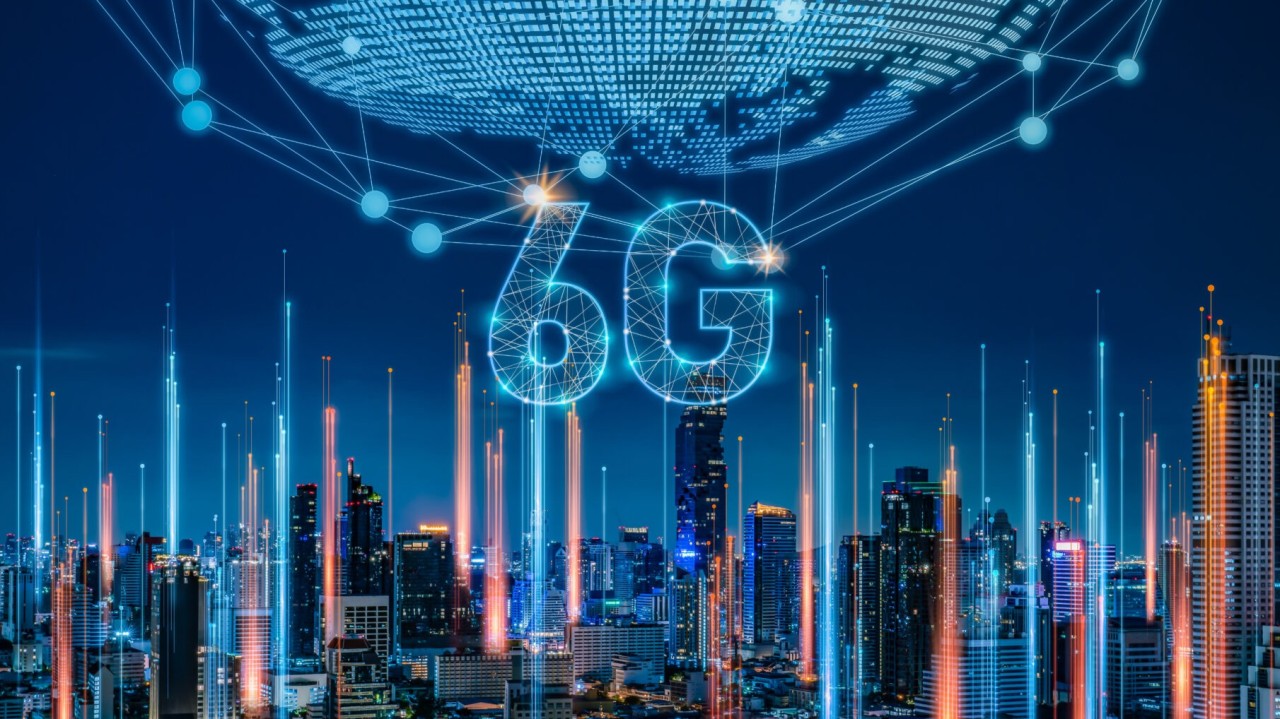
    Recall how 4G altered smartphone usage among Malaysians. Then 5G arrived—faster, smarter, and revolutionary. The next big thing, though, is even more exciting: 6G Internet.

    With a global rollout anticipated by 2030 (and testing in some Asian countries by 2026), 6G is more than just a speed boost. A world where devices communicate in microseconds, industries operate on real-time intelligence, and internet speeds surpass expectations is a total reinvention of connectivity.

    This next evolution may bring about borderless innovation, smarter cities, and a digital economic boom for Malaysia. Let’s examine how the digital landscape of the country will change as a result of 6G.

    6G Internet: What Is It?

    The sixth generation of mobile connectivity, or 6G, is anticipated to provide:

    • speeds of up to 100 times faster than 5G, or 1 Tbps.
    • 1 microsecond of ultra-low latency makes it ideal for real-time applications.
    • networks driven by AI—connections that optimize and repair themselves.
    • integration with satellite networks, AR/VR, and the Internet of Things.

    To put it briefly, 6G will build an intelligent internet ecosystem that includes smarter communication in all industries in addition to faster browsing.

    The Digital Ambition of Malaysia

    Malaysia

    With the help of the Digital Nasional Berhad (DNB) initiative, Malaysia has already made remarkable progress toward the deployment of 5G. However, the country’s Digital Economy Blueprint (MyDIGITAL) demonstrates a distinct goal:

    “To establish Malaysia as a leader in digital innovation and connectivity in the region.”

    In order to get ready for the transition, Malaysian universities and telecom companies are investing in R&D collaborations with tech behemoths like Huawei, Ericsson, and ZTE as 6G research gets underway worldwide.

    Why? Because 6G will drive Malaysia’s next economic revolution in addition to improving connectivity.

    Smart Cities: The First Beneficiaries

    Assume that Kuala Lumpur is a smart city with complete connectivity:

    • traffic systems that instantly and automatically adapt to traffic jams.
    • waste management that makes effective use of IoT sensors.
    • AI-powered surveillance systems for public safety that provide immediate emergency responses.

    All of this will be made possible by 6G’s seamless connections between millions of devices and instant data transmission.

    IoT-based solutions are being integrated into cities like Johor Bahru and Cyberjaya as part of Malaysia’s Smart City Framework in anticipation of this smart leap.

    Industry 4.0 and Manufacturing Improvement

    Malaysia

    The production and engineering sectors in Malaysia stand to gain the most from 6G.

    With the incredibly low latency of 6G, engineers will be able to use digital twins, automated robotics, and remote operations to virtually manage entire factories.

    Pharmaceutical companies, for example, could use real-time supply chain tracking with predictive analytics, and logistics companies could save millions of dollars in fuel and time by using AI-powered route optimization.

    In conclusion, 6G will revolutionize accuracy and productivity in Malaysia’s industrial base.

    The Evolution of Fintech and Digital Banking

    Financial systems will experience previously unheard-of security and speed thanks to 6G.

    • Even across borders, transactions will take place in real time.
    • Applications on the blockchain will integrate more effectively.
    • Fraud detection powered by AI will become instantaneous.

    With reliable, fast mobile networks, 6G may provide new avenues for Malaysia’s Islamic finance industry to provide inclusive, transparent, and moral financial products to underserved areas.

    Cloud gaming, augmented reality, and entertainment

    Malaysia
    • Entertainment will become more interactive and immersive in the 6G era.
    • On mobile devices, cloud gaming will function flawlessly and without lag.
    • Events and holographic concerts will be streamed in three dimensions.

    With 6G’s enormous bandwidth, virtual tourism may enable users to visit Malaysia’s islands from any location in the world.

    By drawing in digital nomads and international partnerships, this could benefit the travel and creative media sectors.

    Medical Care and Remote Medicine

    6G will transform healthcare as well. In Malaysia, telemedicine, AI diagnostics, and remote surgeries will become commonplace due to its almost zero latency.

    The ability of doctors to control robotic instruments from hundreds of kilometers away is a significant advancement for the accessibility of healthcare in rural areas.

    IoT-enabled medical devices will also continuously check patients’ vitals, enabling preventative care and cutting down on hospital stays.

    Sustainable and Eco-Friendly Internet

    Malaysia

    It’s interesting to note that 6G is being developed with sustainability and energy efficiency in mind.

    • AI will be used to optimize network power usage.
    • Encourage renewable energy sources and smart grids.
    • Promote carbon-neutral digital infrastructure, which is strongly encouraged by Malaysia’s Green Technology Master Plan.

    Because of this, 6G is not only quick but also future-proof.

    Obstacles to Come

    • The 6G transition won’t be simple.
    • The cost of infrastructure will be huge.
    • Cybersecurity architectures need to change.

    Inclusion is necessary in rural areas to stop the digital divide from growing.

    Malaysia can, however, overcome these obstacles with forethought, as it did with 5G. It will be crucial for government, telecom, and tech companies to work together.

    The Way Ahead

    More than just an improvement, 6G is a doorway to the intelligent age.

    IoT, automation, and AI-ready networks are investments that businesses should begin making as Malaysia gets ready for this change.

    Malaysia could become a digital powerhouse in ASEAN by 2030, with 6G enabling everything from AI governance systems to self-driving cars.

    Prepare for the Future with Sizaf Infocomm

    Now is the time to get ready for the 6G revolution.

    How well you integrate with the next wave of digital connectivity will determine how successful your business is, regardless of your industry—manufacturing, finance, logistics, or healthcare.

    In line with Malaysia’s vision for 6G and beyond, Sizaf Infocomm assists businesses in implementing intelligent, safe, and future-ready digital solutions.

     Let’s talk about building your digital future today:

    • Malaysia: +60 146600012
    • USA: +1 516 880 9996

    Which innovation excites you the most, 6G-driven healthcare, AI-powered finance, or smart cities? Comment below!

  • Media & Advertising in Malaysia: How Digital Transformation Is Shaping the Future

    Media & Advertising in Malaysia: How Digital Transformation Is Shaping the Future

    Consider your most recent advertisement. Was it broadcast on television? Or was it on your phone while you were browsing YouTube or Instagram? It was probably digital.

    Media and advertising in Malaysia are going through one of the most significant changes in history. Brands can now reach consumers in more ways than ever before, from influencer campaigns and TikTok reels to classic billboards along Federal Highway. The catch is that audiences are more intelligent, connected, and challenging to win over.

    In this clamorous, digital-first environment, how can companies differentiate themselves? by accepting the new guidelines for advertising and the media.

    1. Malaysia’s Transition from Traditional to Digital Advertising

    The focus of Malaysian advertising not too long ago was:

    • commercials on Astro TV.
    • Berita Harian or The Star newspaper ads.
    • highways with outdoor billboards.

    But today? The discourse has changed to the internet. In Malaysia, digital advertisements make up over 60% of total ad spending. For what reason? due to the fact that people are there.

    • Malaysians use the internet for eight hours every day on average.
    • Platforms that dominate attention include Facebook, Instagram, and TikTok.
    • Since e-commerce has grown (Shopee, Lazada), advertisements are now directly related to purchases.

    Brands can now target, track, and customize advertisements in ways that were previously impossible with traditional media thanks to this change.

    2. The New Battleground for Advertising: Social Media

    Media

    In Malaysia, you’re already behind if you’re not using social media for advertising.

    • With TikTok Malaysia’s explosive growth, short videos are now the most efficient way to connect with Millennials and Gen Z.
    • Ads on Facebook and Instagram continue to rule due to their accurate targeting.
    • For video narratives, YouTube continues to rule.

    Not to mention influencer marketing. Authentic voices are more trusted by Malaysians than expensive advertisements, from local food bloggers to lifestyle TikTokers. Influencer partnerships help brands increase their reach and foster trust.

    3. Data-Driven Marketing: It’s All About Customization

    People don’t detest advertisements, let’s face it. Ads that are irrelevant are hated by them.

    For this reason, data has become the new currency of advertising.

    Malaysian companies can use AI-driven analytics, Google Ads, and Meta Ads Manager to:

    • Monitor customer behavior.
    • Show advertisements according to location, browsing history, and interests.
    • Customers who abandoned carts can be retargeted.

    Ads that feel more intimate, less invasive, and have a higher conversion rate are the end result.

    4. Programmatic Advertising’s Ascent

    Media

    In Malaysia, programmatic advertising is revolutionizing the industry. Brands purchase advertisements in real time through AI-powered platforms rather than haggling with media companies.

    Advantages consist of:

    • Efficiency: Advertisements are immediately displayed where the target audience is.
    • Reach the appropriate person at the appropriate moment by using targeting.
    • Optimization: AI modifies advertising to improve results.

    Because programming levels the playing field, even small businesses are now competing with large brands.

    5. Ingenious Storytelling Continues to Succeed

    The golden rule remains the same despite all the technology: advertisements must tell compelling stories.

    The most effective advertisements in Malaysia make an emotional connection, whether it’s:

    • a family-values-focused Hari Raya advertisement.
    • a Merdeka campaign honoring solidarity.
    • A brand video that provokes thought, emotion, or laughter.

    Malaysians want to feel a connection to the brand, not just purchase it. Because of this, even in a world that is driven by data, impact is still driven by creativity.

    6. Difficulties in Malaysia’s Advertising and Media Environment

    Media

    Of course, there are difficulties with this change:

    • Ad Fatigue: Every day, Malaysians are inundated with advertisements.
    • Ad blockers: Ads are skipped or blocked by younger audiences.
    • Privacy Issues: Tighter laws, such as the PDPA, restrict the use of data.
    • Platforms that are fragmented: TikTok, YouTube, Facebook, Instagram, and Google must all have brands.

    Advertisers must strike a balance between using creativity to stand out and data to target in order to succeed.

    7. Media and Advertising’s Future in Malaysia

    Look forward to significant changes:

    • Tools that produce advertisements, pictures, and videos are examples of AI-powered creativity.
    • Voice search advertising: Making it compatible with Alexa, Google Assistant, and Siri.
    • Advertisements for AR and VR: Picture virtually trying on clothing before purchasing.
    • Sustainable marketing: Customers favor companies that uphold environmentally conscious principles.

    Malaysian advertising will undoubtedly be data-driven, creative, and digital-first.

    In conclusion, the trust element

    In the end, trust is more important than technology in the media and advertising industries.

    Brands must be genuine, open, and relatable in order to appeal to Malaysian consumers. Brands that connect with people will win, whether it’s through a personalized email campaign, a heartfelt Hari Raya ad, or a viral TikTok.

    For Malaysian companies, now is the time to reconsider their advertising tactics in order to stand out and be remembered.

    👞 Need professional assistance with online marketing? 

    Reach out to Sizaf Infocomm right now:

    • Malaysia: +60 146600012
    • USA: +1 516 880 9996