
Recently, if you’ve passed a new construction site in Kuala Lumpur, you’ve undoubtedly noticed that it no longer appears to be the same dusty scene.
A significant digital revolution is taking place in Malaysia’s construction and real estate sector, from AI-powered project management tools to IoT-enabled equipment. Smart technologies are being used by developers, builders, and real estate investors to create faster, safer, and more environmentally friendly structures.
As Malaysia advances its sustainable housing plans and smart city initiatives, the distinction between digital innovation and physical construction is rapidly fading.
1. Connecting the Construction Industry with the Internet of Things (IoT)
The emergence of IoT (Internet of Things) is one of the most significant changes in the construction sector.
Every piece of machinery, sensor, and worker device on a construction site can connect and exchange real-time data thanks to the Internet of Things. Imagine a project manager using a single dashboard to keep an eye on the concrete’s temperature, the operation of the machinery, and the use of safety gear.
Businesses in Malaysia are utilizing IoT to:
- Automatically monitor the upkeep and usage of machinery.
- Wearables and smart helmets can be used to monitor worker safety.
- Gather information that will help you anticipate problems before they arise.
In addition to increasing productivity, this also enhances workplace safety, which is still a major concern in the sector.
2. AI: The Mind Behind Contemporary Construction
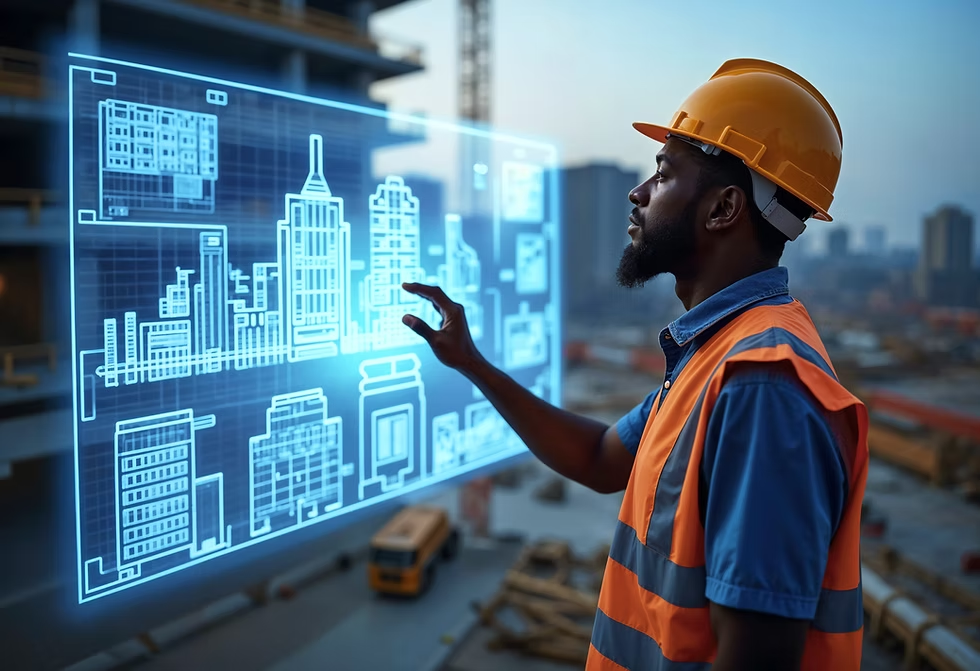
Artificial intelligence is being used by construction managers to forecast project outcomes before the first brick is laid, and it’s not just for self-driving cars.
To predict project delays, artificial intelligence (AI) tools can examine local traffic data, weather trends, and material costs. This data is being used by developers to better manage budgets and prevent downtime.
In the meantime, real estate firms employ AI to forecast which neighborhoods will see increases in value or changes in market trends. This is how astute investors maintain their lead.
Leading developers in Malaysia are already utilizing AI to reduce planning and logistics expenses by up to 30%. Imagine allowing your software to think more intelligently, and you could reduce project costs by almost a third.
3. BIM: The Digital Blueprint That Can Be Shared
If you have ever used a 3D design tool, you are already aware of the benefits of Building Information Modeling (BIM).
BIM allows architects, engineers, and contractors to collaborate in real time using a single interactive 3D model. Anybody can immediately see the changes made to a wall design, including electrical engineers and interior designers.
In Malaysia, BIM is now necessary for major projects. It is helping builders expedite approvals, reduce waste, and increase accuracy.
Think of it as Google Docs for buildings, where everyone works together on the same document in real time.
4. Cloud Computing: Cross-Border Collaboration
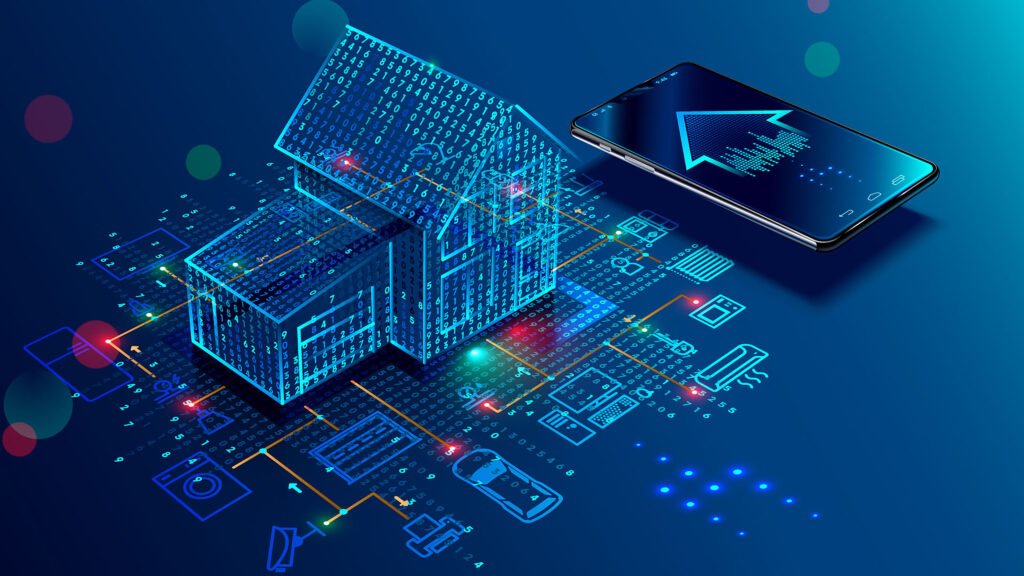
Do you recall the days of teams exchanging countless email threads with attachments? Those times are over.
Everyone working on a project, whether in Johor, Kuala Lumpur, or abroad, can instantly access real-time data, blueprints, and reports thanks to cloud computing.
For construction companies overseeing several projects concurrently, that is a significant concern. Transparency, quicker updates, and improved teamwork are made possible by the cloud, particularly as projects become more complicated.
Cloud-based collaboration is also emerging as the new industry standard as a result of Malaysia’s growing high-speed internet coverage.
5. Creating Green: Using Sustainability to Promote Your Business
These days, sustainability is good business, not just good PR.
In order to maximize energy use, Malaysian developers are increasingly utilizing solar panels, eco-friendly materials, and Internet of Things sensors. Businesses have been urged to create more intelligent, hygienic, and effective structures by the nation’s Green Building Index (GBI).
Green buildings benefit homeowners and investors by lowering expenses and increasing property value in addition to saving the environment.
Real-time occupancy data is now used by smart systems to regulate water use, lighting, and even air conditioning. It’s not just sustainability; it’s intelligence integrated into glass and concrete.
6. View Your Property Before It’s Constructed with VR & AR

Purchasing real estate has always involved trust as well as creativity. Virtual reality (VR) and augmented reality (AR) eliminate the need for buyers to make educated guesses.
In order to allow buyers to “walk” through every room of new condos before a single brick is laid, developers are now providing 360° virtual tours.
Engineers can ensure precise alignment and fewer errors on construction sites by using augmented reality (AR) to superimpose digital designs onto the actual environment.
It is revolutionary, particularly for international investors who wish to remotely investigate Malaysian real estate.
7. Malaysia’s Future Vision for Smart Cities
Smart cities driven by data and connectivity are a new trend that is being spearheaded by cities like Cyberjaya, Putrajaya, and Iskandar Malaysia.
Here, AI systems monitor the health of the city in real time, smart grids optimize energy, and IoT networks control traffic. These initiatives aim to create interconnected, sustainable communities rather than merely improving infrastructure.
Additionally, Malaysia’s real estate industry will continue to play a central role in realizing its Smart Nation vision by developing residences and businesses that are both environmentally conscious and technologically sophisticated.
In summary, digital technology is the way of the future for real estate.
Technology enhances human expertise rather than replaces it.
With AI, IoT, cloud platforms, and sustainability forming a smarter future for everybody, Malaysia’s construction and real estate sector is about to enter a golden age of innovation.
The question for developers, investors, and builders is not if they should use these tools, but rather how quickly they can do so.
Sizaf Infocomm can assist you if you’re prepared to integrate digital intelligence into your real estate company.
Malaysia: +60 146600012
USA: +1 516 880 9996
Together, let’s build more intelligently.
Leave a Reply