Author: Shumaila

  • Why Every Business Needs a Digital Backup Plan Before Disaster Strikes

    Why Every Business Needs a Digital Backup Plan Before Disaster Strikes

    Your Business Data Is More Valuable Than You Think

    Imagine walking into work tomorrow and discovering that years of customer records, financial documents, project files, and business data have simply vanished.

    No warning.

    No second chance.

    Just gone.

    Most business owners don’t spend much time thinking about this scenario because it feels unlikely.

    After all, data loss happens to other companies, right?

    The reality is very different.

    Data can disappear due to cyberattacks, hardware failures, accidental deletion, software corruption, natural disasters, or even simple human error.

    And when it happens, the consequences can be devastating.

    That’s why businesses in 2026 are investing heavily in Digital Backup Plans, Cloud Backup Solutions, and Disaster Recovery Services.

    Not because they expect disaster—but because they know it’s better to be prepared than surprised.

    The Growing Importance of Data in Modern Business

    Take a look around any modern workplace.

    Almost everything is digital now.

    Customer information.

    Invoices.

    Contracts.

    Emails.

    Marketing campaigns.

    Employee records.

    Financial reports.

    Business applications.

    For many companies, data has become one of their most valuable assets.

    In fact, losing critical business data today can be just as damaging as losing physical inventory or equipment.

    Without access to information, daily operations can quickly grind to a halt.

    What Is a Digital Backup Plan?

    business

    A Digital Backup Plan is a strategy that ensures your business data can be recovered if something goes wrong.

    Think of it as an insurance policy for your information.

    Instead of relying on a single storage location, backups create copies of important data that can be restored when needed.

    A strong backup strategy typically includes:

    ✅ Regular backups

    ✅ Secure storage locations

    ✅ Cloud-based protection

    ✅ Automated backup schedules

    ✅ Disaster recovery procedures

    The goal is simple: make sure your business can continue operating even when unexpected problems occur.

    Why Businesses Lose Data More Often Than You Think

    Many people assume data loss only happens during major cyberattacks.

    The truth is that some of the biggest causes are surprisingly ordinary.

    Human Error

    We’ve all done it.

    Accidentally deleting a file.

    Saving over an important document.

    Removing data that wasn’t meant to be removed.

    Simple mistakes remain one of the leading causes of data loss worldwide.

    Hardware Failures

    Hard drives don’t last forever.

    Servers eventually fail.

    Storage devices can become corrupted.

    Even the best equipment has a lifespan.

    Without backups, recovering lost information can be difficult—or impossible.

    Cyberattacks and Ransomware

    Cybercriminals know that business data is valuable.

    That’s why Ransomware Attacks continue to rise.

    In many cases, attackers encrypt company data and demand payment to restore access.

    Businesses with secure backups can often recover their information without paying a ransom.

    Natural Disasters

    Floods.

    Fires.

    Power outages.

    Storm damage.

    Physical infrastructure can be affected by events completely outside your control.

    Having offsite or cloud-based backups helps protect your business when local systems are impacted.

    Why Cloud Backup Solutions Are Becoming Essential

    business

    A few years ago, businesses often relied on external hard drives or onsite servers.

    Today, Cloud Backup Solutions have changed the game.

    Instead of storing backup data in a single location, businesses can securely store information in the cloud.

    Benefits include:

    Accessibility

    Data can often be recovered from virtually anywhere.

    Scalability

    Storage can grow alongside your business needs.

    Security

    Modern cloud platforms include advanced encryption and protection measures.

    Automation

    Backups can happen automatically without requiring manual intervention.

    This means less stress and fewer opportunities for human error.

    The Real Cost of Not Having a Backup Plan

    Many businesses don’t invest in backups because they see it as an unnecessary expense.

    Ironically, not having a backup plan is often far more expensive.

    Imagine losing:

    • Customer databases
    • Financial records
    • Project files
    • Contracts
    • Operational systems

    The financial impact can be significant.

    But there’s also the cost of downtime.

    Missed deadlines.

    Lost customers.

    Damaged reputation.

    These hidden costs often exceed the price of implementing a proper backup strategy.

    Disaster Recovery: More Than Just Backups

    While backups are important, they’re only one part of the equation.

    Disaster Recovery Services focus on how quickly a business can return to normal after a disruption.

    A good recovery plan answers questions like:

    • How quickly can data be restored?
    • Which systems are most critical?
    • Who is responsible during an emergency?
    • How will operations continue during downtime?

    Having backups is important.

    Knowing how to use them effectively is equally important.

    Signs Your Business Needs a Better Backup Strategy

    business

    Not sure if your current approach is enough?

    Here are a few warning signs:

    •  Backups are performed manually.
    •  You haven’t tested data recovery recently.
    • Important files exist in only one location.
    •  Employees store business data on personal devices.
    • There is no documented disaster recovery process.

    If any of these sound familiar, it may be time to review your strategy.

    Emerging Trends in Data Protection for 2026

    Technology continues to evolve, and backup solutions are becoming smarter.

    Some of the biggest trends include:

    AI-Powered Data Protection

    Artificial intelligence can identify unusual activity and help prevent data loss before it occurs.

    Cyber Resilience Planning

    Businesses are focusing on recovering quickly rather than simply preventing attacks.

    Multi-Cloud Backup Strategies

    Organizations are using multiple cloud providers to reduce risk.

    Automated Disaster Recovery

    Recovery processes are becoming faster and more efficient through automation.

    Final Thoughts: Hope for the Best, Prepare for the Worst

    Nobody likes thinking about disasters.

    But every successful business understands the importance of preparation.

    A strong Digital Backup Plan isn’t about expecting something bad to happen.

    It’s about ensuring your business can continue operating if it does.

    Technology can fail.

    People can make mistakes.

    Cyberattacks can occur.

    But with the right strategy in place, those events don’t have to become business-ending disasters.

    Because when it comes to protecting your data, preparation is always cheaper than recovery.

    How Sizaf Infocomm Can Help

    At Sizaf Infocomm, we help businesses implement reliable Cloud Backup Solutions, Disaster Recovery Services, and secure IT infrastructure designed to keep critical business data protected.

    🌐 Visit: https://sizaf.com

    📞 Malaysia: +60 146600012
    📞 USA: +1 516 880 9996

  • The Hidden Cost of Weak Cybersecurity: What Every Business Should Know in 2026

    The Hidden Cost of Weak Cybersecurity: What Every Business Should Know in 2026

    The Hidden Cost of Weak Cybersecurity: A Problem Many Businesses Don’t See Coming

    Let’s be honest.

    When most business owners think about growth, they focus on sales, customers, marketing, and expanding their services.

    Rarely does anyone wake up in the morning excited to invest in Cybersecurity.

    It often feels like one of those things you can deal with later.

    Until something goes wrong.

    A suspicious email gets opened.

    A company account gets compromised.

    Customer information is exposed.

    Systems suddenly become inaccessible.

    And in that moment, cybersecurity stops being an IT issue and becomes a business crisis.

    The reality in 2026 is simple: businesses are more connected than ever before, but they’re also more vulnerable. Whether you’re running an online store, a healthcare organization, a logistics company, or a professional service firm, protecting your digital assets has become just as important as protecting your physical ones.

    Why Cybersecurity Matters More Than Ever Today

    Think about how much of your business now lives online.

    Your customer database.

    Your financial records.

    Your employee information.

    Your emails.

    Your cloud applications.

    Your business operations.

    Now imagine losing access to all of it for just one day.

    Sounds stressful, right?

    That’s exactly why Cybersecurity Solutions have become a necessity rather than a luxury.

    A single security incident can lead to:

    • Lost revenue
    • Operational downtime
    • Customer dissatisfaction
    • Compliance issues
    • Reputation damage

    And unfortunately, these incidents are becoming increasingly common.

    Cybercriminals Aren’t Just Targeting Large Corporations

    cyber

    One of the biggest myths in business is:

    “We’re too small to be targeted.”

    Unfortunately, cybercriminals don’t always look for the biggest companies.

    They often look for the easiest targets.

    Small and medium-sized businesses are frequently attacked because they may have:

    • Limited security resources
    • Outdated software
    • Weak password practices
    • Minimal employee training

    To a hacker, an unprotected small business can be just as attractive as a large corporation.

    Sometimes even more so.

    The Most Common Cyber Threats Businesses Face in 2026

    Technology keeps evolving.

    Unfortunately, so do cyber threats.

    Here are some of the biggest risks businesses are facing right now.

    Phishing Attacks Are Getting Smarter

    We’ve all received those strange emails.

    A package delivery notification.

    A fake invoice.

    An urgent request from a “manager.”

    Years ago, these scams were easy to spot.

    Today?

    Not so much.

    Modern phishing attacks are becoming incredibly convincing thanks to Artificial Intelligence (AI) and automation.

    One click on a malicious link can potentially expose sensitive business information.

    Ransomware Continues to Be a Major Threat

    Imagine arriving at work and discovering that every important file has been locked.

    You can’t access customer information.

    You can’t process orders.

    You can’t continue normal operations.

    Then a message appears demanding payment.

    That’s ransomware.

    And it’s still one of the most damaging forms of cybercrime affecting businesses worldwide.

    Data Breaches Can Damage Customer Trust

    Customers trust businesses with their personal information.

    Names.

    Phone numbers.

    Email addresses.

    Payment details.

    If that information falls into the wrong hands, the financial impact can be significant.

    But often, the loss of trust hurts even more.

    Customers remember businesses that protect their data.

    They also remember those that don’t.

    The Hidden Costs Most Businesses Never Consider

    cyber

    When people hear about cyberattacks, they usually think about stolen money.

    But that’s often only part of the story.

     Lost Productivity

    If employees can’t access systems, work comes to a halt.

    Projects get delayed.

    Customer requests pile up.

    Deadlines are missed.

    The longer systems remain unavailable, the greater the business impact becomes.

     Damage to Reputation

    Building trust takes years.

    Losing it can happen overnight.

    Customers want confidence that their information is safe.

    A security breach can make them question whether they should continue doing business with your company.

     Unexpected Recovery Costs

    After a cyber incident, businesses often need to spend money on:

    • System restoration
    • Security upgrades
    • Legal consultations
    • Compliance reviews
    • External cybersecurity specialists

    These expenses can quickly exceed what preventive security measures would have cost in the first place.

    Why Businesses Are Investing More in Cybersecurity Than Ever

    The conversation around cybersecurity has changed dramatically.

    Businesses are no longer asking:

    “Will we be targeted?”

    Instead, they’re asking:

    “Are we prepared if it happens?”

    This shift is driving investments in:

    AI-Powered Security

    Cloud Security

    Zero Trust Security

    Threat Detection Systems

    Managed Security Services

    Organizations understand that prevention is far less expensive than recovery.

    How AI Is Changing Cybersecurity

    One of the biggest technology trends in 2026 is AI-Powered Cybersecurity.

    Modern security platforms can now:

    • Detect suspicious behavior in real time
    • Identify unusual login activity
    • Monitor network traffic continuously
    • Automatically respond to certain threats

    Instead of waiting for humans to discover problems, AI helps organizations respond faster and more effectively.

    It’s like having a security team working around the clock.

    Simple Steps Every Business Can Take Today

    cyber

    The good news?

    Improving security doesn’t always require a huge budget.

    Small actions can make a significant difference.

     Use Strong Passwords and Multi-Factor Authentication

    A strong password is good.

    A strong password plus Multi-Factor Authentication (MFA) is even better.

     Keep Software Updated

    Many cyberattacks exploit known vulnerabilities.

    Regular updates help close those security gaps.

     Train Employees Regularly

    Technology alone can’t solve every problem.

    Employees are often the first line of defense.

    Regular security awareness training can prevent many common attacks.

     Back Up Critical Data

    Reliable backups can dramatically reduce the impact of ransomware and accidental data loss.

     Monitor Your Systems

    The sooner a threat is identified, the easier it is to contain.

    Continuous monitoring has become an essential part of modern Business Cybersecurity strategies.

    The Future of Cybersecurity

    Cybersecurity is evolving rapidly.

    Over the next few years, businesses can expect to see increased adoption of:

    • Zero Trust Security
    • AI-Powered Threat Detection
    • Cloud Security Solutions
    • Identity and Access Management
    • Security Automation
    • Advanced Data Protection Technologies

    As digital transformation continues, security will become even more deeply integrated into everyday business operations.

    Final Thoughts: Cybersecurity Is About More Than Technology

    Here’s something many people overlook.

    Cybersecurity isn’t really about firewalls, software, or complicated technical systems.

    At its core, cybersecurity is about trust.

    It’s about protecting your customers.

    Protecting your employees.

    Protecting your reputation.

    And protecting everything you’ve worked hard to build.

    The businesses that thrive in 2026 won’t necessarily be the ones with the biggest budgets.

    They’ll be the ones that understand the value of being prepared.

    Because in today’s digital world, strong Cybersecurity, Data Protection, and Network Security aren’t optional.

    They’re part of doing business.

    How Sizaf Infocomm Can Help

    At Sizaf Infocomm, we help businesses strengthen their digital defenses with reliable Managed IT Services, Cloud Security Solutions, Network Security Services, and proactive cybersecurity strategies.

    🌐 Visit: https://sizaf.com

    📞 Malaysia: +60 146600012
    📞 USA: +1 516 880 9996

  • Network Services in 2026: Why Every Modern Business Needs a Smarter, Faster, and More Secure Network

    Network Services in 2026: Why Every Modern Business Needs a Smarter, Faster, and More Secure Network

    Have you ever noticed how we only think about the internet when it stops working?

    One minute you’re attending an online meeting, accessing cloud files, replying to customers, or processing online orders. The next minute, everything freezes.

    Suddenly, productivity drops.

    Customers get frustrated.

    Employees start asking, “Is the internet down?”

    The truth is, most businesses don’t realize how important their network is until something goes wrong.

    In today’s digital world, Network Services are no longer just an IT requirement—they’re the backbone of business operations. Whether you’re running an online store, managing remote teams, handling customer data, or embracing digital transformation, your network determines how efficiently your business operates.

    And in 2026, network technology is evolving faster than ever.

    Why Network Services Matter More Than Ever

    Think about how businesses worked ten years ago.

    Most employees worked from the office.

    Files were stored locally.

    Cyber threats were less sophisticated.

    Fast forward to today:

    • Teams work remotely and globally.
    • Businesses rely on Cloud Computing.
    • Customers expect instant responses.
    • Cyberattacks happen every day.
    • AI-powered tools require stable connectivity.

    Without a reliable network, even the best business strategy can struggle.

    A strong network isn’t just about speed anymore.

    It’s about security, reliability, scalability, and business continuity.

    What Are Network Services?

    Services

    Simply put, network services allow devices, applications, and users to communicate and share information securely.

    These services include:

    ✅ Cloud Networking

    ✅ Managed Network Services

    ✅ Network Security Solutions

    ✅ Virtual Private Networks (VPNs)

    ✅ Wi-Fi Infrastructure Management

    ✅ Data Center Networking

    ✅ Software-Defined Networking (SDN)

    These systems work quietly in the background, ensuring your business runs smoothly every single day.

    Top Network Service Trends Businesses Are Following in 2026

    The networking landscape is changing rapidly. Here are the biggest trends driving the future of business connectivity.

    1. AI-Powered Network Management Is Becoming the New Standard

    One of the hottest technology trends in 2026 is Artificial Intelligence in Networking.

    Imagine having a network that can identify problems before users even notice them.

    That’s exactly what AI is helping businesses achieve.

    Modern AI-driven networks can:

    • Detect unusual traffic patterns
    • Predict potential failures
    • Automatically optimize performance
    • Reduce downtime
    • Strengthen security

    Instead of constantly reacting to problems, businesses can now prevent them.

    This proactive approach saves both time and money.

     2. Cloud Networking Continues to Dominate

    Cloud adoption is still accelerating worldwide.

    Businesses want flexibility.

    Employees want remote access.

    Customers expect seamless online experiences.

    That’s why Cloud Networking Solutions have become essential.

    Benefits include:

    • Lower infrastructure costs
    • Improved collaboration
    • Better scalability
    • Simplified management
    • Faster deployment

    Whether it’s a startup or a large enterprise, cloud-first strategies are becoming the norm.

     3. Cybersecurity Is No Longer Optional

    Let’s face it.

    Cybercriminals aren’t slowing down.

    From ransomware attacks to phishing scams, businesses face threats every day.

    That’s why modern network services now integrate Cybersecurity Solutions directly into network architecture.

    Key security trends include:

    • Zero Trust Security
    • Endpoint Protection
    • AI Threat Detection
    • Network Access Control
    • Multi-Factor Authentication (MFA)

    The goal is simple:

    Trust no one automatically and verify everything.

    This approach significantly reduces security risks.

     4. 5G Connectivity Is Accelerating Business Innovation

    service

    The expansion of 5G Technology is changing how businesses connect and operate.

    Compared to previous generations, 5G delivers:

    • Faster speeds
    • Lower latency
    • Greater reliability
    • Improved mobile connectivity

    This creates opportunities for:

    • Smart manufacturing
    • IoT devices
    • Remote healthcare
    • Autonomous systems
    • Smart cities

    Businesses investing in 5G-ready infrastructure today are preparing themselves for the future.

     5. Edge Computing Is Reducing Delays

    Nobody likes waiting.

    That’s why businesses are increasingly embracing Edge Computing.

    Instead of sending all data to distant servers, edge computing processes information closer to where it’s generated.

    Benefits include:

    • Faster response times
    • Reduced bandwidth usage
    • Better user experiences
    • Real-time decision making

    Industries such as logistics, healthcare, manufacturing, and retail are already seeing significant improvements.

    How Strong Network Services Improve Customer Experience

    Customers may never ask about your network.

    But they definitely notice when it’s not working properly.

    A reliable network helps deliver:

    Faster Websites

    Nobody waits for a slow website anymore.

    Better Customer Support

    Video calls, live chats, and customer portals depend on strong connectivity.

    Secure Transactions

    Customers want assurance that their information is protected.

    Consistent Online Experiences

    Whether shopping online or accessing services, customers expect everything to work smoothly.

    A strong network helps make that happen.

    Why More Businesses Are Choosing Managed Network Services

    Services

    Managing a modern network can be overwhelming.

    There are security threats, software updates, performance issues, and growing infrastructure demands.

    That’s why businesses are turning to Managed Network Services Providers.

    These experts help with:

    • 24/7 monitoring
    • Network optimization
    • Security management
    • Troubleshooting
    • Performance improvements

    Instead of spending time fixing technical issues, businesses can focus on growth and innovation.

    The Future of Network Services

    Looking ahead, networking will become even smarter.

    We’re moving toward:

    • Self-Healing Networks
    • AI-Driven Automation
    • Quantum-Safe Security
    • Software-Defined Infrastructure
    • Advanced IoT Integration

    The businesses that invest in modern networking today will be better prepared for tomorrow’s opportunities.

    Final Thoughts: Your Network Is More Important Than You Think

    Let’s be honest.

    Most people never wake up excited about network infrastructure.

    It’s not as flashy as Artificial Intelligence or as exciting as the latest gadgets.

    But here’s the reality:

    Every email sent.

    Every online purchase made.

    Every cloud application accessed.

    Every customer interaction completed.

    All of it depends on a reliable network.

    That’s why businesses in 2026 are paying closer attention to AI-powered networking, cloud infrastructure, cybersecurity, and managed network services than ever before.

    Because when your network performs well, everything else becomes easier.

    And when it doesn’t?

    The entire business feels it.

    How Sizaf Infocomm Supports Modern Businesses

    At Sizaf Infocomm, we help organizations build secure, scalable, and future-ready network infrastructures designed for today’s digital world.

    Our solutions include:

    ✅ Managed IT Services
    ✅ Cloud Solutions
    ✅ Network Security Services
    ✅ Infrastructure Management
    ✅ Digital Transformation Support

    🌐 Visit: https://sizaf.com
    📞 Malaysia: +60 146600012
    📞 USA: +1 516 880 9996

  • Why Great Content Alone Isn’t Enough Anymore: The New Reality of Web & Media Services in 2026

    Why Great Content Alone Isn’t Enough Anymore: The New Reality of Web & Media Services in 2026

    Have You Ever Visited a Website and Left Within Seconds?

    Most of us have.

    Maybe the page took too long to load.

    Maybe it looked outdated.

    Maybe you couldn’t find what you were looking for.

    Whatever the reason, you clicked away and moved on.

    Now think about this:

    How many people are doing the same thing to business websites every single day?

    Probably more than we realize.

    Today, before someone calls a company, buys a product, or sends an enquiry, they usually do one thing first:

    They search online.

    They visit a website.

    They check social media.

    They read reviews.

    And within just a few moments, they’ve already formed an opinion.

    That’s why a business’s online presence has become one of its most valuable assets.

    In many cases, it’s the first impression customers will ever have.

    And as we all know, first impressions matter.

    Your Website Never Takes a Day Off

    Think about it.

    Your office may close at the end of the day.

    Your team may log off after work.

    But your website keeps working.

    Twenty-four hours a day.

    Seven days a week.

    Someone could visit your website at midnight and decide whether they trust your business.

    They could be reading about your services while you’re asleep.

    They could be comparing you with competitors right now.

    That’s the power of a well-designed website.

    It becomes one of the hardest-working parts of your business.

    People Expect Fast Answers Today

    Let’s be honest.

    Nobody likes waiting.

    We expect information instantly.

    If a website takes too long to load, many visitors simply leave.

    If pages are confusing, people get frustrated.

    If information is difficult to find, customers move on.

    The reality is that online users have more choices than ever before.

    And because of that, businesses need websites that are:

    • Fast
    • Easy to navigate
    • Mobile-friendly
    • Informative
    • Reliable

    A good website doesn’t just look nice.

    It makes life easier for visitors.

    Being Online Isn’t the Same as Being Visible

    Web

    Many businesses believe that once they launch a website, customers will automatically find them.

    Unfortunately, it doesn’t work that way.

    The internet is crowded.

    Every day, thousands of businesses compete for attention online.

    That’s where Search Engine Optimization (SEO) becomes important.

    SEO helps businesses improve their visibility so potential customers can find them when searching online.

    Because even the most beautiful website won’t help much if nobody sees it.

    Content Has Become the New Way Businesses Build Trust

    Years ago, companies relied heavily on traditional advertising.

    Today, customers want something different.

    They want useful information.

    They want answers.

    They want advice.

    That’s why blogs, articles, videos, guides, and social media content have become such important parts of business growth.

    When businesses create helpful content, they show expertise without aggressively selling.

    And honestly, people are far more likely to trust businesses that educate them rather than constantly trying to sell to them.

    Social Media Changed How Customers Connect With Brands

    Not long ago, social media was mostly about connecting with friends.

    Today, it’s one of the first places customers go to learn about businesses.

    People use social platforms to:

    • Discover brands
    • Ask questions
    • Read reviews
    • Watch videos
    • Follow updates

    Customers often judge a company’s professionalism based on its online activity.

    An active social media presence helps businesses stay visible and relevant.

    But consistency matters.

    Showing up once a month isn’t enough anymore.

    Video Is Becoming One of the Most Powerful Forms of Content

    Web

    Look at how people consume information today.

    Short videos.

    Product demonstrations.

    Tutorials.

    Behind-the-scenes content.

    Video has become one of the fastest ways to capture attention online.

    People often prefer watching a one-minute video over reading a long explanation.

    That’s why businesses across every industry are investing more in video content.

    Because attention is valuable — and video earns attention quickly.

    Customer Experience Matters More Than Ever

    A website isn’t only about design.

    It’s about how people feel when they use it.

    Can visitors find information easily?

    Does the website work well on mobile devices?

    Are pages loading quickly?

    Is the content helpful?

    Every small interaction shapes customer perception.

    And honestly, people remember frustrating experiences much longer than positive ones.

    That’s why businesses that focus on user experience often build stronger relationships with customers.

    Security Is Something Customers Expect

    Many people don’t think about website security until something goes wrong.

    But customers trust businesses with their information every day.

    Whether they’re filling out contact forms, making purchases, or sharing personal details, they expect that information to remain secure.

    A secure website doesn’t just protect data.

    It protects trust.

    And trust is one of the most valuable things a business can earn online.

    Technology Is the Foundation Behind Every Great Digital Experience

    Behind every successful website is reliable technology.

    Strong digital experiences rely on:

    • Reliable hosting
    • Fast networks
    • Secure systems
    • Cloud technology
    • Ongoing maintenance

    Without these foundations, even great content can struggle to perform.

    That’s why businesses increasingly invest in strong digital infrastructure to support long-term growth.

    Why Businesses Are Investing More in Web & Media Services

    Web

    The way customers discover businesses has changed dramatically.

    Today, people learn about companies through:

    • Search engines
    • Websites
    • Blogs
    • Videos
    • Social media
    • Online reviews

    Every digital interaction shapes customer perception.

    That’s why Web & Media Services have become far more than marketing tools.

    They’re now essential business tools.

    They help businesses:

    • Reach new audiences
    • Build trust
    • Improve visibility
    • Strengthen customer relationships
    • Support long-term growth

    How Sizaf Infocomm Helps Businesses Strengthen Their Digital Presence

    As businesses continue competing online, having a strong digital foundation is becoming increasingly important.

    Sizaf Infocomm supports organizations through:

    • Web Development Services
    • Digital Media Services
    • Managed IT Services
    • Cloud Computing Solutions
    • Cybersecurity Solutions
    • Digital Infrastructure Management

    Helping businesses build digital experiences that are:

    ✔ Professional
    ✔ Secure
    ✔ Scalable
    ✔ Customer-focused

    Final Thoughts

    The internet has changed how people discover, evaluate, and interact with businesses.

    Today, a website is often the first conversation a customer has with a brand.

    A blog can build trust.

    A video can capture attention.

    A social media post can start a relationship.

    And a strong digital presence can open doors to opportunities that weren’t possible before.

    The businesses that stand out online aren’t always the biggest.

    They’re often the ones that understand their audience, provide value, and create experiences people genuinely enjoy.

    Because in today’s digital world, being online isn’t enough.

    Being memorable is what truly matters.

    🚀 Ready to Strengthen Your Online Presence?

    If you’re looking to improve your website, digital content, online visibility, or customer experience, Sizaf Infocomm can help you build a stronger and more effective digital presence.

    🌐 Visit: https://sizaf.com
    📞 Malaysia: +60 146600012

    📞 USA: +1 516 880 9996 

  • Why Businesses With Strong IT Infrastructure Are Growing Faster in 2026

    Why Businesses With Strong IT Infrastructure Are Growing Faster in 2026

    Businesses Don’t Usually Notice Their Technology Problems Until Everything Starts Slowing Down

    Let’s be honest.

    Most businesses don’t wake up one morning and suddenly decide:

    “We should improve our IT infrastructure today.”

    Usually, the realization comes after something goes wrong.

    Maybe:

    • The internet suddenly becomes unstable
    • Employees can’t access important files
    • Systems slow down during busy hours
    • Customers complain about delays
    • A security issue appears unexpectedly

    And suddenly, everyone realizes how much the business depends on technology.

    The truth is, many companies still see IT as something sitting quietly in the background.

    But honestly?

    In 2026, technology quietly affects almost every single part of a business — even when people don’t notice it.

    Modern Businesses Depend on Technology More Than Ever Before

    A few years ago, businesses could survive with very basic systems.

    Simple internet connections.
    Manual paperwork.
    Basic office software.

    Now?

    Almost everything runs digitally.

    Teams communicate online.
    Files are stored in the cloud.
    Meetings happen virtually.
    Customers expect instant responses.

    And honestly, the moment systems slow down, the entire business feels the pressure almost immediately.

    Because today, speed and reliability matter more than ever.

    This Is Why Managed IT Services Are Becoming So Important

    Businesses

    A lot of businesses spend too much time reacting to technical problems instead of preventing them.

    That’s where Managed IT Services are changing things.

    Instead of constantly fixing issues after they happen, businesses now want systems that are:

    • Stable
    • Secure
    • Monitored properly
    • Maintained regularly

    Because honestly, business owners don’t want to spend their day worrying about servers, downtime, or system failures.

    They want technology that quietly works in the background without creating stress.

    The Cloud Quietly Changed How Businesses Operate

    Most people use cloud systems every day without even thinking about it.

    Businesses now rely heavily on:

    And honestly, the cloud completely changed workplace flexibility.

    Employees can now:

    • Work from home
    • Access files remotely
    • Collaborate across different locations
    • Stay connected more easily

    But none of this works smoothly without strong digital infrastructure supporting it.

    Cybersecurity Became Everyone’s Problem — Not Just the IT Team’s

    Businesses

    This part matters a lot.

    Because cyber threats today don’t only target large corporations anymore.

    Small and medium businesses are becoming targets too.

    Modern companies store:

    • Customer data
    • Financial information
    • Internal business records
    • Operational systems

    And without strong Cybersecurity Solutions, businesses can become vulnerable very quickly.

    Honestly, one security issue can create:

    • Financial loss
    • Operational disruption
    • Customer trust problems
    • Long-term damage to the business reputation

    That’s why companies are investing more in:

    • Real-time monitoring
    • Secure cloud systems
    • Firewall protection
    • Smarter security infrastructure

    Because prevention is always easier than recovery.

    Employees Notice Bad Systems Faster Than Businesses Realize

    This is something many companies underestimate.

    Employees notice poor technology immediately.

    Slow systems create frustration.
    Unstable internet affects productivity.
    File access issues waste time.

    And honestly, when employees constantly struggle with technical problems, work becomes exhausting very quickly.

    That’s why businesses with stronger digital systems often create smoother and less stressful work environments overall.

    Customers Expect Businesses To Feel Faster Now

    Customer expectations changed massively over the last few years.

    People now expect:

    • Fast responses
    • Smooth websites
    • Quick communication
    • Reliable online services

    And honestly, customers lose patience very quickly when systems feel outdated or slow.

    That’s why technology now directly affects customer experience more than many businesses realize.

    Downtime Quietly Costs Businesses More Than They Think

    Businesses

    Sometimes businesses only focus on visible financial losses.

    But technical downtime creates hidden problems too.

    Things like:

    • Delayed communication
    • Reduced productivity
    • Missed opportunities
    • Frustrated employees
    • Poor customer experiences

    And honestly, even small technical issues can create larger operational problems over time.

    That’s why reliable Digital Infrastructure Management matters so much today.

    Data Became One of the Most Valuable Parts of Modern Business

    Businesses now generate huge amounts of information daily.

    Data about:

    • Customers
    • Sales
    • Operations
    • Team performance
    • Market behavior

    And companies using smarter systems can turn this information into better decisions much faster.

    That’s why technologies like:

    …are becoming increasingly important.

    Because better information helps businesses react faster and plan smarter.

    Good Technology Usually Goes Unnoticed — And That’s Actually a Good Thing

    This part is interesting.

    When systems work properly, people rarely think about them.

    Employees simply work smoothly.
    Customers get faster experiences.
    Communication feels easier.
    Operations stay stable.

    And honestly, that quiet reliability is exactly what strong IT infrastructure is supposed to do.

    Support the business without constantly creating problems.

    Where Sizaf Infocomm Helps Businesses Stay Connected & Secure

    As businesses continue becoming more digital, reliable technology support becomes more important every year.

    That’s where Sizaf Infocomm helps organizations through:

    • Managed IT Services
    • Cloud Computing Solutions
    • Cybersecurity Solutions
    • Digital Infrastructure Management
    • Network Services

    Helping businesses build systems that are:
    ✔ More secure
    ✔ More scalable
    ✔ More connected
    ✔ Better prepared for future growth

    Final Thoughts: Technology Is Quietly Becoming the Backbone of Modern Business

    Honestly, businesses today can’t afford unstable systems anymore.

    Technology now affects:

    • Productivity
    • Customer experience
    • Communication
    • Security
    • Long-term growth

    And the companies growing fastest are usually the ones treating technology as an investment instead of just an expense.

    Because in 2026, strong digital infrastructure isn’t only helping businesses operate better.

    It’s quietly helping them survive and grow in a much more connected world.

    🚀 Ready to Build Smarter & More Reliable Business Systems?

    If your organization is exploring Managed IT Services, Cloud Computing Solutions, Cybersecurity, or scalable digital infrastructure, Sizaf Infocomm can help build secure and future-ready technology environments.

    Reach out to Sizaf infocomm Now
    📞 Malaysia: +60 146600012
    📞 USA: +1 516 880 9996

    💬 Let’s Talk

    What do you think businesses struggle with most today — cybersecurity, slow systems, or outdated infrastructure?

  • How Managed Network Services Are Transforming Businesses & Everyday Connectivity in 2026 

    How Managed Network Services Are Transforming Businesses & Everyday Connectivity in 2026 

    We Don’t Really Notice the Internet Anymore… Until It Stops Working

    Be honest for a second.

    What’s the first thing people do when the network or internet suddenly stops working?

    Most of us immediately panic a little.

    Because today, almost everything depends on strong network connectivity.

    We work online.
    Study online.
    Shop online.
    Stream entertainment online.
    Even businesses now depend heavily on stable network systems and internet connectivity just to function normally.

    And honestly, most people don’t realize how deeply modern network infrastructure has become part of everyday life until there’s a disruption.

    Internet Speed Isn’t Just About Entertainment Anymore

    A few years ago, people mainly cared about internet speed for:

    • Watching videos
    • Playing games
    • Browsing social media

    Now?

    Fast and stable internet has become essential for:

    • Remote work
    • Video meetings
    • Cloud-based operations
    • Online education
    • E-commerce businesses
    • Digital banking

    And honestly, slow connectivity today can affect productivity very quickly.

    Especially for businesses trying to operate in real time.

    Businesses Are Becoming Fully Dependent on Digital Connectivity

    network

    Modern businesses no longer operate the same way.

    Teams now rely heavily on:

    Without stable networks:

    • Communication slows down
    • Operations get interrupted
    • Customer experiences suffer
    • Productivity drops

    That’s why companies are investing more in smarter and more reliable network systems.

    Smart Connectivity Is Quietly Powering Modern Life

    Most people never think about what happens behind the scenes when they:

    • Send a message
    • Join a video call
    • Process online payments
    • Upload files to the cloud

    But all of this depends on strong network infrastructure working silently in the background.

    And honestly, as digital demand grows, networks are being pushed harder than ever before.

    That’s why businesses are moving toward:

    Because modern operations simply can’t rely on outdated systems anymore.

    Remote Work Changed Internet Expectations Completely

    The rise of remote and hybrid work changed how people think about internet quality.

    Today, unstable internet doesn’t just feel annoying.

    It affects:

    • Meetings
    • Deadlines
    • Team communication
    • Customer support
    • Business operations

    And honestly, one unstable connection can disrupt an entire workflow.

    That’s why reliable connectivity is becoming a necessity instead of a luxury.

    Cybersecurity Became Just As Important As Connectivity

    network

    As more businesses move online, cybersecurity risks continue growing too.

    Modern networks now handle:

    • Business operations
    • Customer information
    • Financial transactions
    • Sensitive company data

    Without proper Network Security, businesses become vulnerable very quickly.

    That’s why companies are investing more in:

    • Secure network infrastructure
    • Firewalls
    • Cloud security solutions
    • Real-time monitoring systems

    Because fast internet means nothing if systems aren’t secure.

    Cloud Technology Quietly Changed Everything

    Most modern digital services now rely heavily on the cloud.

    Businesses today use:

    • Cloud storage
    • Cloud-based applications
    • Online collaboration platforms
    • Remote operational systems

    And honestly, cloud technology changed how companies operate completely.

    Teams can now:

    • Work from anywhere
    • Access files instantly
    • Scale operations faster
    • Improve collaboration

    But none of this works properly without strong internet infrastructure supporting it.

    5G & Smarter Networks Are Changing Connectivity

    One of the biggest shifts happening right now is the growth of:

    • 5G technology
    • Smart network infrastructure
    • Faster wireless connectivity
    • IoT-enabled systems

    This is helping businesses and industries operate:
    ✔ Faster
    ✔ More efficiently
    ✔ More reliably

    And honestly, the demand for faster digital experiences will only continue growing.

    People Expect Everything Instantly Now

    This part is interesting.

    Modern users expect:

    • Fast-loading websites
    • Instant communication
    • Smooth streaming
    • Real-time updates

    Nobody wants to wait anymore.

    And because expectations continue increasing, businesses must maintain stronger and more scalable networks than ever before.

    Even Small Network Problems Create Big Business Issue

    Sometimes businesses underestimate how important network systems really are.

    But honestly, even small issues can lead to:

    • Downtime
    • Lost productivity
    • Customer frustration
    • Financial losses

    That’s why businesses now focus heavily on:

    • Managed IT Services
    • Network Monitoring
    • Reliable infrastructure
    • Scalable connectivity solutions

    Because digital reliability directly affects business performance.

    Where Sizaf Infocomm Supports Smarter Connectivity

    As businesses continue becoming more digital, strong and secure network infrastructure becomes increasingly important.

    That’s where Sizaf Infocomm helps organizations through:

    • Managed Network Services
    • Cloud Computing Solutions
    • Cybersecurity Solutions
    • Digital Infrastructure Management
    • Managed IT Services

    Helping businesses build systems that are:
    ✔ More connected
    ✔ More scalable
    ✔ More secure
    ✔ Better prepared for modern digital demands

    Final Thoughts: The Internet Quietly Powers Almost Everything Today

    Honestly, the internet is no longer just something people “use.”

    It’s now deeply connected to:

    • Business operations
    • Communication
    • Education
    • Entertainment
    • Finance
    • Everyday life itself

    And as digital dependence continues growing, reliable network infrastructure will become even more important moving forward.

    Because in 2026, connectivity isn’t only about staying online anymore.

    It’s about staying productive, secure, and connected to everything that matters.

    Ready to Build Smarter & More Reliable Network Infrastructure?

    If your business is exploring high-speed internet solutions, managed network services, cloud computing, or secure digital infrastructure, Sizaf Infocomm can help build scalable and future-ready technology solutions.

    🌐 Visit: https://sizaf.com
    📞 Malaysia: +60 146600012
    📞 USA: +1 516 880 9996

    💬 Let’s Talk

    What matters most to you today — internet speed, reliability, or cybersecurity?

  • Why Money Doesn’t Feel Physical Anymore — How Digital Banking Quietly Changed Everyday Life in 2026

    Why Money Doesn’t Feel Physical Anymore — How Digital Banking Quietly Changed Everyday Life in 2026

    Why Money Doesn’t Feel the Same Anymore — And How Digital Banking Changed Everything

    Think about this honestly for a second.

    When was the last time you actually visited a bank branch?

    Not an ATM.
    Not online banking.

    An actual physical bank.

    For many people, it’s probably been months… maybe even years.

    Because today, almost everything happens through a phone screen.

    We:

    • Transfer money instantly
    • Pay bills online
    • Shop digitally
    • Use QR payments
    • Track expenses through apps
    • Apply for loans without leaving home

    And honestly, most people don’t even realize how much the finance world has changed around them.

    Banking Used to Feel Slower & More Complicated

    A few years ago, banking felt very different.

    People stood in long lines.
    Filled out forms manually.
    Waited days for approvals.
    Visited branches for small tasks.

    Now?

    People expect everything immediately.

    If a banking app loads slowly today, people get frustrated within seconds.

    That’s how much customer expectations have changed.

    Modern customers want banking to feel:

    • Fast
    • Smooth
    • Available anytime
    • Easy to understand
    • Secure at the same time

    And honestly, convenience has become one of the biggest reasons people stay loyal to financial services.

    Digital Banking Quietly Became Part of Daily Life

    Digital

    This is probably the biggest shift happening right now.

    Most people no longer “go to the bank.”

    The bank comes to them.

    Through:

    • Mobile Banking Apps
    • Digital Wallets
    • Online banking platforms
    • Contactless payment systems

    People now manage money almost entirely online.

    And honestly, younger generations especially expect this convenience naturally.

    For them, digital finance doesn’t feel modern anymore.

    It just feels normal.

    Fintech Changed the Industry Faster Than Expected

    A few years ago, traditional banks controlled most financial services.

    Now?

    Fintech companies are changing everything.

    Today people can:

    • Invest through apps
    • Send money internationally instantly
    • Track budgets automatically
    • Access financial tools from their phones

    And many users actually prefer these simpler digital experiences over older banking systems.

    Because people don’t want complicated finance anymore.

    They want simplicity.

    People Want Financial Control More Than Ever

    This part is interesting.

    Modern users are becoming much more aware of their finances.

    People now actively look for:

    • Spending insights
    • Budget tracking
    • Smarter saving tools
    • Personalized financial recommendations

    That’s why AI in Finance is growing rapidly.

    Banks and financial platforms now use AI for:

    • Fraud detection
    • Spending analysis
    • Personalized offers
    • Customer support automation

    And honestly, most people interact with AI-powered financial systems every single day without realizing it.

    Security Became One of the Biggest Priorities in Modern Banking

    Digital

    The more digital finance becomes, the more important security becomes too.

    Because modern financial systems handle:

    • Personal information
    • Transaction records
    • Payment systems
    • Sensitive customer data

    Without strong Cybersecurity in Banking, risks increase very quickly.

    And honestly, trust is everything in finance.

    One security issue can damage customer confidence instantly.

    That’s why financial institutions are investing heavily in:

    • Real-time monitoring
    • Fraud prevention systems
    • Secure cloud platforms
    • AI-driven security tools

    Because digital convenience means nothing without security behind it.

    People Expect Banking to Feel Human Too

    Even though banking is becoming more digital, people still want:

    • Clear communication
    • Easy support
    • Simple experiences
    • Less confusion

    Nobody enjoys overly complicated financial systems anymore.

    That’s why modern financial platforms focus heavily on user experience now.

    Because people stay loyal to services that feel easy and trustworthy.

    Businesses Depend Heavily on Digital Finance Now

    This part often gets overlooked.

    Businesses today rely on digital financial systems for:

    • Customer payments
    • Payroll processing
    • Vendor transactions
    • Online purchases
    • Financial operations

    Without reliable banking systems, operations can slow down very quickly.

    That’s why strong digital infrastructure matters so much today.

    Cloud Computing Solutions Quietly Changed Banking Too

    Behind every smooth banking app is a huge amount of technology working silently in the background.

    Modern finance systems depend heavily on:

    • Cloud Computing Solutions
    • Real-time monitoring systems
    • Connected financial infrastructure
    • Data analytics platforms

    Because today’s banking systems need to operate:
    ✔ Faster
    ✔ More securely
    ✔ At larger scale
    ✔ With minimal downtime

    And honestly, older systems struggle to keep up with modern demands.

    Fraud Prevention Became Smarter Than Before

    Digital

    As online payments increase, fraud risks increase too.

    That’s why banks now use:

    • AI-powered fraud detection
    • Behavioral analysis systems
    • Predictive analytics
    • Automated monitoring tools

    Because financial threats today move just as fast as technology itself.

    And businesses need smarter systems to stay protected.

    Even With All This Technology… Trust Still Matters Most

    This part hasn’t changed.

    People still want to feel safe with their money.

    No matter how advanced technology becomes, customers still value:

    • Reliability
    • Transparency
    • Security
    • Simplicity

    And honestly, the financial platforms growing fastest today are the ones balancing technology with trust.

    Where Sizaf Infocomm Supports Modern Finance & Banking

    Digital

    As financial systems continue becoming more digital, businesses need reliable and secure technology support to manage operations efficiently.

    That’s where Sizaf Infocomm helps organizations through:

    Helping businesses build systems that are:
    ✔ More secure
    ✔ More scalable
    ✔ More connected
    ✔ Better prepared for modern financial environments

    Final Thoughts: Banking Is Becoming More Digital… But Also More Personal

    Honestly, finance today feels very different compared to a few years ago.

    People no longer want banking to feel slow or complicated.

    They want:

    • Faster access
    • Smarter experiences
    • Better security
    • More financial control

    And that’s exactly why:

    • Digital Banking
    • Fintech
    • AI in Finance
    • Cybersecurity in Banking
    • Cloud-Based Financial Systems

    …are shaping the future of the industry so quickly.

    Because modern banking is no longer just about handling money.

    It’s about creating experiences people can trust every single day.

    🚀 Ready to Modernize Financial Operations?

    If your organization is exploring Digital Banking, Cloud Computing Solutions, Cybersecurity, or scalable financial infrastructure, Sizaf Infocomm can help build secure and future-ready technology solutions.

    🌐 Visit: https://sizaf.com

    📞 Malaysia: +60 146600012
    📞 USA: +1 516 880 9996

    💬 Let’s Talk

    What matters most to you in modern banking today — speed, security, or convenience?

  • Why Farmers & Fisheries Are Turning to Technology And Why Climate Change Is Changing Everything

    Why Farmers & Fisheries Are Turning to Technology And Why Climate Change Is Changing Everything

    Agri, Fisheries & Climate in 2026: The People Feeding the World Are Facing More Pressure Than Ever

    Most people notice climate change in small ways.

    Maybe summers feel hotter than before.
    Maybe food prices suddenly go up.
    Maybe floods or droughts appear more often on the news.

    But for farmers and fisheries?

    This isn’t something they watch on television anymore.

    It’s something they live with every single day.

    And honestly, most people don’t fully realize how difficult things have become behind the scenes.

    Because while cities continue moving fast, farmers are quietly dealing with:

    • Unpredictable weather
    • Rising operational costs
    • Water shortages
    • Crop damage
    • Changing seasons that no longer behave normally

    And fisheries are facing similar struggles too.

    The ocean itself is changing.

    Fish movement patterns are changing.
    Water temperatures are rising.
    And many fishing communities are trying to adapt while still protecting their livelihoods.

    Farming Doesn’t Feel Predictable Anymore

    There was a time when farming followed a rhythm people understood.

    Farmers knew:

    • When rain would usually arrive
    • Which season worked best for planting
    • How weather patterns behaved

    Now?

    Things feel uncertain.

    Sometimes it rains too much.
    Sometimes not at all.
    Sometimes heatwaves destroy crops much faster than expected.

    And honestly, that uncertainty is exhausting for many people working in agriculture.

    Because when your entire livelihood depends on nature, even small climate changes can become serious problems very quickly.

    This Is Why Smart Agriculture Is Becoming So Important

    fisheries

    A lot of people hear the term Smart Agriculture and assume it’s just another technology trend.

    But for many farmers, it’s slowly becoming a survival tool.

    Today, farms are starting to use:

    • Smart irrigation systems
    • Weather monitoring tools
    • Soil sensors
    • Drone technology
    • AI-powered farming analytics

    Not because technology looks impressive…

    …but because farmers are trying to avoid losses before they happen.

    And honestly, when weather becomes unpredictable, having better information can make a huge difference.

    Technology Is Helping Farmers Make Better Decisions Faster

    Modern farming isn’t only about hard work anymore.

    It’s also about timing.

    Farmers now rely more on:

    • Real-time monitoring
    • Predictive analytics
    • Digital agriculture solutions
    • IoT in Agriculture

    These systems help monitor:

    • Soil moisture
    • Crop conditions
    • Temperature changes
    • Water usage

    And honestly, this kind of information helps farmers react faster when conditions suddenly change.

    Because one wrong decision during planting season can affect an entire year’s income.

    Fisheries Are Quietly Facing Their Own Crisis Too

    fisheries

    A lot of conversations about climate focus mainly on farming.

    But fisheries are under pressure as well.

    And honestly, many fishing communities are struggling silently.

    Changes in ocean temperatures are affecting marine life in ways people didn’t expect.

    Some fish populations are moving differently.
    Some areas are becoming harder to rely on.
    And unpredictable environmental conditions are making things more difficult for fisheries businesses.

    That’s why Fisheries Technology is becoming increasingly important.

    Businesses are now using:

    • Environmental monitoring systems
    • Smart tracking tools
    • Sustainable fishing technologies
    • Real-time marine data systems

    Because protecting fisheries isn’t only about business.

    It’s about food supply, jobs, and entire communities.

    Sustainability Is No Longer Just a “Nice Idea”

    This part matters a lot.

    Years ago, sustainability was often treated like optional branding.

    Now?

    It feels necessary.

    Agriculture and fisheries industries are under pressure to:

    • Reduce waste
    • Protect resources
    • Use water more efficiently
    • Improve long-term sustainability

    Because honestly, climate conditions are forcing industries to rethink how they operate.

    And businesses ignoring sustainability today will likely struggle later.

    Climate Change Is Quietly Affecting Everyone’s Daily Life

    Many people think climate change feels distant.

    But it eventually reaches everyone.

    Because when agriculture and fisheries struggle:

    • Food prices rise
    • Supply chains become unstable
    • Product shortages increase

    That’s why governments and businesses are investing more in:

    • Climate-resilient agriculture
    • Sustainable food systems
    • Connected agriculture systems
    • Smarter environmental monitoring

    Because food security is becoming one of the biggest global concerns moving forward.

    Farms Are Becoming More Connected Than Ever Before

    fisheries

    Modern farming is slowly becoming more digital.

    Today, many farms use:

    • Cloud computing solutions
    • Automated irrigation systems
    • Smart sensors
    • Data-driven monitoring tools

    And honestly, these tools are helping agriculture become smarter — not just bigger.

    The focus now is:
    ✔ Better resource management
    ✔ Less waste
    ✔ Higher efficiency
    ✔ More sustainable operations

    Because farmers aren’t trying to “replace” traditional knowledge.

    They’re trying to survive changing conditions more effectively.

    Even With Technology, People Still Matter Most

    This part often gets forgotten.

    Because when people talk about automation and technology, it sometimes sounds like industries are becoming completely machine-driven.

    But agriculture and fisheries still depend heavily on human experience.

    Behind every successful harvest or fisheries operation are:

    • Farmers
    • Workers
    • Fisheries communities
    • Agricultural planners
    • Researchers

    Technology helps support the work…

    …but people still carry the industry forward every day.

    Why Digital Infrastructure Is Becoming So Important

    fisheries

    Modern agriculture and fisheries now rely more on:

    • Connectivity
    • Data systems
    • Monitoring platforms
    • Smart operational tools

    Without proper infrastructure:

    • Monitoring becomes harder
    • Communication slows down
    • Operational risks increase

    That’s why industries are investing more in:

    Because climate-focused industries need stronger digital support moving forward.

    Where Sizaf Infocomm Helps Industries Adapt

    As agriculture and fisheries industries continue adapting to environmental and operational challenges, reliable technology support becomes increasingly important.

    That’s where Sizaf Infocomm supports organizations through:

    Helping businesses build systems that are:
    ✔ More connected
    ✔ More efficient
    ✔ More scalable
    ✔ Better prepared for future climate challenges

    Final Thoughts: The People Feeding the World Deserve More Attention

    Honestly, agriculture and fisheries industries don’t always get the attention they deserve.

    But these industries quietly support everyday life for everyone.

    And right now, they’re under enormous pressure from:

    • Climate change
    • Resource challenges
    • Rising demand
    • Operational uncertainty

    That’s why Smart Agriculture, Fisheries Technology, and sustainable innovation are becoming more important than ever.

    Because the future of food won’t depend only on hard work anymore.

    It’ll depend on how intelligently industries adapt to a changing world.

    🚀 Ready to Build Smarter & More Sustainable Operations?

    If your organization is exploring Smart Agriculture, Digital Transformation, Cloud Computing Solutions, or secure infrastructure for climate-focused industries, Sizaf Infocomm can help build scalable and future-ready technology solutions.

    Contact sizaf infocomm for more 

     📞 Malaysia: +60 146600012
    📞 USA: +1 516 880 9996

    💬 Let’s Talk

    Do you think technology can truly help agriculture and fisheries survive future climate challenges?

  • Smart Logistics in 2026: How Transport & Logistics Are Quietly Powering Everyday Life

    Smart Logistics in 2026: How Transport & Logistics Are Quietly Powering Everyday Life

    Let’s be honest.

    Most of us don’t really think about the transport and logistics industry during our normal day.

    We order something online.
    We expect it to arrive.
    And when it does, we barely think twice about it.

    But the moment a delivery gets delayed?

    Suddenly it becomes a big deal.

    And honestly, that says a lot about how important this industry actually is.

    Because behind almost everything we use daily — food, medicine, electronics, clothes, furniture — there’s a huge logistics system working quietly in the background 24/7.

    And right now, that system is changing faster than ever before.

    Things Feel Different in Logistics Now

    A few years ago, logistics mostly meant moving products from one location to another.

    Simple.

    Now?

    Customers expect:

    • Faster deliveries
    • Live tracking updates
    • Same-day shipping
    • Accurate delivery times
    • Smooth customer experiences

    And businesses are expected to provide all of this while also:

    • Reducing operational costs
    • Managing fuel usage
    • Handling supply chain disruptions
    • Improving efficiency

    Honestly, it’s a lot of pressure.

    That’s exactly why digital transformation is becoming such a huge part of modern logistics.

    Real-Time Tracking Changed Customer Expectations Completely

    smart logistics

    Think about this for a second.

    The moment people place an order today, what’s the first thing they do?

    They check the tracking page.

    And then probably check it again later.

    Customers now expect complete visibility.

    They want to know:

    • Where the package is
    • When it will arrive
    • Whether there’s any delay

    That’s why real-time tracking has become one of the most important parts of customer experience in logistics.

    Because people don’t just want deliveries anymore.

    They want updates too.

    Smart Logistics Is Quietly Taking Over the Industry

    You’ve probably heard the term smart logistics before.

    But inside the industry, it’s becoming very real.

    Companies now use:

    • AI-powered logistics systems
    • Predictive analytics
    • IoT fleet management
    • Automated warehouse systems
    • Real-time monitoring tools

    And honestly, the goal isn’t only speed anymore.

    It’s reducing mistakes, avoiding delays, and making operations smoother overall.

    Because even small disruptions can create huge problems across supply chains.

    Fleet Management Has Become Much Smarter

    Managing transport fleets manually used to be extremely difficult.

    Now businesses rely heavily on fleet management systems that help track:

    • Vehicle locations
    • Driver performance
    • Fuel efficiency
    • Maintenance schedules

    This helps companies:
    ✔ Reduce downtime
    ✔ Prevent breakdowns
    ✔ Improve delivery performance
    ✔ Save operational costs

    And customers notice when deliveries become more reliable.

    Warehouses Don’t Work the Same Way Anymore

    Smart Logistics:

    Modern warehouses look very different compared to a few years ago.

    Instead of relying completely on manual systems, businesses now use:

    Because in logistics, even small inventory mistakes can create massive delays later.

    And honestly, businesses can’t afford those delays anymore.

    Supply Chain Problems Changed How Businesses Think

    The last few years taught industries a very hard lesson:

    Supply chains are more fragile than people realized.

    One delay somewhere in the world can suddenly affect:

    • Manufacturing
    • Product availability
    • Deliveries
    • Customer satisfaction

    That’s why businesses now focus heavily on:

    • Supply chain visibility
    • Connected logistics infrastructure
    • Digital logistics systems
    • Smarter forecasting tools

    Because flexibility matters just as much as speed today.

    E-Commerce Quietly Changed Logistics Forever

    Online shopping completely changed customer behavior.

    People now expect deliveries to feel:

    • Faster
    • Simpler
    • More transparent

    And honestly, patience levels are much lower now.

    If:

    • Tracking doesn’t update
    • Delivery feels slow
    • Communication is poor

    …customers lose trust quickly.

    That’s why logistics companies are investing heavily in:

    • Smart transportation systems
    • Faster operations
    • Better customer visibility
    • More connected digital platforms

    Cybersecurity Became a Bigger Concern Than Most People Expected

    This is something many people don’t think about.

    Modern logistics systems rely heavily on:

    • Connected networks
    • Cloud platforms
    • Smart tracking systems
    • Digital operations

    And when everything becomes connected digitally, risks increase too.

    A cyberattack today can:

    • Stop deliveries
    • Disrupt operations
    • Affect entire supply chains
    • Expose business data

    That’s why logistics cybersecurity is becoming a serious priority across the industry.

    Because one system failure can create problems everywhere very quickly.

    Sustainability Is Becoming Part of the Industry Too

    Transport and logistics companies are also under pressure to become more environmentally responsible.

    Businesses are investing more in:

    • Better route planning
    • Fuel-efficient operations
    • Smart delivery optimization
    • Sustainable transportation strategies

    Because customers and governments are paying much closer attention to sustainability now.

    And honestly, businesses ignoring this shift are slowly falling behind.

    Even With All This Technology… People Still Keep Logistics Moving

    smart logistics

    This part matters.

    Because even though technology is changing the industry rapidly, logistics still depends heavily on people.

    Behind every successful delivery system are:

    • Drivers
    • Warehouse workers
    • Operations teams
    • Supply chain planners

    Technology supports the process…

    …but human coordination is still what keeps everything running smoothly.

    Why Reliable Digital Infrastructure Matters More Than Ever

    Modern logistics companies can’t operate efficiently with outdated systems anymore.

    They need:

    • Reliable connectivity
    • Secure digital systems
    • Real-time operational visibility
    • Scalable infrastructure

    Without strong systems:

    • Communication breaks down
    • Deliveries slow down
    • Tracking becomes unreliable
    • Customer trust suffers

    And in logistics, trust matters a lot.

    Where Sizaf Infocomm Supports Smarter Logistics Operations

    As logistics businesses continue moving toward smarter operations, reliable technology support becomes essential.

    That’s where Sizaf Infocomm helps organizations with:

    • Managed IT Services
    • Cloud Computing Solutions
    • Fleet Connectivity Support
    • Cybersecurity Solutions
    • Digital Infrastructure Management

    Helping businesses build systems that are:
    ✔ More connected
    ✔ More scalable
    ✔ More secure
    ✔ Better prepared for future growth

    Final Thoughts: Logistics Quietly Keeps Modern Life Moving

    Most people only notice logistics when something gets delayed.

    But the reality is:

    This industry quietly supports almost everything around us.

    And right now, transport and logistics are evolving rapidly through:

    • Smart logistics
    • AI-powered logistics
    • Digital transformation
    • IoT fleet management
    • Connected logistics infrastructure

    Because the future of logistics isn’t just about moving products anymore.

    It’s about building smarter systems that people can rely on every single day.

     Ready to Modernize Your Logistics Operations?

    If your business is exploring smart logistics, fleet management, cloud-based operations, or secure digital infrastructure, Sizaf Infocomm can help build scalable and future-ready technology solutions.

    🌐 Visit: https://sizaf.com

    📞 Malaysia: +60 146600012
    📞 USA: +1 516 880 9996

    💬 Let’s Talk

    What matters more to you in modern logistics today — faster delivery, accurate tracking, or reliability?

  • How Smart Manufacturing & Pharma Industries Are Transforming Everyday Life in 2026

    How Smart Manufacturing & Pharma Industries Are Transforming Everyday Life in 2026

    Production, Engineering & Pharma in 2026: The Industries Most People Notice Only When Something Goes Wrong

    Think about your normal day for a second.

    You wake up.
    Take medicine if you need it.
    Use your phone.
    Travel through roads and buildings created by engineers.
    Buy products manufactured somewhere across the world.

    Most people never stop to think about how much happens behind the scenes to make everyday life feel… normal.

    Because honestly, when these industries work properly, nobody notices them.

    But the moment something breaks?
    A delayed medicine supply.
    A factory shutdown.
    A system failure.

    Suddenly everyone realizes how important these industries actually are.

    And right now, they’re going through one of the biggest transformations they’ve ever seen.

    Things Aren’t Running the Same Way Anymore

    A few years ago, industries mostly focused on one thing:

    “Produce more.”

    That was the priority.

    Now?

    Businesses are expected to:

    • Produce faster
    • Reduce costs
    • Stay secure
    • Operate sustainably
    • Handle digital systems
    • Adapt quickly to sudden changes

    And honestly, doing all of this manually is becoming impossible.

    That’s why industries are quietly moving toward smarter operations.

    Smart Manufacturing Isn’t Just a Trend Anymore

    industries

    You’ve probably heard the term smart manufacturing before.

    A lot of people think it’s just another corporate buzzword.

    But inside factories and production facilities, it’s becoming very real.

    Machines today can:

    • Monitor performance in real time
    • Detect issues before breakdowns happen
    • Share data instantly
    • Reduce unnecessary downtime

    And the goal isn’t just “working faster.”

    It’s avoiding costly mistakes before they happen.

    Because one small production issue can sometimes affect an entire supply chain.

    Automation Is Changing Work — But Not the Way People Think

    Whenever automation gets mentioned, people immediately worry:

    “Will machines replace people?”

    But honestly, the reality is more complicated than that.

    In many industries, automation is simply helping workers handle repetitive and exhausting tasks more efficiently.

    Things like:

    • Manual tracking
    • Repetitive inspections
    • Constant monitoring

    …can now be supported by smarter systems.

    And instead of replacing people entirely, many businesses are using technology to help teams focus on more important decision-making work.

    The Pharma Industry Changed After the Pandemic Probably Forever

    industries

    The pandemic exposed a lot of weaknesses in global healthcare and pharmaceutical systems.

    Suddenly, companies had to:

    • Speed up production
    • Improve research collaboration
    • Secure sensitive data
    • Handle global demand faster than ever before

    And many organizations realized their systems simply weren’t prepared.

    That moment pushed pharma digital transformation forward much faster than expected.

    Now pharmaceutical companies rely heavily on:

    • Cloud systems
    • Real-time monitoring
    • Secure digital infrastructure
    • Smarter supply chain visibility

    Because delays in this industry don’t just affect businesses.

    They affect people’s lives.

    Data Quietly Became One of the Most Valuable Things in Industry

    This part is interesting because most people never see it.

    Modern industries generate enormous amounts of information every day.

    Data about:

    • Production performance
    • Equipment conditions
    • Supply chains
    • Customer demand
    • Operational efficiency

    And businesses using AI in manufacturing and predictive analytics are learning how to turn that information into smarter decisions.

    Instead of reacting to problems later, companies are trying to predict issues before they happen.

    And honestly, that shift changes everything.

    Cybersecurity Became a Bigger Problem Than Many Expected

    Years ago, factories mostly worried about physical security.

    Now?

    Digital security matters just as much.

    Because modern industrial systems are deeply connected through:

    • Cloud platforms
    • Smart devices
    • Automated systems
    • Industrial IoT networks

    And that connectivity creates new risks.

    A cyberattack today can:

    • Stop production lines
    • Shut down operations
    • Disrupt supply chains
    • Expose sensitive pharmaceutical research

    That’s why industrial cybersecurity is becoming a major priority across production and engineering sectors.

    Engineering Feels Different Today Too

    Engineering used to feel heavily manual.

    Now it’s becoming deeply digital.

    Teams today use:

    • Cloud-based collaboration tools
    • Smart simulations
    • Real-time monitoring systems
    • AI-assisted designs

    Projects move faster.
    Communication improves.
    Mistakes get reduced earlier.

    And honestly, companies still depending entirely on older systems are finding it harder to keep up.

    Sustainability Is No Longer Just “Good PR”

    This is another major shift happening right now.

    Customers, governments, and investors are all paying closer attention to how industries operate.

    Businesses are now expected to:

    • Reduce waste
    • Improve energy efficiency
    • Operate responsibly
    • Build sustainable manufacturing systems

    And unlike before, sustainability isn’t only about image anymore.

    It’s becoming part of long-term business survival.

    The Supply Chain Problems Changed How Businesses Think

    industries

    The last few years taught industries a hard lesson:

    Supply chains are more fragile than people realized.

    One disruption somewhere in the world can suddenly affect:

    • Manufacturing
    • Product availability
    • Deliveries
    • Costs

    That’s why businesses are investing heavily in:

    • Real-time supply chain visibility
    • Cloud-based operations
    • Smarter tracking systems
    • Connected industrial infrastructure

    Because today, flexibility matters just as much as speed.

    Even With All This Technology… People Still Matter Most

    This part is important.

    Because sometimes conversations around technology make it sound like industries are becoming completely automated.

    But behind every system are still people:

    • Engineers solving problems
    • Teams managing operations
    • Researchers developing solutions
    • Workers keeping production moving

    Technology supports industries.

    But human experience is still what holds everything together.

    Why Digital Infrastructure Matters More Than Ever

    industries

    Modern industries simply can’t run efficiently on outdated systems anymore.

    They need:

    • Reliable networks
    • Secure cloud systems
    • Scalable infrastructure
    • Real-time visibility across operations

    Without strong digital support:

    • Downtime increases
    • Communication slows down
    • Security risks grow quickly

    And in industries where every minute matters, those problems become expensive very fast.

    Where Sizaf Infocomm Supports This Change

    As industries continue modernizing, businesses need technology that actually works in real operational environments.

    That’s where Sizaf Infocomm helps organizations through:

    • Managed IT Services
    • Cloud Computing Solutions
    • Industrial Cybersecurity
    • Smart Infrastructure Support
    • Digital Transformation Solutions

    Helping businesses build systems that are:
    ✔ More secure
    ✔ More scalable
    ✔ More efficient
    ✔ Better prepared for future growth

    Final Thoughts: These Industries Are Quietly Shaping the Future

    Most people may never fully see what happens behind production facilities, engineering projects, or pharmaceutical systems.

    But these industries influence everyday life more than we realize.

    And right now, they’re evolving quickly.

    Not just through machines or automation…

    …but through smarter thinking, better systems, and technology working alongside people — not replacing them.

    Because the future of industry isn’t just about producing more anymore.

    It’s about building smarter, safer, and more connected environments for everyone.

    Ready to Modernize Your Operations?

    If your business is exploring smart manufacturing, digital transformation, industrial cybersecurity, or cloud-based operations, Sizaf Infocomm can help build reliable and scalable solutions designed for modern industrial environments.

    🌐 Visit: https://sizaf.com
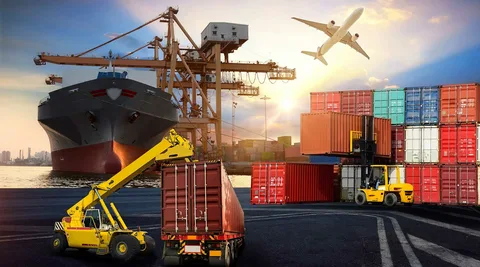
    📞 Malaysia: +60 146600012
    📞 USA: +1 516 880 9996

    💬 Let’s Talk

    What do you think industries need most right now — smarter automation, stronger cybersecurity, or better digital infrastructure?