Author: Shumaila

  • Your Website Never Sleeps: Is It Actually Working for Your Business 24/7?

    Your Website Never Sleeps: Is It Actually Working for Your Business 24/7?

    Why Your Business Website Is Your Hardest-Working Employee

    It’s 2:17 a.m.

    You’re asleep.

    Your office lights are off.

    Your employees are at home.

    Yet, someone halfway across the world has just searched for a service you offer.

    Within seconds, they land on your website.

    They don’t know your company.

    They’ve never spoken to your team.

    They’ve never seen your office.

    Your website is the first impression they’ll ever have of your business.

    Now here’s the real question:

    What happens next?

    Do they stay, explore your services, and contact you?

    Or do they leave within a few seconds because the site is slow, confusing, or outdated?

    This is something many businesses overlook.

    A website isn’t just an online brochure anymore.

    It’s your receptionist.

    Your salesperson.

    Your customer support desk.

    Your marketing team.

    Your brand ambassador.

    And unlike people, it never takes a day off.

    Is Your Business Website Really Working for Your Business?

    Your Website Never Sleeps: Is It Actually Working for Your Business 24/7?

    Many business owners proudly say,

    “We already have a website.”

    That’s great.

    But having a website and having a website that works for your business are two completely different things.

    Think of it this way.

    Owning a physical store doesn’t automatically guarantee customers.

    If the shop is messy, hard to find, poorly lit, or the staff ignore visitors, people will simply walk away.

    The same thing happens online.

    A Business Website should do more than exist.

    It should welcome visitors, answer their questions, guide them through your services, and encourage them to take the next step.

    First Impressions Happen Faster Than You Think

    Research consistently shows that visitors form an opinion about a website within just a few seconds.

    Before they read a single paragraph, they notice things like:

    • Is the website easy to navigate?
    • Does it look professional?
    • Is it mobile-friendly?
    • Does it load quickly?
    • Does it feel trustworthy?

    People judge businesses online the same way they judge people in real life.

    A polished, modern website creates confidence.

    An outdated one creates doubt.

    A Slow Website Can Cost You More Than You Realize

    Your Website Never Sleeps: Is It Actually Working for Your Business 24/7?

    We’ve all experienced it.

    You click a website.

    It keeps loading.

    And loading.

    A few more seconds pass.

    Eventually, you give up and visit another website instead.

    That’s exactly what your potential customers do too.

    In today’s fast-paced digital world, people expect speed.

    A delay of just a few seconds can lead to:

    • Higher bounce rates
    • Lower customer engagement
    • Lost sales opportunities
    • Reduced search engine rankings

    Improving Website Performance isn’t just about technology.

    It’s about respecting your visitors’ time.

    People Don’t Buy Immediately They Build Trust First

    Think about your own habits.

    When you’re considering a new company, what do you do?

    Most likely, you search online.

    You read reviews.

    You visit the company’s website.

    You browse their services.

    You check whether they seem professional.

    Your customers do exactly the same thing.

    A well-designed website helps answer important questions before anyone contacts your business.

    It quietly says,

    “We’re professional.”

    “We’re reliable.”

    “You can trust us.”

    That’s why Website Design is about much more than attractive colours and modern layouts.

    It’s about building credibility.

    Your Website Should Answer Questions Before Customers Ask Them

    Your Website Never Sleeps: Is It Actually Working for Your Business 24/7?

    A great website works like a helpful employee.

    It anticipates visitors’ questions and provides answers before they even need to ask.

    For example:

    • What does your company do?
    • Who are your services for?
    • Why should someone choose you?
    • How can customers contact you?
    • Is your business trustworthy?

    If people can’t quickly find these answers, they’ll probably leave.

    Not because your business isn’t good.

    Because another website made finding information easier.

    Mobile Users Are Now the Majority

    Look around any café, airport, or shopping mall.

    Almost everyone is browsing on a smartphone.

    That’s why Responsive Website Design isn’t optional anymore.

    Your website should work seamlessly across:

    • Smartphones
    • Tablets
    • Laptops
    • Desktop computers

    If users have to zoom in, struggle to click buttons, or wait for pages to load, they’ll move on.

    A smooth mobile experience isn’t a bonus—it’s an expectation.

    Your Website Should Help Generate Leads, Not Just Look Good

    A beautiful website means very little if it doesn’t encourage visitors to take action.

    Ask yourself:

    • Can people easily request a quote?
    • Is your contact information visible?
    • Are your call-to-action buttons clear?
    • Is there a simple way to get in touch?

    A successful website gently guides visitors from curiosity to confidence.

    Whether it’s filling out a contact form, making a phone call, or sending an enquiry, every page should have a purpose.

    SEO Helps Customers Find You Before They Find Your Competitors

    Even the most impressive website won’t deliver results if nobody can find it.

    This is where Search Engine Optimization (SEO) becomes essential.

    By optimizing your website with relevant content, fast loading speeds, mobile-friendly design, and the right keywords, you improve your chances of appearing when potential customers search online.

    Good SEO doesn’t just increase traffic.

    It brings the right visitors—people already looking for the products or services you offer.

    Content Keeps Your Website Alive

    Imagine visiting a business website where the latest blog post was published four years ago.

    Would it inspire confidence?

    Probably not.

    Fresh, helpful content tells visitors—and search engines—that your business is active and engaged.

    Publishing informative blogs, guides, industry updates, and customer success stories not only improves SEO but also demonstrates expertise.

    A website that regularly shares valuable information becomes more than a digital brochure.

    It becomes a trusted resource.

    Security Matters More Than Ever

    Trust isn’t built through design alone.

    Customers also want to know their information is safe.

    That’s why businesses should invest in:

    • SSL certificates
    • Regular software updates
    • Secure hosting
    • Data protection measures
    • Reliable backups

    Cybersecurity isn’t just an IT issue.

    It’s part of the customer experience.

    The Best Websites Never Stop Improving

    Your Website Never Sleeps: Is It Actually Working for Your Business 24/7?

    One mistake many businesses make is treating a website like a one-time project.

    Launch it.

    Forget about it.

    Move on.

    But the most successful websites evolve constantly.

    Businesses monitor performance.

    Update content.

    Improve page speed.

    Refresh designs.

    Add new features.

    Respond to customer feedback.

    Your website should grow alongside your business.

    Final Thoughts

    Your website works every hour of every day.

    It speaks to potential customers while you’re asleep.

    It introduces your brand before you ever meet someone.

    It answers questions, builds trust, and creates opportunities.

    Or…

    It quietly sends visitors elsewhere.

    In today’s digital world, your website isn’t just another business expense.

    It’s one of your most valuable assets.

    When it’s fast, secure, informative, and easy to use, it becomes much more than a website.

    It becomes your hardest-working employee.

    And unlike any employee, it never clocks out.

    How Sizaf Infocomm Can Help

    At Sizaf Infocomm, we believe your website should do more than simply exist—it should actively contribute to your business growth.

    Our team provides professional Web & Media Services, Website Development, Website Optimization, Managed IT Services, Cloud Solutions, Network Infrastructure, and Digital Transformation services to help businesses create secure, high-performing, and user-friendly digital experiences.

    Whether you’re launching a new website, improving performance, or strengthening your online presence, we’re here to help you build a website that works for your business 24 hours a day, 7 days a week.

    Reach Out to Sizaf Infocomm

    📞 Malaysia: +60 146600012

    📞 USA: +1 516 880 9996

    🌐 Website: https://sizaf.com

    What Do You Think?

    When was the last time you visited your own website as if you were a customer?

    Did it impress you?

    Or did it reveal areas that could be improved?

    Share your thoughts—we’d love to hear from you!

  • From Smart Homes to Smart Offices: How Connected Technology Is Transforming Everyday Life in 2026

    From Smart Homes to Smart Offices: How Connected Technology Is Transforming Everyday Life in 2026

    Your Morning Probably Starts with Smart Technology, Whether You Notice It or Not

    Imagine waking up without setting an alarm. Instead, your smart speaker plays your favorite playlist gently as your curtains open to let in the morning sunlight. Your coffee machine has already brewed your first cup, and your thermostat has adjusted the temperature before you even get out of bed.

    Sounds futuristic? Not anymore. For millions of people worldwide, this is becoming part of everyday life. And when you leave for work, the smart technology doesn’t stop—it follows you. 

    Your smartwatch tracks your health. Your navigation app finds the fastest route. Your office adjusts the lighting and air conditioning based on the number of people inside. Meetings happen with colleagues across the globe in just a few clicks.

    Welcome to 2026, where Connected Technology is quietly making our lives easier, more efficient, and more connected than ever before. But have you ever stopped to wonder how all of this works? The answer lies in one powerful innovation: the Internet of Things (IoT).

    What Is the Internet of Things (IoT)?

    connected

    The Internet of Things (IoT) refers to everyday devices connected to the internet that can collect, share, and exchange data without constant human help. Think of it as giving ordinary objects the ability to “communicate.” Instead of just switching on and off, connected devices can make decisions, send notifications, and even work together automatically.

    Some common IoT Devices include:

    •  Smart TVs
    • Smart doorbells
    • Fitness trackers
    • Smart lights
    • Security cameras
    • Smart thermostats
    • Connected appliances
    • Smart speakers
    • Industrial sensors

    What makes these devices “smart” isn’t just the technology itself; it’s their ability to share information and respond intelligently.

    Smart Homes: Making Everyday Life Easier

    A few years ago, smart homes sounded like something from a science fiction movie. Today, they’re becoming surprisingly common. Imagine leaving your house and realizing you forgot to turn off the lights. Instead of driving back, you just open an app and switch them off remotely. Or picture receiving a notification that someone is at your front door while you’re at work. Your smart doorbell lets you see who’s there and even speak to them through your phone. 

    These are just a few examples of how Smart Homes improve convenience and security. Other benefits include:

    •  Better energy efficiency
    •  Improved home security
    • Remote control of household devices
    • Greater comfort and convenience
    •  Lower electricity consumption

    It’s not just about luxury. It’s about making everyday life simpler.

    Smart Offices Are Changing the Way We Work

    connected

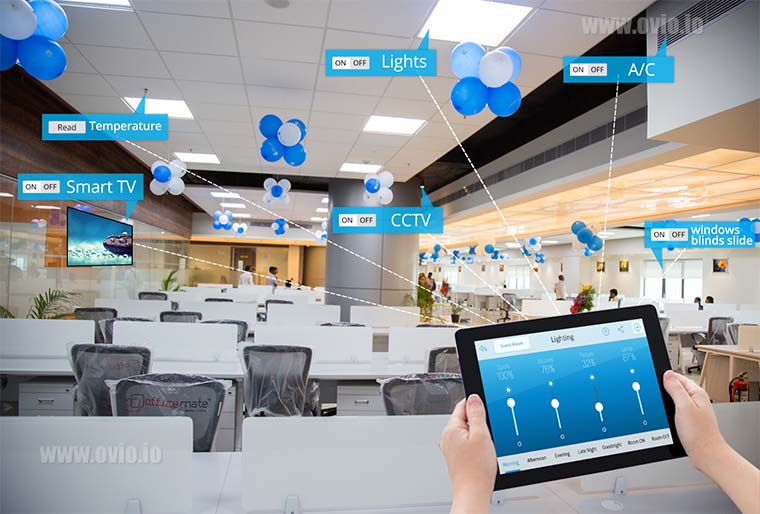
    Technology isn’t only transforming our homes; it’s reshaping workplaces too. Modern Smart Offices use connected systems to improve productivity, collaboration, and employee well-being. Imagine walking into your office. The lights automatically turn on. The meeting room is ready. Your desk adjusts to your preferred height. The air conditioning responds to how many people are in the room. Behind the scenes, Connected Devices constantly share information to create a more comfortable and efficient workplace.

    Businesses are also using Smart Technology to:

    • Monitor energy usage 
    • Improve workplace safety 
    •  Manage office space efficiently 
    •  Enhance employee collaboration 
    • Reduce operating costs

    It’s a smarter way of working for everyone.

    The Rise of Connected Workplaces

    Remote and hybrid work have become normal parts of business. To support this shift, companies rely on connected technologies every day. Cloud platforms allow teams to access files from anywhere. Video conferencing keeps global teams connected. Smart scheduling systems optimize meeting rooms. AI-powered assistants help organize tasks and calendars. Together, these technologies create workplaces that are more flexible than ever before.

    How IoT Is Improving Healthcare

    Healthcare is one of the industries benefiting the most from the Internet of Things (IoT). Today, wearable devices can monitor heart rates, blood pressure, and sleep quality in real time. Doctors can receive health data remotely, allowing them to detect potential problems earlier. Hospitals use connected medical equipment to improve patient care and reduce errors. Even medication management is becoming smarter with connected devices. Technology isn’t replacing healthcare professionals; it’s giving them better tools to care for patients.

    Smart Cities Are Becoming a Reality

    Connected technology doesn’t stop at homes and offices. Entire cities are becoming smarter. Imagine traffic lights that adjust automatically based on congestion. Streetlights that only turn on when people are nearby. Smart parking systems that help drivers find available spaces quickly. Waste collection systems that notify authorities when bins are full. These innovations help cities become more efficient while reducing energy use and improving quality of life. This is the power of a Connected World.

    Businesses Are Embracing Smart Technology

    connected

    Companies across industries are investing heavily in Smart Technology. Manufacturers use sensors to monitor production lines. Retailers track inventory automatically. Logistics companies monitor deliveries in real time. Farmers use connected sensors to improve crop management. Construction companies keep an eye on equipment remotely. No matter the industry, connected technology helps businesses make faster and smarter decisions.

    The Role of Artificial Intelligence and 5G

    The growth of Artificial Intelligence (AI) and 5G Connectivity makes IoT even more powerful. AI helps connected devices analyze data and make smart decisions. Meanwhile, 5G allows devices to communicate almost instantly with little delay. Together, these technologies allow:

    •  Faster automation
    • Real-time monitoring
    •  Smarter decision-making
    •  Improved customer experiences

    The future of connected technology depends on both speed and intelligence.

    Security Matters More Than Ever

    As more devices connect, security becomes more important. Every connected device is a potential entry point for cyber threats. That’s why businesses and homeowners must prioritize:

    • Strong passwords 
    •  Regular software updates 
    • Secure Wi-Fi networks 
    • Multi-factor authentication 
    •  Reliable cybersecurity solutions 

    A smart device should also be a secure device. Building trust is just as essential as building connectivity.

    The Future Is More Connected Than Ever

    Experts predict that billions of connected devices will be in use over the next few years. Homes will become smarter. Offices will become more intelligent. Cities will become more efficient. Healthcare will become more personalized. Businesses will continue to embrace automation. The goal isn’t just to connect more devices. It’s to improve how people live and work. Technology should solve problems, not create them.

    Final Thoughts

    Connected technology has quietly become part of our everyday lives. From the moment we wake up to when we go to bed, we interact with IoT Devices more than we realize. Whether it’s a smart thermostat, a wearable fitness tracker, an intelligent office, or a connected car, these innovations are making daily tasks easier, faster, and more efficient. The Internet of Things (IoT) isn’t just about gadgets. It’s about creating meaningful connections between people, devices, and information. As Smart Technology continues to evolve, we’ll see even greater improvements in convenience, sustainability, productivity, and quality of life. The future isn’t just digital. It’s connected. And we’re already living in it.

    How Sizaf Infocomm Can Help

    As businesses embrace the power of Connected Technology, having the right IT partner is crucial. At Sizaf Infocomm, we help organizations build secure and future-ready digital environments through Managed IT Services, Cloud Computing, Network Solutions, Internet Services, Cybersecurity, and Digital Transformation strategies. Whether you’re creating a smart office or strengthening your business infrastructure, we’re here to help you stay connected and competitive.

    Reach Out to Sizaf Infocomm

    Malaysia: +60 146600012

    USA: +1 516 880 9996

    What Do You Think?

    Would you like to live in a fully smart home or work in a completely connected office? Which smart technology has made the biggest difference in your daily life? Share your thoughts in the comments we’d love to hear from you!

  • The Hidden Carbon Footprint of the Internet: Is Going Digital Really Greener in 2026?

    The Hidden Carbon Footprint of the Internet: Is Going Digital Really Greener in 2026?

    We Often Hear That Going Digital Is Better for the Environment… But Is It Really?

    Think about everything you’ve done online today.

    Maybe you checked your emails first thing in the morning.

    You attended a virtual meeting.

    Watched a YouTube video while having lunch.

    Uploaded a few documents to Google Drive.

    Ordered groceries through an app.

    Scrolled through social media before bed.

    It all feels effortless.

    And because we can’t physically see what’s happening behind the screen, it’s easy to believe that digital activities don’t leave much of an environmental impact.

    After all, we’re using less paper.

    We’re driving less because of online meetings.

    We’re shopping online instead of traveling to stores.

    Surely that’s better for the planet… right?

    The answer is yes—but only partly.

    While digital technology has helped reduce waste in many ways, it also relies on an enormous amount of electricity, computing power, and infrastructure that most people never see.

    Every email you send.

    Every Netflix episode you stream.

    Every AI chatbot you use.

    Every online payment you make.

    Every file stored in the cloud.

    All of these actions depend on a massive digital ecosystem working behind the scenes—one that consumes a surprising amount of energy.

    This doesn’t mean the internet is bad for the environment.

    It simply means the internet has a Carbon Footprint, and understanding it is the first step toward building a more sustainable digital future.

    The Internet Isn’t Floating in the Sky

    Digital

    When someone says, “It’s stored in the cloud,” it sounds almost magical.

    Many people imagine their photos, emails, and business files floating somewhere in cyberspace.

    But the truth is much more grounded.

    The “cloud” is made up of huge Data Centers located all around the world.

    These facilities contain thousands—sometimes even hundreds of thousands—of powerful servers running 24 hours a day, 365 days a year.

    They power:

    • Websites
    • Mobile apps
    • Online banking
    • Video streaming platforms
    • Cloud storage
    • Artificial Intelligence tools
    • E-commerce websites
    • Social media platforms
    • Business software

    Unlike people, these servers never sleep.

    They work every second of every day to ensure the internet is always available whenever we need it.

    Keeping those servers running requires a tremendous amount of electricity.

    And that’s only part of the story.

    Every Click Has an Energy Cost

    Imagine sending a simple email.

    It only takes a few seconds.

    But behind that one action, several things happen almost instantly.

    Your message travels through internet networks.

    Servers process the information.

    Data is stored safely.

    The recipient’s email provider receives it.

    Backup systems create copies.

    Security systems scan it for threats.

    All of this happens within seconds.

    Now multiply that by billions of emails sent every day.

    The same applies when you:

    • Stream a movie
    • Join a Zoom meeting
    • Upload photos
    • Shop online
    • Ask an AI assistant a question
    • Use cloud storage
    • Scroll through social media

    Individually, each activity consumes a small amount of energy.

    Collectively, they require enormous computing resources.

    That’s why the Carbon Footprint of the Internet continues to grow every year.

    Streaming Is More Energy-Intensive Than You Might Think

    Watching your favorite TV series feels harmless.

    But streaming high-definition or 4K videos requires constant data transmission between servers and your device.

    The longer you stream, the more energy is consumed across the network.

    Now imagine millions of people around the world watching movies, sports events, and live streams at the same time.

    That’s an incredible amount of digital traffic.

    Streaming has become one of the largest contributors to internet data usage worldwide.

    Artificial Intelligence Is Changing Everything—Including Energy Consumption

    Digital

    Artificial Intelligence is one of the biggest technological breakthroughs of our generation.

    Businesses use AI to improve customer service.

    Doctors use it to assist diagnoses.

    Manufacturers use it to optimize production.

    Students use AI to learn faster.

    Content creators use it every day.

    But AI also requires enormous computational power.

    Training advanced AI models involves processing massive datasets using high-performance computers that consume significant amounts of electricity.

    As AI adoption continues to grow, so does the importance of building more Energy-Efficient Data Centers powered by renewable energy.

    This is one reason why many global technology companies are investing heavily in Green IT initiatives.

    Why Data Centers Matter More Than Ever

    Think of Data Centers as the beating heart of the internet.

    Without them:

    • Websites wouldn’t load.
    • Emails wouldn’t arrive.
    • Cloud storage wouldn’t exist.
    • Online shopping would stop.
    • Banking apps wouldn’t function.
    • AI tools wouldn’t respond.

    Modern data centers are becoming smarter and greener.

    Many organizations now invest in:

    • Renewable energy
    • Advanced cooling systems
    • Efficient server technologies
    • Water conservation
    • Carbon reduction initiatives

    These improvements help reduce environmental impact while supporting growing digital demand.

    Can Going Digital Still Help the Environment?

    Absolutely.

    Despite its energy use, digital technology also helps reduce carbon emissions in many ways.

    Think about how much paper businesses save by using digital documents.

    Or how remote work reduces fuel consumption.

    Online meetings replace business travel.

    Digital invoices reduce printing.

    Cloud collaboration reduces physical storage.

    Smart technologies help monitor energy use more efficiently.

    In many cases, digital transformation actually helps organizations become more sustainable.

    The goal isn’t to stop using technology.

    The goal is to use it more responsibly.

    How Businesses Can Reduce Their Digital Carbon Footprint

    Digital

    Every organization can make a difference by adopting smarter technology practices.

    Some simple but effective steps include:

    Choose Energy-Efficient Cloud Providers

    Many modern Cloud Computing providers invest in renewable energy and efficient infrastructure.

    Reduce Unnecessary Data Storage

    Old files, duplicate backups, and unused applications consume valuable server resources.

    Cleaning digital storage regularly can improve efficiency.

    Upgrade Outdated IT Infrastructure

    Modern hardware often uses less electricity while delivering better performance.

    Support Green IT Initiatives

    Businesses that prioritize Green IT can reduce operating costs while contributing to environmental sustainability.

    Optimize Websites and Applications

    Efficient websites require less bandwidth and consume fewer computing resources.

    Even faster-loading websites can contribute to lower energy consumption over time.

    Why Sustainability and Technology Must Work Together

    The world is becoming more connected every year.

    Smart cities.

    AI.

    IoT devices.

    Cloud computing.

    Digital banking.

    Remote work.

    All of these innovations improve our lives.

    But they also increase demand for reliable digital infrastructure.

    The future isn’t about choosing between technology and sustainability.

    It’s about combining both.

    Organizations that invest in Sustainable Technology today are preparing themselves for a future where innovation and environmental responsibility go hand in hand.

    Final Thoughts

    The internet has transformed the way we live, work, learn, and communicate.

    It has made businesses more efficient.

    Connected families across continents.

    Enabled remote education.

    Supported healthcare innovations.

    And created opportunities that were unimaginable just a few decades ago.

    Yet behind every click is an invisible system powered by electricity, networks, and data centers.

    Understanding the Carbon Footprint of the Internet doesn’t mean we should fear technology.

    It means we should use it wisely.

    As businesses and individuals continue embracing digital transformation, choosing sustainable solutions will become more important than ever.

    Because the future isn’t just about being more connected.

    It’s about making sure that connection is responsible, efficient, and environmentally friendly.

    Technology has the power to change the world.

    Together, we can ensure it changes the world for the better.

    How Sizaf Infocomm Can Help

    As businesses embrace Digital Transformation, choosing the right technology partner is essential for building secure, scalable, and sustainable IT environments.

    At Sizaf Infocomm, we help organizations modernize their operations with reliable Managed IT Services, Cloud Computing Solutions, Network Infrastructure, Cybersecurity, Internet Services, and Digital Transformation strategies. Our goal is to help businesses improve performance while supporting a smarter and more sustainable digital future.

    Reach Out to Sizaf Infocomm

    📞 Malaysia: +60 146600012

    📞 USA: +1 516 880 9996

    🌐 Website: https://sizaf.com

    What Do You Think?

    Do you believe going digital is helping the environment, or do you think we need to pay more attention to the hidden energy behind our online lives?

    Share your thoughts in the comments—we’d love to hear your perspective!

  • Why Is Your Internet Fast at Night but Slow During the Day? The Real Reasons Explained

    Why Is Your Internet Fast at Night but Slow During the Day? The Real Reasons Explained

    It Happens Almost Every Day… But Have You Ever Wondered Why?

    You’re working from home, joining an important video meeting, or simply trying to watch a YouTube video.

    Suddenly…

    The video starts buffering.

    Web pages take forever to load.

    Your video call freezes at the worst possible moment.

    You immediately think,

    “Didn’t I pay for high-speed internet?”

    Then something interesting happens.

    Later that evening, after dinner, you open Netflix or browse social media, and everything works perfectly.

    The internet feels fast again.

    So, what’s going on?

    Is your internet provider slowing things down?

    Is your Wi-Fi broken?

    Or is there something else happening behind the scenes?

    The answer is a little more complicated—and much more interesting.

    Let’s take a closer look.

    Your Internet Doesn’t Travel Alone

    Many people imagine their internet connection as a private road that belongs only to them.

    Unfortunately, that’s not how it works.

    Think of the internet like a busy highway.

    Early in the morning, there aren’t many cars, so traffic flows smoothly.

    But during rush hour, thousands of vehicles try to use the same roads at the same time.

    The result?

    Traffic slows down.

    Your internet works in a very similar way.

    During the day, millions of people are:

    • Working remotely
    • Attending online classes
    • Watching videos
    • Playing online games
    • Downloading large files
    • Using cloud applications

    All of this creates Network Congestion.

    Just like traffic on a highway, the more people using the network at the same time, the slower it can become.

    What Is Network Congestion?

    Slow

    One of the biggest reasons behind Slow Internet is Network Congestion.

    This happens when too many users are sharing the same network infrastructure simultaneously.

    Imagine everyone in your neighborhood trying to stream 4K movies, attend Zoom meetings, and download software updates at exactly the same time.

    That’s a huge amount of data moving through the network.

    Even high-speed connections can feel slower during these busy periods.

    This is often why your internet performs differently depending on the time of day.

    Your Wi-Fi Might Not Be the Problem

    Whenever the internet slows down, many people immediately blame their Wi-Fi router.

    Sometimes that’s true.

    But often, the router isn’t the main issue.

    Your Wi-Fi Performance can actually be affected by many factors, including:

    • Thick concrete walls
    • Long distance from the router
    • Too many connected devices
    • Old networking equipment
    • Interference from neighboring Wi-Fi networks

    If several family members are streaming movies, attending online classes, and gaming at the same time, your Wi-Fi has to divide its resources among everyone.

    It’s like trying to have ten conversations in one small room.

    Things naturally become slower.

    The Number of Connected Devices Keeps Growing

    Take a moment and count how many internet-connected devices are in your home.

    You might be surprised.

    There’s your:

    • Smartphone
    • Laptop
    • Tablet
    • Smart TV
    • Gaming console
    • Smart speakers
    • Security cameras
    • Smart lights
    • Smart doorbell
    • Smart appliances

    Years ago, a household might have had two or three connected devices.

    Today, many homes have twenty or more.

    Every connected device shares your Broadband Connection.

    The more devices actively using data, the more noticeable the slowdown becomes.

    Streaming Has Changed the Way We Use the Internet

    Slow

    Think about how much video content people watch today.

    Netflix.

    Disney+.

    YouTube.

    TikTok.

    Instagram Reels.

    Video consumes enormous amounts of bandwidth.

    A single 4K movie can use several gigabytes of data.

    Now imagine an entire neighborhood streaming at dinner time.

    That’s a significant amount of traffic moving across the network.

    This is another reason why Internet Speed can vary throughout the day.

    Remote Work Has Increased Internet Demand

    Only a few years ago, most internet traffic came from entertainment.

    Today, things are different.

    Millions of professionals now work remotely.

    Businesses rely on:

    • Video conferencing
    • Cloud storage
    • File sharing
    • Virtual desktops
    • Collaboration platforms

    These applications require stable, reliable internet connections.

    As more businesses embrace digital workplaces, demand for faster and more reliable internet continues to grow.

    Sometimes the Problem Is Inside Your Home

    Not every internet issue comes from your service provider.

    Sometimes, the slowdown starts much closer to home.

    For example:

    An older router may struggle to handle modern internet speeds.

    Outdated firmware can reduce performance.

    Placing your router behind furniture or inside a cabinet can weaken the signal.

    Even microwaves and cordless phones can interfere with Wi-Fi in some cases.

    Small adjustments—like moving your router to a more open, central location—can make a noticeable difference.

    Weather Can Play a Role Too

    Slow

    Although fiber-optic internet is generally very reliable, some internet technologies can still be affected by weather conditions.

    Heavy rain.

    Strong winds.

    Storms.

    Extreme temperatures.

    These conditions may temporarily impact network equipment or wireless connections in certain areas.

    While weather isn’t the most common cause of Slow Internet, it can occasionally contribute.

    Simple Ways to Improve Your Internet Experience

    The good news?

    There are several practical steps you can take to improve your Internet Speed.

    Restart Your Router Occasionally

    A simple restart can refresh your connection and resolve temporary issues.

    Place Your Router in the Right Location

    Keep it:

    • Elevated
    • Open
    • Near the center of your home

    Avoid placing it behind furniture or inside cabinets.

    Limit Unnecessary Connected Devices

    Disconnect devices that aren’t being used.

    This frees up bandwidth for more important activities.

    Update Your Router

    Modern routers are designed to handle today’s growing number of connected devices much more efficiently.

    Consider Upgrading Your Broadband Plan

    If your household has multiple people working, studying, gaming, and streaming simultaneously, your current Broadband Connection may simply no longer meet your needs.

    The Future of Internet Connectivity

    As technologies like:

    • Artificial Intelligence (AI)
    • Internet of Things (IoT)
    • Cloud Computing
    • Smart Homes
    • 5G Networks

    continue to grow, our dependence on reliable internet will only increase.

    The internet is no longer just about browsing websites.

    It’s powering businesses.

    Education.

    Healthcare.

    Entertainment.

    Smart cities.

    And even the appliances inside our homes.

    Reliable Digital Connectivity has become one of the foundations of modern life.

    Final Thoughts

    The next time your internet feels slower during the day than at night, remember that you’re probably not imagining it.

    In most cases, it’s simply the result of more people using the network, more connected devices, and increasing demand for online services.

    The good news is that many internet performance issues can be improved with the right equipment, a better network setup, and a broadband plan that matches your household’s needs.

    Because in today’s digital world, fast internet isn’t just a luxury anymore.

    It’s how we work, learn, connect, and live.

    And understanding what affects your Internet Speed is the first step toward enjoying a smoother online experience.

    How Sizaf Infocomm Can Help

    At Sizaf Infocomm, we understand that reliable internet is essential for both businesses and households. Our expertise in Managed IT Services, Network Solutions, Broadband Infrastructure, Cloud Services, and Digital Transformation helps organizations build fast, secure, and dependable connectivity for the future.

    Reach Out to Sizaf Infocomm

    📞 Malaysia: +60 146600012
    📞 USA: +1 516 880 9996
    🌐 Website: https://sizaf.com

  • How Many Cyber Threats Does a Business Face Every Day? The Answer Might Shock You

    How Many Cyber Threats Does a Business Face Every Day? The Answer Might Shock You

    Your Business Is Probably Being Targeted Right Now

    That might sound alarming.

    But it’s true.

    Most business owners imagine cyberattacks as rare events that happen to multinational corporations, government agencies, or global banks.

    The reality is very different.

    Whether you’re a small business, a growing startup, or a large enterprise, cybercriminals don’t care about your company size.

    They care about opportunity.

    And thanks to today’s digital world, opportunities are everywhere.

    Every email received.

    Every employee login.

    Every cloud application.

    Every connected device.

    Every website visit.

    Each creates a potential entry point for attackers.

    What’s even more surprising is that many businesses experience hundreds—sometimes thousands—of cyberattack attempts every single day without even realizing it.

    Welcome to the reality of business in 2026.

    The Modern Business Is More Connected Than Ever

    Take a moment and think about how your business operates today.

    Employees access files through the cloud.

    Teams communicate through messaging platforms.

    Customer information is stored digitally.

    Payments are processed online.

    Remote workers connect from different locations.

    While these technologies improve productivity, they also expand what’s known as the Attack Surface.

    Simply put, the more connected your business becomes, the more opportunities cybercriminals have to find weaknesses.

    That’s why Cybersecurity has become one of the most important investments organizations can make.

    So, How Many Cyber Threats Does a Business Face Daily?

    threat

    The honest answer?

    More than most people imagine.

    A typical business network may experience:

    • Suspicious login attempts
    • Phishing emails
    • Malware scans
    • Automated bot attacks
    • Password-cracking attempts
    • Website vulnerability probes
    • Unauthorized access attempts

    Most of these attacks are automated.

    Cybercriminals often use software that continuously scans thousands of businesses looking for weaknesses.

    Your company doesn’t need to be famous to become a target.

    It simply needs to be connected.

    The Most Common Cyber Threats Businesses Face

    1. Phishing Attacks

    Imagine receiving an email that appears to come from your bank, supplier, or even your boss.

    Everything looks legitimate.

    The logo.

    The language.

    The sender.

    But one click could expose sensitive information.

    Phishing Attacks remain one of the most successful cyber threats because they target human behavior rather than technology.

    And unfortunately, humans can make mistakes.

    2. Ransomware Attacks

    Few threats worry businesses more than Ransomware.

    In a ransomware attack, criminals lock important business data and demand payment for its release.

    Operations can grind to a halt within minutes.

    For some businesses, downtime can cost thousands—or even millions—of dollars.

    That’s why prevention is always cheaper than recovery.

    3. Password Attacks

    Many people still underestimate the importance of strong passwords.

    Cybercriminals use automated tools capable of testing thousands of password combinations in seconds.

    Weak passwords remain one of the easiest ways for attackers to gain access.

    This is why Multi-Factor Authentication (MFA) has become a critical security measure.

    4. Malware Infections

    Malware is malicious software designed to damage systems, steal information, or provide unauthorized access.

    It can enter a network through:

    • Email attachments
    • Compromised websites
    • Fake software downloads
    • Infected USB devices

    Once inside, malware can spread quickly across connected systems.

    5. Insider Threats

    Not every cyber threat comes from outside the organization.

    Sometimes the risk comes from within.

    Employees may accidentally:

    • Share sensitive information,
    • Click malicious links,
    • Misconfigure systems,
    • Use insecure devices.

    This is why employee awareness training is just as important as security technology.

    Why Small Businesses Are Increasingly Targeted

    threat

    There’s a common misconception that cybercriminals only focus on large organizations.

    In reality, many attackers specifically target small and medium-sized businesses.

    Why?

    Because smaller companies often have fewer security resources.

    Cybercriminals know this.

    They see smaller businesses as easier targets.

    Unfortunately, many business owners don’t prioritize Cybersecurity Solutions until after an incident occurs.

    By then, the damage may already be done.

    The Hidden Cost of a Cyberattack

    When people think about cyberattacks, they often focus on financial losses.

    But the impact goes much further.

    A successful attack can lead to:

    Lost Revenue

    Operations may stop while systems are restored.

    Damaged Reputation

    Customers expect businesses to protect their information.

    Loss of Customer Trust

    Trust can take years to build and minutes to lose.

    Regulatory Consequences

    Data breaches may result in compliance issues and legal penalties.

    Employee Productivity Losses

    Teams may be unable to access critical systems and information.

    The true cost of a cyberattack often extends well beyond the initial incident.

    How Businesses Can Strengthen Their Cybersecurity

    The good news?

    Most cyber threats can be significantly reduced through proactive security practices.

    Implement Multi-Factor Authentication (MFA)

    Adding an extra layer of verification dramatically improves account security.


    Train Employees Regularly

    Cybersecurity isn’t just an IT responsibility.

    Everyone plays a role.

    Regular awareness training helps employees identify suspicious activity.


    Keep Systems Updated

    Software updates often contain important security patches.

    Delaying updates can leave vulnerabilities exposed.


    Use Advanced Threat Detection Tools

    Modern security solutions help identify suspicious behavior before it becomes a major problem.


    Back Up Critical Data

    Reliable backups can dramatically reduce the impact of ransomware attacks and system failures.


    Strengthen Network Security

    Robust Network Security measures help protect business infrastructure from unauthorized access.

    Cybersecurity Is No Longer Optional

    threat

    A few years ago, cybersecurity was often viewed as a technical issue.

    Today, it’s a business issue.

    Every organization depends on technology.

    And every organization faces cyber risks.

    The question is no longer:

    “Will cyber threats happen?”

    The question is:

    “How prepared is your business when they do?”

    The organizations that thrive in the future won’t necessarily be those with the largest budgets.

    They’ll be the ones that take cybersecurity seriously before an incident occurs.

    Final Thoughts

    The average business faces more cyber threats than most people realize.

    Many attacks happen quietly in the background every day.

    Most are blocked before causing harm.

    Some are not.

    As businesses become increasingly digital, Cybersecurity is becoming as essential as electricity, internet access, and customer service.

    Because protecting your systems isn’t just about technology.

    It’s about protecting your reputation, your customers, your employees, and your future.

    In 2026, cybersecurity isn’t simply an IT concern.

    It’s a business survival strategy.

    How Sizaf Infocomm Can Help

    As cyber threats continue to evolve, businesses need trusted technology partners to stay protected.

    At Sizaf Infocomm, we help organizations strengthen security through managed IT services, secure infrastructure, cloud solutions, network security, cybersecurity strategies, and digital transformation services designed for today’s connected world.

    Reach Out to Sizaf Infocomm

    📞 Malaysia: +60 146600012
    📞 USA: +1 516 880 9996
    🌐 Website: https://sizaf.com

  • What Would Happen If the Internet Stopped Working for 24 Hours? The Surprising Impact on Our Digital World

    What Would Happen If the Internet Stopped Working for 24 Hours? The Surprising Impact on Our Digital World

    Imagine Waking Up Tomorrow and the Internet Is Gone

    Not slow.

    Not buffering.

    Not “try restarting your router.”

    Gone.

    Completely unavailable.

    No social media.

    No online banking.

    No video calls.

    No food delivery apps.

    No cloud services.

    No emails.

    Nothing.

    At first, it might sound like a nice break from screens.

    Some people might even welcome the idea.

    But after a few hours, reality would begin to set in.

    Because the truth is, the internet has become so deeply woven into our daily lives that most of us don’t realize how much we depend on it until it’s unavailable.

    In 2026, the internet isn’t just a tool.

    It’s the invisible infrastructure that powers modern society.

    So what would actually happen if the internet stopped working for 24 hours?

    Let’s find out.

    The First Hour: Confusion Everywhere

    The moment a global Internet Outage begins, millions of people would think the problem was local.

    People would restart their routers.

    Turn their phones off and on.

    Call their internet providers.

    Check cables.

    Refresh web pages repeatedly.

    Most of us have experienced internet issues before, so our first instinct would be to assume it’s temporary.

    But as the minutes pass, something unusual would become clear.

    Nobody has internet.

    Not your neighbors.

    Not your friends.

    Not your workplace.

    Not even major organizations.

    That’s when confusion would start turning into concern.

    Communication Would Change Instantly

    internet

    Think about how many conversations happen online every day.

    Messaging apps.

    Video calls.

    Emails.

    Social media platforms.

    Business collaboration tools.

    Without Digital Connectivity, these communication channels would disappear almost immediately.

    Remote workers would struggle to connect with teams.

    Families living in different cities or countries would lose their easiest way to stay in touch.

    Students attending online classes would suddenly be disconnected.

    For a generation that has grown up with instant communication, even a few hours without internet would feel surprisingly disruptive.

    Businesses Would Feel the Impact of Within Minutes

    Many businesses today operate almost entirely online.

    A global Internet Outage would create immediate challenges.

    Online stores couldn’t process orders.

    Customer service platforms would stop functioning.

    Cloud-based software would become inaccessible.

    Digital payment systems would fail.

    For many organizations, even a short disruption can result in significant financial losses.

    Now imagine that disruption lasting an entire day.

    Large corporations might have contingency plans.

    Smaller businesses could struggle much more.

    This is why reliable Internet Services have become essential rather than optional.

    Online Shopping Would Come to a Complete Stop

    Internet

    Imagine trying to buy something online.

    You open your favorite shopping app.

    Nothing loads.

    You try another website.

    Still nothing.

    Millions of transactions happen every day through e-commerce platforms.

    Without internet access:

    • Orders can’t be placed.
    • Payments can’t be processed.
    • Shipment tracking disappears.
    • Customer support becomes difficult.

    The entire ecosystem of Online Business would effectively pause.

    For consumers, it would be inconvenient.

    For retailers, it could mean substantial revenue losses.

    Banking and Payments Would Become a Challenge

    Many people rarely carry cash anymore.

    We tap cards.

    Scan QR codes.

    Transfer money through mobile apps.

    Pay bills online.

    An internet shutdown would immediately affect many of these services.

    Customers might be unable to:

    • Access online banking.
    • Transfer funds.
    • Make digital payments.
    • Check account balances.

    While some banking systems have backup mechanisms, modern finance depends heavily on reliable Digital Connectivity.

    The interruption would remind us just how much our financial lives have moved online.

    Healthcare Systems Could Face Serious Disruptions

    Internet

    Healthcare is another sector that relies heavily on internet-based systems.

    Hospitals use connected technologies for:

    • Patient records,
    • Appointment scheduling,
    • Medical imaging,
    • Communication between departments.

    Without internet access, healthcare professionals would need to rely on alternative processes.

    Many hospitals have emergency procedures for such situations, but operations would still become more challenging.

    It’s a powerful reminder that internet infrastructure supports far more than entertainment and social media.

    In many cases, it supports essential services.

    Students Would Get an Unexpected Day Off

    Or would they?

    Online learning has become a major part of education.

    Schools, universities, and training institutions increasingly depend on digital platforms.

    Without internet access:

    • Virtual classes would stop.
    • Learning platforms would become unavailable.
    • Educational resources couldn’t be accessed.

    For students, it might initially seem like a welcome break.

    But extended disruptions would quickly impact learning continuity.

    Education today depends heavily on technology and Internet Services.

    The Unexpected Effects on Everyday Life

    Internet

    Perhaps the biggest surprise would be how many ordinary activities suddenly become difficult.

    Consider how often you use the internet without thinking about it.

    Checking the weather.

    Ordering food.

    Booking transportation.

    Using navigation apps.

    Streaming music.

    Watching videos.

    Even many smart home devices depend on internet connections.

    A 24-hour outage would expose just how connected our daily routines have become.

    Some People Might Actually Enjoy It

    Interestingly, not every effect would be negative.

    Without notifications, endless scrolling, and constant digital distractions, some people might rediscover activities they rarely make time for.

    Families might spend more time talking.

    Friends might meet in person.

    Books might finally come off the shelf.

    People could reconnect with hobbies they’ve neglected for years.

    For some, a temporary digital pause might be refreshing.

    At least for a little while.

    What This Scenario Teaches Us

    The purpose of imagining a global internet outage isn’t to create fear.

    It’s to create awareness.

    The internet has become one of humanity’s most important innovations.

    It powers communication.

    Business.

    Education.

    Healthcare.

    Entertainment.

    And countless other aspects of modern life.

    Yet because it’s always available, we rarely stop to appreciate its importance.

    Until we imagine life without it.

    The Future Depends on Reliable Connectivity

    As technologies such as:

    • Cloud Computing
    • Artificial Intelligence
    • Smart Cities
    • Remote Work Solutions
    • Internet of Things (IoT)

    continue to expand, our dependence on digital infrastructure will only grow.

    This makes reliable Internet Services more important than ever.

    Businesses, governments, and service providers are continually investing in stronger, more resilient networks to ensure the world stays connected.

    Because in today’s digital age, connectivity isn’t just convenient.

    It’s essential.

    Final Thoughts

    Could we survive 24 hours without the internet?

    Absolutely.

    People lived without it for centuries.

    But would modern life function normally?

    Not even close.

    A single day without internet would affect communication, education, healthcare, commerce, banking, and countless daily activities.

    It would remind us of something we often overlook:

    The internet isn’t just a technology.

    It’s the foundation of our connected world.

    And while we may occasionally complain about slow Wi-Fi or temporary outages, imagining a full day without internet shows just how valuable Digital Connectivity truly is.

    How Sizaf Infocomm Can Help

    In a world where reliable connectivity is critical, businesses need technology partners they can trust.

    At Sizaf Infocomm, we help organizations stay connected through managed IT services, network solutions, cloud technologies, cybersecurity, and digital transformation strategies designed for the future.

    Reach Out to Sizaf Infocomm

    📞 Malaysia: +60 146600012
    📞 USA: +1 516 880 9996
    🌐 Website: https://sizaf.com

  • Why Financial Literacy Matters More Than Ever in the Digital Age (2026)

    Why Financial Literacy Matters More Than Ever in the Digital Age (2026)

    Think You Know How to Manage Money? The Digital Age Might Be Changing the Rules

    A few years ago, managing money was relatively straightforward.

    You visited a bank branch.

    You deposited cash.

    You paid bills.

    You kept track of expenses in a notebook or spreadsheet.

    Today, things look very different.

    Most of us can transfer money, pay bills, invest, apply for loans, and even manage our savings without ever stepping inside a bank.

    Everything happens through a smartphone.

    While this convenience has transformed our lives, it has also created a new challenge:

    Are we financially prepared for a digital world?

    The reality is that technology is evolving faster than financial knowledge for many people.

    And that’s why Financial Literacy has become one of the most important life skills in 2026.

    What Is Financial Literacy, Really?

    Many people assume Financial Literacy simply means knowing how to save money.

    But it’s much more than that.

    Financial literacy is the ability to understand and make informed decisions about:

    • Budgeting
    • Saving
    • Investing
    • Borrowing
    • Managing debt
    • Digital payments
    • Online banking security
    • Financial planning

    In simple terms, it’s knowing how money works—and how to make it work for you.

    Without that knowledge, even the best financial tools can become risky rather than helpful.

    The Rise of Digital Banking Has Changed Everything

    Digital

    Think about how often you use your banking app.

    For many people, it’s almost every day.

    Whether checking balances, paying utility bills, transferring funds, or making online purchases, Digital Banking has become part of everyday life.

    The benefits are obvious:

    • Faster transactions
    • 24/7 access
    • Greater convenience
    • Improved financial visibility

    But convenience also comes with responsibility.

    The more digital our finances become, the more important it is to understand how to use these tools safely and effectively.

    Why Financial Literacy Matters More Than Ever in 2026

    1. Digital Payments Are Everywhere

    Cash is no longer the dominant payment method it once was.

    Consumers increasingly rely on:

    • Mobile wallets
    • QR code payments
    • Online banking
    • Contactless cards
    • Digital payment platforms

    While these tools make transactions easier, they can also make spending feel effortless.

    And that’s where problems begin.

    Many people spend more when they don’t physically see cash leaving their wallets.

    Understanding spending habits is a critical part of Personal Finance Management.

    2. Online Scams Are Becoming More Sophisticated

    Cybercriminals are getting smarter.

    Fake banking websites.

    Phishing emails.

    Investment scams.

    Fraudulent payment links.

    These threats are becoming increasingly common.

    Having strong Financial Literacy means recognizing warning signs before becoming a victim.

    Knowledge is often the first line of defense against financial fraud.

    3. Investing Has Become More Accessible

    Not long ago, investing felt complicated.

    Today, anyone with a smartphone can access investment platforms within minutes.

    This accessibility is fantastic.

    But easy access doesn’t always mean informed decisions.

    Many people invest based on social media trends or online hype without understanding risk.

    Strong Investment Knowledge helps individuals build wealth responsibly instead of chasing short-term excitement.

    4. Managing Debt Has Never Been More Important

    Credit cards.

    Buy Now, Pay Later services.

    Personal loans.

    Digital financing options.

    Access to credit is easier than ever before.

    While borrowing can be useful, poor debt management can quickly become overwhelming.

    Financial literacy helps people understand:

    • Interest rates
    • Loan terms
    • Repayment obligations
    • Credit scores

    Making informed borrowing decisions today can prevent financial stress tomorrow.

    The Importance of Financial Planning

    Digital

    Many people associate financial planning with retirement.

    But in reality, it’s something everyone should practice regardless of age.

    Good Financial Planning helps individuals prepare for:

    • Emergencies
    • Major purchases
    • Education expenses
    • Home ownership
    • Retirement goals

    Life is unpredictable.

    Having a financial plan creates stability during uncertain times.

    How Technology Is Helping People Become Smarter With Money

    The good news is that technology isn’t just creating challenges.

    It’s also providing solutions.

    Modern financial tools now help individuals:

    Track Spending

    Budgeting apps provide real-time insights into where money is going.

    Set Savings Goals

    Digital platforms make saving easier through automated transfers and goal-based accounts.

    Monitor Investments

    Investors can access portfolio updates and educational resources instantly.

    Improve Financial Awareness

    AI-powered financial tools can analyze spending habits and provide personalized recommendations.

    This combination of technology and education is helping people make better financial decisions than ever before.

    Financial Literacy Is About Confidence, Not Wealth

    Digital

    One of the biggest misconceptions about financial literacy is that it’s only important for wealthy individuals.

    That’s simply not true.

    Financial literacy benefits everyone.

    Whether you’re:

    • A student,
    • A young professional,
    • A business owner,
    • A parent,
    • Or someone planning for retirement,

    understanding money gives you more control over your future.

    It’s not about how much you earn.

    It’s about how effectively you manage what you have.

    The Future of Finance Is Digital

    As technologies such as:

    continue to grow, financial knowledge will become even more important.

    The financial world is evolving rapidly.

    Those who understand it will be better positioned to take advantage of new opportunities while avoiding unnecessary risks.

    Final Thoughts

    In today’s connected world, financial literacy is no longer a “nice-to-have” skill.

    It’s a necessity.

    Every digital transaction.

    Every online purchase.

    Every investment decision.

    Every loan application.

    All require a basic understanding of how money works.

    Technology can provide powerful financial tools.

    But knowledge is what turns those tools into opportunities.

    The more financially informed we become, the better equipped we’ll be to build secure, confident, and successful futures.

    Because in 2026, managing money isn’t just about earning more.

    It’s about making smarter decisions every step of the way.

    How Sizaf Infocomm Can Help

    As financial institutions continue their Digital Transformation, secure and reliable technology has become essential.

    At Sizaf Infocomm, we help organizations modernize operations through managed IT services, secure infrastructure, cloud solutions, cybersecurity, and digital innovation strategies designed for the future of banking and finance.

    Reach out to Sizaf Infocomm:

    📞 Malaysia: +60 146600012
    📞 USA: +1 516 880 9996
    🌐 Website: https://sizaf.com

  • Why Food Prices Are Rising in 2026: The Hidden Impact of Climate Change on Agriculture and Fisheries

    Why Food Prices Are Rising in 2026: The Hidden Impact of Climate Change on Agriculture and Fisheries

    Have You Ever Looked at Your Grocery Bill and Thought, “Wasn’t This Cheaper Before?”

    Maybe it was the price of rice.

    Or the vegetables you buy every week.

    Perhaps it was the fish you’ve been cooking for years that suddenly seems more expensive than ever.

    You pause for a moment and wonder:

    “Why does it feel like food prices keep going up?”

    Most of us immediately blame inflation. Rising fuel costs. Economic uncertainty.

    And yes, those factors play a role.

    But there’s another reason many people don’t think about when they stand in the supermarket aisle.

    Climate Change.

    It might sound like a topic meant for scientists, policymakers, or environmental activists. But the truth is, it’s affecting something incredibly personal to all of us—our daily meals.

    The fish on our plates.

    The fruits in our lunch boxes.

    The rice we cook for our families.

    The vegetables we add to our favorite recipes.

    Behind every meal is a story. And today, that story is becoming increasingly challenging.

    Climate Change Is Already Sitting at Our Dinner Table

    For years, many people viewed climate change as a problem for the future.

    Something our children or grandchildren would have to deal with.

    But that future has quietly arrived.

    Farmers are dealing with droughts that last longer than expected.

    Unexpected floods are washing away months of hard work overnight.

    Heatwaves are becoming more intense.

    Storms are arriving with greater force and less predictability.

    Meanwhile, oceans are warming, affecting marine life in ways that scientists are still trying to understand.

    These aren’t isolated incidents anymore.

    They’re becoming part of everyday life.

    And eventually, they show up where we notice them most—our grocery receipts.

    The People Who Feed the World Are Facing Uncertainty

    food

    Most of us buy food without thinking twice about how it got there.

    We grab what we need.

    Pay at the counter.

    Head home.

    But every item we purchase represents someone’s dedication.

    Someone planted that crop.

    Someone cared for it through changing seasons.

    Someone woke up before sunrise and went out to sea.

    Today, those people are facing challenges unlike anything they’ve experienced before.

    Agriculture Is Learning to Adapt

    Farming has never been easy.

    It requires patience, resilience, and hope.

    For generations, farmers relied on familiar weather patterns to guide their work.

    They knew when the rains would arrive.

    They understood when to plant and harvest.

    Nature had its rhythm.

    But that rhythm is changing.

    Rainfall becomes unpredictable.

    Dry seasons last longer.

    Floods arrive unexpectedly.

    Pests appear in places they weren’t seen before.

    Diseases spread more easily.

    For farmers, each season now carries a new level of uncertainty.

    And when harvests decline, the impact extends far beyond the farm.

    It affects prices, availability, and ultimately, every household.

    The Oceans Are Changing Too

    food

    For many fishing communities, the sea is more than a workplace.

    It’s heritage.

    Identity.

    A way of life passed down through generations.

    But fishermen are noticing changes they can’t ignore.

    Fish species are moving into cooler waters.

    Some catches are becoming smaller.

    Others are becoming harder to find altogether.

    Rising temperatures and changing ocean conditions are reshaping entire ecosystems.

    Imagine heading out to sea using the same knowledge your family has trusted for decades—only to realize the waters no longer behave the way they once did.

    For countless fishing communities, this isn’t imagination.

    It’s reality.

    And when seafood supplies decrease, prices naturally rise.

    That’s why Fisheries are becoming one of the sectors most affected by environmental change.

    Why This Matters to Every One of Us

    You don’t have to own farmland.

    You don’t have to be a fisherman.

    You don’t even have to work in the food industry.

    Because every single person depends on food systems.

    When crop yields fall:

    • Food becomes more expensive.
    • Certain products become harder to find.
    • Supply chains experience pressure.

    When fisheries struggle:

    • Seafood prices increase.
    • Communities lose income.
    • Local economies suffer.

    The connection between Climate Change, Agriculture, and Fisheries might not always be obvious.

    But it’s there every time we sit down for a meal.

    Technology Is Giving Us Reasons to Hope

    food

    The challenges are real.

    But so is human innovation.

    Across the world, farmers, researchers, and communities are finding smarter ways to adapt.

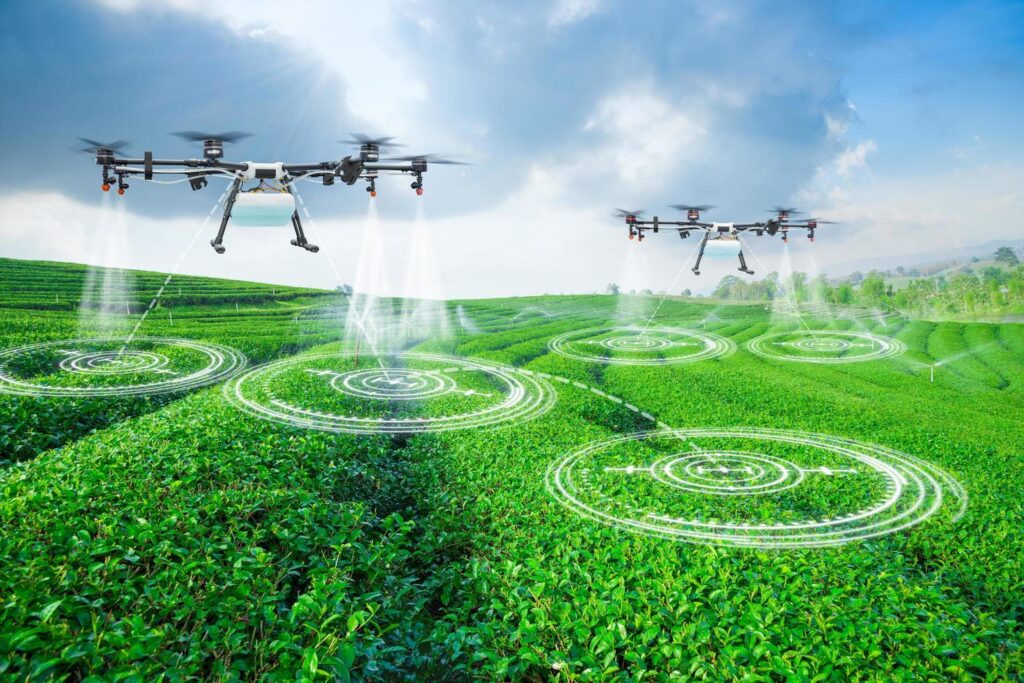
    Smart Agriculture Is Changing Farming

    Modern farming isn’t relying solely on experience anymore.

    Technology is becoming an essential partner.

    Through Smart Agriculture, farmers can monitor:

    • Soil health,
    • Weather conditions,
    • Moisture levels,
    • Crop performance.

    This information helps them make better decisions and use resources wisely.

    Instead of guessing, they’re planning with confidence.

    Precision Farming Helps Every Drop Count

    Water shortages are becoming increasingly common.

    That’s why Precision Farming is gaining attention.

    Using advanced technologies, farmers can apply water, fertilizers, and treatments exactly where they’re needed.

    This approach helps:

    • Reduce waste,
    • Lower costs,
    • Improve productivity,
    • Support environmental sustainability.

    It’s proof that efficiency and sustainability can go hand in hand.

    Building Climate-Resilient Crops

    Scientists are also developing Climate-Resilient Crops designed to withstand drought, disease, and rising temperatures.

    These innovations won’t eliminate every challenge.

    But they can help communities continue producing food despite changing conditions.

    Sometimes adaptation isn’t about changing everything.

    It’s about strengthening what already exists.

    The Rise of Smart Fisheries

    Technology is supporting coastal communities too.

    Through Smart Fisheries, digital tools can help monitor fish populations and encourage more responsible practices.

    The goal isn’t simply catching more fish today.

    It’s ensuring healthy oceans for future generations.

    Because sustainability means thinking beyond tomorrow.

    Small Choices Can Make a Big Difference

    When conversations about sustainability arise, many people assume the responsibility belongs only to governments or large corporations.

    But meaningful change often begins with everyday actions.

    We can:

    • Reduce food waste,
    • Support local producers,
    • Choose sustainable products when possible,
    • Be mindful of our consumption habits.

    None of us can solve climate change alone.

    But collectively, small actions add up.

    Final Thoughts

    The next time you notice that your grocery bill has gone up, remember that there may be a much bigger story behind those numbers.

    A farmer hoping for rain.

    A fisherman navigating uncertain waters.

    Families doing everything they can to continue feeding communities.

    Climate Change isn’t just an environmental issue.

    It’s a food issue.

    A livelihood issue.

    A community issue.

    It’s about preserving traditions, protecting futures, and ensuring that the meals we share with the people we love remain accessible for generations to come.

    The road ahead won’t be easy.

    But human beings have always found ways to adapt, innovate, and support one another.

    And perhaps that’s our greatest strength.

    Because protecting Agriculture and Fisheries isn’t simply about saving industries.

    It’s about protecting the future of food itself.

    And that’s something that affects every single one of us.

    How Sizaf Infocomm Can Help

    As industries adapt to a rapidly changing world, technology continues to play an important role in building resilience.

    At Sizaf Infocomm, we help organizations embrace digital transformation through managed IT services, secure infrastructure, cloud technologies, and scalable solutions designed to support innovation across industries—including agriculture and fisheries.

    Reach out to Sizaf Infocomm:

    📞 Malaysia: +60 146600012
    📞 USA: +1 516 880 9996
    🌐 Website: https://sizaf.com

    What About You?

    Have you noticed changes in the prices of your everyday groceries? Do you think technology can help farmers and fishing communities adapt to climate challenges?

    Share your thoughts in the comments below. We’d love to hear your perspective.

  • Why Delivery Speed Isn’t Everything: The New Rules of Customer Expectations in Logistics in 2026

    Why Delivery Speed Isn’t Everything: The New Rules of Customer Expectations in Logistics in 2026

    We All Love Fast Deliveries… But Is That Really What Matters Most?

    Let’s be honest.

    Most of us have experienced that little burst of excitement after placing an online order.

    You check the estimated delivery date.

    Then, somehow, you end up refreshing the tracking page every few hours.

    “Has it been shipped yet?”

    “Is it out for delivery?”

    “Why hasn’t the status changed?”

    A few years ago, waiting a week for a package felt completely normal.

    Today?

    If a parcel is delayed by even a day, many of us start getting impatient.

    But here’s something interesting that’s changing the logistics industry in 2026:

    Customers aren’t just asking for faster deliveries anymore.

    They’re asking for better delivery experiences.

    Because at the end of the day, people don’t simply want speed.

    They want reliability.

    They want transparency.

    And most importantly, they want to know they can trust the businesses they’re buying from.

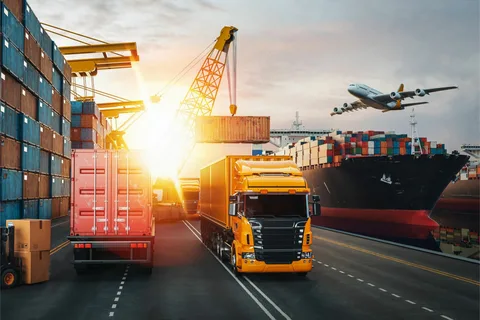
    That’s exactly why the world of Transport & Logistics is entering a new chapter.

    The Race for Faster Deliveries Is Evolving

    Delivery

    For years, companies competed to promise the quickest delivery possible.

    Same-day delivery.

    Next-day delivery.

    Even deliveries within a few hours.

    While these services are impressive, many businesses are beginning to realize something important:

    Most customers would rather hear,

    “Your package will arrive in three days, and it actually does,”

    than,

    “It’ll be there tomorrow,”

    only to face delays and disappointment.

    In other words, expectations have shifted.

    It’s no longer just about speed.

    It’s about delivering on promises.

    So, What Do Customers Really Want in 2026?

    1. Real-Time Tracking

    Let’s face it.

    We all track our packages.

    Even when we know they’ll arrive tomorrow.

    Seeing those updates gives us peace of mind.

    Thanks tok and modern Digital Logistics systems, customers can now follow their orders from the warehouse right to their doorstep.

    A simple notification saying,

    “Your package is arriving today,”

    can instantly reduce anxiety and build confidence.

    Because people don’t like uncertainty.

    They like being informed.

    2. Accurate Delivery Estimates

    Have you ever stayed home all day waiting for a package that never arrived?

    It’s frustrating.

    Today’s logistics companies are using smarter technologies to avoid situations like these.

    Tools powered by AI in Logistics and Route Optimization help businesses provide more accurate delivery windows by considering factors such as:

    • Traffic conditions,
    • Delivery locations,
    • Driver schedules,
    • Weather disruptions.

    The result?

    Fewer surprises.

    Less frustration.

    Happier customers.

    3. Better Communication Matters

    Sometimes, delays happen.

    Traffic gets worse.

    Bad weather causes disruptions.

    Unexpected situations arise.

    Most customers understand that.

    What they don’t appreciate is being left in the dark.

    A quick update explaining the situation often makes all the difference.

    Good communication turns an inconvenience into an experience people can understand.

    And trust grows when businesses are honest and transparent.

    The Technology Making It All Possible

    Delivery

    Behind every smooth delivery experience is an incredible amount of innovation.

    AI in Logistics

    Artificial intelligence is helping companies predict demand, improve planning, and make smarter decisions.

    It analyzes huge amounts of data in seconds, allowing businesses to operate more efficiently.

    Smart Fleet Management

    Today’s delivery vehicles are becoming smarter than ever.

    Through Smart Fleet Management, businesses can monitor:

    • Vehicle performance,
    • Fuel consumption,
    • Driver safety,
    • Route efficiency.

    This doesn’t just reduce costs.

    It improves the customer experience too.

    Predictive Analytics

    What if businesses could identify potential delays before they even happen?

    That’s exactly what Predictive Analytics allows them to do.

    By studying patterns and trends, companies can take proactive steps to minimize disruptions.

    Instead of reacting to problems, they’re preventing them.

    Cloud-Based Digital Logistics

    Modern logistics depends on collaboration.

    Warehouses, drivers, dispatch teams, and customer service representatives all need access to the same information.

    Digital Logistics platforms make this possible by connecting everyone in real time.

    When everyone is on the same page, deliveries become smoother and more reliable.

    Let’s Not Forget the Human Side of Logistics

    Delivery

    With all this talk about technology, it’s easy to assume machines are doing everything.

    But that’s simply not true.

    Behind every package delivered successfully are people working incredibly hard.

    Drivers navigating busy roads.

    Warehouse employees ensuring orders are packed correctly.

    Customer support teams helping solve problems.

    Operations managers coordinating countless moving parts.

    Technology makes their jobs easier.

    People make the experience meaningful.

    And no amount of automation can replace empathy, problem-solving, or human judgment.

    Customers Also Care About Sustainability

    Consumers today aren’t only asking,

    “When will my package arrive?”

    They’re also asking,

    “How is it being delivered?”

    This growing awareness has accelerated the rise of Green Logistics.

    Businesses are investing in:

    • Electric delivery vehicles,
    • Smarter route planning,
    • Fuel-efficient fleets,
    • Reduced packaging waste.

    These efforts help lower environmental impact while maintaining efficiency.

    Because convenience and responsibility can go hand in hand.

    Final Thoughts

    The future of Transport & Logistics isn’t just about being the fastest.

    It’s about being dependable.

    Customers want businesses they can trust.

    They want accurate updates.

    They want clear communication.

    They want confidence that their package will arrive exactly as promised.

    Yes, speed still matters.

    But reliability matters more.

    Transparency matters more.

    Customer experience matters more.

    The companies that understand this shift won’t simply move packages from one place to another.

    They’ll build lasting relationships with the people they serve.

    And in 2026, that might just be the biggest competitive advantage of all.

    How Sizaf Infocomm Can Help

    As logistics companies embrace Digital Transformation, having the right technology partner has never been more important.

    At Sizaf Infocomm, we help businesses modernize operations through managed IT services, secure infrastructure, cloud solutions, networking expertise, and scalable digital strategies designed to support the future of logistics.

    Reach out to Sizaf Infocomm:

    📞 Malaysia: +60 146600012
    📞 USA: +1 516 880 9996
    🌐 Website: https://sizaf.com

    What about you?

    Would you choose a delivery service that’s faster but less reliable, or one that’s slightly slower but keeps you informed every step of the way?

    Let us know in the comments below—we’d love to hear your thoughts!

  • What Happens After You Click “Buy Now”? The Complete Journey of Your Package in 2026

    What Happens After You Click “Buy Now”? The Complete Journey of Your Package in 2026

    What Happens After You Click “Buy Now”? The Story Behind Every Delivery

    Let’s be honest.

    Most of us have done it.

    It’s late at night, you’re scrolling through your favorite shopping app, and before you know it, you’ve clicked “Buy Now.”

    A few seconds later, the excitement kicks in.

    You check the estimated delivery date.

    Then you start tracking your order almost obsessively.

    “Has it shipped yet?”

    “Why is it still at the sorting center?”

    “How does it actually get to my doorstep?”

    The truth is, very few people stop to think about what happens after that purchase confirmation appears on the screen.

    Because behind every package is a fascinating journey powered by people, technology, and an incredibly complex network working around the clock.

    Let’s take a closer look at what really happens after you click “Buy Now.”

    It All Starts With a Single Click

    That simple click triggers a chain of events within seconds.

    Your order details are instantly sent to an E-Commerce Logistics system.

    The system checks:

    • Is the item in stock?
    • Which warehouse is closest to the customer?
    • What’s the fastest delivery route?
    • Can multiple items be shipped together?

    What feels like a simple transaction is actually the beginning of an intelligent process driven by Digital Logistics and Data-Driven Decision Making.

    Welcome to the World of Smart Warehouses

    package

    Once your order is confirmed, it reaches a Smart Warehouse.

    Forget the old image of warehouses filled with endless shelves and paperwork.

    Today’s warehouses are becoming highly automated environments powered by:

    • Warehouse Automation
    • Artificial Intelligence (AI)
    • Internet of Things (IoT)
    • Barcode and RFID technologies
    • Real-time inventory systems

    Employees receive digital instructions that guide them to the exact location of your item.

    In some facilities, robots even assist workers by transporting products across the warehouse floor.

    It’s not humans versus machines.

    It’s collaboration designed to improve speed and accuracy.

    Finding Your Package Among Thousands

    Imagine a warehouse handling thousands—or even millions—of products.

    How does your order get picked so quickly?

    This is where AI in Logistics shines.

    Advanced systems analyze:

    • Product locations,
    • Order priorities,
    • Staff availability,
    • Packing station workloads.

    The goal?

    Move your package efficiently without creating delays.

    These intelligent systems help businesses improve Operational Efficiency while minimizing errors.

    Packing: More Important Than You Think

    package

    Once your item is picked, it moves to the packing station.

    This step isn’t just about putting products into boxes.

    Packaging teams ensure:

    • Fragile items receive proper protection,
    • Correct labels are attached,
    • Shipping regulations are followed,
    • Packages are prepared for transportation.

    A simple mistake here can lead to damaged products or delivery delays.

    That’s why quality checks remain an essential part of the process.

    Technology assists.

    People make sure everything is right.

    The Journey to the Sorting Center

    After packing, your order leaves the warehouse.

    Its next stop?

    A sorting facility.

    This is where thousands of packages arrive every hour.

    Using Logistics Automation, conveyor systems and scanning technologies sort packages based on destination.

    Some facilities can process thousands of parcels every minute.

    Without these systems, online shopping as we know it simply wouldn’t be possible.

    Why Real-Time Tracking Feels Like Magic

    One of the best parts of online shopping is being able to track your package.

    We’ve all refreshed the tracking page more times than we’d like to admit.

    That visibility is made possible through:

    • Real-Time Tracking
    • GPS technologies,
    • Connected transportation systems,
    • Cloud-based logistics platforms.

    Every scan updates the status of your shipment.

    That’s why you can see messages like:

    • “Package received.”
    • “In transit.”
    • “Out for delivery.”

    It provides reassurance and transparency throughout the delivery journey.

    The Biggest Challenge: Last-Mile Delivery

    package

    Here’s something many people don’t realize.

    The final stage of delivery is often the most difficult.

    Known as Last-Mile Delivery, it’s the process of getting your package from the local distribution hub to your doorstep.

    Challenges include:

    • Traffic congestion,
    • Weather disruptions,
    • Incorrect addresses,
    • Failed delivery attempts.

    Companies are increasingly using Route Optimization and Smart Transportation technologies to solve these problems.

    By analyzing traffic patterns and delivery schedules, drivers can choose more efficient routes.

    The result?

    Faster deliveries and happier customers.

    The Human Side of Logistics

    With all this technology, it’s easy to assume machines do everything.

    But that’s far from reality.

    Behind every successful delivery are people working tirelessly to keep the system moving.

    Warehouse teams.

    Drivers.

    Customer service representatives.

    Operations managers.

    IT specialists.

    Technology supports them, but human expertise keeps everything running smoothly.

    Even in the age of automation, people remain at the heart of the logistics industry.

    Sustainability Is Becoming a Priority

    Consumers today care about more than just speed.

    They also care about the environment.

    As a result, businesses are investing in Green Logistics initiatives such as:

    • Optimized delivery routes,
    • Fuel-efficient vehicles,
    • Reduced packaging waste,
    • Electric delivery fleets.

    The goal is to balance convenience with responsibility.

    Because delivering millions of packages shouldn’t come at the expense of the planet.

    What the Future of Deliveries Could Look Like

    The logistics industry continues to evolve rapidly.

    Some emerging trends include:

    While not every innovation will become mainstream overnight, one thing is clear:

    The future of E-Commerce Logistics will be faster, smarter, and more customer-focused than ever before.

    Final Thoughts

    The next time you click “Buy Now,” take a moment to appreciate everything happening behind the scenes.

    That package doesn’t magically appear at your doorstep.

    It travels through a carefully coordinated network powered by innovation, planning, and people who work tirelessly to make modern convenience possible.

    From Smart Warehouses and AI in Logistics to Real-Time Tracking and Last-Mile Delivery, every step plays a vital role.

    And while technology continues to reshape the industry, one thing remains unchanged:

    Behind every successful delivery is a team of people dedicated to getting your order safely into your hands.

    So the next time your package arrives, you’ll know the incredible journey it took to get there.

    How Sizaf Infocomm Can Help

    As businesses embrace Digital Transformation and smarter operations, having the right technology partner matters.

    At Sizaf Infocomm, we help organizations modernize through managed IT services, secure infrastructure, cloud solutions, networking expertise, and scalable digital strategies that support the future of logistics and beyond.

    Reach out to Sizaf Infocomm:

    📞 Malaysia: +60 146600012
    📞 USA: +1 516 880 9996
    🌐 Website: https://sizaf.com

    What about you?

    Have you ever tracked a package every few hours waiting for it to arrive?

    Share your funniest or most memorable delivery experience in the comments below!