Author: Shumaila

  • Construction & Real Estate in Malaysia: How the Industry Is Quietly Changing From the Ground Up

    Construction & Real Estate in Malaysia: How the Industry Is Quietly Changing From the Ground Up

    The Way We Build Has Changed—Even If It Doesn’t Always Look Like It

    At first glance, a construction site still looks familiar.

    Steel frames. Concrete mixers. Safety helmets. Long working hours under the sun.

    But behind all that physical effort, something else is happening—something quieter, but just as important.

    Construction and real estate in Malaysia are becoming deeply digital, whether people realize it or not.

    Projects are no longer driven only by drawings and phone calls. They’re driven by data, connectivity, and systems working silently in the background.

    From Clipboards to Cloud Platforms

    Not too long ago, site updates were written on paper. Changes took days to circulate. Mistakes were discovered late—and fixing them was expensive.

    Today, many teams work very differently.

    Plans are shared digitally. Updates happen in real time. Everyone—from architects to engineers to project managers—can see the same information at the same time.

    This doesn’t remove challenges, but it reduces confusion.
    And in construction, clarity saves time, money, and stress.

    Why Internet Connectivity Now Matters on the Job Site

    Construction

    Construction sites are no longer isolated locations.

    They’re connected environments.

    Project managers track progress online. Engineers review updates remotely. Suppliers coordinate deliveries digitally. Clients expect updates without delays.

    All of this depends on reliable internet connectivity.

    When connectivity is stable, decisions happen faster.
    When it isn’t, delays ripple through the entire project.

    In today’s construction world, a weak connection can slow progress just as much as bad weather.

    Real Estate Has Become a Digital First Impression

    For buyers and tenants, the real estate journey almost always starts online.

    People now:

    • browse listings on their phones
    • take virtual property tours
    • compare prices instantly
    • message agents directly
    • complete paperwork digitally

    A property may be well designed—but if its online presence is weak, many potential buyers will never even notice it.

    In a competitive Malaysian market, digital experience often shapes first impressions long before a physical visit happens.

    Smart Buildings Are Changing Expectations

    Construction

    What used to be considered “premium features” are slowly becoming standard.

    Smart access systems.
    Energy-efficient controls.
    Integrated security.
    Centralized building management.

    These systems don’t just make buildings more modern—they make them easier to manage and more comfortable to live or work in.

    For owners and developers, smart buildings also offer something valuable: insight.
    Data helps reduce costs, improve safety, and plan better for the future.

    Security Is Now Part of Construction and Property Management

    As construction and real estate become more digital, security becomes impossible to ignore.

    The industry handles sensitive information every day:

    • contracts and legal documents
    • financial records
    • architectural plans
    • client and investor data

    A single breach can delay projects, damage reputations, and create long-term trust issues.

    Strong digital security isn’t about fear—it’s about professionalism and responsibility.

    Transparency Builds Better Relationships

    Construction

    One of the biggest benefits of digital tools in construction is transparency.

    Clear timelines.
    Documented approvals.
    Trackable changes.
    Shared dashboards.

    When everyone sees the same information, trust improves.

    Clients feel informed. Contractors feel aligned. Teams work with fewer misunderstandings.

    Transparency doesn’t eliminate challenges—but it makes them easier to manage.

    Technology Doesn’t Replace People—It Supports Them

    There’s a common fear that technology removes the human element from construction.

    In reality, it does the opposite.

    When systems handle repetitive tasks, people focus on:

    • problem-solving
    • planning
    • collaboration
    • quality control

    Good technology reduces frustration.
    Less frustration leads to better work.

    How Sizaf Infocomm Supports Construction & Real Estate Companies

    At Sizaf Infocomm, we understand that construction and real estate demand systems that are stable, secure, and practical.

    We support the industry with:

    • Managed IT & Network Services
    • Secure Connectivity for Construction Sites
    • Cloud Infrastructure & Data Management
    • Cybersecurity & Compliance Support
    • Scalable Digital Solutions for Growing Projects

    Our goal is simple:
    make technology reliable, so your focus stays on building.

    Conclusion: Strong Buildings Need Strong Digital Foundations

    Construction and real estate in Malaysia are evolving—step by step, project by project.

    The future isn’t just about better materials or taller buildings.
    It’s about smarter planning, connected teams, secure systems, and smoother experiences.

    Those who invest in digital readiness today won’t just build faster—they’ll build with confidence.

    If your construction or real estate business is preparing for what comes next, remember this:

    Strong digital foundations matter just as much as strong physical ones.

    📞 Reach Out to Sizaf Infocomm
    Malaysia: +60 146600012
    USA: +1 516 880 9996

  • Travel & Leisure in the Internet Age: How Digital Connectivity Is Redefining the Way Malaysians Explore

    Travel & Leisure in the Internet Age: How Digital Connectivity Is Redefining the Way Malaysians Explore

    Travel Today Is No Longer Just About the Destination

    Not too long ago, travel meant guidebooks, paper tickets, and hoping the hotel Wi-Fi worked.

    Today, travel starts long before the suitcase comes out.

    It starts with:

    • a late-night Google search
    • a TikTok travel video
    • a hotel review on your phone
    • a flight alert notification

    For Malaysians, travel and leisure have become deeply connected to the internet — quietly, naturally, and completely.

    The Internet Changed How We Plan Our Journeys

    Planning a trip today feels almost effortless.

    With just a smartphone and stable internet, travelers can:

    • compare flight prices in seconds
    • book hotels instantly
    • explore destinations through virtual tours
    • read real traveler reviews
    • plan routes, food spots, and experiences

    The internet has turned travel planning from a stressful task into part of the excitement.

    And in Malaysia, where both domestic tourism and international travel are growing, this digital shift has changed expectations forever.

    Why Internet Connectivity Matters More Than Luxury

    Leisure

    Luxury used to mean five-star hotels and premium services.

    Now, it also means:

    • fast Wi-Fi
    • reliable mobile data
    • seamless online access

    Travelers today — especially digital natives — choose destinations where they can stay connected.

    Whether it’s a beach resort in Langkawi, a café in Penang, or a highland stay in Cameron Highlands, internet reliability has become part of the travel experience.

    No signal often means no sharing, no navigation, and no convenience — and travelers notice.

    Digital Nomads Are Reshaping Travel & Leisure

    Malaysia has quietly become a favorite destination for digital nomads.

    Remote workers look for places that offer:

    • stable high-speed internet
    • affordable living
    • comfortable workspaces
    • cultural experiences

    For them, travel isn’t a break from work — it’s a new way of living.

    This shift has influenced:

    • hotels offering work-friendly spaces
    • cafés providing strong Wi-Fi
    • co-living and co-working travel stays

    Leisure and productivity now exist side by side.

    Social Media Has Become the New Travel Guide

    Leisure

    Ask a traveler today where they got their travel inspiration.

    The answer is rarely a brochure.

    It’s more likely:

    • Instagram reels
    • YouTube vlogs
    • travel blogs
    • Google reviews

    Social media doesn’t just influence where people go — it shapes expectations.

    Destinations are now experienced twice:

    1. online, through screens
    2. in real life, through presence

    For tourism businesses, digital presence is no longer optional — it’s essential.

    Smart Technology Is Enhancing On-Ground Experiences

    Once travelers arrive, the internet continues to guide them.

    Smart travel experiences now include:

    • digital maps and navigation
    • QR-based menus
    • online ticketing for attractions
    • instant translation apps
    • cashless payments

    For international visitors and local explorers alike, these tools reduce friction and increase comfort.

    Travel becomes smoother, safer, and more enjoyable.

    The Role of Security in Digital Travel

    Leisure

    With more digital touchpoints comes greater responsibility.

    Travelers share:

    • passport details
    • payment information
    • location data
    • personal preferences

    Secure networks and digital governance matter deeply in travel and leisure.

    A secure digital environment ensures:

    • safe bookings
    • protected transactions
    • trusted platforms
    • confident travelers

    Security isn’t visible when it works — but it’s felt when it fails.

    How Internet Technology Supports Malaysia’s Tourism Growth

    Malaysia’s tourism growth depends not just on attractions, but on digital readiness.

    Strong connectivity helps:

    • promote destinations globally
    • support smart tourism initiatives
    • enable real-time visitor services
    • improve traveler satisfaction

    Digital infrastructure has become part of tourism infrastructure.

    Travel Is Still About Feeling — Technology Just Helps It Flow

    At its heart, travel is emotional.

    It’s about:

    • discovery
    • rest
    • connection
    • memories

    The internet doesn’t replace those feelings — it removes obstacles that get in the way.

    When technology works quietly in the background, travelers are free to focus on the moment.

    How Sizaf Infocomm Supports Travel & Leisure Businesses

    At Sizaf Infocomm, we help travel and leisure businesses stay digitally ready by offering:

    • Managed IT & Network Services
    • Secure Connectivity Solutions
    • Cloud Infrastructure Support
    • Cybersecurity & Data Protection
    • Scalable Digital Systems

    We help tourism businesses create experiences that are not just memorable — but reliable and secure.

    Conclusion: Modern Travel Needs More Than Beautiful Places

    Travel and leisure have evolved.

    Today’s travelers expect:

    • seamless connectivity
    • digital convenience
    • secure online experiences

    As Malaysia continues to attract global and local travelers, strong digital infrastructure will shape how the country is explored, shared, and remembered.

    If your travel or leisure business is preparing for the next wave of digital tourism, the right technology partner makes all the difference.

    📞 Reach Out to Sizaf Infocomm
    Malaysia: +60 146600012
    USA: +1 516 880 9996

  • Non-Profit Organizations in the Digital Age: How Technology Is Helping Malaysia Do More Good

    Non-Profit Organizations in the Digital Age: How Technology Is Helping Malaysia Do More Good

    When Technology and Purpose Collide

    The purpose of non-profit organizations is not financial gain.

    They are there to change things.

    They support communities, save lives, educate minds, and advocate for causes that are frequently overlooked while working with tight budgets, small teams, and significant responsibilities.

    Many nonprofits used paper records, manual procedures, and word-of-mouth marketing for a very long time. It was exhausting, but it worked.

    Something has changed today.

    Silently, technology is emerging as one of the most powerful allies that nonprofits have ever had.

    Today’s Reality of Non-Profit Management

    Every nonprofit is driven by a group of people who are trying to balance too much and not enough.

    They are able to:

    • relationships with donors
    • beneficiary records, volunteer initiatives, and reporting
    • compliance and transparency
    • all the while attempting to maintain their mission’s focus.

    While digital tools don’t take the place of the core of nonprofit work, they do eliminate obstacles, freeing up energy to focus on helping people.

    Digital Transformation Isn’t About Being “Modern

    organizations

    Going digital isn’t about appearances or trends for nonprofits.

    It’s about trust, efficiency, and survival.

    Simple digital adjustments may result in:

    • quicker communication with donors
    • improved documentation
    • more lucid reporting
    • safer storage of data
    • broader reach

    Teams can breathe easier when systems function properly.

    Impact increases when teams are able to breathe more easily.

    Why Non-Profit Organizations Need Trust

    Trust is the foundation of nonprofits.

    Donors have faith in the responsible use of their contributions.

    Beneficiaries entrust sensitive personal information to organizations.

    Volunteers have faith that their time is appreciated.

    Years of credibility can be ruined by a single data breach or system malfunction.

    Because of this, even though it is frequently disregarded, security is extremely important in the nonprofit sector.

    Data protection is a moral obligation as well as a technical one.

    Keeping Donor and Beneficiary Data Safe

    organizations

    Every day, nonprofits deal with sensitive data:

    • Details of the donor
    • financial documentation
    • identities of beneficiaries
    • data on health or education

    Transferring this data to safe digital systems aids:

    • stop data loss
    • lessen unwanted access
    • guarantee adherence
    • increase stakeholders’ trust

    Nonprofits can function openly and fearlessly thanks to security.

    Leveling the Playing Field with Cloud Technology

    For nonprofits, cloud platforms have changed everything.

    They enable businesses to:

    • securely store data without the need for costly infrastructure
    • Work together from a distance
    • scale operations as programs expand
    • swiftly recover from technical difficulties

    Above all, cloud systems enable small nonprofits to operate as efficiently as much larger organizations.

    Hardware budgets should never determine impact.

    Technology Helps Nonprofits Reach More People

    organizations

    Digital tools don’t just improve internal operations—they expand reach.

    With the internet and digital platforms, nonprofits can:

    • raise awareness online
    • run digital fundraising campaigns
    • connect with global supporters
    • tell their stories authentically

    A single post, email, or campaign can now reach thousands—sometimes millions.

    Technology doesn’t replace human connection.
    It amplifies it.

    Governance Brings Structure Without Losing Compassion

    Good governance helps nonprofits stay organized, accountable, and compliant—without losing their soul.

    Clear governance frameworks define:

    • who accesses data
    • how decisions are made
    • how funds are tracked
    • how risks are managed

    This clarity protects both the organization and the people it serves.

    Structure doesn’t weaken compassion—it supports it.

    The Human Side of Digital Change

    organizations

    Digital transformation can feel overwhelming, especially for nonprofits with limited resources.

    But it doesn’t have to be complicated.

    The most successful nonprofit tech journeys start small:

    • better email systems
    • secure data storage
    • simple reporting tools
    • basic cybersecurity practices

    When teams are trained and supported, technology becomes empowering—not intimidating.

    How Sizaf Infocomm Supports Non-Profit Organizations

    At Sizaf Infocomm, we understand that nonprofits have unique challenges.

    Our approach is practical, respectful, and mission-focused.

    We support nonprofits with:

    • Managed IT & Network Services
    • Secure Cloud Solutions
    • Data Protection & Cybersecurity
    • Scalable Digital Infrastructure
    • Long-term Technology Guidance

    We believe technology should support purpose, not complicate it.

    Conclusion: Doing More Good With the Right Digital Support

    Non-profit organizations exist because people care.

    Technology helps that care travel further, work smarter, and last longer.

    With the right digital foundation, nonprofits can:

    • protect trust
    • improve transparency
    • reduce operational stress
    • focus more deeply on their mission

    Digital tools don’t change why nonprofits exist.
    They strengthen how they serve.

    If your nonprofit is ready to grow safely and sustainably in a digital world, the right technology partner can make all the difference.

    Reach Out to Sizaf Infocomm
    Malaysia: +60 146600012
    USA: +1 516 880 9996

  • Health & Security: Why Feeling Safe Is Just as Important as Getting Care in Malaysia’s Digital Age

    Health & Security: Why Feeling Safe Is Just as Important as Getting Care in Malaysia’s Digital Age

    When Healthcare Becomes Digital, Trust Becomes Everything

    Health is personal.

    It’s not just about hospitals, doctors, or prescriptions.
    It’s about late-night worries. Test results you’re nervous to open. Messages from clinics that make your heart pause for a second.

    Now imagine all of that moving online.

    Digital records. Teleconsultations. Health apps. Wearable devices. Cloud-based systems.

    While digital healthcare has made life easier for many Malaysians, it has also raised a quiet but powerful question:

    “Is my health information truly safe?”

    This is where health and security come together—not as technical terms, but as deeply human concerns.

    The Digital Shift in Malaysian Healthcare Is Real

    Healthcare in Malaysia has changed rapidly in recent years.

    Today, patients:

    • book appointments online
    • receive lab results digitally
    • consult doctors remotely
    • store medical histories in cloud systems

    Clinics and hospitals rely on interconnected platforms to deliver faster, more efficient care.

    But with every digital convenience comes a responsibility—to protect what matters most: people’s lives and their private information.

    Why Security in Healthcare Is Not Optional

    malaysia

    Health data is different from other data.

    If an email address is leaked, it’s annoying.
    If financial data is stolen, it’s stressful.
    But if medical data is exposed, it can be deeply damaging—emotionally, socially, and even professionally.

    Medical records contain:

    • personal identities
    • medical histories
    • mental health information
    • genetic and lifestyle details

    Protecting this information is not just about compliance—it’s about respecting human dignity.

    Security Isn’t About Fear — It’s About Care

    There’s a misconception that security is built on fear.

    In healthcare, it’s built on care.

    Security ensures:

    • patients feel confident sharing honest information
    • doctors trust the systems they rely on
    • institutions maintain credibility
    • care continues without disruption

    When systems are secure, healthcare professionals can focus on what they do best—healing people.

    The Quiet Role of Technology in Safe Healthcare

    malaysia

    Most patients never see the technology working behind the scenes—and that’s exactly how it should be.

    Strong health security involves:

    • encrypted patient records
    • controlled system access
    • continuous monitoring
    • secure cloud infrastructure
    • backup and recovery planning

    When done right, security becomes invisible—but its impact is powerful.

    Patients don’t think about firewalls.
    They think about peace of mind.

    Telemedicine and Remote Care Need Stronger Protection

    Telemedicine has opened doors, especially for:

    • rural communities
    • elderly patients
    • people with mobility challenges

    But remote care only works when communication channels are secure.

    Imagine discussing sensitive health concerns over an unsecured platform.
    Trust disappears instantly.

    Secure networks ensure that remote healthcare feels just as safe as a visit to a physical clinic.

    Human Error: The Most Overlooked Health Risk

    malaysia

    Not all health security risks come from hackers.

    Many come from simple mistakes:

    • shared passwords
    • unattended systems
    • unsecured devices
    • lack of staff training

    That’s why health security is not only a technical issue—it’s a human one.

    When healthcare teams understand why security matters, they become part of the protection system, not the weakest link.

    Governance in Healthcare Builds Long-Term Trust

    Good healthcare governance sets the rules that protect both patients and providers.

    It defines:

    • who can access medical data
    • how long data is stored
    • how systems are monitored
    • how incidents are handled

    Governance brings structure, clarity, and accountability—especially in a sector where mistakes can have serious consequences.

    Malaysia’s Healthcare Future Depends on Secure Foundations

    As Malaysia continues investing in digital health, smart hospitals, and AI-assisted diagnostics, security must grow alongside innovation.

    Progress without protection creates vulnerability.

    But progress built on secure systems creates:

    • confidence
    • continuity
    • better outcomes
    • stronger public trust

    Healthcare should never force people to choose between convenience and safety.

    How Sizaf Infocomm Supports Health & Security

    At Sizaf Infocomm, we understand that healthcare technology is not just infrastructure—it’s responsibility.

    We help healthcare organizations with:

    • Secure IT & Network Management
    • Cloud Infrastructure for Healthcare Systems
    • Data Protection & Cybersecurity Solutions
    • Compliance-Ready Digital Frameworks
    • Ongoing Monitoring and Support

    Our focus is simple:
    protect care by protecting systems.

    Conclusion: Health Is Human — Security Protects That Humanity

    Healthcare is built on trust.

    Patients trust doctors.
    Doctors trust systems.
    Communities trust institutions.

    In a digital world, that trust only survives when security is strong, thoughtful, and consistent.

    Health and security are no longer separate conversations—they are two sides of the same promise:
    to care without compromise.

    If your healthcare organization is moving forward digitally, make sure safety moves with it.

    📞 Connect with Sizaf Infocomm
    Malaysia: +60 146600012
    USA: +1 516 880 9996

  • Governance & Security: Why Trust Is the Real Foundation of Malaysia’s Digital Future

    Governance & Security: Why Trust Is the Real Foundation of Malaysia’s Digital Future

    When Technology Moves Fast, Trust Must Move Faster

    Think about how much of your life now happens online.

    You pay bills through apps.
    You store business data in the cloud.
    You access government services without stepping into an office.
    You trust websites with personal and financial information—often without a second thought.

    Now imagine what happens when that trust is broken.

    A single data breach.
    A leaked database.
    A hacked system.

    Suddenly, technology doesn’t feel empowering—it feels risky.

    That’s why governance and security are no longer “technical topics.”
    They are human topics, tied directly to trust, confidence, and peace of mind.

    Governance Is Not Control — It’s Clarity

    Many people misunderstand governance.

    They think it’s about restrictions, paperwork, or slowing things down.
    In reality, good governance makes digital systems easier to trust and easier to use.

    In Malaysia’s digital environment, governance helps answer important questions like:

    • Who owns the data?
    • Who can access it?
    • How is it protected?
    • What happens if something goes wrong?

    When these answers are clear, people feel safe using digital platforms.
    And when people feel safe, digital adoption grows naturally.

    That’s how digital economies scale—not through speed alone, but through confidence.

    Security Is No Longer Just an IT Department’s Job

    governance

    There was a time when security sat quietly in the background.

    Today, security sits right next to leadership decisions.

    Why?

    Because cyber risks now affect everyone:

    • Government portals
    • Banks and financial institutions
    • Hospitals and clinics
    • Schools and universities
    • Logistics companies
    • Small and medium businesses

    A security failure is no longer “just a system issue.”
    It’s a reputational issue.
    A legal issue.
    A trust issue.

    And rebuilding trust is always harder than protecting it in the first place.

    Malaysia’s Digital Growth Needs a Strong Safety Net

    Malaysia is moving forward digitally—and that’s a good thing.

    From smart cities to cloud-first businesses and AI-driven services, innovation is everywhere. But growth without protection is fragile.

    That’s why governance and security must grow alongside technology, not behind it.

    Strong digital frameworks help ensure:

    • citizen data stays private
    • business systems remain reliable
    • digital services remain available
    • innovation happens responsibly

    Security doesn’t slow progress.
    It protects progress.

    The Cloud Changed Everything — Including Responsibility

    governance

    Cloud technology has transformed how organizations work.

    Teams collaborate remotely.
    Data is accessed anytime, anywhere.
    Systems scale instantly.

    But with that flexibility comes responsibility.

    Without proper governance, cloud systems can become:

    • overexposed
    • misconfigured
    • poorly monitored

    That’s why modern organizations focus on:

    • access control
    • encrypted data storage
    • continuous monitoring
    • backup and recovery planning

    Cloud freedom only works when it’s paired with cloud discipline.

    The Human Factor: The Most Overlooked Security Layer

    Here’s an uncomfortable truth:

    Most cyber incidents don’t start with advanced hackers.
    They start with simple human mistakes.

    A weak password.
    A phishing email.
    An unsecured device.
    A rushed click.

    That’s why governance and security aren’t just about systems—they’re about people.

    When teams understand why security matters, not just what to do, protection becomes part of everyday behavior.

    Security culture matters more than any single tool.

    Governance Builds Trust — Security Protects It

    governance

    Trust is fragile in the digital world.

    Governance creates the rules that earn trust.
    Security enforces those rules every second of the day.

    Together, they make digital systems:

    • dependable
    • transparent
    • resilient
    • scalable

    Without them, even the most advanced technology eventually fails.

    How Sizaf Infocomm Helps Organizations Stay Secure and Confident

    At Sizaf Infocomm, we understand that governance and security are not checklists—they’re ongoing commitments.

    We help organizations by providing:

    • Managed IT & Network Security
    • Secure Cloud & Infrastructure Solutions
    • Cybersecurity Risk Assessments
    • Compliance-focused IT Services
    • Long-term Digital Security Planning

    Our goal is simple:
    help you grow digitally without losing control, safety, or trust.

    Final Thoughts: Digital Progress Only Works When People Feel Safe

    Malaysia’s digital future is bright.

    But real progress isn’t measured by how fast systems run—it’s measured by how much people trust them.

    Strong governance provides direction.
    Strong security provides protection.

    Together, they create a digital environment where innovation feels safe, reliable, and sustainable.

    If your organization is serious about long-term digital growth, governance and security should never be an afterthought.

    📞 Talk to Sizaf Infocomm
    Malaysia: +60 146600012
    USA: +1 516 880 9996

  • The Intelligent Internet Era: How AI-Powered Connectivity Is Transforming Malaysia’s Digital Life in 2026

    The Intelligent Internet Era: How AI-Powered Connectivity Is Transforming Malaysia’s Digital Life in 2026

    Welcome to the Intelligent Internet Era in Malaysia.

    In Malaysia, the internet has subtly changed.

    Speed, data plans, and Wi-Fi signals are no longer the only factors.

    The internet is now intelligent in 2026.

    Malaysia is entering a stage where the internet not only connects devices but also comprehends users, from AI-driven recommendations to smart city networks and predictive digital services.

    This change is already having an impact on how you live, work, and communicate, whether you’re a business owner, student, healthcare professional, or regular internet user.

    What Is an AI-Powered Internet?

    To put it simply, an AI-powered internet makes digital experiences quicker, safer, and more customized by utilizing real-time data, cloud computing, and artificial intelligence.

    Rather than responding to events as they occur, the internet now

    • forecasts the actions of users
    • automatically optimizes network traffic
    • enhances cybersecurity instantly
    • adjusts digital services in response to demand

    Consider it an internet that is constantly evolving and learning.

    Furthermore, Malaysia is adopting it more quickly than most people are aware.

     Why Malaysia Is Moving Toward Smart Connectivity

    AI

    The rise of digital technology in Malaysia is not coincidental.

    This change is being driven by a number of important factors:

    • Nationwide rollout of 5G
    • Cloud adoption has increased across industries.
    • Increasing demand for digital services and remote work
    • Government emphasis on the digital economy and smart cities
    • Companies switching to AI-powered platforms

    The objective is very clear: Create a networked ecosystem where data flows safely and easily, increasing innovation and productivity across industries.

    The Advantages of Intelligent Internet for Businesses

    AI-powered internet is now essential for Malaysian companies, not just a luxury.

    🔹 More Astute Operations

    AI-driven networks are now used by businesses to track system performance, anticipate malfunctions, and minimize downtime before problems arise.

    🔹Improved Client Experiences

    Businesses can now reply to clients more quickly and precisely thanks to chatbots and personalized content delivery.

    🔹Increased Cybersecurity

    AI-based security systems lower the risk of cyberattacks and data breaches by instantly identifying threats.

    Smart connectivity results in reduced expenses, improved performance, and increased trust for both SMEs and large corporations.

    Education Is Changing to Be More Student-Centric and Adaptive

    AI

    Malaysian education is undergoing a significant change as well.

    With internet systems driven by AI:

    • Online learning environments adapt to the speed of each student.
    • Virtual classrooms function flawlessly and have no connectivity problems.
    • Instant feedback is provided by digital assessments.
    • Teachers monitor student participation in real time.

    One learning style is no longer imposed on students.

    The internet adjusts to them, increasing the effectiveness and inclusivity of education.

    Healthcare Is Getting Faster, Safer, and More Connected

    Healthcare is one of the biggest beneficiaries of intelligent internet infrastructure.

    AI-enabled connectivity allows:

    • telemedicine consultations without lag
    • secure sharing of patient records
    • real-time health monitoring through wearables
    • faster diagnosis using cloud-based systems

    In both urban and rural areas, smart internet access is helping doctors reach patients who were once difficult to serve.

    This is not just digital progress—it’s life-changing access to care.

     Smart Cities and Everyday Digital Life

    AI

    Malaysia’s smart city initiatives depend heavily on AI-powered internet networks.

    These systems help manage:

    • traffic flow and public transport
    • energy usage and smart grids
    • public safety monitoring
    • environmental data and sustainability efforts

    For everyday users, this means smoother commutes, safer neighborhoods, and more efficient public services—often without even noticing the technology behind it.

    The Growing Importance of Secure Internet Infrastructure

    With intelligence comes responsibility.

    As internet systems become smarter, security and governance become critical.

    AI-driven internet platforms require:

    • secure network architecture
    • strong data protection policies
    • real-time threat monitoring
    • compliance with national and global regulations

    This is where professional IT and connectivity partners play a vital role—ensuring systems are not just fast, but also safe and reliable.

    Supporting Malaysia’s Digital Future With the Right Technology Partner

    At Sizaf Infocomm, we help organizations prepare for and thrive in the intelligent internet era by offering:

    • Managed IT & Network Services
    • Secure Cloud Infrastructure
    • AI-ready Connectivity Solutions
    • Cybersecurity & Data Protection
    • Digital Transformation Consulting

    We don’t just provide technology—we help businesses, institutions, and organizations future-proof their digital ecosystem.

    Conclusion: The Internet Is No Longer Just Connected—It’s Intelligent

    Malaysia’s internet journey has entered a new phase.

    In 2026, the internet is no longer passive.
    It thinks, learns, adapts, and protects.

    From smarter businesses and adaptive education to connected healthcare and intelligent cities, AI-powered internet connectivity is shaping a future that’s more efficient, inclusive, and innovative.

    If your organization is planning its next digital step, now is the time to build smarter connectivity.

    📞 Reach Out to Sizaf Infocomm
    Malaysia: +60 146600012
    USA: +1 516 880 9996

  • Understanding How the Internet Works in Malaysia in 2026: A Simple Guide for Everyday Users

    Understanding How the Internet Works in Malaysia in 2026: A Simple Guide for Everyday Users

    Introduction: We Rarely Give It Much Thought Despite Using the Internet Every Day

    Most of us don’t consider how the internet functions when we wake up. All we want is for it to work.

    Without pausing to consider what’s going on in the background, we check WhatsApp before getting out of bed, use Google Maps to avoid traffic, place online food orders, attend Zoom meetings, and browse social media at night.

    In 2026, the internet has subtly integrated itself into daily life in Malaysia. This blog provides clear, understandable explanations of how everything operates without using technical jargon.

    1. The Primary Internet Types Used by Malaysians

    There are a few common ways that people in Malaysia connect to the internet.

    Broadband at Home

    The majority of people use this internet connection at home. It works best when:

    • There are several people online at once.
    • You’re taking online courses or watching videos.
    • You do your work from home.

    In general, home broadband is dependable and steady, especially when used for extended periods of time.

    Mobile Internet

    There is mobile internet everywhere. It keeps us in touch whether we’re driving, shopping, or relaxing in a café. Due to its speed, convenience, and constant availability, mobile data is heavily relied upon by the majority of Malaysians.

    Wi-Fi in public

    Public Wi-Fi is useful, but it’s best for light browsing. It’s not always secure, so it’s better to avoid logging into sensitive accounts when using it.

    Most people in Malaysia use a mix of all three without even realizing it.

    2. The True Meaning of “Internet Speed”

    work

    It can be annoying when the internet seems sluggish. However, speed is more than one factor.

    What truly influences your experience is as follows:

    • Download speed: The speed at which content loads
    • Upload speed is crucial for sending files and making video calls.
    • Stability: Does the connection fail?
    • Latency: The speed at which your actions react

    Although many Malaysians have access to faster speeds in 2026, having a reliable connection is frequently more crucial than having the highest number on paper.

    3. Why Mobile Internet Is So Important in Malaysia

    Malaysia is a mobile-first country.

    People use their phones for:

    • Payments
    • Shopping
    • Messaging
    • Social media
    • Navigation

    Because of this, services that don’t work well on mobile quickly get ignored. Slow pages, tiny text, or complicated forms can push users away instantly.

    This is why mobile-friendly internet experiences matter so much today.

    4. What 5G Actually Changes for Everyday Users

    work

    5G is often talked about as “super-fast internet,” but for everyday users, the biggest benefit is smoothness.

    With better 5G coverage in Malaysia:

    • Video calls feel clearer
    • Streaming loads faster
    • Apps respond quicker
    • Connections are more stable in busy areas

    You may not always notice 5G directly — but you’ll feel fewer interruptions.

    5. Why Internet Sometimes Feels Slow (Even When It Shouldn’t)

    Even with good internet, problems can happen. Common reasons include:

    • Too many devices connected at once
    • Weak Wi-Fi signal in certain rooms
    • Heavy usage during peak hours
    • Old phones or routers

    Understanding these small factors can help reduce frustration and improve everyday usage.

    6. Staying Safe Online Matters More Than Ever

    work

    As more personal and financial activities move online, internet safety becomes essential.

    Simple habits can make a big difference:

    • Using strong passwords
    • Avoiding suspicious links
    • Checking for secure websites
    • Being careful with personal details

    In 2026, using the internet safely is just as important as using it fast.

    7. How the Internet Supports Daily Life in Malaysia

    The internet now supports almost everything we do:

    • Students attend online classes
    • Employees collaborate remotely
    • Families manage finances digitally
    • Patients consult doctors online
    • Citizens access government services

    It’s no longer just about entertainment — it’s about convenience, access, and connection.

    Conclusion: Understanding the Internet Makes Life Easier

    You don’t need to be a tech expert to use the internet well.

    By understanding the basics — how connections work, why speed varies, and how to stay safe — Malaysians can enjoy smoother online experiences and make better choices in daily digital life.

    In 2026, the internet in Malaysia is more reliable and more essential than ever. Knowing how it works helps you use it with confidence, not confusion.

    If you ever need help with internet solutions, digital systems, or managed IT support designed for Malaysia’s growing digital needs, expert guidance can save time and effort.

    Reach out to Sizaf Infocomm

    📞 Malaysia: +60 146600012
    📞 USA: +1 516 880 9996

    Sizaf Infocomm supports individuals and businesses with practical, reliable internet-driven solutions suited for Malaysia’s digital environment.

  • Malaysia’s Internet in 2026: What’s Really Changing and Why It Matters to All of Us

    Malaysia’s Internet in 2026: What’s Really Changing and Why It Matters to All of Us

    Introduction: The Internet Is No Longer “Just a Tool” in Malaysia

    Let’s be honest — the internet in Malaysia has become as essential as electricity and water. Whether you’re ordering food, running a business, attending online classes, or scrolling social media before bed, being connected is now part of daily life.

    In 2026, Malaysia’s internet landscape is changing faster than ever. It’s not just about speed anymore. It’s about how we use the internet, how safe it is, and how businesses adapt to a digital-first audience.

    If you’re wondering what’s really happening behind the scenes — and how it affects you — this blog breaks it down in a simple, human way.

    1. Faster Internet, Wider Coverage: Malaysia Is Catching Up Quickly

    One of the biggest improvements Malaysians are noticing is better internet speed and coverage.

    Thanks to nationwide digital infrastructure upgrades and continued rollout of 5G in Malaysia, more urban and semi-urban areas are enjoying smoother video calls, faster downloads, and fewer connectivity issues. Even rural areas are seeing better access than ever before.

    For everyday users, this means:

    • Less buffering while streaming
    • Better online gaming experiences
    • Clearer Zoom and Teams meetings
    • Faster access to websites and apps

    For businesses, faster broadband opens doors to:

    • Cloud-based operations
    • Online customer support
    • E-commerce growth
    • Remote work flexibility

    Simply put, stronger internet infrastructure is helping Malaysia move forward digitally.

    2. Mobile Internet Is King (And That’s Not Changing)

    internet

    If there’s one thing that defines internet usage in Malaysia, it’s mobile-first behaviour.

    Most Malaysians access the internet through smartphones — sometimes more than laptops or desktops. From shopping and banking to social media and entertainment, everything happens on mobile.

    This shift means:

    • Websites must load fast on phones
    • Pages must be easy to read and tap
    • Content should feel natural, not complicated

    Businesses that ignore mobile optimization in 2026 risk losing customers within seconds. People don’t wait anymore — if a site feels slow or confusing, they simply leave.

    That’s why mobile-friendly websites, fast loading speed, and simple navigation are no longer optional — they’re essential.

    3. 5G in Malaysia: More Than Just Speed

    Many people think 5G is only about faster internet — but in reality, it’s about new possibilities.

    With stronger 5G coverage across Malaysia, we’re seeing improvements in:

    • Smart cities
    • Real-time tracking and logistics
    • Online education platforms
    • Telemedicine and digital healthcare
    • IoT (Internet of Things) solutions

    For businesses, 5G enables smarter operations and better customer experiences. For users, it means smoother digital interactions without interruptions.

    As 5G expands in 2026, it’s quietly reshaping how Malaysia connects, works, and grows.

    4. Social Media, Safety & Smarter Internet Use

    internet

    Another major change in 2026 is how Malaysia is approaching online safety and digital responsibility.

    With people spending more time online — especially younger users — there’s a growing focus on:

    • Safer social media environments
    • Better content moderation
    • Responsible digital usage
    • Awareness around data privacy

    For brands and content creators, this means building trust, not just visibility. Audiences today care about:

    • Authentic content
    • Honest messaging
    • Transparency in how data is used

    In short, being real matters more than being loud in 2026.

    5. Content Is Changing: Less Salesy, More Human

    The way people consume content online has also changed.

    Long, robotic articles don’t work anymore. Malaysians prefer:

    • Easy-to-read blogs
    • Short videos
    • Conversational content
    • Helpful information that solves real problems

    Search engines also favor human-style writing, voice-search-friendly phrases, and content that feels natural.

    That’s why businesses are now focusing on:

    • Conversational SEO
    • Long-tail keywords
    • FAQs that sound like real questions
    • Story-driven, relatable content

    If your content sounds like it was written for people, not algorithms — you’re already ahead.

    6. What Malaysian Businesses Should Focus On in 2026

    internet

    To grow online in today’s internet-driven Malaysia, businesses should prioritize:

    ✅ Mobile-first websites

    Your site should look and work perfectly on smartphones.

    ✅ Local Malaysian SEO

    Use keywords and language that local audiences actually search for.

    ✅ Fast, secure internet-based systems

    Speed and security build trust instantly.

    ✅ Human communication

    From blogs to customer support — people connect with people, not jargon.

    The businesses that succeed in 2026 are the ones that adapt early and stay human.

    Conclusion: Malaysia’s Digital Future Is Already Here

    The internet in Malaysia is no longer just about staying connected it’s about staying relevant.

    With faster broadband, expanding 5G coverage, mobile-first usage, and smarter digital habits, 2026 is shaping up to be a defining year for Malaysia’s online growth. Whether you’re a business owner, entrepreneur, or everyday internet user, embracing these changes now will make life easier and opportunities bigger.

    If you’re planning to improve your online presence, upgrade internet-driven systems, or build a future-ready digital strategy tailored for Malaysia, having the right technology partner makes all the difference.

    Reach out to Sizaf Infocomm

    📞 Malaysia: +60 146600012
    📞 USA: +1 516 880 9996

    From internet solutions and managed IT services to web and digital support, Sizaf Infocomm helps businesses grow confidently in Malaysia’s evolving digital landscape.

    💬 Which internet trend do you feel has changed your life the most in 2026 — faster speeds, mobile convenience, or smarter online services? Let us know!

  • Construction & Real Estate 2025: How Tech Is Reshaping the Future of Buildings in Malaysia

    Construction & Real Estate 2025: How Tech Is Reshaping the Future of Buildings in Malaysia

    Introduction

    If you’ve been anywhere near the Construction & Real Estate world lately, you’ve probably noticed one thing — technology isn’t just supporting the industry anymore… it’s leading it.
    From smart buildings to AI-driven property valuations, the Malaysia of 2025 is building faster, smarter, and more sustainably than ever.

    And if you’re part of this industry, this blog will show exactly where the shift is happening, why businesses should keep up, and how these digital upgrades are reshaping the future of property development.

    1️⃣ Smart Construction Is No Longer Optional

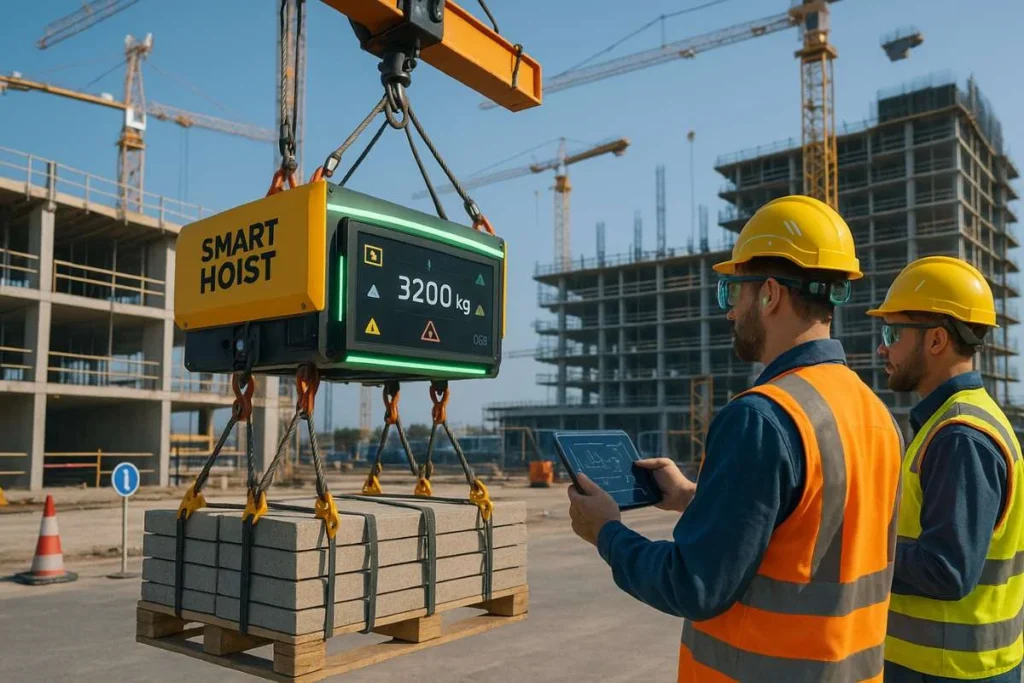
    Look around any new development site in Malaysia — you’ll probably spot drones surveying land, BIM screens in site offices, or IoT sensors tracking everything from humidity to worker safety.

    Why it matters:

    • Reduced project delays (IoT monitors issues before humans notice them)
    • More accurate planning via Building Information Modelling (BIM)
    • Lower overall cost thanks to early problem detection
    • Fewer safety incidents through real-time hazard monitoring

    Construction companies that rely on manual tracking are already falling behind. In 2025, smart tech isn’t a luxury — it’s a baseline.

    2️⃣ Real Estate Is Quietly Going Fully Digital

    construction
    construction

    Let’s be honest… few Malaysians enjoy property paperwork. But now?
    Digitization is solving that.

    Here’s what’s trending:

    • Virtual property tours for homes, showrooms, and even future developments
    • AI-powered property recommendation engines
    • Digital loan & documentation processes
    • Automated property valuation tools

    People no longer want to travel just to view a unit or wait weeks for documentation.
    They want speed, clarity, and transparency — and tech delivers exactly that.

    3️⃣ The Rise of Smart & Sustainable Buildings

    If there’s a big winner in 2025 real estate trends, it’s sustainability.

    Buyers and investors are actively choosing:

    • Energy-efficient buildings
    • Automated lighting & HVAC systems
    • Solar-integrated residential properties
    • Smart parking, access control & waste management systems

    Malaysia’s push toward low-carbon development has accelerated this shift.
    And tenants? They love it because smart buildings reduce monthly operational costs.

    4️⃣ AI and Predictive Maintenance Are Saving Millions

    construction

    Here’s a simple truth:
    The cost of fixing a building problem after it happens is 10x higher than preventing it.

    Enter AI + IoT predictive maintenance.

    Smart sensors detect issues like:

    • Water leaks
    • Structural stress
    • Faulty wiring
    • HVAC failures
    • Unusual energy consumption

    Before they turn into costly repairs.

    This is becoming a major selling point in both commercial and residential buildings.

    5️⃣ Cybersecurity in Construction & Real Estate — The Quiet Threat

    This is the part nobody talks about enough.

    As buildings get smarter, they also get more hackable.

    Everything — from smart door locks to energy systems — runs on networks.
    If those networks aren’t protected, property owners face risks like:

    • Unauthorized access
    • Data theft
    • Control system manipulation

    That’s why 2025 has seen a huge rise in:

    • Network monitoring solutions
    • Zero-trust security
    • Managed IT services for building infrastructure

    A modern property isn’t just concrete — it’s a digital environment that needs protection.

    6️⃣ Malaysia’s Digital Property Market Is Growing Fast

    construction

    More buyers now start their journey online.
    That’s why developers are shifting to:

    • SEO-optimized property listings
    • Social-media-based marketing
    • AI-driven lead generation
    • Interactive digital brochures

    People are no longer buying homes the way they used to —
    they’re buying them the way they shop online.

    7️⃣ Why Tech Matters More Than Ever for Developers & Agents

    Here’s the bottom line:

    Businesses that adopt digital tools are:
    ✔ Completing projects faster
    ✔ Cutting cost overruns
    ✔ Improving customer experience
    ✔ Boosting sales conversions
    ✔ Increasing building value
    ✔ Staying ready for future regulations

    Malaysia’s real estate sector is competitive.
    Technology isn’t just helping companies survive — it’s helping them stand out.

    Conclusion

    The future of Construction & Real Estate in Malaysia is undeniably digital.
    Whether you’re a developer, contractor, agent, or property manager 2025 is the year to embrace smart networks, automation, and sustainable tech if you truly want to stay ahead.

    If you’re looking to modernize your building operations, secure your networks, or add digital solutions to your real estate business, Sizaf Infocomm is here to help.

    Reach out to Sizaf Infocomm: 

    📞 Malaysia: +60 146600012
    📞 USA: +1 516 880 9996

    Ready to upgrade your property strategy?
    Let’s build the future together.

  • Wander Smarter in 2025: How Technology Is Changing the Way We Travel

    Wander Smarter in 2025: How Technology Is Changing the Way We Travel

    The New Era of Travel Is Finally Here

    Travel has always been about discovery — new places, new food, new cultures, new memories.
    But in 2025, something else is joining the journey:

    Technology.

    And not in a cold, robotic way…
    But in a way that makes travel smoother, smarter, and surprisingly more human.

    If you’ve ever waited in a long airport line, struggled with bookings, or felt overwhelmed planning a trip — this new era of travel will feel like a breath of fresh air.

    Let’s explore how tech is quietly transforming travel & leisure — one smart innovation at a time.

    1. AI Trip Planners: Your Personal Travel Companion

    Remember when planning a holiday meant juggling 10 open tabs, comparing prices, and reading endless reviews?

    Not anymore.

    AI trip planners now:

    ✔ create itineraries
    ✔ compare flights & hotels
    ✔ track prices
    ✔ recommend places based on your taste
    ✔ even optimize your schedule

    Tell the system:
    “I want a 3-day relaxing beach trip under RM1500.”
    And it builds everything — instantly.

    Travel agencies are also adopting AI to personalize packages based on traveler preferences.
    It’s like having a digital travel assistant who gets you.

     2. Smart Airports: Less Waiting, More Exploring

     Technology.

    Airports used to be the stressful part of any trip.
    Long queues, lost luggage, endless waiting…

    But smart airports in Malaysia, Singapore, and around the world are changing that with:

    ✔ digital immigration gates
    ✔ automated bag drops
    ✔ real-time flight updates via apps
    ✔ facial recognition boarding
    ✔ robotic guides for directions

    Travelers spend less time waiting — and more time enjoying the journey.

     3. Hotels Are Getting Smarter Too

    Imagine entering your hotel room and having the lights adjust automatically.
    Or asking a voice assistant to bring extra towels.

    Hotels are now powered by:

    ✔ mobile check-in
    ✔ keyless room entry
    smart room controls
    ✔ app-based concierge services
    ✔ AI chatbots for 24/7 support

    It’s comfort + convenience, wrapped in technology.

     4. Exploring Destinations with AR & VR

     Technology.

    Not sure if a place is worth visiting?

    Just open your phone.

    AR (Augmented Reality) apps let you:

    📍 scan landmarks for instant history
    🚶‍♂️ take guided walking tours
    🍽️ explore restaurants in 3D
    🛍️ preview shops and attractions

    VR experiences also let travelers “preview” destinations before booking — from Bali beaches to Tokyo streets.

    It’s exploration before the real exploration.

     5. Seamless Payments Everywhere

    No more currency confusion.
    No more calculating conversion rates.
    No more risking cash loss.

    Travelers now use:

    ✔ e-wallets
    ✔ contactless cards
    ✔ QR payments
    ✔ digital tipping
    ✔ global travel payment apps

    Countries like Malaysia, Thailand, Korea, and Japan widely support QR and e-wallet systems — making cross-border travel smoother than ever.

    6. Safety & Security: Tech Makes Travel Feel Safe

     Technology.

    Safety is still the #1 concern for travelers.
    Technology helps by providing:

    ✔ live location sharing
    ✔ emergency alert apps
    ✔ AI fraud protection for bookings
    ✔ digital travel insurance claims
    ✔ predictive weather tracking

    You travel smarter — and safer.

     7. Eco-Travel: Tech Supporting Sustainable Tourism

    Travelers are becoming more eco-conscious.
    Tech is helping with:

    🌿 carbon emission calculators
    🚲 eco-friendly transport apps
    ♻️ green hotel options
    🌞 solar-powered stays
    🌍 digital passes reducing paper waste

    Sustainable travel is now easier — and more rewarding.

     The Future of Travel Feels Exciting

    Travel in 2025 combines the heart of exploration with the power of technology.
    You still get the sunsets, the food, the laughter, the memories…
    But with fewer hassles, less stress, and smarter experiences.

    Because travel isn’t about the technology.
    It’s about the people using it to create unforgettable moments.

    As one traveler said:

    “Tech doesn’t replace the adventure — it clears the path for it.”

    Conclusion: Travel Smarter With the Right Tech

    Travel & Leisure in 2025 is smarter, safer, faster, and more personalized than ever.

    If you’re a business in the travel sector — hotels, tourism boards, agencies, or leisure services — upgrading your digital tools is no longer optional.

    It’s the new competitive edge.

    At Sizaf Infocomm, we help travel businesses go digital with:

    ✨ AI tools
    ✨ cloud booking systems
    ✨ cybersecurity
    ✨ automated customer support
    ✨ digital payment integrations

    Reach out to Sizaf Infocomm: 

    📞 Malaysia: +60 146600012
    📞 USA: +1 516 880 9996

    Let’s transform travel experiences — together.