Category: Uncategorized

  • Industry 5.0: Why Human-Machine Collaboration Is the Future of Production in 2026

    Industry 5.0: Why Human-Machine Collaboration Is the Future of Production in 2026

    The Future of Production Isn’t About Replacing People It’s About Empowering Them

    For years, we’ve been told the same story.

    “Robots are taking over.”

    Every time a new machine appears on a factory floor or AI in Manufacturing becomes more advanced, people start asking the same question:

    Will humans still have a place in the workplace?

    It’s a fair concern.

    After all, we’ve watched Industrial Automation transform industries at an incredible pace. From manufacturing plants to pharmaceutical laboratories, Manufacturing Technology Trends 2026 show that machines have become faster, smarter, and more capable than ever before.

    But what if we’ve been looking at it the wrong way?

    What if the future isn’t about humans versus machines?

    What if it’s about Human-Machine Collaboration?

    That’s exactly what Industry 5.0 Manufacturing is all about.

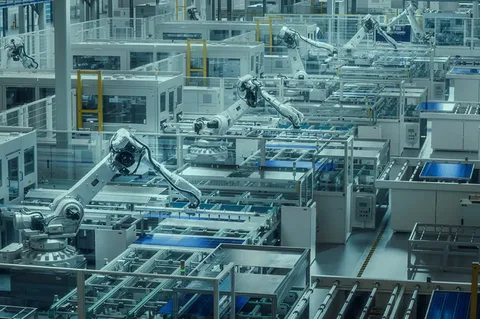
    Unlike previous industrial revolutions that focused heavily on efficiency and automation, Industry 5.0 brings people back to the center of innovation. Businesses are beginning to understand that Digital Transformation in Manufacturing works best when technology supports human potential rather than replacing it.

    Because while machines can process data in seconds and automate repetitive tasks, they can’t replicate creativity, empathy, intuition, or the ability to think outside the box.

    Those are uniquely human strengths.

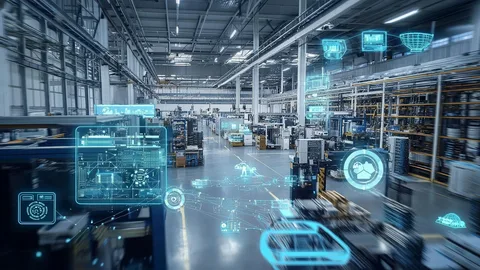
    And when you combine them with Smart Manufacturing technologies, incredible things happen.

    What Exactly Is Industry 5.0?
    Human

    Think of Industry 5.0 as the next chapter of Digital Manufacturing.

    If Industry 4.0 introduced us to Smart Factories, Connected Manufacturing, and automation, Industry 5.0 asks a different question:

    How can technology make people better at what they do?

    The answer lies in collaboration.

    Instead of replacing workers, businesses are redesigning operations so that humans and technology complement one another.

    In simple terms:

    • Machines handle repetitive, time-consuming tasks.
    • People focus on creativity, decision-making, and problem-solving.
    • Together, they create workplaces that are smarter, safer, and more adaptable.

    The goal isn’t fewer people.

    The goal is helping people do their best work through Human-Centric Innovation.

    Why Is Everyone Talking About Industry 5.0 in 2026?

    Because businesses are facing challenges they can’t solve through automation alone.

    1. Finding Skilled Workers Isn’t Easy

    Many industries are struggling to fill specialized roles.

    Rather than expecting employees to do everything manually, companies are embracing Workforce Upskilling and technology to reduce physical strain and repetitive work.

    This allows workers to focus on responsibilities that truly require human expertise.

    The result?

    Employees feel more valued.

    Businesses improve Operational Efficiency.

    Everyone wins.

    2. Customers Want Products That Feel Personal

    People no longer want one-size-fits-all solutions.

    Whether it’s customized industrial products or personalized healthcare treatments, expectations have changed.

    Understanding those unique needs requires a human touch.

    Delivering them efficiently often requires Smart Manufacturing capabilities.

    Industry 5.0 bridges that gap beautifully.

    3. Businesses Need Greater Flexibility

    Supply chain disruptions and market uncertainty have shown organizations the importance of adaptability.

    Building Resilient Supply Chains requires both intelligent systems and human judgment.

    Together, they help businesses respond quickly to change.

    What Does Human-Machine Collaboration Actually Look Like?
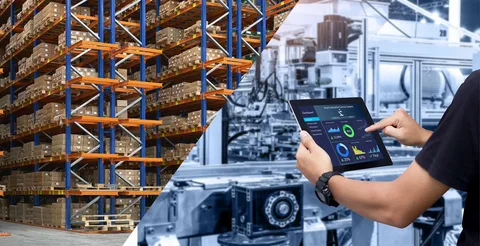
    Human

    It sounds futuristic, but it’s already happening.

    Collaborative Robots (Cobots)

    Forget the image of giant robots replacing entire workforces.

    Collaborative Robots (Cobots) are designed to work alongside people.

    They can:

    • Lift heavy materials,
    • Handle repetitive assembly tasks,
    • Improve workplace safety,
    • Increase productivity.

    Meanwhile, employees focus on quality control and continuous improvement.

    It’s teamwork—just with a robotic colleague.

    AI in Manufacturing

    Artificial intelligence can analyze vast amounts of operational data within seconds.

    It can identify:

    • Production bottlenecks,
    • Equipment inefficiencies,
    • Demand fluctuations,
    • Maintenance concerns.

    This enables Data-Driven Decision Making across the organization.

    But here’s the important part:

    Technology provides insights.

    People provide judgment.

    Predictive Maintenance

    Unexpected breakdowns are expensive.

    Using Industrial IoT (IIoT) sensors and analytics, manufacturers can implement Predictive Maintenance strategies that identify issues before failures occur.

    Teams receive alerts, fix problems proactively, and avoid costly downtime.

    The result is greater Operational Efficiency and improved reliability.

    How Industry 5.0 Is Transforming the Pharmaceutical Sector

    The pharmaceutical industry is embracing this shift too.

    Producing medicines isn’t just about speed.

    It’s about accuracy, safety, and trust.

    Through Pharma 4.0 and Pharmaceutical Automation, organizations are combining innovation with human oversight.

    AI can process research data quickly, allowing scientists to focus on discovery.

    Machine Vision Systems identify defects with remarkable accuracy.

    Teams maintain Regulatory Compliance while improving efficiency.

    This ongoing Pharmaceutical Digital Transformation ensures patients receive safe, effective treatments without compromising quality.

    Technology accelerates progress.

    People uphold standards.

    The Benefits Go Beyond Productivity

    Businesses adopting Industry 5.0 Manufacturing are experiencing benefits far beyond efficiency gains.

    Employees become more engaged because repetitive tasks are automated.

    Product quality improves through a balance of human insight and machine consistency.

    Manufacturing Innovation increases because people have more time to think creatively.

    And sustainability efforts become stronger through:

    • Energy Optimization
    • Smarter resource allocation,
    • Reduced waste,
    • Better material management.

    This commitment to Sustainable Manufacturing and Green Manufacturing benefits both businesses and the planet.

    Of Course, There Are Challenges

    No transformation comes without obstacles.

    Organizations must invest in Workforce Upskilling to prepare employees for the evolving Future of Work.

    As systems become increasingly connected, cybersecurity becomes essential.

    Integrating new technologies into existing operations also requires careful planning.

    But these challenges aren’t roadblocks.

    They’re opportunities to build stronger, future-ready organizations.

    The Future Is Already Here

    Human

    Industry 5.0 isn’t reserved for multinational corporations.

    Businesses of every size are beginning their journey toward Digital Transformation in Manufacturing.

    The companies that thrive won’t necessarily be those with the most advanced machines.

    They’ll be the ones that understand how to combine human potential with technology.

    Because success in the Future of Production isn’t about choosing people or machines.

    It’s about understanding that each brings something valuable to the table.

    Final Thoughts

    For a long time, automation has been surrounded by fear.

    Will machines replace us?

    Will technology remove the human element from work?

    Industry 5.0 offers a refreshing perspective.

    It reminds us that technology should enhance human capabilities—not diminish them.

    Factories still need creativity.

    Engineering still relies on innovation.

    Pharmaceutical breakthroughs still depend on human curiosity and expertise.

    Machines can analyze data.

    They can automate repetitive tasks.

    They can support Data-Driven Decision Making.

    But they can’t imagine, empathize, inspire, or lead.

    People can.

    And when people and technology work together, the possibilities become limitless.

    That is the true promise of Industry 5.0, and perhaps the most exciting Manufacturing Technology Trend of 2026.

    How Sizaf Infocomm Can Help

    As businesses embrace Digital Transformation in Manufacturing, having the right technology partner makes all the difference.

    At Sizaf Infocomm, we help organizations modernize through managed IT services, secure infrastructure, cloud solutions, networking expertise, and scalable strategies designed for the Future of Production.

    Reach out to Sizaf Infocomm:

    📞 Malaysia: +60 146600012
    📞 USA: +1 516 880 9996
    🌐 Website: https://sizaf.com

    What are your thoughts?

    Do you believe Industry 5.0 and Human-Machine Collaboration will create more opportunities for workers, or do concerns about automation still remain? We’d love to hear your perspective in the comments.
  • Why Shopping Feels So Different Today (And Most of Us Didn’t Even Notice the Change)

    Why Shopping Feels So Different Today (And Most of Us Didn’t Even Notice the Change)

    Remember When Shopping Used to Be an Event?

    For many of us, shopping wasn’t always about adding products to an online cart.

    It used to mean getting dressed, driving to a store, walking through aisles, and spending an entire afternoon comparing products.

    Sometimes you’d leave empty-handed.

    Sometimes you’d buy something you never planned to.

    But either way, shopping felt like an experience.

    Fast forward to today.

    You could be sitting on your couch, waiting for your coffee to brew, and within three minutes you’ve ordered groceries, paid your electricity bill, bought a birthday gift, and tracked a package that’s already on its way to your doorstep.

    Without even realizing it, the way we shop has completely changed.

    And honestly?

    Most of us adapted so quickly that we barely stopped to notice.

    We Don’t Really “Go Shopping” Anymore

    Shopping

    Think about the last thing you bought.

    Did you plan a shopping trip?

    Or did you suddenly remember you needed something and ordered it on your phone?

    That’s what makes today’s world so different.

    Shopping now happens:

    • During lunch breaks
    • While commuting
    • Between meetings
    • Late at night before bed
    • While scrolling through social media

    Buying something has become part of our everyday routine.

    It’s no longer an activity we set aside time for.

    It’s simply woven into our daily lives.

    Customers Have Become More Impatient (And That’s Not Necessarily a Bad Thing)

    Let’s be honest.

    We’ve all done it.

    You open a website.

    It takes too long to load.

    You close it.

    No second chances.

    No waiting.

    You move on.

    Modern customers expect things to work quickly because life already feels busy enough.

    People want:

    • Easy checkouts
    • Clear product information
    • Multiple payment options
    • Fast delivery updates
    • Hassle-free returns

    It’s not that customers have become difficult.

    They simply value their time more than ever before.

    And businesses that respect that time usually earn their trust.

    Convenience Is the New Competitive Advantage

    Years ago, businesses competed mostly on price.

    Today, convenience often wins.

    Customers ask questions like:

    “Can I order this easily?”

    “Will it arrive on time?”

    “What happens if I need to return it?”

    “Can I trust this seller?”

    Sometimes people willingly pay a little more for a smoother experience.

    Because peace of mind matters.

    And convenience removes stress from already busy lives.

    Reviews Influence Us More Than We Admit

    Here’s another truth.

    Most of us read reviews.

    Even when we say we don’t.

    We check ratings.

    We look at customer photos.

    We scroll through comments.

    We want reassurance that someone else had a good experience before we spend our money.

    In many ways, strangers on the internet have become part of our decision-making process.

    And that’s why authenticity matters so much.

    Customers trust honesty.

    They notice transparency.

    And they remember businesses that genuinely care about the people they serve.

    Social Media Isn’t Just Entertainment Anymore

    Shopping

    Have you ever bought something because you saw it in a video?

    Maybe it was a skincare product.

    A kitchen gadget.

    A pair of shoes.

    You weren’t actively shopping.

    But suddenly, you were interested.

    That’s because social media has quietly become part of the shopping journey.

    People discover brands while watching content.

    They save recommendations from creators they trust.

    They share products with friends.

    Shopping and scrolling have become deeply connected.

    And businesses are learning how important it is to show up where customers already spend their time.

    Customers Want to Feel Understood

    Nobody likes feeling like just another number.

    People appreciate businesses that understand their needs.

    Whether it’s personalized recommendations or remembering previous purchases, customers notice when brands make their experience easier.

    This is where technologies like AI in Retail help businesses better understand customer preferences.

    When used thoughtfully, personalization doesn’t feel intrusive.

    It feels helpful.

    And helpful experiences are often the ones customers remember.

    Trust Has Become More Valuable Than Discounts

    Of course, everyone loves a good deal.

    But price isn’t always the deciding factor anymore.

    People also think about questions like:

    “Is my payment information safe?”

    “Will this company respond if something goes wrong?”

    “Can I rely on them?”

    Strong E-Commerce Security doesn’t just protect transactions.

    It protects relationships.

    Because trust takes years to build and only moments to lose.

    Behind Every Smooth Shopping Experience Is Great Technology

    Shopping

    Customers don’t always see what happens behind the scenes.

    They don’t think about servers.

    Or cloud systems.

    Or inventory management software.

    They simply expect everything to work.

    But behind every successful online purchase is technology making things happen.

    Reliable retail experiences depend on:

    • Secure payment systems
    • Fast websites
    • Real-time inventory updates
    • Strong network infrastructure
    • Cloud-based operations

    When technology works well, customers barely notice it.

    And honestly, that’s exactly how it should be.

    The Future of Retail Isn’t Online or Offline

    People often ask:

    “Will online shopping replace physical stores?”

    The truth is, it’s not one or the other.

    Many people still enjoy browsing stores.

    Others prefer shopping online.

    Most of us move between both depending on what feels convenient at the time.

    The future belongs to businesses that understand this flexibility.

    Because modern customers don’t think in channels.

    They simply want experiences that fit their lives.

    How Sizaf Infocomm Helps Retail Businesses Adapt

    As customer expectations continue evolving, retailers need technology that supports growth without adding complexity.

    That’s where Sizaf Infocomm helps businesses through:

    • Managed IT Services
    • Cloud Computing Solutions
    • Cybersecurity Solutions
    • Digital Infrastructure Management
    • Network Services
    • Digital Transformation Support

    Helping businesses build systems that are:

    ✔ Reliable
    ✔ Secure
    ✔ Scalable
    ✔ Customer-focused

    Final Thoughts: Retail Has Always Been About People

    At its heart, retail has never really been about products.

    It’s about people.

    People looking for convenience.

    People trying to save time.

    People wanting to trust the businesses they buy from.

    Technology has changed the way we shop.

    But it hasn’t changed why we shop.

    We still want good experiences.

    We still value honesty.

    And we still remember the businesses that make our lives just a little bit easier.

    Because in the world of Retail & E-Commerce, the brands people return to aren’t always the cheapest.

    They’re the ones that make customers feel understood.

    And that’s something technology alone can never replace.

    🚀 Ready to Build Better Retail Experiences?

    If your business is exploring digital transformation, secure infrastructure, or scalable retail technology solutions, Sizaf Infocomm can help you create shopping experiences your customers will trust and remember.

    🌐 Visit: https://sizaf.com
    📞 Malaysia: +60 146600012
    📞 USA: +1 516 880 9996

    💬 Let’s Talk

    What matters most to you when shopping today — convenience, trust, fast delivery, or great customer service?

  • What the Media & Advertising Industry Needs to Understand Why Authentic Content Is Winning in 2026:

    What the Media & Advertising Industry Needs to Understand Why Authentic Content Is Winning in 2026:

    People Haven’t Stopped Paying Attention. They’ve Just Stopped Trusting Traditional Ads.

    Think about the last time you saw an advertisement online.

    Did you watch it all the way through?

    Or did you instinctively click “Skip”?

    Most of us do the same thing.

    We scroll past sponsored posts, ignore banner ads, and delete promotional emails without opening them.

    It’s not because we hate brands.

    And it’s certainly not because we don’t buy things anymore.

    In fact, people are discovering new products and services every single day.

    The difference is that consumers have become smarter.

    They’ve learned to tune out messages that feel forced, exaggerated, or overly polished.

    Instead, they’re paying attention to content that feels real.

    Content that educates.

    Content that entertains.

    Content that sounds like it came from an actual person.

    And that’s exactly why the Media & Advertising Industry is experiencing a major shift in 2026.

    The brands winning today aren’t necessarily the ones spending the most money.

    They’re the ones building trust.

    Authenticity Has Become Marketing’s Most Valuable Asset

    There was a time when advertising was simple.

    You created a catchy slogan.

    Bought a television spot.

    Placed an ad in the newspaper.

    And hoped people remembered your brand.

    Today’s consumers don’t make decisions that way.

    Before making a purchase, many people will:

    • Read reviews from other customers.
    • Watch creator recommendations.
    • Compare brands online.
    • Browse social media comments.

    • Check whether a company aligns with their values.

    People want reassurance before they commit.

    They want honesty.

    That’s why Authentic Content Marketing has become one of the biggest trends shaping the future of advertising.

    People connect with brands that sound human.

    Not perfect.

    Just real.

    Why Creator Marketing Works So Well

    Advertising

    Think about the creators you follow online.

    Maybe it’s someone who shares productivity tips.

    A travel enthusiast.

    A fitness coach.

    A tech reviewer.

    Or even a parent sharing everyday experiences.

    People follow creators because they trust them.

    Over time, these creators build communities rather than audiences.

    Their followers value their opinions because they feel relatable.

    This is why Creator Marketing continues to grow.

    Brands are realizing that consumers often respond better to recommendations from people they admire than to traditional advertisements.

    It’s not about reaching millions of people.

    Sometimes, reaching the right people matters more.

    Because trust influences decisions.

    AI Is Helping Marketers Work Smarter—Not Replace Creativity

    Whenever people hear about AI in Advertising, the conversation usually swings to extremes.

    Either AI is going to revolutionize everything.

    Or it’s going to replace marketers entirely.

    The reality sits somewhere in the middle.

    AI has become a helpful tool.

    It can support teams by identifying patterns, analyzing customer behavior, and improving campaign performance.

    For example, businesses use AI to:

    Understand Their Audiences Better

    Learning what customers actually want.

    Improve Campaign Performance

    Making adjustments based on real-time insights.

    Deliver More Relevant Experiences

    Showing people content they’re genuinely interested in.

    Save Time

    Automating repetitive tasks so teams can focus on strategy and creativity.

    The best campaigns still require human understanding.

    Because algorithms can analyze data.

    But they can’t replace empathy, intuition, and storytelling.

    Personalization Is No Longer Optional

    Have you noticed how almost everything online feels tailored to you?

    The movies recommended on streaming platforms.

    The products suggested while shopping.

    The articles appearing in your feed.

    Consumers have become accustomed to personalized experiences.

    Naturally, they expect the same from brands.

    Personalized Advertising helps businesses deliver messages that feel relevant rather than random.

    Instead of showing the same advertisement to everyone, brands can create experiences based on:

    • Customer interests.
    • Previous interactions.
    • Buying behavior.
    • Individual preferences.

    When done thoughtfully, personalization feels helpful.

    When overdone, it feels invasive.

    The difference lies in understanding your audience and respecting their boundaries.

    Short-Form Video Is Changing How Brands Communicate

    Advertising

    Let’s be honest.

    Attention spans are shorter than they used to be.

    People consume content while commuting, waiting in line, or relaxing after work.

    They want information quickly.

    That’s one reason why Short-Form Video Marketing continues to dominate.

    These videos work because they’re:

    • Easy to consume.
    • Highly engaging.
    • Authentic.
    • Shareable.

    Whether it’s a behind-the-scenes look, a quick tutorial, or a customer story, short videos allow brands to connect with audiences in a way that feels natural.

    You don’t always need a huge production budget.

    Sometimes, authenticity performs better than perfection.

    Consumers Care About More Than Products

    Today’s customers aren’t just evaluating what a company sells.

    They’re paying attention to who the company is.

    People want to know:

    • What values does this brand represent?
    • How does it treat its customers?
    • Does it contribute positively to society?
    • Is it transparent?

    This doesn’t mean brands need to have all the answers.

    It simply means people appreciate honesty and consistency.

    When businesses stand for something meaningful—and back it up through action—they build stronger relationships with their audiences.

    Because trust isn’t created overnight.

    It’s earned over time.

    Privacy Is Becoming Part of the Conversation

    People are becoming more aware of how their data is collected and used.

    And understandably so.

    Consumers want personalized experiences, but they also want control over their information.

    As a result, Privacy-First Advertising is becoming increasingly important.

    Brands are focusing on:

    • Ethical data collection.
    • Clear communication.
    • Consent-based marketing.
    • Transparency.

    Respecting privacy isn’t just about following regulations.

    It’s about showing customers that their trust matters.

    The Future of Media & Advertising

    Advertising

    As the industry continues evolving, several trends are shaping what’s next.

    Authentic Content Marketing

    Building relationships through honesty and storytelling.

    Creator Marketing

    Partnering with voices audiences already trust.

    AI in Advertising

    Improving efficiency and customer understanding.

    Personalized Advertising

    Creating more meaningful experiences.

    Short-Form Video Marketing

    Capturing attention through simple, engaging content.

    Privacy-First Advertising

    Balancing relevance with respect for consumers.

    The brands that succeed won’t necessarily be the loudest.

    They’ll be the most relatable.

    Final Thoughts: People Connect With People

    Technology will continue to change.

    New platforms will emerge.

    Algorithms will evolve.

    Marketing trends will come and go.

    But people rarely change the reasons they choose one brand over another.

    They want to feel understood.

    They want to trust the businesses they support.

    They want honesty instead of exaggerated promises.

    At the end of the day, successful advertising isn’t about interrupting people until they notice you.

    It’s about creating something worth paying attention to.

    Because behind every view, comment, click, and purchase is a real person.

    And the brands that remember that simple truth are the ones people continue coming back to.

    How Sizaf Infocomm Supports Media & Advertising Businesses

    At Sizaf Infocomm, we help businesses embrace Digital Transformation through reliable Managed IT Services, Cloud Solutions, Cybersecurity, and scalable technology infrastructure designed for today’s fast-moving digital landscape.

    Visit: https://sizaf.com

    Malaysia: +60 146600012
    USA: +1 516 880 9996

  • The Rise of Smart Buildings: How Technology Is Redefining Construction & Real Estate in 2026

    The Rise of Smart Buildings: How Technology Is Redefining Construction & Real Estate in 2026

    Not Long Ago, a Building Was Just a Building

    People looked at properties differently a decade ago.

    A home was simply a place to live.

    An office was where employees came to work.

    A commercial building was just a physical space designed to serve a purpose.

    Today, expectations have changed.

    Buyers want energy-efficient homes.

    Tenants expect high-speed connectivity.

    Property investors look for technology-driven value.

    Businesses want workplaces that improve productivity and reduce operating costs.

    In other words, people no longer want ordinary buildings.

    They want smart buildings.

    And that’s exactly why the Construction & Real Estate Industry is undergoing one of its biggest transformations yet.

    What Are Smart Buildings?

    The term sounds futuristic, but chances are you’ve already experienced one.

    A Smart Building uses technology to automate and improve how a building operates.

    This includes systems that manage:

    • Lighting
    • Heating and cooling
    • Security and surveillance
    • Energy consumption
    • Access control
    • Maintenance monitoring

    Instead of relying entirely on manual processes, these systems communicate with each other to create safer, more efficient spaces.

    The goal isn’t to make buildings complicated.

    It’s to make them work better for the people inside them.

    Why Smart Buildings Are Trending in 2026

    Smart

    Let’s be honest.

    Property buyers and tenants today expect more than four walls and a roof.

    They want convenience.

    They want sustainability.

    They want security.

    They want spaces that fit modern lifestyles.

    This growing demand is pushing developers to embrace technologies that were once considered optional.

    Features such as app-controlled access, energy-efficient systems, and intelligent security solutions are quickly becoming standard.

    For developers, adapting to these expectations isn’t just about staying relevant.

    It’s about staying competitive.

    The Rise of PropTech

    One of the biggest buzzwords in real estate today is PropTech, short for Property Technology.

    Think of it as the meeting point between property and innovation.

    PropTech is changing the way people buy, sell, rent, and manage real estate.

    Examples include:

    • Virtual property tours
    • AI-driven property recommendations
    • Digital contracts
    • Online tenant management
    • Smart property management platforms

    What once required multiple visits and endless paperwork can now be completed from a smartphone.

    For both property professionals and customers, that’s a game changer.

    Sustainability Is No Longer a Bonus Feature

    A few years ago, environmentally friendly buildings were seen as premium offerings.

    Today, they’re becoming an expectation.

    People are paying closer attention to how buildings impact the environment.

    As a result, Green Construction has become one of the fastest-growing trends in the industry.

    Developers are increasingly investing in:

    • Energy-efficient designs
    • Solar energy systems
    • Sustainable materials
    • Water-saving technologies
    • Smart energy management

    These initiatives don’t just benefit the environment.

    They can also reduce operational costs and increase long-term property value.

    For many buyers, sustainability has become a deciding factor.

    How Artificial Intelligence Is Changing Real Estate

    Smart

    Artificial Intelligence isn’t just transforming healthcare and finance.

    It’s making its way into real estate too.

    AI in Real Estate is helping professionals make smarter decisions through data analysis and automation.

    It can assist with:

    Property Valuations

    AI tools can analyze market trends and property data to provide accurate estimates.

    Market Predictions

    Investors can identify emerging opportunities using predictive insights.

    Customer Recommendations

    Buyers receive personalized property suggestions based on their preferences.

    Building Maintenance

    AI can identify maintenance issues before they become expensive problems.

    Rather than replacing human expertise, AI is helping professionals work more efficiently.

    Smart Security Is Becoming Essential

    Safety has always been important in real estate.

    But modern security expectations have evolved.

    Today’s buyers and tenants value features such as:

    • Smart surveillance systems
    • Biometric access control
    • Remote monitoring
    • Video intercom solutions
    • Mobile security alerts

    These technologies provide peace of mind and improve overall property appeal.

    Security is no longer just about locks and alarms.

    It’s becoming intelligent and proactive.

    Connectivity Is the New Utility

    Electricity.

    Water.

    Internet.

    For many people, reliable connectivity is now just as essential as traditional utilities.

    Remote work, online learning, and digital entertainment have changed the way people use their homes and workplaces.

    Properties with poor connectivity can quickly lose their appeal.

    That’s why developers are prioritizing:

    The future of real estate isn’t just about location.

    It’s also about connection.

    The Future of Construction & Real Estate

    Smart

    Several trends are expected to shape the industry in the coming years.

    Smart Buildings

    Creating more efficient and connected environments.
    PropTech Solutions

    Simplifying property transactions and management.

    Green Construction

    Supporting sustainability goals.

    AI in Real Estate

    Improving decision-making and customer experiences.

    Smart Security Systems

    Enhancing safety for occupants.

    Digital Property Experiences

    Making real estate more accessible and convenient.

    The businesses that embrace these changes today will be better prepared for tomorrow’s market.

    Final Thoughts: Building for the Future

    At its heart, construction has always been about creating spaces where people live, work, and build memories.

    That hasn’t changed.

    What has changed is what people expect from those spaces.

    They want buildings that are smarter.

    More sustainable.

    More secure.

    More connected.

    Technology isn’t replacing the human side of real estate.

    It’s enhancing it.

    Because the future of construction isn’t just about constructing buildings.

    It’s about building better experiences for the people who use them every day.

    And that’s a future worth investing in.

    How Sizaf Infocomm Supports the Construction & Real Estate Industry

    At Sizaf Infocomm, we help organizations embrace Digital Transformation through secure IT infrastructure, cloud solutions, network services, and technology support that keeps businesses connected and future-ready.

    🌐 Visit: https://sizaf.com

    📞 Malaysia: +60 146600012
    📞 USA: +1 516 880 9996

  • The Rise of Smart Tourism: How Technology Is Transforming Travel & Leisure in 2026

    The Rise of Smart Tourism: How Technology Is Transforming Travel & Leisure in 2026

    Travel Has Changed. And Most Travelers Are Loving It.

    Remember when planning a trip meant spending hours comparing hotels, searching for attractions, printing maps, and hoping everything went according to plan?

    Today, travel looks very different.

    A traveler can book flights, reserve accommodations, create itineraries, find local attractions, and even translate foreign languages directly from a smartphone.

    Technology has quietly transformed the way people travel.

    And in 2026, that transformation is happening faster than ever.

    Across the world, travelers are looking for experiences that are easier, more personalized, and more meaningful. At the same time, businesses in the Travel & Leisure Industry are using technology to meet these growing expectations.

    The result is a new era of Smart Tourism, where technology and travel work together to create better experiences for everyone.

    What Is Smart Tourism?

    Simply put, Smart Tourism refers to the use of technology to improve the travel experience.

    It’s not about replacing travel with technology.

    It’s about making travel smoother, safer, and more enjoyable.

    Today, smart tourism includes:

    • AI Travel Planning
    • Smart Hotels
    • Digital Travel Experiences
    • Contactless Services
    • Mobile Travel Apps
    • Virtual Travel Assistance
    • Smart Transportation Systems

    Many travelers use these technologies without even realizing it.

    From receiving flight updates on a mobile phone to using digital boarding passes, smart tourism has become part of everyday travel.

    Why Travelers Expect More Personalized Experiences

    The Rise of Smart Tourism:

    One of the biggest trends in the Travel & Leisure Sector is personalization.

    Modern travelers don’t want generic recommendations.

    They want experiences tailored to their interests.

    A family vacation, a solo backpacking trip, and a luxury getaway all require different planning and recommendations.

    This is where Artificial Intelligence in Travel is making a huge impact.

    Travel platforms can now analyze preferences and suggest:

    • Hotels that match travel styles
    • Activities based on interests
    • Customized itineraries
    • Local dining recommendations
    • Transportation options

    Instead of spending hours researching, travelers receive suggestions that feel relevant and personalized.

    AI Travel Planning Is Becoming the New Travel Agent

    For years, travel agents played a major role in trip planning.

    Today, many travelers are turning to AI Travel Planning Tools for assistance.

    These tools can help travelers:

    • Compare flights
    • Find accommodation
    • Build travel itineraries
    • Discover local attractions
    • Estimate travel budgets

    The goal isn’t to replace human expertise.

    It’s to make planning faster and more convenient.

    For busy travelers, that’s a significant advantage.

    Sustainable Tourism Is More Important Than Ever

    Travelers today are becoming more conscious of their environmental impact.

    People want to explore the world without negatively affecting it.

    As a result, Sustainable Tourism has become one of the most important trends in the industry.

    Travel businesses are responding by offering:

    • Eco-friendly accommodations
    • Sustainable tour packages
    • Carbon-conscious transportation options
    • Responsible tourism initiatives

    Many travelers are actively choosing destinations and providers that prioritize sustainability.

    For businesses, sustainability is no longer just a marketing message.

    It’s becoming a competitive advantage.

    The Growing Popularity of Digital Travel Experiences

    Technology is changing what travelers expect before, during, and after their trips.

    Many destinations now offer:

    Virtual Destination Previews

    Travelers can explore attractions online before booking.

    Mobile Travel Assistance

    Real-time navigation, recommendations, and support are available directly through mobile apps.

    Contactless Services

    From hotel check-ins to digital payments, contactless travel experiences continue to grow.

    Smart Destination Management

    Cities are using technology to improve visitor experiences and manage tourism more effectively.

    These innovations help make travel more convenient and enjoyable.

    Smart Hotels Are Redefining Guest Experiences

    Hotels are also embracing technology in new ways.

    Many modern properties now offer:

    • Mobile room access
    • Smart room controls
    • AI-powered guest services
    • Personalized recommendations
    • Automated check-in processes

    Travelers appreciate the convenience.

    Hotels benefit from improved efficiency and enhanced guest satisfaction.

    It’s a win-win situation.

    Why Reliable Connectivity Matters for Modern Travelers

    One thing has become clear in recent years:

    Travelers expect to stay connected.

    Whether they’re:

    • Working remotely
    • Sharing experiences on social media
    • Navigating unfamiliar destinations
    • Accessing travel information

    Reliable internet connectivity has become essential.

    This is one reason why tourism businesses are investing heavily in:

    Wi-Fi Infrastructure

    Cloud Solutions

    Digital Customer Experiences

    Smart Tourism Platforms

    A connected traveler is often a happier traveler.

    The Future of Travel & Leisure

    The Rise of Smart Tourism:

    Looking ahead, several trends are expected to shape the future of travel.

    AI-Powered Travel Experiences

    Smarter recommendations and personalized services.

    Smart Tourism Technologies

    Improved destination management and visitor experiences.

    Digital Travel Platforms

    Seamless planning and booking experiences.

    Sustainable Tourism Initiatives

    Environmentally responsible travel options.

    Remote Work and Bleisure Travel

    The growing combination of business and leisure travel.

    Connected Travel Experiences

    Technology-enabled journeys from start to finish.

    These innovations will continue changing how people explore the world.

    Travel Will Always Be About Experiences

    No matter how advanced technology becomes, one thing remains true.

    People don’t travel because of technology.

    They travel because they want experiences.

    They want to discover new cultures.

    Create memories with family and friends.

    Explore new destinations.

    Relax, learn, and grow.

    Technology simply helps make those experiences smoother and more accessible.

    The most successful businesses in the Travel & Leisure Industry understand this balance.

    They use technology to enhance experiences without losing the human side of travel.

    Because at its heart, travel has always been—and always will be—about people.

    How Technology Partners Like Sizaf Infocomm Support Travel Businesses

    As travel businesses continue embracing digital transformation, reliable technology infrastructure becomes increasingly important.

    At Sizaf Infocomm, we help organizations strengthen their operations through:

    • Managed IT Services
    • Cloud Solutions
    • Cybersecurity Services
    • Network Infrastructure
    • Digital Transformation Solutions

    Helping businesses deliver better experiences in an increasingly connected world.

    🌐 Visit: https://sizaf.com

    📞 Malaysia: +60 146600012
    📞 USA: +1 516 880 9996

  • How AI Is Helping Nonprofits Raise More Funds and Create Greater Impact in 2026

    How AI Is Helping Nonprofits Raise More Funds and Create Greater Impact in 2026

    Nonprofits Are Being Asked to Do More Than Ever. Can Technology Help?

    If you’ve ever worked with a nonprofit organization, you know the challenge.

    There is always more work to do than there are hours in the day.

    More people need support.

    More communities need assistance.

    More programs need funding.

    Yet many nonprofit teams are operating with limited budgets, small staffs, and increasing expectations from donors and stakeholders.

    In 2026, this reality hasn’t changed.

    What has changed is the way nonprofits are responding.

    Instead of simply working harder, many organizations are working smarter by embracing AI for Nonprofits, Digital Fundraising, and modern Nonprofit Technology solutions.

    And surprisingly, the goal isn’t to replace people.

    It’s to give people more time to focus on the mission that matters most.

    Why AI Is Becoming One of the Biggest Trends in the Nonprofit Sector

    A few years ago, Artificial Intelligence felt like something only large corporations could afford.

    Today, that’s no longer true.

    AI tools are becoming more accessible, more affordable, and easier to use.

    For nonprofit organizations, this creates exciting opportunities.

    Think about how much time nonprofit teams spend on tasks such as:

    • Updating donor records
    • Writing fundraising emails
    • Preparing reports
    • Organizing volunteer information
    • Tracking campaign performance

    These tasks are necessary, but they don’t directly change lives.

    By automating repetitive work, Artificial Intelligence in Nonprofits allows teams to spend more time building relationships, engaging donors, and serving communities.

    That’s where the real impact happens.

    Digital Fundraising Is Changing the Way Nonprofits Connect With Donors

    Nonprofits

    Let’s be honest.

    Donor behavior has changed significantly over the last few years.

    People now expect the same convenience from nonprofit organizations that they receive from online businesses.

    They want:

    • Quick donation options
    • Mobile-friendly websites
    • Easy payment methods
    • Personalized communication
    • Transparent updates

    This is why Digital Fundraising has become one of the fastest-growing trends in the nonprofit sector.

    Organizations are moving beyond traditional fundraising events and embracing online campaigns, donor platforms, and digital engagement strategies.

    The result?

    Wider reach, stronger donor relationships, and more fundraising opportunities.

    Donor Engagement Matters More Than Ever

    Most nonprofits understand that acquiring a new donor is important.

    But retaining existing donors is even more valuable.

    The challenge is that every donor is different.

    Some supporters are passionate about education.

    Others care deeply about healthcare, environmental protection, or community development.

    Sending the same message to everyone simply doesn’t work anymore.

    Modern Donor Engagement tools help organizations better understand supporter preferences and communicate in more meaningful ways.

    Instead of receiving generic updates, donors receive information that aligns with their interests.

    This creates stronger relationships and encourages long-term support.

    And when donors feel connected to a cause, they are more likely to continue supporting it.

    Small Nonprofits Are Benefiting From Technology Too

    Nonprofits

    One of the biggest misconceptions about nonprofit technology is that it’s only useful for large organizations.

    In reality, smaller nonprofits may benefit even more.

    Many small teams wear multiple hats every day.

    The same person might be responsible for fundraising, communications, volunteer coordination, and administrative work.

    That’s a lot to manage.

    Modern Nonprofit Technology Solutions can help by simplifying everyday tasks.

    For example:

    Automating Routine Processes

    Administrative work can often be completed more efficiently.

    Improving Communication

    Organizations can create newsletters, updates, and donor messages faster.

    Organizing Information

    Important donor and volunteer data becomes easier to manage.

    Supporting Better Decision-Making

    Data insights help organizations understand what is working and where improvements can be made.

    For small nonprofits, this can feel like gaining extra support without expanding the team.

    Technology Can Help, But Trust Still Comes First

    Here’s something that will never change.

    People don’t donate to technology.

    They donate to causes they believe in.

    They donate because they trust an organization.

    They donate because they want to make a difference.

    That’s why transparency remains one of the most important factors in nonprofit success.

    Supporters want to know:

    • Where their donations are going
    • How funds are being used
    • What impact is being created

    Technology can help communicate this information more effectively, but trust still has to be earned through honesty and accountability.

    The organizations seeing the greatest success today are using technology to strengthen relationships, not replace them.

    Storytelling Continues to Be a Powerful Fundraising Tool

    Despite all the advances in technology, one thing remains constant.

    Stories matter.

    People connect with people.

    A powerful story can inspire action in a way that statistics never will.

    Whether it’s helping children gain access to education, supporting healthcare initiatives, providing disaster relief, or protecting the environment, stories help supporters understand the real impact of their contributions.

    Technology may help deliver those stories to a wider audience.

    But authentic human experiences remain at the heart of every successful nonprofit campaign.

    The Biggest Nonprofit Technology Trends in 2026

    As nonprofit organizations continue evolving, several key trends are shaping the future of the sector.

    AI for Nonprofits

    Helping teams become more efficient and productive.

    Digital Fundraising Platforms

    Making donations easier and more accessible.

    Donor Analytics

    Providing deeper insights into donor behavior and engagement.

    Cloud Solutions for Nonprofits

    Allowing teams to collaborate and work securely from anywhere.

    Data Privacy and Cybersecurity

    Protecting sensitive donor and organizational information.

    Personalized Donor Experiences

    Creating stronger and more meaningful supporter relationships.

    These trends are helping nonprofits operate more effectively while staying focused on their missions.

    The Future of Nonprofits Is Digital, But It Will Always Be Human

    Nonprofits

    Technology is changing the nonprofit world.

    There’s no doubt about that.

    But the most successful organizations aren’t adopting technology because it’s trendy.

    They’re adopting it because it helps them serve people better.

    At the end of the day, nonprofit work is about creating positive change.

    It’s about improving lives.

    It’s about building stronger communities.

    Technology can support that mission, but it can never replace the compassion, empathy, and dedication that drive nonprofit organizations forward.

    The future belongs to nonprofits that combine innovation with human connection.

    Because while technology can improve efficiency, people remain the true heart of every mission.

    How Sizaf Infocomm Supports Nonprofit Organizations

    At Sizaf Infocomm, we help nonprofit organizations embrace Digital Transformation, Cloud Solutions, Managed IT Services, Cybersecurity, and modern technology infrastructure that supports long-term growth and impact.

    🌐 Visit: https://sizaf.com

    📞 Malaysia: +60 146600012
    📞 USA: +1 516 880 9996

  • How AI Is Transforming Healthcare Security in 2026: Protecting Patients in a Digital-First World

    How AI Is Transforming Healthcare Security in 2026: Protecting Patients in a Digital-First World

    Healthcare Is Going Digital Faster Than Ever—But Is It Secure?

    A few years ago, visiting a hospital usually meant carrying paper reports, waiting in long queues, and manually filling out forms.

    Today, things look very different.

    Patients can book appointments online.

    Doctors can access medical records instantly.

    Hospitals use connected devices to monitor patients in real time.

    Telehealth consultations have become part of everyday healthcare.

    While these advancements have made healthcare faster and more convenient, they’ve also created a new challenge:

    How do we keep patient information safe in an increasingly digital world?

    This question is becoming one of the biggest priorities for healthcare organizations worldwide.

    As healthcare continues embracing technology, Healthcare Security is no longer just an IT concern—it’s a critical part of patient care.

    The Digital Healthcare Revolution Is Here

    Ai

    Healthcare is experiencing one of the biggest digital transformations in its history.

    Hospitals, clinics, laboratories, and healthcare providers are increasingly adopting:

    Artificial Intelligence (AI) in Healthcare

    Electronic Health Records (EHR)

    Telemedicine Platforms

    Cloud-Based Healthcare Systems

    Internet of Medical Things (IoMT)

    Remote Patient Monitoring

    These innovations are helping medical professionals provide faster, more accurate, and more personalized care.

    But every connected device and digital system creates new security responsibilities.

    Why Healthcare Has Become a Major Cybersecurity Target

    Let’s think about it for a moment.

    What information is more personal than your medical records?

    Healthcare databases often contain:

    • Personal identification details
    • Medical history
    • Prescription information
    • Insurance records
    • Financial information

    This data is incredibly valuable.

    In fact, healthcare records are often worth more to cybercriminals than credit card information because they contain a complete picture of an individual’s identity.

    This is one reason why Healthcare Cybersecurity has become a global priority.

    AI Is Helping Healthcare Become Smarter and Safer

    Ai

    One of the most exciting developments in healthcare today is the use of Artificial Intelligence in Healthcare.

    Most people hear about AI helping doctors diagnose diseases faster.

    But AI is also playing a major role in security.

    Modern AI-powered systems can:

    Detect Suspicious Activity

    AI can monitor networks and identify unusual behavior before it becomes a major problem.

    Identify Potential Cyber Threats

    Advanced algorithms can detect malware, ransomware, and unauthorized access attempts in real time.

    Protect Patient Records

    AI helps healthcare organizations monitor who accesses sensitive information and flag unusual activity.

    Improve Response Times

    Instead of waiting for a security team to discover an issue, AI can instantly alert administrators.

    The result?

    Better protection for patients and healthcare providers alike.

    The Growing Importance of Patient Data Security

    Patients trust healthcare providers with some of their most sensitive information.

    That trust must be protected.

    A single security breach can affect thousands—or even millions—of individuals.

    This is why Patient Data Security is now considered a core component of modern healthcare operations.

    Healthcare organizations are increasingly investing in:

    • Data Encryption
    • Multi-Factor Authentication (MFA)
    • Cloud Security Solutions
    • Access Control Systems
    • Zero Trust Security Models

    These technologies help ensure that sensitive information remains protected from unauthorized access.

    Telemedicine Is Growing—And So Are Security Expectations

    Ai

    The popularity of Telemedicine continues to rise in 2026.

    Patients appreciate the convenience of consulting healthcare professionals without leaving home.

    Doctors can reach patients in remote locations more efficiently.

    Healthcare becomes more accessible.

    However, virtual healthcare also introduces new security concerns.

    Organizations must ensure:

    • Secure video consultations
    • Protected patient communications
    • Encrypted file sharing
    • Safe online appointment systems

    Without proper safeguards, convenience can quickly become vulnerability.

    The Internet of Medical Things (IoMT): A Game Changer for Healthcare

    One of the fastest-growing trends in healthcare technology is the Internet of Medical Things (IoMT).

    This includes connected devices such as:

    • Smart heart monitors
    • Wearable health trackers
    • Connected infusion pumps
    • Remote monitoring devices

    These tools help doctors gather real-time health information and improve patient outcomes.

    But because these devices connect to networks, they also require strong security measures.

    Every connected device represents a potential entry point for cyber threats if not properly secured.

    The Rise of Zero Trust Security in Healthcare

    One phrase you’ll hear frequently in healthcare technology discussions is Zero Trust Security.

    The concept is straightforward:

    “Never trust, always verify.”

    Instead of automatically granting access, systems continuously verify users and devices before allowing access to sensitive information.

    This approach helps healthcare organizations:

    ✔ Reduce unauthorized access

    ✔ Protect patient data

    ✔ Improve compliance

    ✔ Strengthen overall cybersecurity posture

    For many healthcare providers, Zero Trust is becoming the foundation of modern security strategies.

    Healthcare Security Is Also About Patient Trust

    Technology is important.

    Security tools are important.

    But ultimately, healthcare security is about something much bigger:

    Trust.

    Patients trust healthcare providers with their personal stories, medical histories, and private information.

    That trust is difficult to earn and easy to lose.

    Strong Healthcare Security Solutions help ensure that trust remains intact.

    When patients know their information is protected, they feel more confident engaging with digital healthcare services.

    Healthcare Technology Trends to Watch in 2026

    Ai

    The healthcare sector is expected to continue investing heavily in:

    AI-Powered Healthcare Solutions

    Helping providers improve patient outcomes and operational efficiency.

    Healthcare Cybersecurity Platforms

    Protecting digital health systems from evolving threats.

    Cloud-Based Healthcare Infrastructure

    Supporting secure and scalable healthcare operations.

    Remote Patient Monitoring

    Allowing providers to deliver care beyond hospital walls.

    Predictive Analytics in Healthcare

    Using data to identify health risks earlier and improve treatment planning.

    These trends are reshaping healthcare around the world.

    Final Thoughts: Security Is Becoming Part of Patient Care

    When people think about healthcare, they usually think about doctors, nurses, treatments, and technology.

    But in today’s connected world, Healthcare Security has become just as important.

    After all, protecting a patient’s information is another way of protecting the patient.

    As healthcare continues embracing Artificial Intelligence, Digital Health Solutions, Telemedicine, and Connected Medical Devices, strong security practices will remain essential.

    The future of healthcare isn’t just digital.

    It’s digital, intelligent, and secure.

    And that’s exactly what patients deserve.

    How Sizaf Infocomm Supports Secure Digital Healthcare

    At Sizaf Infocomm, we help healthcare organizations strengthen their digital infrastructure through secure IT solutions, Healthcare Cybersecurity Services, cloud technologies, and network security management.

    🌐 Visit: https://sizaf.com

    📞 Malaysia: +60 146600012
    📞 USA: +1 516 880 9996

  • Why Every Business Needs a Digital Backup Plan Before Disaster Strikes

    Why Every Business Needs a Digital Backup Plan Before Disaster Strikes

    Your Business Data Is More Valuable Than You Think

    Imagine walking into work tomorrow and discovering that years of customer records, financial documents, project files, and business data have simply vanished.

    No warning.

    No second chance.

    Just gone.

    Most business owners don’t spend much time thinking about this scenario because it feels unlikely.

    After all, data loss happens to other companies, right?

    The reality is very different.

    Data can disappear due to cyberattacks, hardware failures, accidental deletion, software corruption, natural disasters, or even simple human error.

    And when it happens, the consequences can be devastating.

    That’s why businesses in 2026 are investing heavily in Digital Backup Plans, Cloud Backup Solutions, and Disaster Recovery Services.

    Not because they expect disaster—but because they know it’s better to be prepared than surprised.

    The Growing Importance of Data in Modern Business

    Take a look around any modern workplace.

    Almost everything is digital now.

    Customer information.

    Invoices.

    Contracts.

    Emails.

    Marketing campaigns.

    Employee records.

    Financial reports.

    Business applications.

    For many companies, data has become one of their most valuable assets.

    In fact, losing critical business data today can be just as damaging as losing physical inventory or equipment.

    Without access to information, daily operations can quickly grind to a halt.

    What Is a Digital Backup Plan?

    business

    A Digital Backup Plan is a strategy that ensures your business data can be recovered if something goes wrong.

    Think of it as an insurance policy for your information.

    Instead of relying on a single storage location, backups create copies of important data that can be restored when needed.

    A strong backup strategy typically includes:

    ✅ Regular backups

    ✅ Secure storage locations

    ✅ Cloud-based protection

    ✅ Automated backup schedules

    ✅ Disaster recovery procedures

    The goal is simple: make sure your business can continue operating even when unexpected problems occur.

    Why Businesses Lose Data More Often Than You Think

    Many people assume data loss only happens during major cyberattacks.

    The truth is that some of the biggest causes are surprisingly ordinary.

    Human Error

    We’ve all done it.

    Accidentally deleting a file.

    Saving over an important document.

    Removing data that wasn’t meant to be removed.

    Simple mistakes remain one of the leading causes of data loss worldwide.

    Hardware Failures

    Hard drives don’t last forever.

    Servers eventually fail.

    Storage devices can become corrupted.

    Even the best equipment has a lifespan.

    Without backups, recovering lost information can be difficult—or impossible.

    Cyberattacks and Ransomware

    Cybercriminals know that business data is valuable.

    That’s why Ransomware Attacks continue to rise.

    In many cases, attackers encrypt company data and demand payment to restore access.

    Businesses with secure backups can often recover their information without paying a ransom.

    Natural Disasters

    Floods.

    Fires.

    Power outages.

    Storm damage.

    Physical infrastructure can be affected by events completely outside your control.

    Having offsite or cloud-based backups helps protect your business when local systems are impacted.

    Why Cloud Backup Solutions Are Becoming Essential

    business

    A few years ago, businesses often relied on external hard drives or onsite servers.

    Today, Cloud Backup Solutions have changed the game.

    Instead of storing backup data in a single location, businesses can securely store information in the cloud.

    Benefits include:

    Accessibility

    Data can often be recovered from virtually anywhere.

    Scalability

    Storage can grow alongside your business needs.

    Security

    Modern cloud platforms include advanced encryption and protection measures.

    Automation

    Backups can happen automatically without requiring manual intervention.

    This means less stress and fewer opportunities for human error.

    The Real Cost of Not Having a Backup Plan

    Many businesses don’t invest in backups because they see it as an unnecessary expense.

    Ironically, not having a backup plan is often far more expensive.

    Imagine losing:

    • Customer databases
    • Financial records
    • Project files
    • Contracts
    • Operational systems

    The financial impact can be significant.

    But there’s also the cost of downtime.

    Missed deadlines.

    Lost customers.

    Damaged reputation.

    These hidden costs often exceed the price of implementing a proper backup strategy.

    Disaster Recovery: More Than Just Backups

    While backups are important, they’re only one part of the equation.

    Disaster Recovery Services focus on how quickly a business can return to normal after a disruption.

    A good recovery plan answers questions like:

    • How quickly can data be restored?
    • Which systems are most critical?
    • Who is responsible during an emergency?
    • How will operations continue during downtime?

    Having backups is important.

    Knowing how to use them effectively is equally important.

    Signs Your Business Needs a Better Backup Strategy

    business

    Not sure if your current approach is enough?

    Here are a few warning signs:

    •  Backups are performed manually.
    •  You haven’t tested data recovery recently.
    • Important files exist in only one location.
    •  Employees store business data on personal devices.
    • There is no documented disaster recovery process.

    If any of these sound familiar, it may be time to review your strategy.

    Emerging Trends in Data Protection for 2026

    Technology continues to evolve, and backup solutions are becoming smarter.

    Some of the biggest trends include:

    AI-Powered Data Protection

    Artificial intelligence can identify unusual activity and help prevent data loss before it occurs.

    Cyber Resilience Planning

    Businesses are focusing on recovering quickly rather than simply preventing attacks.

    Multi-Cloud Backup Strategies

    Organizations are using multiple cloud providers to reduce risk.

    Automated Disaster Recovery

    Recovery processes are becoming faster and more efficient through automation.

    Final Thoughts: Hope for the Best, Prepare for the Worst

    Nobody likes thinking about disasters.

    But every successful business understands the importance of preparation.

    A strong Digital Backup Plan isn’t about expecting something bad to happen.

    It’s about ensuring your business can continue operating if it does.

    Technology can fail.

    People can make mistakes.

    Cyberattacks can occur.

    But with the right strategy in place, those events don’t have to become business-ending disasters.

    Because when it comes to protecting your data, preparation is always cheaper than recovery.

    How Sizaf Infocomm Can Help

    At Sizaf Infocomm, we help businesses implement reliable Cloud Backup Solutions, Disaster Recovery Services, and secure IT infrastructure designed to keep critical business data protected.

    🌐 Visit: https://sizaf.com

    📞 Malaysia: +60 146600012
    📞 USA: +1 516 880 9996

  • The Hidden Cost of Weak Cybersecurity: What Every Business Should Know in 2026

    The Hidden Cost of Weak Cybersecurity: What Every Business Should Know in 2026

    The Hidden Cost of Weak Cybersecurity: A Problem Many Businesses Don’t See Coming

    Let’s be honest.

    When most business owners think about growth, they focus on sales, customers, marketing, and expanding their services.

    Rarely does anyone wake up in the morning excited to invest in Cybersecurity.

    It often feels like one of those things you can deal with later.

    Until something goes wrong.

    A suspicious email gets opened.

    A company account gets compromised.

    Customer information is exposed.

    Systems suddenly become inaccessible.

    And in that moment, cybersecurity stops being an IT issue and becomes a business crisis.

    The reality in 2026 is simple: businesses are more connected than ever before, but they’re also more vulnerable. Whether you’re running an online store, a healthcare organization, a logistics company, or a professional service firm, protecting your digital assets has become just as important as protecting your physical ones.

    Why Cybersecurity Matters More Than Ever Today

    Think about how much of your business now lives online.

    Your customer database.

    Your financial records.

    Your employee information.

    Your emails.

    Your cloud applications.

    Your business operations.

    Now imagine losing access to all of it for just one day.

    Sounds stressful, right?

    That’s exactly why Cybersecurity Solutions have become a necessity rather than a luxury.

    A single security incident can lead to:

    • Lost revenue
    • Operational downtime
    • Customer dissatisfaction
    • Compliance issues
    • Reputation damage

    And unfortunately, these incidents are becoming increasingly common.

    Cybercriminals Aren’t Just Targeting Large Corporations

    cyber

    One of the biggest myths in business is:

    “We’re too small to be targeted.”

    Unfortunately, cybercriminals don’t always look for the biggest companies.

    They often look for the easiest targets.

    Small and medium-sized businesses are frequently attacked because they may have:

    • Limited security resources
    • Outdated software
    • Weak password practices
    • Minimal employee training

    To a hacker, an unprotected small business can be just as attractive as a large corporation.

    Sometimes even more so.

    The Most Common Cyber Threats Businesses Face in 2026

    Technology keeps evolving.

    Unfortunately, so do cyber threats.

    Here are some of the biggest risks businesses are facing right now.

    Phishing Attacks Are Getting Smarter

    We’ve all received those strange emails.

    A package delivery notification.

    A fake invoice.

    An urgent request from a “manager.”

    Years ago, these scams were easy to spot.

    Today?

    Not so much.

    Modern phishing attacks are becoming incredibly convincing thanks to Artificial Intelligence (AI) and automation.

    One click on a malicious link can potentially expose sensitive business information.

    Ransomware Continues to Be a Major Threat

    Imagine arriving at work and discovering that every important file has been locked.

    You can’t access customer information.

    You can’t process orders.

    You can’t continue normal operations.

    Then a message appears demanding payment.

    That’s ransomware.

    And it’s still one of the most damaging forms of cybercrime affecting businesses worldwide.

    Data Breaches Can Damage Customer Trust

    Customers trust businesses with their personal information.

    Names.

    Phone numbers.

    Email addresses.

    Payment details.

    If that information falls into the wrong hands, the financial impact can be significant.

    But often, the loss of trust hurts even more.

    Customers remember businesses that protect their data.

    They also remember those that don’t.

    The Hidden Costs Most Businesses Never Consider

    cyber

    When people hear about cyberattacks, they usually think about stolen money.

    But that’s often only part of the story.

     Lost Productivity

    If employees can’t access systems, work comes to a halt.

    Projects get delayed.

    Customer requests pile up.

    Deadlines are missed.

    The longer systems remain unavailable, the greater the business impact becomes.

     Damage to Reputation

    Building trust takes years.

    Losing it can happen overnight.

    Customers want confidence that their information is safe.

    A security breach can make them question whether they should continue doing business with your company.

     Unexpected Recovery Costs

    After a cyber incident, businesses often need to spend money on:

    • System restoration
    • Security upgrades
    • Legal consultations
    • Compliance reviews
    • External cybersecurity specialists

    These expenses can quickly exceed what preventive security measures would have cost in the first place.

    Why Businesses Are Investing More in Cybersecurity Than Ever

    The conversation around cybersecurity has changed dramatically.

    Businesses are no longer asking:

    “Will we be targeted?”

    Instead, they’re asking:

    “Are we prepared if it happens?”

    This shift is driving investments in:

    AI-Powered Security

    Cloud Security

    Zero Trust Security

    Threat Detection Systems

    Managed Security Services

    Organizations understand that prevention is far less expensive than recovery.

    How AI Is Changing Cybersecurity

    One of the biggest technology trends in 2026 is AI-Powered Cybersecurity.

    Modern security platforms can now:

    • Detect suspicious behavior in real time
    • Identify unusual login activity
    • Monitor network traffic continuously
    • Automatically respond to certain threats

    Instead of waiting for humans to discover problems, AI helps organizations respond faster and more effectively.

    It’s like having a security team working around the clock.

    Simple Steps Every Business Can Take Today

    cyber

    The good news?

    Improving security doesn’t always require a huge budget.

    Small actions can make a significant difference.

     Use Strong Passwords and Multi-Factor Authentication

    A strong password is good.

    A strong password plus Multi-Factor Authentication (MFA) is even better.

     Keep Software Updated

    Many cyberattacks exploit known vulnerabilities.

    Regular updates help close those security gaps.

     Train Employees Regularly

    Technology alone can’t solve every problem.

    Employees are often the first line of defense.

    Regular security awareness training can prevent many common attacks.

     Back Up Critical Data

    Reliable backups can dramatically reduce the impact of ransomware and accidental data loss.

     Monitor Your Systems

    The sooner a threat is identified, the easier it is to contain.

    Continuous monitoring has become an essential part of modern Business Cybersecurity strategies.

    The Future of Cybersecurity

    Cybersecurity is evolving rapidly.

    Over the next few years, businesses can expect to see increased adoption of:

    • Zero Trust Security
    • AI-Powered Threat Detection
    • Cloud Security Solutions
    • Identity and Access Management
    • Security Automation
    • Advanced Data Protection Technologies

    As digital transformation continues, security will become even more deeply integrated into everyday business operations.

    Final Thoughts: Cybersecurity Is About More Than Technology

    Here’s something many people overlook.

    Cybersecurity isn’t really about firewalls, software, or complicated technical systems.

    At its core, cybersecurity is about trust.

    It’s about protecting your customers.

    Protecting your employees.

    Protecting your reputation.

    And protecting everything you’ve worked hard to build.

    The businesses that thrive in 2026 won’t necessarily be the ones with the biggest budgets.

    They’ll be the ones that understand the value of being prepared.

    Because in today’s digital world, strong Cybersecurity, Data Protection, and Network Security aren’t optional.

    They’re part of doing business.

    How Sizaf Infocomm Can Help

    At Sizaf Infocomm, we help businesses strengthen their digital defenses with reliable Managed IT Services, Cloud Security Solutions, Network Security Services, and proactive cybersecurity strategies.

    🌐 Visit: https://sizaf.com

    📞 Malaysia: +60 146600012
    📞 USA: +1 516 880 9996

  • Network Services in 2026: Why Every Modern Business Needs a Smarter, Faster, and More Secure Network

    Network Services in 2026: Why Every Modern Business Needs a Smarter, Faster, and More Secure Network

    Have you ever noticed how we only think about the internet when it stops working?

    One minute you’re attending an online meeting, accessing cloud files, replying to customers, or processing online orders. The next minute, everything freezes.

    Suddenly, productivity drops.

    Customers get frustrated.

    Employees start asking, “Is the internet down?”

    The truth is, most businesses don’t realize how important their network is until something goes wrong.

    In today’s digital world, Network Services are no longer just an IT requirement—they’re the backbone of business operations. Whether you’re running an online store, managing remote teams, handling customer data, or embracing digital transformation, your network determines how efficiently your business operates.

    And in 2026, network technology is evolving faster than ever.

    Why Network Services Matter More Than Ever

    Think about how businesses worked ten years ago.

    Most employees worked from the office.

    Files were stored locally.

    Cyber threats were less sophisticated.

    Fast forward to today:

    • Teams work remotely and globally.
    • Businesses rely on Cloud Computing.
    • Customers expect instant responses.
    • Cyberattacks happen every day.
    • AI-powered tools require stable connectivity.

    Without a reliable network, even the best business strategy can struggle.

    A strong network isn’t just about speed anymore.

    It’s about security, reliability, scalability, and business continuity.

    What Are Network Services?

    Services

    Simply put, network services allow devices, applications, and users to communicate and share information securely.

    These services include:

    ✅ Cloud Networking

    ✅ Managed Network Services

    ✅ Network Security Solutions

    ✅ Virtual Private Networks (VPNs)

    ✅ Wi-Fi Infrastructure Management

    ✅ Data Center Networking

    ✅ Software-Defined Networking (SDN)

    These systems work quietly in the background, ensuring your business runs smoothly every single day.

    Top Network Service Trends Businesses Are Following in 2026

    The networking landscape is changing rapidly. Here are the biggest trends driving the future of business connectivity.

    1. AI-Powered Network Management Is Becoming the New Standard

    One of the hottest technology trends in 2026 is Artificial Intelligence in Networking.

    Imagine having a network that can identify problems before users even notice them.

    That’s exactly what AI is helping businesses achieve.

    Modern AI-driven networks can:

    • Detect unusual traffic patterns
    • Predict potential failures
    • Automatically optimize performance
    • Reduce downtime
    • Strengthen security

    Instead of constantly reacting to problems, businesses can now prevent them.

    This proactive approach saves both time and money.

     2. Cloud Networking Continues to Dominate

    Cloud adoption is still accelerating worldwide.

    Businesses want flexibility.

    Employees want remote access.

    Customers expect seamless online experiences.

    That’s why Cloud Networking Solutions have become essential.

    Benefits include:

    • Lower infrastructure costs
    • Improved collaboration
    • Better scalability
    • Simplified management
    • Faster deployment

    Whether it’s a startup or a large enterprise, cloud-first strategies are becoming the norm.

     3. Cybersecurity Is No Longer Optional

    Let’s face it.

    Cybercriminals aren’t slowing down.

    From ransomware attacks to phishing scams, businesses face threats every day.

    That’s why modern network services now integrate Cybersecurity Solutions directly into network architecture.

    Key security trends include:

    • Zero Trust Security
    • Endpoint Protection
    • AI Threat Detection
    • Network Access Control
    • Multi-Factor Authentication (MFA)

    The goal is simple:

    Trust no one automatically and verify everything.

    This approach significantly reduces security risks.

     4. 5G Connectivity Is Accelerating Business Innovation

    service

    The expansion of 5G Technology is changing how businesses connect and operate.

    Compared to previous generations, 5G delivers:

    • Faster speeds
    • Lower latency
    • Greater reliability
    • Improved mobile connectivity

    This creates opportunities for:

    • Smart manufacturing
    • IoT devices
    • Remote healthcare
    • Autonomous systems
    • Smart cities

    Businesses investing in 5G-ready infrastructure today are preparing themselves for the future.

     5. Edge Computing Is Reducing Delays

    Nobody likes waiting.

    That’s why businesses are increasingly embracing Edge Computing.

    Instead of sending all data to distant servers, edge computing processes information closer to where it’s generated.

    Benefits include:

    • Faster response times
    • Reduced bandwidth usage
    • Better user experiences
    • Real-time decision making

    Industries such as logistics, healthcare, manufacturing, and retail are already seeing significant improvements.

    How Strong Network Services Improve Customer Experience

    Customers may never ask about your network.

    But they definitely notice when it’s not working properly.

    A reliable network helps deliver:

    Faster Websites

    Nobody waits for a slow website anymore.

    Better Customer Support

    Video calls, live chats, and customer portals depend on strong connectivity.

    Secure Transactions

    Customers want assurance that their information is protected.

    Consistent Online Experiences

    Whether shopping online or accessing services, customers expect everything to work smoothly.

    A strong network helps make that happen.

    Why More Businesses Are Choosing Managed Network Services

    Services

    Managing a modern network can be overwhelming.

    There are security threats, software updates, performance issues, and growing infrastructure demands.

    That’s why businesses are turning to Managed Network Services Providers.

    These experts help with:

    • 24/7 monitoring
    • Network optimization
    • Security management
    • Troubleshooting
    • Performance improvements

    Instead of spending time fixing technical issues, businesses can focus on growth and innovation.

    The Future of Network Services

    Looking ahead, networking will become even smarter.

    We’re moving toward:

    • Self-Healing Networks
    • AI-Driven Automation
    • Quantum-Safe Security
    • Software-Defined Infrastructure
    • Advanced IoT Integration

    The businesses that invest in modern networking today will be better prepared for tomorrow’s opportunities.

    Final Thoughts: Your Network Is More Important Than You Think

    Let’s be honest.

    Most people never wake up excited about network infrastructure.

    It’s not as flashy as Artificial Intelligence or as exciting as the latest gadgets.

    But here’s the reality:

    Every email sent.

    Every online purchase made.

    Every cloud application accessed.

    Every customer interaction completed.

    All of it depends on a reliable network.

    That’s why businesses in 2026 are paying closer attention to AI-powered networking, cloud infrastructure, cybersecurity, and managed network services than ever before.

    Because when your network performs well, everything else becomes easier.

    And when it doesn’t?

    The entire business feels it.

    How Sizaf Infocomm Supports Modern Businesses

    At Sizaf Infocomm, we help organizations build secure, scalable, and future-ready network infrastructures designed for today’s digital world.

    Our solutions include:

    ✅ Managed IT Services
    ✅ Cloud Solutions
    ✅ Network Security Services
    ✅ Infrastructure Management
    ✅ Digital Transformation Support

    🌐 Visit: https://sizaf.com

    📞 Malaysia: +60 146600012
    📞 USA: +1 516 880 9996