Let’s be honest.
Most of us don’t really think about the transport and logistics industry during our normal day.
We order something online.
We expect it to arrive.
And when it does, we barely think twice about it.
But the moment a delivery gets delayed?
Suddenly it becomes a big deal.
And honestly, that says a lot about how important this industry actually is.
Because behind almost everything we use daily — food, medicine, electronics, clothes, furniture — there’s a huge logistics system working quietly in the background 24/7.
And right now, that system is changing faster than ever before.
Things Feel Different in Logistics Now
A few years ago, logistics mostly meant moving products from one location to another.
Simple.
Now?
Customers expect:
- Faster deliveries
- Live tracking updates
- Same-day shipping
- Accurate delivery times
- Smooth customer experiences
And businesses are expected to provide all of this while also:
- Reducing operational costs
- Managing fuel usage
- Handling supply chain disruptions
- Improving efficiency
Honestly, it’s a lot of pressure.
That’s exactly why digital transformation is becoming such a huge part of modern logistics.
Real-Time Tracking Changed Customer Expectations Completely
Think about this for a second.
The moment people place an order today, what’s the first thing they do?
They check the tracking page.
And then probably check it again later.
Customers now expect complete visibility.
They want to know:
- Where the package is
- When it will arrive
- Whether there’s any delay
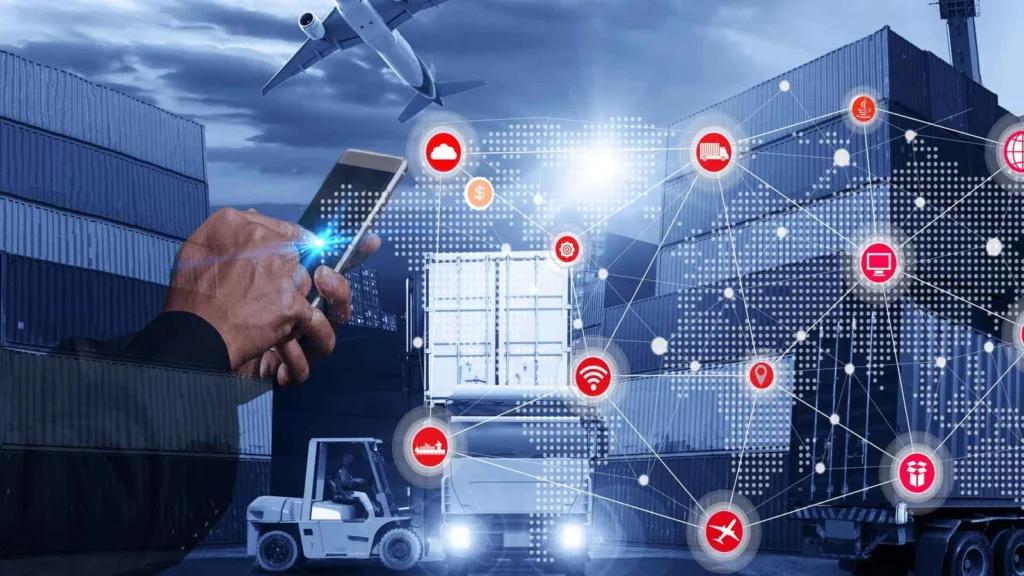
That’s why real-time tracking has become one of the most important parts of customer experience in logistics.
Because people don’t just want deliveries anymore.
They want updates too.
Smart Logistics Is Quietly Taking Over the Industry
You’ve probably heard the term smart logistics before.
But inside the industry, it’s becoming very real.
Companies now use:
- AI-powered logistics systems
- Predictive analytics
- IoT fleet management
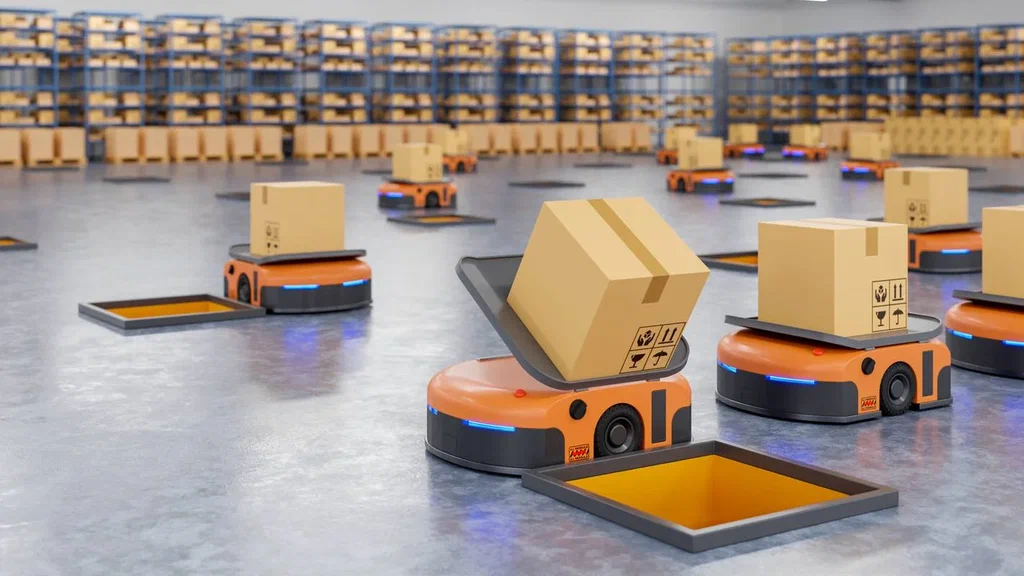
- Automated warehouse systems
- Real-time monitoring tools
And honestly, the goal isn’t only speed anymore.
It’s reducing mistakes, avoiding delays, and making operations smoother overall.
Because even small disruptions can create huge problems across supply chains.
Fleet Management Has Become Much Smarter
Managing transport fleets manually used to be extremely difficult.
Now businesses rely heavily on fleet management systems that help track:
- Vehicle locations
- Driver performance
- Fuel efficiency
- Maintenance schedules
This helps companies:
✔ Reduce downtime
✔ Prevent breakdowns
✔ Improve delivery performance
✔ Save operational costs
And customers notice when deliveries become more reliable.
Warehouses Don’t Work the Same Way Anymore

Modern warehouses look very different compared to a few years ago.
Instead of relying completely on manual systems, businesses now use:
- Cloud computing solutions
- Smart inventory systems
- Automated scanners
- AI-driven stock tracking
Because in logistics, even small inventory mistakes can create massive delays later.
And honestly, businesses can’t afford those delays anymore.
Supply Chain Problems Changed How Businesses Think
The last few years taught industries a very hard lesson:
Supply chains are more fragile than people realized.
One delay somewhere in the world can suddenly affect:
- Manufacturing
- Product availability
- Deliveries
- Customer satisfaction
That’s why businesses now focus heavily on:
- Supply chain visibility
- Connected logistics infrastructure
- Digital logistics systems
- Smarter forecasting tools
Because flexibility matters just as much as speed today.
E-Commerce Quietly Changed Logistics Forever
Online shopping completely changed customer behavior.
People now expect deliveries to feel:
- Faster
- Simpler
- More transparent
And honestly, patience levels are much lower now.
If:
- Tracking doesn’t update
- Delivery feels slow
- Communication is poor
…customers lose trust quickly.
That’s why logistics companies are investing heavily in:
- Smart transportation systems
- Faster operations
- Better customer visibility
- More connected digital platforms
Cybersecurity Became a Bigger Concern Than Most People Expected
This is something many people don’t think about.
Modern logistics systems rely heavily on:
- Connected networks
- Cloud platforms
- Smart tracking systems
- Digital operations
And when everything becomes connected digitally, risks increase too.
A cyberattack today can:
- Stop deliveries
- Disrupt operations
- Affect entire supply chains
- Expose business data
That’s why logistics cybersecurity is becoming a serious priority across the industry.
Because one system failure can create problems everywhere very quickly.
Sustainability Is Becoming Part of the Industry Too
Transport and logistics companies are also under pressure to become more environmentally responsible.
Businesses are investing more in:
- Better route planning
- Fuel-efficient operations
- Smart delivery optimization
- Sustainable transportation strategies
Because customers and governments are paying much closer attention to sustainability now.
And honestly, businesses ignoring this shift are slowly falling behind.
Even With All This Technology… People Still Keep Logistics Moving
This part matters.
Because even though technology is changing the industry rapidly, logistics still depends heavily on people.
Behind every successful delivery system are:
- Drivers
- Warehouse workers
- Operations teams
- Supply chain planners
Technology supports the process…
…but human coordination is still what keeps everything running smoothly.
Why Reliable Digital Infrastructure Matters More Than Ever
Modern logistics companies can’t operate efficiently with outdated systems anymore.
They need:
- Reliable connectivity
- Secure digital systems
- Real-time operational visibility
- Scalable infrastructure
Without strong systems:
- Communication breaks down
- Deliveries slow down
- Tracking becomes unreliable
- Customer trust suffers
And in logistics, trust matters a lot.
Where Sizaf Infocomm Supports Smarter Logistics Operations
As logistics businesses continue moving toward smarter operations, reliable technology support becomes essential.
That’s where Sizaf Infocomm helps organizations with:
- Managed IT Services
- Cloud Computing Solutions
- Fleet Connectivity Support
- Cybersecurity Solutions
- Digital Infrastructure Management
Helping businesses build systems that are:
✔ More connected
✔ More scalable
✔ More secure
✔ Better prepared for future growth
Final Thoughts: Logistics Quietly Keeps Modern Life Moving
Most people only notice logistics when something gets delayed.
But the reality is:
This industry quietly supports almost everything around us.
And right now, transport and logistics are evolving rapidly through:
- Smart logistics
- AI-powered logistics
- Digital transformation
- IoT fleet management
- Connected logistics infrastructure
Because the future of logistics isn’t just about moving products anymore.
It’s about building smarter systems that people can rely on every single day.
Ready to Modernize Your Logistics Operations?
If your business is exploring smart logistics, fleet management, cloud-based operations, or secure digital infrastructure, Sizaf Infocomm can help build scalable and future-ready technology solutions.
🌐 Visit: https://sizaf.com
📞 Malaysia: +60 146600012
📞 USA: +1 516 880 9996
💬 Let’s Talk
What matters more to you in modern logistics today — faster delivery, accurate tracking, or reliability?
Leave a Reply