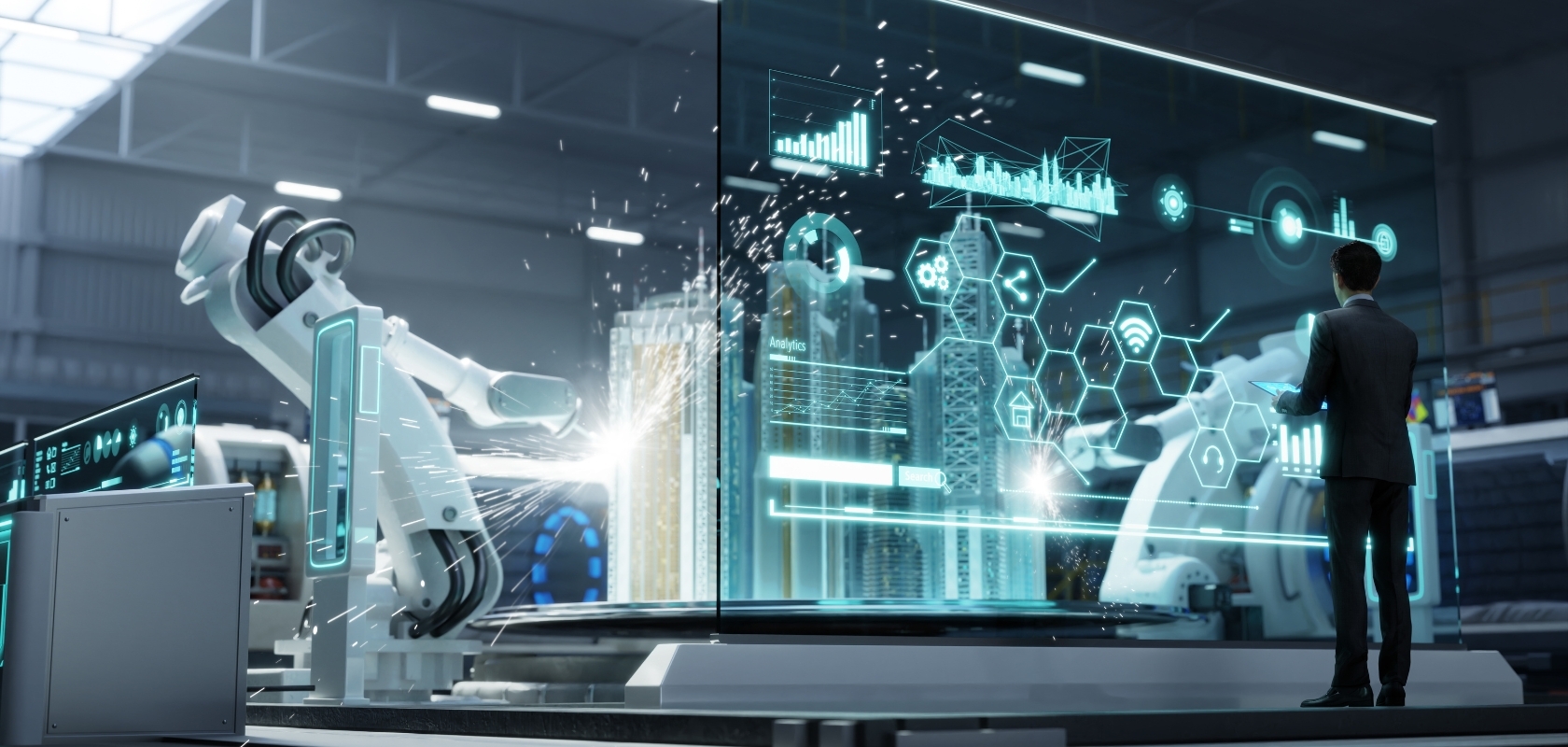
Production, Engineering & Pharma in 2026: The Industries Most People Notice Only When Something Goes Wrong
Think about your normal day for a second.
You wake up.
Take medicine if you need it.
Use your phone.
Travel through roads and buildings created by engineers.
Buy products manufactured somewhere across the world.
Most people never stop to think about how much happens behind the scenes to make everyday life feel… normal.
Because honestly, when these industries work properly, nobody notices them.
But the moment something breaks?
A delayed medicine supply.
A factory shutdown.
A system failure.
Suddenly everyone realizes how important these industries actually are.
And right now, they’re going through one of the biggest transformations they’ve ever seen.
Things Aren’t Running the Same Way Anymore
A few years ago, industries mostly focused on one thing:
“Produce more.”
That was the priority.
Now?
Businesses are expected to:
- Produce faster
- Reduce costs
- Stay secure
- Operate sustainably
- Handle digital systems
- Adapt quickly to sudden changes
And honestly, doing all of this manually is becoming impossible.
That’s why industries are quietly moving toward smarter operations.
Smart Manufacturing Isn’t Just a Trend Anymore
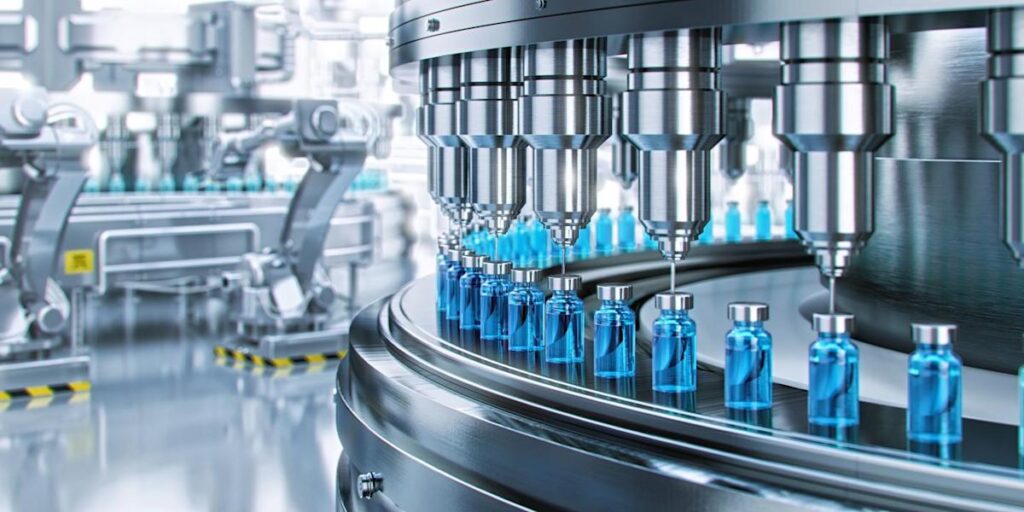
You’ve probably heard the term smart manufacturing before.
A lot of people think it’s just another corporate buzzword.
But inside factories and production facilities, it’s becoming very real.
Machines today can:
- Monitor performance in real time
- Detect issues before breakdowns happen
- Share data instantly
- Reduce unnecessary downtime
And the goal isn’t just “working faster.”
It’s avoiding costly mistakes before they happen.
Because one small production issue can sometimes affect an entire supply chain.
Automation Is Changing Work — But Not the Way People Think
Whenever automation gets mentioned, people immediately worry:
“Will machines replace people?”
But honestly, the reality is more complicated than that.
In many industries, automation is simply helping workers handle repetitive and exhausting tasks more efficiently.
Things like:
- Manual tracking
- Repetitive inspections
- Constant monitoring
…can now be supported by smarter systems.
And instead of replacing people entirely, many businesses are using technology to help teams focus on more important decision-making work.
The Pharma Industry Changed After the Pandemic Probably Forever
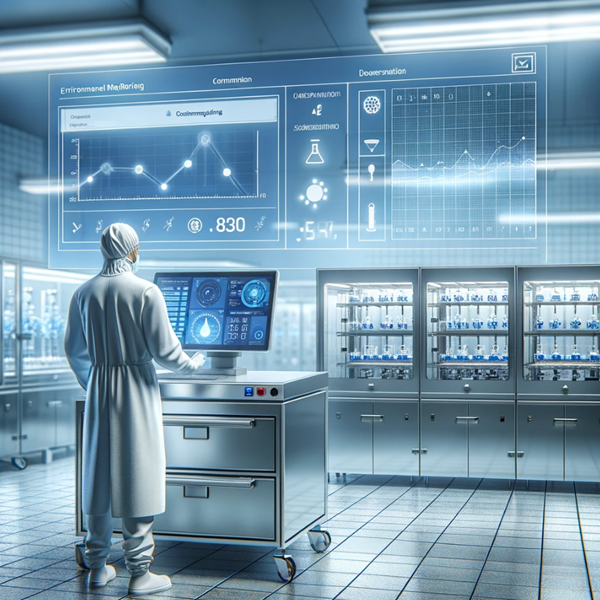
The pandemic exposed a lot of weaknesses in global healthcare and pharmaceutical systems.
Suddenly, companies had to:
- Speed up production
- Improve research collaboration
- Secure sensitive data
- Handle global demand faster than ever before
And many organizations realized their systems simply weren’t prepared.
That moment pushed pharma digital transformation forward much faster than expected.
Now pharmaceutical companies rely heavily on:
- Cloud systems
- Real-time monitoring
- Secure digital infrastructure
- Smarter supply chain visibility
Because delays in this industry don’t just affect businesses.
They affect people’s lives.
Data Quietly Became One of the Most Valuable Things in Industry
This part is interesting because most people never see it.
Modern industries generate enormous amounts of information every day.
Data about:
- Production performance
- Equipment conditions
- Supply chains
- Customer demand
- Operational efficiency
And businesses using AI in manufacturing and predictive analytics are learning how to turn that information into smarter decisions.
Instead of reacting to problems later, companies are trying to predict issues before they happen.
And honestly, that shift changes everything.
Cybersecurity Became a Bigger Problem Than Many Expected
Years ago, factories mostly worried about physical security.
Now?
Digital security matters just as much.
Because modern industrial systems are deeply connected through:
- Cloud platforms
- Smart devices
- Automated systems
- Industrial IoT networks
And that connectivity creates new risks.
A cyberattack today can:
- Stop production lines
- Shut down operations
- Disrupt supply chains
- Expose sensitive pharmaceutical research
That’s why industrial cybersecurity is becoming a major priority across production and engineering sectors.
Engineering Feels Different Today Too
Engineering used to feel heavily manual.
Now it’s becoming deeply digital.
Teams today use:
- Cloud-based collaboration tools
- Smart simulations
- Real-time monitoring systems
- AI-assisted designs
Projects move faster.
Communication improves.
Mistakes get reduced earlier.
And honestly, companies still depending entirely on older systems are finding it harder to keep up.
Sustainability Is No Longer Just “Good PR”
This is another major shift happening right now.
Customers, governments, and investors are all paying closer attention to how industries operate.
Businesses are now expected to:
- Reduce waste
- Improve energy efficiency
- Operate responsibly
- Build sustainable manufacturing systems
And unlike before, sustainability isn’t only about image anymore.
It’s becoming part of long-term business survival.
The Supply Chain Problems Changed How Businesses Think
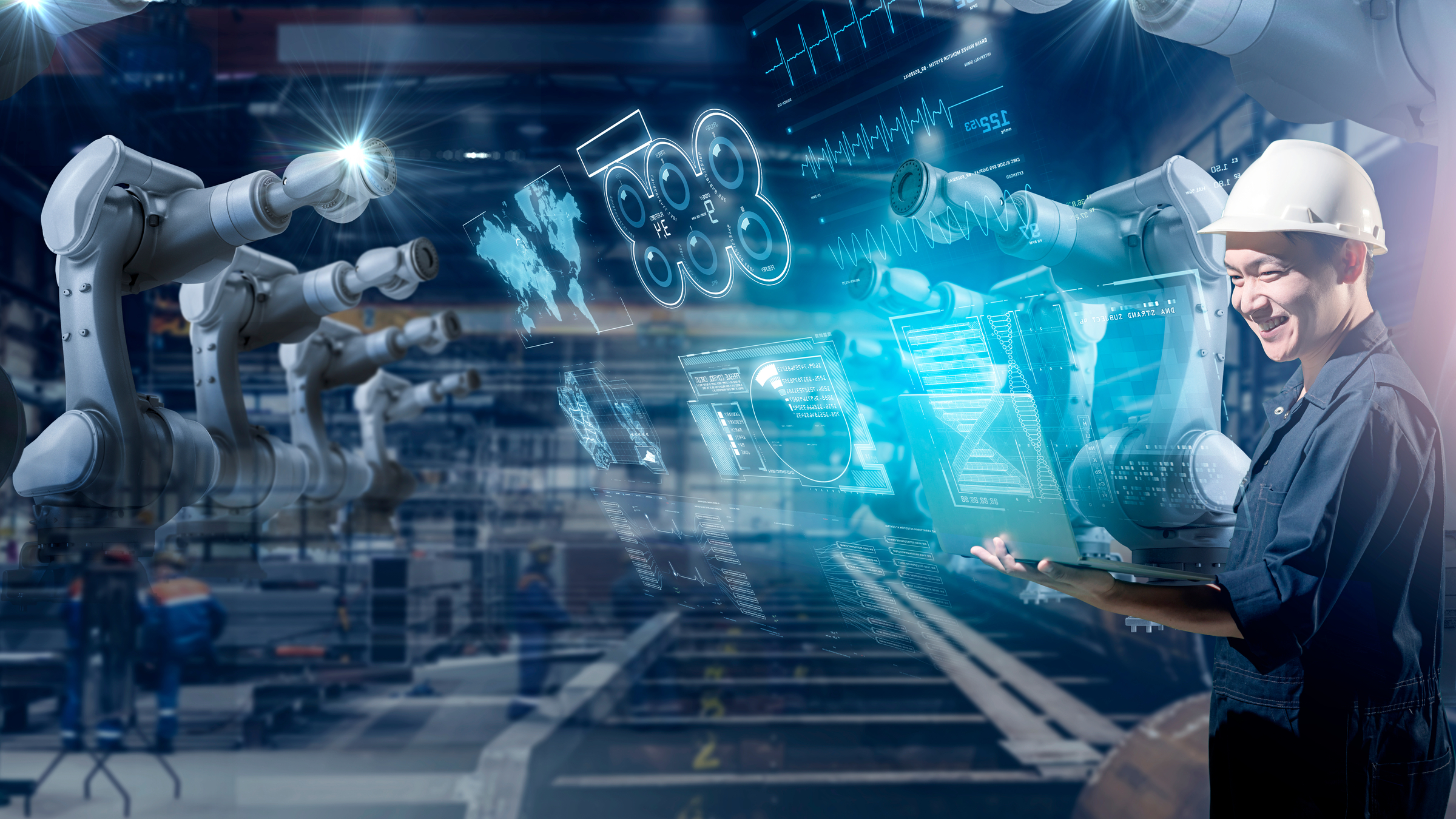
The last few years taught industries a hard lesson:
Supply chains are more fragile than people realized.
One disruption somewhere in the world can suddenly affect:
- Manufacturing
- Product availability
- Deliveries
- Costs
That’s why businesses are investing heavily in:
- Real-time supply chain visibility
- Cloud-based operations
- Smarter tracking systems
- Connected industrial infrastructure
Because today, flexibility matters just as much as speed.
Even With All This Technology… People Still Matter Most
This part is important.
Because sometimes conversations around technology make it sound like industries are becoming completely automated.
But behind every system are still people:
- Engineers solving problems
- Teams managing operations
- Researchers developing solutions
- Workers keeping production moving
Technology supports industries.
But human experience is still what holds everything together.
Why Digital Infrastructure Matters More Than Ever
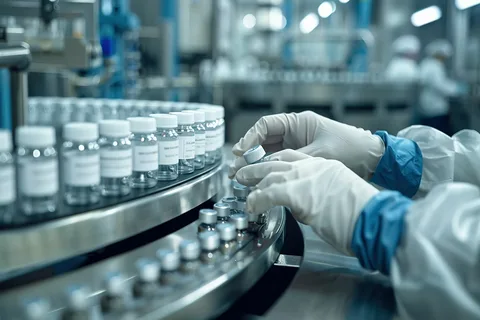
Modern industries simply can’t run efficiently on outdated systems anymore.
They need:
- Reliable networks
- Secure cloud systems
- Scalable infrastructure
- Real-time visibility across operations
Without strong digital support:
- Downtime increases
- Communication slows down
- Security risks grow quickly
And in industries where every minute matters, those problems become expensive very fast.
Where Sizaf Infocomm Supports This Change
As industries continue modernizing, businesses need technology that actually works in real operational environments.
That’s where Sizaf Infocomm helps organizations through:
- Managed IT Services
- Cloud Computing Solutions
- Industrial Cybersecurity
- Smart Infrastructure Support
- Digital Transformation Solutions
Helping businesses build systems that are:
✔ More secure
✔ More scalable
✔ More efficient
✔ Better prepared for future growth
Final Thoughts: These Industries Are Quietly Shaping the Future
Most people may never fully see what happens behind production facilities, engineering projects, or pharmaceutical systems.
But these industries influence everyday life more than we realize.
And right now, they’re evolving quickly.
Not just through machines or automation…
…but through smarter thinking, better systems, and technology working alongside people — not replacing them.
Because the future of industry isn’t just about producing more anymore.
It’s about building smarter, safer, and more connected environments for everyone.
Ready to Modernize Your Operations?
If your business is exploring smart manufacturing, digital transformation, industrial cybersecurity, or cloud-based operations, Sizaf Infocomm can help build reliable and scalable solutions designed for modern industrial environments.
🌐 Visit: https://sizaf.com
📞 Malaysia: +60 146600012
📞 USA: +1 516 880 9996
💬 Let’s Talk
What do you think industries need most right now — smarter automation, stronger cybersecurity, or better digital infrastructure?