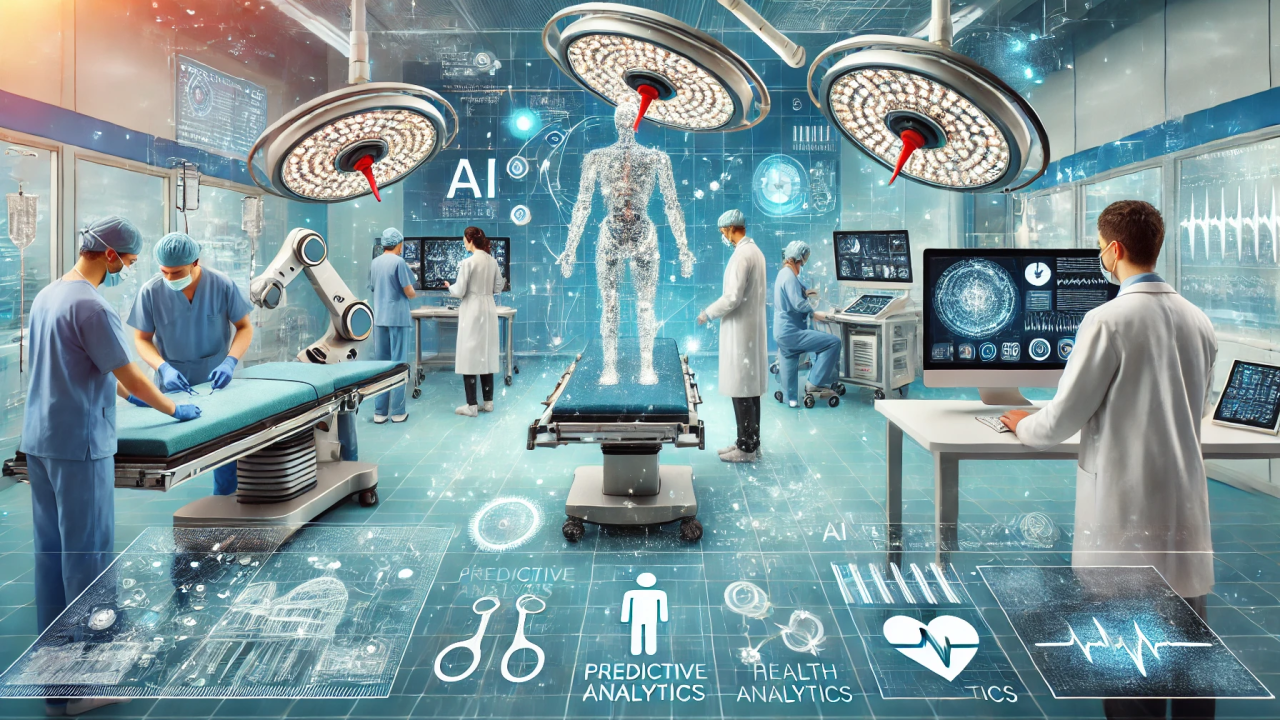
Healthcare Is Going Digital Faster Than Ever—But Is It Secure?
A few years ago, visiting a hospital usually meant carrying paper reports, waiting in long queues, and manually filling out forms.
Today, things look very different.
Patients can book appointments online.
Doctors can access medical records instantly.
Hospitals use connected devices to monitor patients in real time.
Telehealth consultations have become part of everyday healthcare.
While these advancements have made healthcare faster and more convenient, they’ve also created a new challenge:
How do we keep patient information safe in an increasingly digital world?
This question is becoming one of the biggest priorities for healthcare organizations worldwide.
As healthcare continues embracing technology, Healthcare Security is no longer just an IT concern—it’s a critical part of patient care.
The Digital Healthcare Revolution Is Here
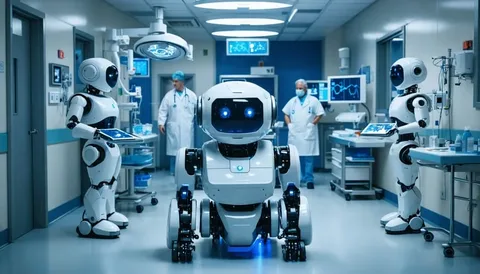
Healthcare is experiencing one of the biggest digital transformations in its history.
Hospitals, clinics, laboratories, and healthcare providers are increasingly adopting:
✅ Artificial Intelligence (AI) in Healthcare
✅ Electronic Health Records (EHR)
✅ Telemedicine Platforms
✅ Cloud-Based Healthcare Systems
✅ Internet of Medical Things (IoMT)
✅ Remote Patient Monitoring
These innovations are helping medical professionals provide faster, more accurate, and more personalized care.
But every connected device and digital system creates new security responsibilities.
Why Healthcare Has Become a Major Cybersecurity Target
Let’s think about it for a moment.
What information is more personal than your medical records?
Healthcare databases often contain:
- Personal identification details
- Medical history
- Prescription information
- Insurance records
- Financial information
This data is incredibly valuable.
In fact, healthcare records are often worth more to cybercriminals than credit card information because they contain a complete picture of an individual’s identity.
This is one reason why Healthcare Cybersecurity has become a global priority.
AI Is Helping Healthcare Become Smarter and Safer
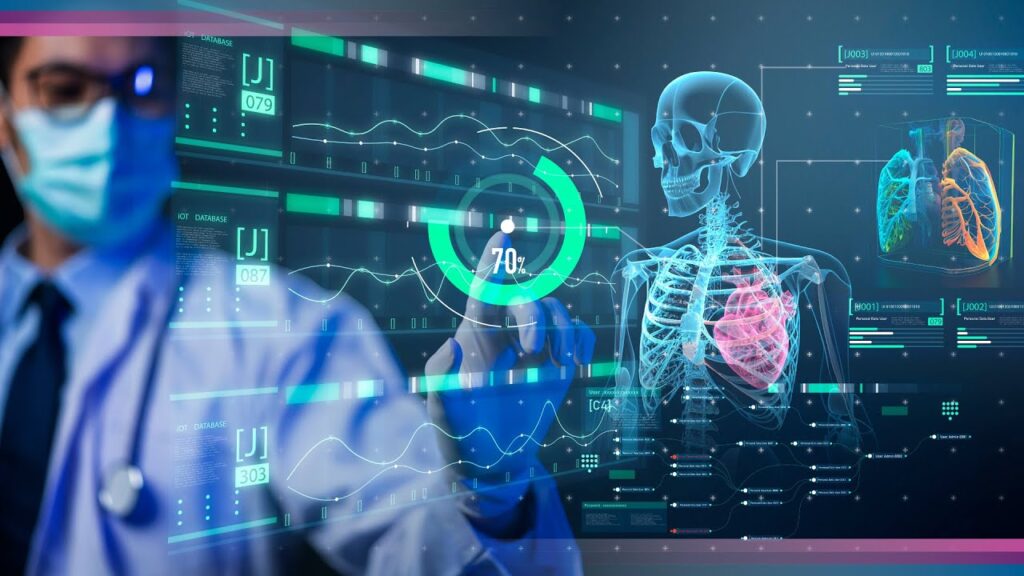
One of the most exciting developments in healthcare today is the use of Artificial Intelligence in Healthcare.
Most people hear about AI helping doctors diagnose diseases faster.
But AI is also playing a major role in security.
Modern AI-powered systems can:
Detect Suspicious Activity
AI can monitor networks and identify unusual behavior before it becomes a major problem.
Identify Potential Cyber Threats
Advanced algorithms can detect malware, ransomware, and unauthorized access attempts in real time.
Protect Patient Records
AI helps healthcare organizations monitor who accesses sensitive information and flag unusual activity.
Improve Response Times
Instead of waiting for a security team to discover an issue, AI can instantly alert administrators.
The result?
Better protection for patients and healthcare providers alike.
The Growing Importance of Patient Data Security
Patients trust healthcare providers with some of their most sensitive information.
That trust must be protected.
A single security breach can affect thousands—or even millions—of individuals.
This is why Patient Data Security is now considered a core component of modern healthcare operations.
Healthcare organizations are increasingly investing in:
- Data Encryption
- Multi-Factor Authentication (MFA)
- Cloud Security Solutions
- Access Control Systems
- Zero Trust Security Models
These technologies help ensure that sensitive information remains protected from unauthorized access.
Telemedicine Is Growing—And So Are Security Expectations
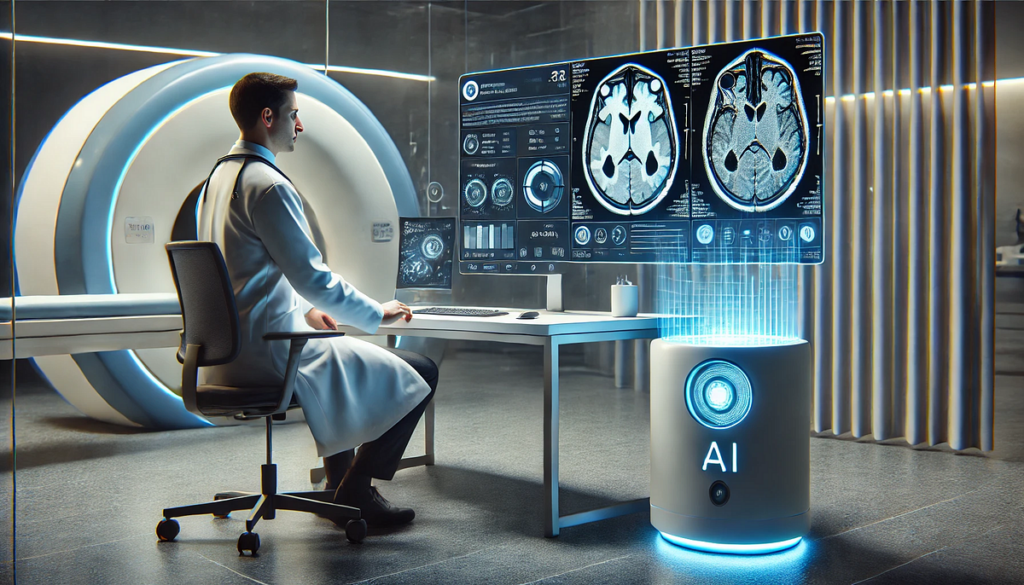
The popularity of Telemedicine continues to rise in 2026.
Patients appreciate the convenience of consulting healthcare professionals without leaving home.
Doctors can reach patients in remote locations more efficiently.
Healthcare becomes more accessible.
However, virtual healthcare also introduces new security concerns.
Organizations must ensure:
- Secure video consultations
- Protected patient communications
- Encrypted file sharing
- Safe online appointment systems
Without proper safeguards, convenience can quickly become vulnerability.
The Internet of Medical Things (IoMT): A Game Changer for Healthcare
One of the fastest-growing trends in healthcare technology is the Internet of Medical Things (IoMT).
This includes connected devices such as:
- Smart heart monitors
- Wearable health trackers
- Connected infusion pumps
- Remote monitoring devices
These tools help doctors gather real-time health information and improve patient outcomes.
But because these devices connect to networks, they also require strong security measures.
Every connected device represents a potential entry point for cyber threats if not properly secured.
The Rise of Zero Trust Security in Healthcare
One phrase you’ll hear frequently in healthcare technology discussions is Zero Trust Security.
The concept is straightforward:
“Never trust, always verify.”
Instead of automatically granting access, systems continuously verify users and devices before allowing access to sensitive information.
This approach helps healthcare organizations:
✔ Reduce unauthorized access
✔ Protect patient data
✔ Improve compliance
✔ Strengthen overall cybersecurity posture
For many healthcare providers, Zero Trust is becoming the foundation of modern security strategies.
Healthcare Security Is Also About Patient Trust
Technology is important.
Security tools are important.
But ultimately, healthcare security is about something much bigger:
Trust.
Patients trust healthcare providers with their personal stories, medical histories, and private information.
That trust is difficult to earn and easy to lose.
Strong Healthcare Security Solutions help ensure that trust remains intact.
When patients know their information is protected, they feel more confident engaging with digital healthcare services.
Healthcare Technology Trends to Watch in 2026
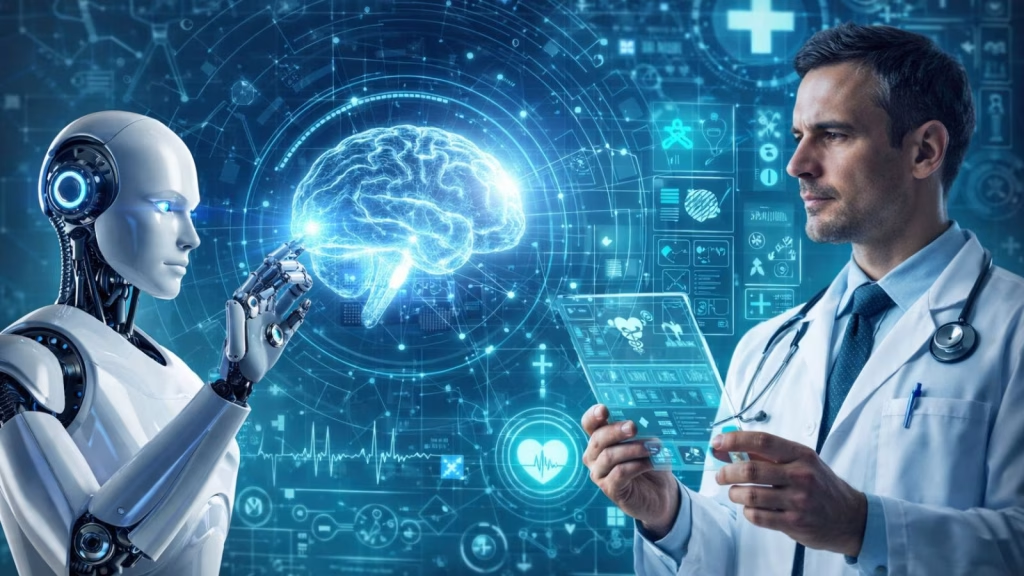
The healthcare sector is expected to continue investing heavily in:
AI-Powered Healthcare Solutions
Helping providers improve patient outcomes and operational efficiency.
Healthcare Cybersecurity Platforms
Protecting digital health systems from evolving threats.
Cloud-Based Healthcare Infrastructure
Supporting secure and scalable healthcare operations.
Remote Patient Monitoring
Allowing providers to deliver care beyond hospital walls.
Predictive Analytics in Healthcare
Using data to identify health risks earlier and improve treatment planning.
These trends are reshaping healthcare around the world.
Final Thoughts: Security Is Becoming Part of Patient Care
When people think about healthcare, they usually think about doctors, nurses, treatments, and technology.
But in today’s connected world, Healthcare Security has become just as important.
After all, protecting a patient’s information is another way of protecting the patient.
As healthcare continues embracing Artificial Intelligence, Digital Health Solutions, Telemedicine, and Connected Medical Devices, strong security practices will remain essential.
The future of healthcare isn’t just digital.
It’s digital, intelligent, and secure.
And that’s exactly what patients deserve.
How Sizaf Infocomm Supports Secure Digital Healthcare
At Sizaf Infocomm, we help healthcare organizations strengthen their digital infrastructure through secure IT solutions, Healthcare Cybersecurity Services, cloud technologies, and network security management.
🌐 Visit: https://sizaf.com
📞 Malaysia: +60 146600012
📞 USA: +1 516 880 9996