
The Reasons Behind Digital Nomads’ Selection of Malaysia
Imagine a remote tech team working from a coworking hub in Kuala Lumpur, a freelancer enjoying a cup of coffee at a Penang café, or the founder of a startup operating from a Langkawi co-living villa. This is Malaysia in 2025; it is not a dream of the future.
Global tourism has changed as a result of the rise of digital nomads, or remote workers who travel while working online. As more nations introduce digital nomad visas and develop internet infrastructure, digital tourism is anticipated to make a substantial contribution to GDP, according to the Malaysia Digital Economy Corporation (MDEC).
The catch is that attractive beaches and reasonably priced housing aren’t the only factors that draw in digital nomads. It has to do with a safe digital ecosystem, dependable tech infrastructure, and fast internet.
Internet Speed: A Crucial Aspect for Nomads
Even though Malaysia’s islands are stunning, a digital nomad’s trip could be made or broken by slow Wi-Fi. According to research, when nomads are selecting a destination, internet dependability is the most important consideration.
Urban Malaysia (KL, Penang, Johor Bahru): High-speed fiber and a robust 5G rollout are already luring remote workers.
In order to satisfy the demands of nomads, tourist destinations such as Langkawi, Sabah, and Sarawak require improved last-mile connectivity.
There are chances for “workcation” packages in rural areas (Perhentian Islands, Cameron Highlands), but only if internet infrastructure expands.
Simply put, nomads spend more money locally and stay longer when the internet is faster.
Growth in Tourism Driven by Remote Tech Tools
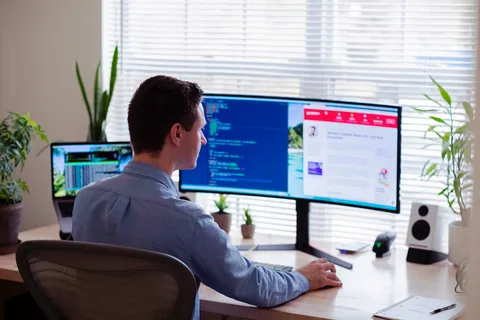
Wi-Fi is not enough for digital nomads; they also require remote work tools. Coworking spaces, regional ISPs, and tech hubs in Malaysia are starting to catch up, providing services like:
- Apps for collaboration and cloud storage (Microsoft 365, Google Workspace).
- Secure VPN access to protect customer data and banking.
- AI-driven translation technologies that overcome linguistic obstacles.
- Co-living and co-working spaces with intelligent reservation systems.
Malaysia can change from being a stopover destination to a remote-first hotspot by combining tourism with remote work support.
Visas for Digital Nomads and Policy Improvements
Visas for digital nomads have increased travel to nations like Thailand, Portugal, and Estonia. With the recent introduction of Malaysia’s DE Rantau Nomad Pass, remote workers from other countries can now stay longer and support the local economy.
In order to optimize its influence, Malaysia needs to make sure:
- Nomads can get inexpensive internet packages.
- collaborations between ISPs and travel agencies to establish areas that are conducive to digital nomads.
- cybersecurity guidelines that safeguard foreign employees’ private information.
Economic Effects: Not Just Travel

Digital nomads spend money on more than just lodging and meals. They
- Co-living apartments are available for rent.
- Get long-term memberships to coworking spaces.
- Invest in internet services, data plans, and local SIM cards.
- Encourage other nomads to follow Malaysia by promoting it online.
Malaysia’s digital nomad economy is predicted to expand by 25% a year if internet speeds and technological infrastructure keep increasing.
Obstacles Malaysia Must Face
Malaysia is in a good position, but there are still some obstacles:
- The Internet is spotty in rural areas, particularly on islands and in ecotourism destinations.
- Cybersecurity risks: fraud, phishing, and AI scams that target tourists.
- Limited knowledge—not all nomads are aware that Malaysia offers a specific visa program.
Malaysia could compete with popular destinations like Bali, Chiang Mai, or Lisbon if it is addressed.
The Future of Malaysian Smart Tourism

Malaysia’s tourism industry’s future rests on combining technology and hospitality. Imagine “Smart Tourism Villages” in Langkawi that provide 5G-enabled coworking spaces alongside environmentally friendly resorts. or travel platforms driven by AI that allow for safe digital payments while customizing itineraries.
It’s easy: Smart technology + fast internet equals successful nomad travel.
Conclusion
Travel and the workplace are evolving. In addition to drawing tourists, Malaysia’s embrace of digital nomads aims to establish itself as a global center for remote work.
Malaysia will not only welcome tourists but also the next generation of international innovators if it can ensure high-speed internet, safe remote tools, and encouraging policies.
💡 Your Turn: If internet speeds and remote technology met your standards, would you think of Malaysia as your next digital nomad destination? Comment below!
Searching for IT solutions or digital infrastructure to facilitate remote work? Reach out to Sizaf Infocomm right now
Malaysia :+ 60 146600012
USA: +1 516 880 9996