Blog

  • The Rise of Edge Computing in Malaysia: A Game-Changer for SMEs

    The Rise of Edge Computing in Malaysia: A Game-Changer for SMEs

    The Future Is at the Edge: Why Malaysian SMEs Can’t Ignore It

    Think about this: In Kuala Lumpur, you own a food supply company. Every delay in your data transfer, from delivery apps to warehouse sensors, results in lost revenue, dissatisfied customers, and wasted time. Rather than transmitting all of that data to a remote cloud server, what if the processing took place close to your operations, at the “edge” of your network? Edge computing, as it is known, is rapidly changing the game for SMEs in Malaysia.

    These days, edge computing is more than just a catchphrase. It’s a useful solution that enables companies to process data locally, lowering latency, increasing productivity, and guaranteeing quicker decision-making. The emergence of IoT devices, analytics driven by AI, and real-time applications has brought Malaysia’s digital ecosystem closer to the edge than it has ever been.

    Describe Edge Computing in Brief.

    Edge Computing

    The fundamental idea behind edge computing is to move storage and processing closer to the point of data generation. Smart routers, gateways, and local servers are examples of edge devices that manage a portion of the workload rather than depending entirely on central data centers or remote cloud servers.

    To SMEs, this implies:

    • quicker reaction times (in sectors like e-commerce or fintech, milliseconds count).
    • decreased bandwidth consumption, which helps companies with narrow profit margins save money.
    • improved dependability, despite erratic internet access.

    Consider it a step up from making a “long-distance call” each time you need information to having the answers right next door.

    The Immediate Need for Edge Computing by Malaysian SMEs

    Edge Computing

     1. Instantaneous Business Growth Insights

    From retail stores in Penang to logistics companies in Port Klang, Malaysian SMEs are becoming more and more data-driven. With edge computing, companies can gain a competitive edge by instantly analyzing payment data, supply chain trends, and customer behavior.

    2. Assisting Malaysia’s MyDIGITAL (Digital Economy Blueprint)

    Digital adoption is being strongly pushed by the Malaysian government. With MyDIGITAL initiatives and the rollout of 5G, edge computing fills the gap and enables SMEs to scale intelligent solutions without becoming totally reliant on the cloud.

    3. Cutting Down on Latency in Vital Functions

    Delays are unacceptable for fintech startups, healthcare services, and even online learning platforms. Edge processing guarantees smooth experiences, whether it’s quicker online payments or easy video conferencing for Sabah’s rural students.

    4. Economical for small businesses

    Large cloud costs are a problem for SMEs more often than not. By processing data locally, edge solutions enable them to reduce needless cloud usage while still utilizing cloud scalability when required.

    Malaysian Real-World Edge Computing Applications 

    Edge Computing

    🔹 Smart Retail

    Real-time sales trend monitoring, digital payment system management, and customer foot traffic tracking are all possible for retail SMEs with edge-powered analytics.

    🔹 Production and Logistics

    Production lines can prevent expensive downtime by using edge devices to quickly identify equipment problems. Real-time GPS analytics are another tool that logistics SMEs can use to track fleet routes.

    🔹 E-payments and fintech

    The e-wallet ecosystem in Malaysia, which includes Touch ‘n Go eWallet, GrabPay, and DuitNow, is thriving due to its speed. Gaining the trust of customers requires the safe and quick processing of payment data, which edge computing guarantees.

    🔹Healthcare

    Local processing of patient data by clinics and telehealth platforms allows for quicker diagnosis and less reliance on external cloud networks, which is essential for rural healthcare.

    5G and Edge Computing: The Ideal Combination for Malaysia

    The introduction of 5G in Malaysia is opening up enormous possibilities for edge adoption. SMEs can now implement AI-driven solutions, IoT devices, and smart apps that were previously unattainable due to 5G’s extremely low latency.

    For instance:

    • 5G + Edge is being used by restaurants to track deliveries in real time.
    • platforms for online learning that provide lag-free AR and VR instruction.
    • IoT sensors connected by 5G are being used by manufacturing SMEs to perform predictive maintenance.

    Malaysia is becoming smarter thanks to the combination of edge and 5G technology.

    Overcoming Obstacles

    • Adoption of the edge is not without challenges, of course:
    • initial expenditure for integration and devices.
    • risks to cybersecurity if local processing is not adequately protected.
    • skills gap, since many SMEs might not have enough qualified IT workers.

    The good news? To close this skills gap, Malaysia is establishing local talent pipelines through private tech partnerships, digital academies, and universities.

    How Edge Computing Can Help SMEs Get Started

    • Start Small: Choose one procedure that stands to gain from quicker local processing, such as fleet tracking or point-of-sale analytics.
    • Leverage 5G: For optimal effectiveness, combine edge solutions with 5G networks as coverage expands.
    • Put Security First: To guarantee PDPA compliance and safe data handling, collaborate with reliable IT partners.
    • Train Your Staff: Educate staff members on IoT, AI, and data analytics.

    Adopt hybrid models that balance scalability and speed by combining edge and cloud for flexibility.

    SMEs at the Crossroads of Change: A Conclusion

    Developing faster, more intelligent, and more dependable business ecosystems is the goal of the edge computing revolution, which goes beyond technology. For Malaysian SMEs, this is a chance to compete internationally, grow, and innovate while controlling expenses.

     To help Malaysian SMEs prepare for the future, we at Sizaf Infocomm assist them in investigating edge computing, 5G adoption, and secure digital infrastructure. Our team is prepared to lead you into the edge-powered future, regardless of your size—from a small retailer to a rapidly expanding fintech startup.

    Are you prepared to push your company closer to the edge? Today, let’s talk:

    Malaysia:  +60 146600012

    United States: +1 516 880 9996

  • E-Wallet trend in Malaysia 2025: How DuitNow Is Powerfully Transforming Digital Payments

    E-Wallet trend in Malaysia 2025: How DuitNow Is Powerfully Transforming Digital Payments

    The Takeover of Digital Wallets: Cash? That was very 2015 at the time. With integrated e-wallet systems and DuitNow QR at the forefront, Malaysia’s payment practices have completely shifted to digital by 2025.

    Everyone is scanning QR codes, from the neighborhood nasi lemak stand in Kuala Lumpur to the upscale malls in Penang. Cashless payments are now simple and widely accepted thanks to Bank Negara Malaysia’s (BNM) push for interoperability, which allows you to scan a single QR code using any e-wallet or bank app.

    Why the Game Was Changed by DuitNow QR

    An integrated payment ecosystem was established with the introduction of DuitNow QR. You might have had to ask a store owner if they accepted Touch ‘n Go or GrabPay before this. Boost, MAE by Maybank2u, ShopeePay, GrabPay, Touch ‘n Go eWallet, and more are now compatible with a single QR code.

    More than 90% of Malaysian retailers, including tiny street vendors, will accept DuitNow QR by 2025. Laminated QR codes are now taped to the stalls of even pasar malam vendors.

    Integrating E-Wallets and Changing Lifestyles

    e-wallet

    Nowadays, e-wallets are used for more than just payments. Malaysians will use them in 2025 for:

    • Direct utility bill payment within an app
    • Fees for public transportation (MRT, LRT, RapidKL buses)
    • Checkouts for online purchases that offer immediate rebates
    • P2P transfers to divide dinner expenses among friends
    • Tracking loyalty points,

    Due to their convenience, digital wallets are now more than just a fintech tool; they are a necessity for modern life.

    Key Drivers of Malaysia’s Digital Payment Boom

    e-wallet
    • Adoption was promoted even in rural areas by initiatives like eBeliaRahmah and cashless kampung programs.
    • Retail digitization: E-wallet payments are now default choices on e-commerce sites like Lazada and Shopee due to their deep integration.
    • Security improvements: Biometric logins, two-factor authentication, and AI fraud detection increased user confidence.
    • 5G connectivity: Quicker mobile internet sped up transactions and decreased unsuccessful payments.

    Cross-Border QR Payments’ Ascent

    e-wallet
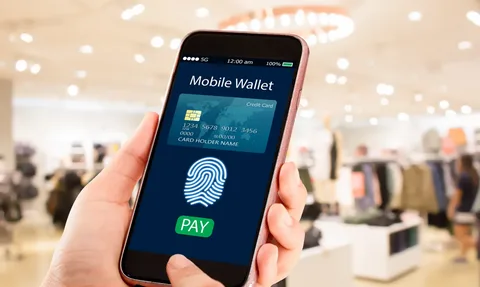
    Hand holding mobile with pay word and bill icon feature with blur back office counter background,Digital Lifestyle concept. (Hand holding mobile with pay word and bill icon feature with blur back office counter background,Digital Lifestyle concept., A

    Malaysians can now use their e-wallets to directly scan QR codes in Thailand, Singapore, and Indonesia thanks to ASEAN Pay integration. Tourism and small businesses exporting to neighboring countries will benefit greatly from this.

    For instance, a Singaporean tourist can now pay a Johor business owner instantly and without any exchange problems.

    How Companies Are Changing

    SMEs in Malaysia are doing more than merely “accepting e-wallets.” The information is being used to:

    • Recognize the busiest times for purchases.
    • Find out which goods are most frequently purchased using e-wallets.
    • Use payment apps to offer customized promotions.
    • Cut expenses associated with handling cash

    For example, a café in Selangor discovered that 70% of their coffee sales were made through GrabPay. As a result, they started offering special GrabPay discounts, which doubled the number of customers in just one month.

    Cybersecurity Issues & Remedies

    e-wallet

    Cybercriminals are becoming more inventive as we move toward digitalization. Common scams in 2025 include:

    • Placement of phony QR codes over legitimate merchant codes
    • Phishing links masquerading as “payment alerts” that are sent via SMS
    • Social media scams involving e-wallet top-ups

    In response, BNM and e-wallet providers have:

    • Teaching people how to scan safely
    • Including prompts for real-time QR verification
    • Introducing biometric authorizations with a “tap to approve” feature

    Prospects for the Future (2026 & Beyond)

    Only biometric payments Just your fingerprint or face scan at the register—no wallet or phone.

    Spending assistants powered by AI automatically classifying expenses, suggesting savings, and even negotiating bill payments are all features of your payment app.

    Metaverse transactions: Using integrated Malaysian e-wallets to pay for digital collectibles and virtual real estate.

    Conclusion: The Era of Cashless Transactions Is Here

    The adoption of e-wallets and DuitNow QR by Malaysia is a lifestyle change rather than merely a technological advancement. Transactions are now safer, quicker, and cross borders.

    The question for companies is now, “How can I maximize digital payments for growth?” rather than, “Should I accept digital payments?”

     At Sizaf Infocomm, we help communities, startups, and SMEs in Malaysia embrace digital technology by integrating cutting-edge fintech solutions and establishing safe payment systems. Our experts are available to assist you in future-proofing your business in Malaysia’s cashless economy.

    Reach Out to Us Now 

    Malaysia;:+60 146600012

    USA: +1 516 880 9996 USA

  • Malaysia’s 5G+ & 6G Readiness in 2025: How It Will Transform Business and Daily Life

    Malaysia’s 5G+ & 6G Readiness in 2025: How It Will Transform Business and Daily Life

    The Implications for Companies and Customers of Malaysia’s Race to 5G+ and 6G Readiness

    Hold on to your seats if you thought Malaysia’s 5G rollout was quick. 5G+ and even 6G readiness are already threatening to arrive in our digital world.

    Not in ten years, but in the next few, we will see a significant shift in the way we work, shop, stream, and manage businesses. As the government strives for world-class infrastructure and Malaysia’s Digital Economy Blueprint (MyDIGITAL) pushes for nationwide connectivity, the move to ultra-high-speed internet is more than just a technological advancement; it’s a complete digital revolution.

    What does this mean for you as a student, gamer, business owner, or even just a Netflix binge-watcher? Come on, let’s start.

    5G+ and 6G: What Are They?

    5 g

    In essence, 5G+ is just the improved and upgraded form of 5G. Imagine 5G on steroids: faster speeds, reduced latency, and improved reliability, particularly in densely populated areas like Penang’s tech hubs or Kuala Lumpur.

    This will be further enhanced by 6G, which is anticipated to launch globally around 2030 and will allow for nearly instantaneous data transfer and internet speeds up to 100 times faster than 5G.

    We’re no longer merely catching up in Malaysia. The Malaysian Communications and Multimedia Commission (MCMC), private tech partners, and local telcos are already preparing the way for 6G testing by the late 2020s.

    The Reasons Behind Malaysia’s Rapid Progress

    The straightforward explanation is digital competitiveness. Leading nations in 5G+ and 6G pilots include South Korea, Japan, and Singapore. High-speed connectivity is essential if Malaysia hopes to maintain its competitiveness in e-commerce, cloud computing, artificial intelligence, fintech, and smart manufacturing.

    The following are important factors influencing Malaysia’s quick 5G+ and 6G readiness:

    • Developing the Digital Economy: By 2025, Malaysia wants the digital sector to account for 25% of its total GDP.
    • Supporting Smart Cities — In order to integrate IoT, projects in Cyberjaya, Johor, and Penang need blazing-fast networks.
    • Improving Telehealth & E-Learning — High-speed connectivity eliminates geographical restrictions for everything from online medical consultations in Sarawak to distant classrooms in Sabah.

    SMEs are empowered by faster internet because it facilitates real-time customer engagement, seamless digital transactions, and better cloud adoption.

    Effect on Businesses in Malaysia

    5G

    1. SMEs Will Face Global Competition

    Roasting sessions can be livestreamed for audiences around the world by an artisan coffee roaster in Ipoh. VR fitting rooms can be operated without lag in a Johor online boutique.

    2. Smarter Manufacturing

    Penang factories can use AI-powered robotics with split-second coordination with 5G+ and 6G, which will increase productivity and decrease downtime.

    3. The Supply Chain and Logistics Go Real-Time

    Instantaneous IoT fleet tracking will be possible with 5G+, which is essential for Malaysia’s expanding e-commerce delivery industry.

    4. The Growth of Digital Finance Is Faster

    Blockchain-based services, DuitNow QR payments, and e-wallets will all be enhanced by smooth, fast transactions.

    What This Signifies for Customers

    5G

    The advantages for regular Malaysians will be felt in practically every area of their lives:

    • With Ultra-HD Streaming, buffering is eliminated, even during busy times.
    • AR and VR Experiences: Anticipate complete immersion without lag in everything from virtual travel to gaming.
    • Real-time communication between your IoT security cameras, refrigerator, and air conditioner is a feature of smart homes.
    • Remote Study & Work: More seamless collaboration tools, stable video calls, and immediate file sharing.

    The Difficulties Malaysia Must Face

    There are some obstacles, despite the genuine excitement:

    • Infrastructure Investment: Although it is expensive, improving connectivity in rural areas is essential.
    • Risks to cybersecurity — If security isn’t given priority, faster networks translate into faster cyberattacks.

    To utilize these technologies, Malaysians must be digitally literate.

    An Examination of Malaysia’s Digital Prospects

    It is anticipated that by 2027:

    • 5G+ access will be available to 95% of Malaysians.
    • 6G trials will begin in major cities.

    Companies will have a major competitive edge if they adopt this change early.

    Conclusion

    There is more to the transition to 5G+ and 6G than just speed. It’s about making it possible for Malaysian households, companies, and students to operate freely in the future.

    Whether it’s a student getting access to top-notch education from a remote village or a small business expanding to global markets, the greatest benefits will accrue to those who adjust early.

    Sizaf Infocomm provides the appropriate digital infrastructure, cybersecurity solutions, and technology adoption strategies to assist Malaysian communities and businesses in embracing this transition. Our team is prepared to assist you at every stage if you wish to prepare your operations for the high-speed era.

    Get in touch with us Today !

    USA: +1 516 880 9996; 

    Malaysia: +60 146600012

  • Data Center Boom in Johor: Malaysia’s Digital Hub Dream & the Sustainability Challenge

    Data Center Boom in Johor: Malaysia’s Digital Hub Dream & the Sustainability Challenge

    The Emergence of Johor as a Digital Powerhouse in Malaysia

    Johor has emerged as the most promising state in Malaysia’s recent ascent up the global tech ladder. One of Southeast Asia’s most promising data center hotspots, Johor is positioned strategically across the causeway from Singapore and has evolved from a sleepy industrial center.

    According to analysts, Johor’s data center capacity is expected to increase from 1.6 gigawatts to over 5 gigawatts by 2035, making it one of the largest in the region due to this remarkable increase. Why is this increase occurring? Reasonably priced land in comparison to Singapore, robust fiber broadband infrastructure in Malaysia, and government-supported incentives for high-tech investment.

    This isn’t just about servers and cables—it’s about positioning Malaysia as a regional digital hub that powers cloud services, AI systems, and e-commerce platforms across ASEAN.

    Global Tech Giants Place Billions of Dollars in Bets

    The largest technology companies in the world have taken notice of the change. Microsoft recently revealed their largest commitment to date: a $2.2 billion investment in Malaysia’s cloud and AI infrastructure. These days, Google, Amazon Web Services (AWS), and even Chinese tech behemoths are vying for Johor land and licenses.

    The backbone for both domestic companies and international clients will be provided by these facilities, which will house vital services for AI e-commerce Malaysia, IoT smart home Malaysia solutions, and 5G coverage KL expansion.

    “What’s built in Johor will be powering apps, platforms, and innovations you’ll use every single day” is not hyperbole.

    An enormous boost to the economy of Malaysia

    Data Center Boom in Johor

    This boom’s effects on the economy go well beyond technology. Here’s how:

    • Creating Jobs for Locals: The need for qualified workers is greater than ever before, from cybersecurity analysts to electrical engineers. To address this need, coding bootcamp MY programs and local universities are already growing.
    • Foreign Direct Investment (FDI): Malaysia will receive billions of dollars in foreign capital, which will support other sectors like logistics, green technology, and construction.
    • Real estate development: Demand for Johor’s commercial real estate and associated infrastructure is driven by data center campuses.

    Nearly every aspect of the economy is impacted by the spillover benefits.

    There’s a catch, though: environmental and energy concerns

    Although data centers are the foundation of the digital age, they also carry a lot of environmental burdens. These facilities’ cooling systems and 24-hour operation demand massive amounts of electricity. In the absence of careful planning, Malaysia may encounter:

    • Fossil fuel-powered centers have the potential to significantly raise national emissions of carbon.
    • Water Resource Strain: Some parts of Johor are concerned about cooling systems’ high water requirements.
    • Infrastructure Stress: With rapid expansion, current transportation and power grids may not be able to keep up.

    If Malaysia doesn’t adopt a green tech strategy, it runs the risk of exchanging one type of advancement for another.

    The Drive for Green Data Centers in Malaysia

    Data Center Boom in Johor

    The Malaysian government and private operators are considering sustainable data center strategies in recognition of these risks. Among the initiatives are:

    • incorporating wind and solar energy into operations.
    • lowering energy waste with cooling systems driven by AI.
    • reusing waste heat for local industries or agriculture.
    • Using green construction Selangor requirements for all newly constructed facilities.

    Malaysia could become a model for environmentally friendly digital infrastructure in Asia if it is successful in making Johor’s facilities sustainable. It will not only be a tech hub.

    Local Talent Opportunities

    The people who operate the facilities are just as important as the facilities themselves in the digital revolution. There is tremendous potential for Malaysian talent as a result of this boom:

    • Experts in cybersecurity will safeguard private information.
    • Massive system design and maintenance will be handled by cloud engineers.
    • Analytics and AI will be used by data scientists to expand businesses.

    Johor may become a training ground for the next generation of tech leaders in the region thanks to collaborations between the public and private sectors and digital education initiatives in Malaysia. This may result in more lucrative local jobs for young Malaysians and less need to relocate overseas.

    Competition from Adjacent Communities

    Data Center Boom in Johor

    Regional competitors like Singapore, Indonesia, and Thailand are vying for market share in the data center industry, despite Malaysia’s remarkable growth.

    Malaysia has many advantages, including cheaper prices and a lot of land, but in order to maintain its lead, it needs to make sure that political stability, quick permit approvals, and top-notch internet infrastructure are all in place.

    The Implications for Companies and Customers

    Faster cloud access, enhanced cybersecurity, and more affordable hosting services are all benefits of the Johor data center boom for businesses. In the global market, this could provide Malaysian SMEs with the competitive advantage they require.

    Better 5G coverage KL, faster online transactions, more dependable IoT smart home Malaysia devices, and more seamless streaming are all benefits for regular consumers. More reliable connectivity and lower latency will even help services like Malaysian online education.

    The Road Ahead

    Data Center Boom in Johor

    The emergence of Johor presents a once-in-a-generation chance to reshape Malaysia’s role in the digital economy. The current challenge is to make sure that growth is inclusive, sustainable, and advantageous to all Malaysians.

    The state could become the backbone of Southeast Asia’s internet infrastructure if it is implemented properly, bringing prosperity without compromising environmental sustainability.

    Conclusion and Request for Action

    Malaysia could become a global leader in technology thanks to Johor’s data center boom, but only if expansion is accompanied by accountability. By making investments in green tech Malaysia, nurturing local talent, and upholding robust digital infrastructure, the nation can safeguard its digital future while preserving the environment.

    Are sustainability and economic growth compatible in Malaysia, in your opinion? We would be interested in hearing your opinions.

     For cloud hosting, cybersecurity, and tech solutions, call us at

     Malaysia  +60 146600012

    USA +1 516 880 9996 

  • Emerging Cybersecurity Innovation & Local Talent Shaping Malaysia’s Digital Future in 2025

    Emerging Cybersecurity Innovation & Local Talent Shaping Malaysia’s Digital Future in 2025

    In the center of Southeast Asia, Malaysia is establishing itself as a major center for trade and tourism, but it’s also emerging as a cybersecurity powerhouse. Smarter, faster, and more adaptable cybersecurity solutions are required as the threats to our national and personal security increase along with the digitization of our daily lives. The most exciting thing about these developments is that many of them are being created locally by talented individuals, rather than being merely imported technologies from abroad.

    The development of cybersecurity in Malaysia involves more than just technology; it also involves people. Leading the way in digital security is being redefined by Malaysian experts, researchers, and entrepreneurs behind each AI-driven threat detection system and advanced network defense platform. And upon closer inspection, we can observe how the nation’s digital future is being shaped by the convergence of innovation and local knowledge.

    Why Cybersecurity Is Now Malaysia’s Top Priority

    Cybersecurity

    There is no denying that cyber threats are increasing everywhere, including in Malaysia. There has never been a higher risk of ransomware attacks on companies or phishing scams that target individuals. Although the pandemic years sped up the adoption of digital technology in almost every sector, including banking, education, e-commerce, and healthcare, they also increased vulnerabilities.

    The national organization in charge of cybersecurity development, CyberSecurity Malaysia, has noted a consistent rise in cybercrime incidents in recent years. High-profile data breaches in the recent past have raised awareness of the issue of digital security. Government and private sector investments in cybersecurity infrastructure have become a top priority as a result of these incidents.

    Local Minds Drive Innovation

    The emergence of indigenous solutions marks a significant turning point in Malaysia’s cybersecurity history. The nation’s research institutes and tech startups are creating cutting-edge tools for incident response, real-time monitoring, and threat detection. To anticipate possible attacks before they occur, some are combining machine learning and artificial intelligence.

    The use of AI-powered threat intelligence, or systems that can learn from past attack patterns and instantly adjust to new threats, is one notable trend. In order to better understand the unique cyber threats that the region faces, Malaysian businesses are now developing AI models that are trained using local data.

    The Function of Education and the Development of Skills

    Cybersecurity

    Of course, technology is not enough to defeat cybercrime. Expert experts are the foundation of any cybersecurity plan. Malaysia has been investing heavily in education and training programs to prepare the next generation of cybersecurity experts because it recognizes this.

    Nowadays, local universities offer specialized degrees in cybersecurity, and industry-academia collaborations guarantee that students obtain practical experience. The goal of government programs like the Malaysia Cyber Security Strategy 2020–2024 is to develop thousands of cybersecurity experts with an emphasis on practical skills.

    Partnership between the Public and Private Sectors

    Another factor contributing to the growth of Malaysia’s cybersecurity ecosystem is the close cooperation between the public and private sectors. While private businesses contribute agility, innovation, and market-driven solutions, government organizations supply the infrastructure support and policy framework.

    For example, CyberSecurity Malaysia frequently collaborates with nearby companies to exchange intelligence on new threats, carry out cooperative research, and create cybersecurity governance best practices. Through this partnership, innovations are guaranteed to transition from research labs to practical applications where they can safeguard individuals and companies.

    New Trends to Keep an Eye on

    Cybersecurity

    Looking ahead, Malaysian cybersecurity is being shaped by a number of trends. One of the most intriguing is quantum-resistant encryption, a cutting-edge method of data security that will be crucial in a future where conventional encryption techniques may be compromised by quantum computing. Although this technology is still in its infancy, Malaysian researchers are already looking into how to incorporate it into regional industries.

    Zero Trust Architecture is another important trend. This security model makes the assumption that no device or user, even if they are inside the network, should be trusted by default. Since many Malaysian businesses now have remote or hybrid workforces, this strategy is becoming increasingly important.

    Why Local Talent Is More Important Than Before

    Although it’s easy to view cybersecurity as a strictly technical problem, at its heart, it’s a human issue, both for those who pose the threats and for those who protect against them. Local talent is essential since they are aware of Malaysia’s distinct technological, cultural, and economic environment.

    Phishing campaigns, for example, frequently imitate local banks or government organizations in Malaysia by using cultural allusions and language that could fool even tech-savvy people. A security system created by someone on the other side of the globe might not be aware of these subtleties, but a local specialist will.

    Conclusion

    Building stronger walls is no longer the only goal of cybersecurity in Malaysia; it’s also about developing more intelligent, flexible defenses and developing the bright local minds that can power them. The combination of innovation and domestic talent is turning out to be the recipe for a safer digital future as AI, cloud computing, and advanced analytics transform the security landscape.

    Sizaf Infocomm is here to help you take the lead if your company is prepared to accept these changes and protect your digital assets using innovative techniques.

    Reach out to us now!

    Malaysia: +60 146600012

     USA: +1 516 880 9996

    What do you think?

    Do you believe that the next wave of cybersecurity innovation will be primarily driven by local Malaysian talent? Comment below!

  • How to Choose the Right Internet Plan in Malaysia Based on Usage (2025 Guide)

    How to Choose the Right Internet Plan in Malaysia Based on Usage (2025 Guide)

    Why Internet Plans Matter More Than Ever

    In 2025, internet usage in Malaysia is at an all-time high. Whether you’re streaming Netflix in 4K, running a small online business, attending Zoom meetings from home, or just scrolling through TikTok—your internet plan can make or break your daily digital experience.

    But with so many broadband, fibre, and mobile data plans available from providers like Unifi, Maxis, Digi, CelcomDigi, and TIME,  sizaf Infocomm how do you choose the right one?

    The answer: it all comes down to your usage.

    Let’s break it down in simple terms to help you find the internet plan that fits your lifestyle (and your wallet).

    🎯 First, Determine Your Usage Category

    How to Choose the Right Internet Plan in Malaysia Based on Usage

    Identifying your internet usage habits is the first step. One of these common categories describes the majority of Malaysians:

    1. Social media users and casual browsers:

    •  light browsing on Facebook, Instagram, WhatsApp, etc.
    • Low Usage
    • 10–30 Mbps is advised (mobile or fiber).

    2. Activities for Remote Employees and Students:

    •  Zoom, Google Meet, and uploading and downloading documents
    • Use: Moderate
    • It is advised to use steady upload/download speeds between 50 and 100 Mbps.

    3. Activities of YouTube Addicts & Streamers: 

    • YouTube (often in HD/4K), Netflix, and Disney+
    • Usage: High
    • Recommended: unlimited quota, 100–300 Mbps

    4. Activities of Gamers: 

    5. Activities of Small Business Owners:

    Step 2: Learn About the Different Plan Types in Malaysia

    How to Choose the Right Internet Plan in Malaysia Based on Usage

      1.  Mobile Data Plans

    • Digi, Maxis, Celcom, U Mobile, and sizaf Infocomm offer mobile data plans.
    • Ideal for: Students, single-person households, and users who are constantly on the go.
    • Keep an eye out for: Speed throttling following data caps

    2. Ethernet Broadband at Home

    • Provided by: CelcomDigi Fibre, TIME, Maxis Fibre, and Sizaf Infocomm
    • Ideal for: Families, gamers, streamers, and work-from-home environments
    • Advantages: unrestricted data, fast speed, and reliable connection
    • Cons: Installation is necessary, and availability varies by location.

    3. Internet plans for businesses

    • TIME Biz, Maxis Business Fibre, and Unifi Biz are the providers.
    • Best suited for offices and SMEs with numerous users and devices
    • SLAs, priority customer service, and static intellectual property are among the advantages.

    Step 3: Evaluate Prices, Add-ons, and Speeds

    How to Choose the Right Internet Plan in Malaysia Based on Usage

    The following should be considered when comparing internet plans:

    ✅ Speed

    • Pay attention to upload and download speeds. The upload is particularly crucial for:
    • Calls via video
    • Transferring files to cloud storage
    • Internet gaming

    ✅ Data Limit

    • Stay away from capped plans if you:
    • Every day, stream content.
    • Utilize several devices
    • Work from home.

    The majority of fiber plans now provide unlimited data. Make sure to always read the fine print.

    ✅ Price-budget matching speed:

    • Good for students and casual users for less than RM100 per month
    • RM100 to RM200 per month: Perfect for long-distance work or families
    • Plans at the business level with extra features for RM200+ per month

    ✅ Installation and Equipment Charges:

     Some suppliers provide:

    • Free router and modem
    • Free setup
    • A trial period of one month

    ✅ Contract Length:

    •  Postpaid fiber contracts are normally 24 months long.
    • Contract, prepaid, or monthly options for mobile data

    🧩 Step 4: Think About Coverage & Location

    How to Choose the Right Internet Plan in Malaysia Based on Usage

    Regional differences exist in internet availability and speed in Malaysia.

    Urban Areas 

    • The majority of providers are found in urban areas (Kuala Lumpur, Penang, and Johor Bahru).
    • In high-rise condominiums, TIME provides 1Gbps.

    🏡 Rural and suburban areas

    • Limited options
    • Mobile data or satellite internet may be better

    ✅ To verify availability in your area, use resources such as MCMC coverage maps or visit the websites of providers.

    🛡️ Step 5: Look for Customer Service & Hidden Clauses

    How to Choose the Right Internet Plan in Malaysia Based on Usage

    Prior to registering, inquire:

    • What occurs if the internet is unavailable?
    • Is a fair usage policy in place?
    • How quick is their customer service?

    📞 If you’re working from home or managing a business, providing excellent customer service is essential. Faster repair times and round-the-clock technical support are features of certain plans.

    Make Smart Decisions and Maintain Contact

    In Malaysia, picking the best internet package doesn’t have to be difficult. You can prevent overspending or receiving subpar services by being aware of your needs and quickly comparing options.

    If you’re:

    • An individual in Cyberjaya
    • An entrepreneur in Penang
    • A Johor Bahru gamer
    • or simply a YouTube enthusiast

    —you can choose from a variety of internet plans.

    📞 Do You Need Assistance Selecting or Creating a Plan?

    Throughout Malaysia, Sizaf Infocomm assists homes, businesses, and individuals in setting up dependable, quick, and secure internet connections. We simplify everything for you, from network security to hardware.

    Call us now at

     Malaysia  +60 146600012 

     USA.  +516 880 9996 

    💡 How fast is your internet at the moment?

    Tell us about your experience by leaving a comment below!

  • Cybersecurity for SMEs in Malaysia 2025: Why Small Doesn’t Mean Safe Anymore

    Cybersecurity for SMEs in Malaysia 2025: Why Small Doesn’t Mean Safe Anymore

    Overview: An Important Warning to Malaysian SMEs

    By 2025, banks, big businesses, and governmental organizations are no longer the only ones concerned about cybersecurity. Even the online store of your neighborhood bakery or a Penang-based SME providing IT services could be in danger today.

    Why? Due to a significant discovery made by hackers, small and medium-sized enterprises (SMEs) are the most vulnerable.

    SMEs were involved in more than 65% of all reported cyber incidents in 2024, according to CyberSecurity Malaysia. Nevertheless, a lot of small businesses continue to ignore cybersecurity.

    Therefore, it’s time to take your cyber defense seriously if you’re a digital entrepreneur or SME owner in Malaysia.

    🚨 The Significance of Cybersecurity for Malaysian SMEs

    Cybersecurity for SMEs in Malaysia 2025:

    Let’s examine some practical explanations for why SMEs are currently at the forefront of cyberattacks:

    1. Limited Awareness & Budget

    The majority of SMEs have limited IT budgets. This frequently translates into antiquated software, a lack of a dedicated cybersecurity team, and inadequate security training. 2. Growing Utilization of Electronic Instruments

    Malaysian SMEs are utilizing more technology than ever before, from cloud-based point-of-sale systems to Shopify and WhatsApp Business. Additionally, any digital entry point could be a point of attack.

    3. Priceless Client Information

    You’re still gathering names, phone numbers, addresses, and payment information even if you only own a small clothes store. These are all valuable resources for cybercriminals.

    4. Simple Entry, Significant Effect

    Cybercriminals are aware that breaking into a SME is simpler and frequently goes unnoticed for a longer period of time. They are able to:

    • Hold your data hostage.
    • Delete all company records
    • Give away client information
    • Use your website as a phishing campaign target.

    Typical Cyberthreats Malaysian SMEs Face

    Cybersecurity for SMEs in Malaysia 2025:

    2025 has seen a more complex threat landscape, and SMEs must be aware of the unique risks.

    1. Attacks using ransomware

    Your data is locked by hackers, who then demand payment to unlock it. SMEs that don’t have data backups frequently have to pay.

    🧨 Local Example: After losing access to its inventory system, a logistics SME in Johor paid RM15,000 in Bitcoin.

    2. Social engineering and phishing

    Employees are tricked into sharing login credentials or clicking on malicious links by phony emails or WhatsApp messages.

    📧 Warning signs include messages that appear urgent, request one-time passwords, or originate from “Bank Negara” or “LHDN.”

    3. Business Email Compromise (BEC):

    To fool clients or suppliers into sending money to a phony account, hackers impersonate your company email.

    According to the Royal Malaysia Police (PDRM), BEC scams in Malaysia resulted in losses of RM260 million in 2024.

    4. Malware and Website Hijacking

    Hackers insert malicious code onto your website in order to steal data or reroute visitors.

    “🚫” Your search rankings could be destroyed overnight if Google blacklists your e-commerce website.

    Ways SMEs Can Boost Cybersecurity by 2025

    Cybersecurity for SMEs in Malaysia 2025:

    To increase security, you don’t need a million dollars. A useful road map for Malaysian SMEs is provided here:

    1. Make use of multi-factor authentication (MFA).

    Put MFA into place for all important logins, particularly those for banking apps, cloud services, and email. Even free programs like Duo or Google Authenticator can stop account breaches.

    2. Educate Staff on Cyber Hygiene

    The majority of cyberattacks begin with human error. Conduct frequent awareness-raising events on how to:

    • Identify phishing emails
    • Use secure passwords.
    • Be responsible with customer data.

    🧠 Advice: Make use of the free resources offered by SME Corp. Malaysia or CyberSecurity Malaysia.

    3. Install Endpoint Security & Antivirus

    Verify that all of your devices—phone, laptop, and point-of-sale system—are secure. Microsoft Defender for Business, Bitdefender, and Kaspersky Small Office Security are excellent places to start.

    4. Update all software.

    These software updates frequently fix significant vulnerabilities, so don’t disregard them.

    Update payment gateways, mobile apps, CMS platforms (such as WordPress), and plugins.

    5. Make Regular Backups of Data

    Make use of an encryption-protected cloud backup solution. Automate backups every day or every week.

    ✅ SME-friendly plans are available in Malaysia through tools like Dropbox Business, Google Workspace, and Acronis.

    6. Protect Your Hosting & Wi-Fi

    Invest in a reputable hosting company that offers SSL encryption and DDoS protection, create distinct guest networks, and use strong passwords for your Wi-Fi.

    🌐 For increased security, think about switching from shared hosting to cloud or VPS hosting.

    7. Select a Cybersecurity Colleague

    An internal team is not necessary. Managed IT security solutions, including monitoring, patching, alerts, and response, are available for SMEs from companies such as Sizaf Infocomm.

    Case Study: How a KL Retail SME Overcame a Cyberattack

    Cybersecurity for SMEs in Malaysia 2025:

    A ransomware attack was launched against a mid-sized fashion e-commerce startup in Kuala Lumpur at the beginning of 2025. Their business was shut down for four days, their payment system was frozen, and customer data was exposed.

    This is what enabled them to recover:

    • All of their order data was backed up in the cloud.
    • The response was managed by a third-party cybersecurity company.
    • Following recovery, they trained staff members and put in place an AI-based firewall.

    They now run their business without any incidents, and they even leveraged the experience to increase customer trust in their marketing.

    Take Action Before a Breach Occurs

    You must begin to treat cybersecurity as a top priority if your company depends on the internet for sales, customer service, payments, or even email.

    Recall:

    “Cybersecurity is now a business issue rather than an IT one.”

    📞 Do You Want to Protect Your SME Right Now?

    From risk assessments to round-the-clock monitoring, we specialize in assisting Malaysian SMEs in creating robust, reasonably priced cybersecurity setups.

    Get in touch with us at

     info@sizaf.com.

     USA: +1 516 880 9996

      Malaysia: +60 146600012

    Before it’s too late, let’s secure your digital business.

  • AI in E-Commerce Malaysia 2025: How Smart Tech is Powering Online Shopping

    AI in E-Commerce Malaysia 2025: How Smart Tech is Powering Online Shopping

    A Brief Overview of Malaysia’s Current AI-Powered Retail

    When you visit your preferred Malaysian online store, the homepage is already aware of your preferences, size, spending limit, and even your emotional state. Sound like the future?

    This, however, is no longer a pipe dream in 2025. The brains behind Malaysia’s most prosperous e-commerce platforms are artificial intelligence (AI). AI is making online shopping more intelligent, quicker, and more lucrative with features like automated chatbots and personalized product recommendations.

    Let’s examine this trend’s explosive growth in Malaysia and how companies are using it to their advantage.

    Why Malaysia Is Seeing a Boom in AI in E-Commerce

    AI in E-Commerce Malaysia 2025: How Smart Tech is Powering Online Shopping

    One of the fastest-growing digital economies in Southeast Asia is already Malaysia. Improved 5G coverage in KL and programs like the Malaysia Digital Economy Blueprint (MyDIGITAL) have prepared the infrastructure for the adoption of smart technologies.

    AI is booming in Malaysian e-commerce for the following reasons:

    • High usage of mobile devices and the internet
    • The growing middle class and their digital buying habits
    • Government backing for digital innovation and AI
    • Online transactions are now more trustworthy (duitNow, e-wallets, etc.)

    When you combine this setting with AI-powered platforms, you have a formula for success in digital retail.

    🎯 The Impact of AI on Malaysian E-Commerce

    AI in E-Commerce Malaysia 2025: How Smart Tech is Powering Online Shopping

    1. Highly customized shopping experiences

    These days, AI systems examine user activity in real time, including clicks, searches, preferences, and past purchases, and then recommend the appropriate product to the appropriate individual at the appropriate moment.

    If you frequently purchase Korean skincare products, for instance, websites such as Hermo or Watsons might show the newest K-beauty products first. Even better, AI modifies prices according to your loyalty level or spending patterns.

    Local Example: AI is now being used by Lazada and Shopee in Malaysia to customize flash sales and package deals.

    2. AI-Powered Chatbots for 24/7 Assistance to Customers

    Customer service wait times are over. These days, multilingual, 24/7 Malaysian chatbots with AI capabilities can respond to commonly asked questions, check the status of deliveries, manage refunds, and even suggest products.

    These bots can effortlessly serve a multilingual audience because they support English, Mandarin, and Bahasa Malaysia.

    🧠 Pro Tip: Adding AI chatbots, like Yellow.ai or ChatGPT API, to any Malaysian SME e-commerce website is affordable.

    3. Intelligent Forecasting of Demand and Stock

    AI in E-Commerce Malaysia 2025: How Smart Tech is Powering Online Shopping

    Companies can avoid overstocking or understocking by using AI technologies to predict which products will sell more quickly. This is very helpful during significant events like 11.11, Ramadan sales, or promotions for Merdeka Day.

    📦 Tool to Try: Malaysian e-commerce startups are using AI-based inventory tools like TradeGecko (QuickBooks Commerce) to improve stock management.

    4. Product Discovery with AI & Visual Search

    Customers can upload photos and look for related products across platforms thanks to AI. You can now find sellers selling similar pairs of sneakers in KL with just a quick image search if you saw someone wearing trendy sneakers.

    These visual tools are already being introduced by platforms such as Zalora Malaysia.

    5. Marketing & Retargeting Driven by AI

    AI benefits marketers as well as consumers.

    With the help of tools like Meta Ads AI, companies in Malaysia can now:

    • More specifically target high-value customers
    • Create converting ad creatives automatically
    • Use ROI forecasts to inform your intelligent bidding tactics.

    🎯 For instance, a Malaysian online apparel company that used AI-powered advertisements saw a 35% decrease in cost per conversion.

    6. Secure Payments & Fraud Detection

    AI in E-Commerce Malaysia 2025: How Smart Tech is Powering Online Shopping

    Online shoppers are very concerned about cybersecurity. Fortunately, real-time AI detection and prevention of payment fraud is now possible.

    An additional degree of trust is added by AI models that identify questionable transactions before they are processed, particularly for DuitNow QR, Touch ‘n Go eWallet, and FPX payments.

    AI Tools Malaysians Are Using in E-Commerce (2025)

    Tool NameUse CaseMalaysian Brands Using It
    Shopify Magic AISmart product descriptionsSME Clothing Brands
    Yellow.aiCustomer support chatbotsTravel & Retail Startups
    Pimax AIProduct performance predictionNiche E-Commerce Stores
    AdCreative.aiMarketing creatives for social adsBeauty & Gadget Sellers
    Google Vertex AIProduct categorizationEnterprise-level e-retailers

    Conclusion: Embrace the Future or Be Left Behind

     Artificial Intelligence (AI) is crucial to the success of Malaysian online businesses and is no longer merely a trendy term.

    AI integration entails the following, regardless of whether you’re a big retail chain or a Shopee solo seller:

    • Improved interaction with customers
    • Improved operations
    • Increased conversions
    • Reduced support expenses

    Moreover, a competitive advantage in the dynamic Malaysian market is crucial.

    Are You All Set to Jump?

    Let’s work together to develop intelligent AI-powered business solutions.

    Reach out to us directly:

    Malaysia: +60 146600012

    USA: +1 516 880 9996

    Has your online shopping experience changed as a result of AI? 👆

    Leave a remark or share your ideas!

  • Climate-Smart Farming: How Tech Is Saving Agriculture and Fisheries in 2025

    Climate-Smart Farming: How Tech Is Saving Agriculture and Fisheries in 2025

    The Storm Is Real: Climate Change Is Already Here, Not Coming

    Farmers and fishermen can tell you that the weather is different without the need for a climate scientist.

    • Rain no longer corresponds with the seasons. 
    • Unexpected heat waves burn crops. 
    • Conventional fishing spots are becoming scarce, and fish migrations are shifting.

    These are not anomalies; rather, they are the new norm. Additionally, Malaysia and other nations’ fisheries and agriculture face a dilemma in 2025: either adapt or struggle.

    The good news is that technology is rescuing the legacy that generations of fishermen and farmers have built. We will examine how digital fisheries tools and climate-smart agriculture are not only addressing climate issues but also transforming them into opportunities in this blog.

    Climate-Smart Agriculture and Fisheries: What Is It?

    Farming methods that boost resilience, lower greenhouse gas emissions, and increase productivity are referred to as climate-smart agriculture (CSA). Similar smart systems in the fishing industry are assisting fishermen in tracking species migration, monitoring oceans, and optimizing catch without causing ecological harm.

    🌱 Growing more isn’t the only goal; growing smarter is as well.

    Tech-Driven Agriculture: Useful Tools Having an Impact

    Climate-Smart Farming: How Tech Is Saving Agriculture and Fisheries in 2025

    1. Intelligent Soil and Watering Sensors

    Consider only receiving an alert when your crops truly require water. Real-time monitoring of temperature, moisture content, and nutrient requirements by farmers using IoT-based sensors lowers waste and boosts yields.

    Smart irrigation systems in Malaysia have contributed to a 30% reduction in water consumption in rice cultivation.

    2. Drones for Spraying and Crop Monitoring

    You no longer need to spend hours walking fields because drones can now quickly scan large areas to find overwatering zones, pest infestations, and sick plants. Using fewer chemicals, some drones even automatically spray fertilizer or pesticides.

    3. Climate Forecasting Using AI

    Farmers can plan when to plant or harvest by using AI models to provide hyper-local weather forecasts. These tools also give farmers a vital head start by warning of impending floods or droughts.

    Smart Fisheries: Precision and Sustainability Come Together

    Climate-Smart Farming: How Tech Is Saving Agriculture and Fisheries in 2025

    Ocean warming, diminishing fish stocks, and environmental regulations are some of the climate-related issues that fisheries must deal with. Here’s how technology is assisting:

    1. Fish tracking via satellite

    Fishermen now use remote sensing tools to forecast fish locations based on currents, algae levels, and ocean temperature. This lessens empty trips, overfishing, and fuel waste.

    2. Online Quota Tracking & Catch Reporting

    Small-scale fishermen are able to record their catches in real time through mobile applications. Long-term marine ecosystem viability is ensured by governments and non-governmental organizations using this data to monitor fish populations and make sustainable quota adjustments.

    3. Automated Aquaculture

    Sensors are used by smart feeding systems in fish farms to precisely measure fish activity and deliver food. This keeps water quality steady, enhances growth, and avoids overfeeding.

    Malaysia: An Example of Climate-Technological Innovation

    Climate-Smart Farming: How Tech Is Saving Agriculture and Fisheries in 2025

    Climate change poses a serious threat to Malaysia’s rice fields and coastal communities. However, significant change is taking place thanks to solid collaborations between cooperatives, government organizations, and tech companies.

    Consider a farming cooperative in Kedah that used Sizaf Infocomm’s smart agriculture tools to cut crop loss by 20% during the floods last year. They did this by installing climate monitoring sensors and utilizing our predictive AI dashboard.

    In a similar vein, Johor’s coastal fisheries that used our mobile catch reporting system experienced a 15% boost in operational effectiveness, which enabled them to sustain profits despite seasonal stock fluctuations.

    Benefits Beyond the Farm or Boat

    Climate-Smart Farming: How Tech Is Saving Agriculture and Fisheries in 2025

    Not Just for Farms or Boats Climate-smart technology is advantageous for:

    • Ecological sustainability
    • Employment in rural areas and empowerment
    • Future generations’ food security
    • Data-informed policymakers’ decision-making

    It’s not about taking the place of fishermen and farmers. Providing them with the appropriate resources will enable them to prosper in a world that is changing.

    The Role of Sizaf Infocomm

    In order to create unique solutions that strike a balance between tradition and innovation, Sizaf works closely with farmers, cooperatives, fishery boards, and agri-tech startups. We assist you in moving forward without losing your roots, from secure mobile platforms and AI climate tools to IoT field monitoring.

    You Hold the Power of the Future

    Innovation doesn’t wait, but neither does climate change. We already have the means to adapt and prosper. Farmers and fishermen in Malaysia and elsewhere need to make the change now.

    You don’t need to be an expert in technology. All you have to do is be adaptable.

    We are here to help you on your path to intelligent fishing and farming.

    Contact our team by phone or Visit our Website

    Malaysia: +60 146600012

    USA: +1 516 880 9996

    What do you think is the largest obstacle to the adoption of technology in fishing or farming? Let’s get the discussion going.

  • Smart Logistics: How Transport Is Transforming Malaysia in 2025

    Smart Logistics: How Transport Is Transforming Malaysia in 2025

    The Reasons Logistics Isn’t the Same as It Was

    Have you ever had to call customer service to find out the location of a shipment? That’s history in 2025.

    These days, Malaysia’s logistics sector is moving into a smarter, faster, and more efficient era thanks to digital freight platforms, AI route planning, and real-time GPS tracking. Managing a fleet in Johor, handling ocean freight in Port Klang, or overseeing 3PL services in Klang—smart logistics is now essential to your competitive advantage.

    Let’s examine the current trends, resources, and key words influencing logistics in Malaysia.

    Smart Logistics: How Transport Is Transforming Malaysia in 2025

    Leading Technology Developments in Malaysia’s Logistics and Transportation Sector (2025)

     1. Management of the Fleet  Using AI and IoT

     IoT sensors are being used by fleet operators from Klang to Penang, Malaysia, to track vehicle performance, fuel consumption, and route efficiency.  When paired with AI-powered predictive maintenance, companies can minimize downtime and prevent expensive malfunctions.

     2. 3PL Automation & Digital Freight Forwarding

     Forget about paperwork and hold-ups.  Shippers can now use a smartphone to book cargo, compare quotes, and track deliveries thanks to digital freight platforms.  This is particularly important in busy centers like Pasir Gudang and Port Klang.

     3. Logistics with a Cold Chain and Temperature Control

    Cold chain logistics are essential to the safe delivery of sensitive goods in Malaysia’s expanding pharmaceutical and food and beverage sectors.  Temperatures are maintained from the warehouse to the customer thanks to sensors and real-time dashboards.

    4. Speed Wars for E-Commerce Delivery

    Logistics firms now provide same-day delivery and last-mile optimization in major cities like KL and Selangor. Customers’ desire for quicker service and Malaysia’s growing e-commerce sales are the main drivers of this.

    5. Green Transportation & Logistics

    In order to meet sustainability goals, many businesses now use electric trucks, optimize delivery routes, and implement carbon tracking tools as a result of growing awareness of climate change.

    Actual Use Cases from Logistics Hubs in Malaysia

    Smart Logistics: How Transport Is Transforming Malaysia in 2025

     ✅ Logistics Companies in the Klang Valley

    Digital inventory systems, route optimization, and warehouse automation have been implemented by numerous top 3PL companies in the Klang Valley to effectively manage periods of high demand.

    ✅Services for Johor Freight 

    Freight companies in Johor, close to ports like Tanjung Pelepas, use customs e-clearance systems and blockchain-based documentation to cut down on processing time.

    How These Technologies Help Malaysian Businesses

    Logistics ChallengeSmart Tech Solution
    Poor visibilityGPS + real-time tracking dashboards
    High fuel & maintenance costAI route optimization + predictive repair
    Slow manual paperworkDigital freight platforms + e-docs
    Compliance riskAutomated audit & sensor logs
    Cold chain failureLive temperature monitoring sensors

    The Reasons for Investing in Intelligent Logistics Right Now

    Smart Logistics: How Transport Is Transforming Malaysia in 2025

    1. Save Money: Automation lowers fuel expenses, human error, and inefficient warehousing.

    2. Increase Customer Satisfaction: Happy customers are the result of quicker, more dependable deliveries.

    3. Remain Compliant: Adhere to Malaysian Customs and MITI regulations.

    4. Scale Faster: Even small logistics firms can grow their operations throughout Malaysia and beyond with the help of digital tools.

    📞 Do You Want to Update Your Logistics Processes?

    At Sizaf Infocomm, we assist logistics and transportation companies throughout Malaysia in integrating fleet tracking, automation, digital freight solutions, and cloud tools that are suited to their size.

    Reach us at 📞 America: +1 516 880 9996 📞 Malaysia: +60 1466 00012

    Which is your transport company’s biggest obstacle: document handling, route delays, or fleet tracking?

    Your opinions would be greatly appreciated. Contact us or leave a comment below, and we’ll assist you in digitizing your logistics.