Blog

  • Banking Made Smarter: How Modern Finance Is Evolving for Everyone

    Banking Made Smarter: How Modern Finance Is Evolving for Everyone

    Introduction: It’s a good thing that banking has changed from what it was.

    You may have noticed something unexpected if you recently visited a bank branch: there are fewer lines, more self-service machines, and possibly no counters at all.  This is due to the fact that, like many other industries, finance is rapidly going digital.

     The way we bank is evolving in Malaysia and globally.  Blockchain is revolutionizing international payments, AI assists in real-time fraud detection, and mobile apps allow you to open an account in minutes.  Nowadays, speed, convenience, and control are key factors in banking for both individuals and SMEs as well as corporations.

     Let’s examine the changes in contemporary finance and what they entail for your financial future.

    1. Digital Banking: An Upgrade to a Smarter Wallet

    The time spent standing in line to deposit a check has long since passed. These days, you can do almost anything from your smartphone with digital banking apps, including transferring money, paying bills, checking balances, and applying for loans.

    Important Features Increasing Acceptance:

    • Using biometrics to authenticate: For extra security, use fingerprints, voice recognition, and even face ID.
    • Budget tracking: Programmes that automatically classify your expenditures and offer advice on how to save money.
    • Instant transfers: In Malaysia, DuitNow or comparable platforms are used for real-time payments.

    2. Automation and AI: The Next Generation of Financial Advisors

    Banking Made Smarter: How Modern Finance Is Evolving for Everyone

    A personal banker is no longer necessary to receive sound advice. Both business banking platforms and personal finance apps are increasingly incorporating AI-powered financial tools.

    💡 What AI Can Do: 

    • Examine spending patterns and recommend ways to increase savings
    • Keep an eye on your credit scores and be informed of any unusual activity.
    • Assist companies with automated payroll, expense tracking, and invoicing

    AI also assists banks with fraud detection, identifying anomalous transactions in a matter of seconds as opposed to hours or days in the past.

    3. SME Financing Is Increasingly Informed and Easy

    Small businesses used to have a hard time getting loans. More inclusive and flexible alternative lending models are now available through digital finance tools.

    New Trends in SME Finance:

    • Peer-to-peer (P2P) lending 
    • Financed invoices
    • Islamic microlending
    • Online business data and transactions are the basis for digital credit scoring.

    Businesses in the informal sector or startups with short credit histories that are expanding quickly will particularly benefit from this change.

    4. Cybersecurity: Putting Your Digital Ringgit at Risk

    Banking Made Smarter: How Modern Finance Is Evolving for Everyone

    Security becomes even more important as more transactions take place online. To protect customer data, Malaysian banks are progressively implementing multi-factor authentication (MFA), real-time monitoring, and stronger encryption.

    Advice for Safer Banking: 

    • Make sure your banking app passwords are strong and distinct.
    • Everywhere possible, enable MFA.
    • Never click on dubious links, even if they appear to be from your bank.
    • Frequently check your accounts.

    5. Financial Inclusion: Banking for All 

    Banking Made Smarter: How Modern Finance Is Evolving for Everyone

    Access is just as important to modern finance as convenience. Unbanked and underbanked people in rural Malaysia and Southeast Asia can now access banking services without visiting a branch thanks to mobile-first solutions.

    🌏 Innovative Solutions: 

    • E-wallets for farmers and gig workers
    • Sharia-compliant banking instruments
    • Savings accounts with low fees offered by mobile providers
    • Applications for financial literacy in Tamil and Bahasa Malaysia

    The outcome? More people are getting access to credit, savings, and security as they join the financial system.

    Final Thought: Your Rules, Your Money

    We have entered a new era in banking and finance, one that returns power to the user. Whether you’re investing in your next business idea, managing your personal savings, or operating a small business, the tools are more intelligent, quicker, and easier to use than before.

    But responsibility comes along with all of this advancement. Using safe platforms, staying informed, and making data-driven decisions will guarantee that you get the most out of this financial transition.

     Do you want to improve the way you handle your money or company capital?

    Sizaf Infocomm offers state-of-the-art financial technology solutions that are customized to meet your needs, ranging from digital lending tools for SMEs to safe cloud banking systems.

    Let’s discuss how we can assist you in updating your financial processes.

    Give Us a Call Now

     Malaysia: +60 14-660 0012

    USA: +1 516 880 9996 

  • Climate Impact on Farming & Fisheries: Smarter Ways Forward

    Climate Impact on Farming & Fisheries: Smarter Ways Forward

    The climate is changing quickly, let’s face it.

     You probably don’t need a climate report to tell you that things are changing if you’re a farmer or fisherman in Malaysia.  Dry spells last longer, the weather is more erratic, and there are floods?  They’re striking more frequently and with more force.  These changes are not just inconvenient; they are life-changing for those who work with the land and the sea.

     However, this is where things begin to look up.  Smart technology is being used by people all over the nation to help address these issues directly.  More and more people are figuring out how to use technology to their advantage rather than the other way around, whether they are coastal fishermen in Terengganu or rice farmers in Kedah.

    How Fishing and Farming in Malaysia Are Being Affected by Climate Change

    Although climate change is frequently perceived as an abstract concept, it has very tangible effects on fisheries and agriculture

     In the fields:

    • Rain falls in the fields either all at once or not at the appropriate time.
    • Crops are losing the nutrients they require as soils deteriorate.
    • The spread of plant diseases and insects is accelerating.

    In the oceans, 

    • fish are migrating to new areas due to warmer waters.
    • The breeding habits of fish are changing, and coral reefs are dying.
    • As storms intensify, fishing excursions become riskier.

    These issues are not short-term. We must adjust if we wish to continue feeding our communities because these are long-term trends.

    What’s Functioning?  Clever Ideas That Have an Impact

    Climate Impact on Farming & Fisheries: Smarter Ways Forward

     The good news is that we are not powerless.  We actually have more tools than ever before to adapt and fight back.  Here is a brief overview of how contemporary technology is advancing:

     1. Intelligent Farming Tools & Sensors

     These devices are capable of measuring air temperature, soil moisture, and even nutrient levels.  Drones are now being used by some farmers to assess crop health and water requirements without physically visiting the fields.

     2. Data-Driven Precision Agriculture

     Farmers are becoming more adept at using actual data to inform their decisions.  Platforms and apps can advise them on the best seeds for their area, when to plant, and even how much fertilizer to use.

     3.Fisheries Technology 

    Traditional fishermen and fish farms use sensors to keep an eye on fish health and water quality. Even feeding schedules can be automated by certain systems, which saves money and time.

    4. Fish and Crops Adaptable to the Climate

    Scientists have developed crop varieties that can withstand drought and heat waves. Aquaculture is also seeing an increase in the use of fish breeds that adapt well to changing environmental conditions.

    The Significance of This for Malaysia

    Our nation still primarily depends on food produced in our own waters and soil. Agriculture and fisheries aren’t just parts of the economy—they’re part of our culture. Therefore, the entire country is affected when these systems are under stress.

    Adopting smart technology is therefore more than just a luxury. It serves as a lifeline. Technology makes our supply chain more dependable, helps us grow more food with fewer resources, and safeguards our waters. In order for farmers and fishermen to profit more from their labor, it also helps us connect them with markets.

    The Role of Government in Promoting Change

    Climate Impact on Farming & Fisheries: Smarter Ways Forward

    Already, Malaysia is taking positive steps. Farming practices are being modernized with the aid of initiatives such as the National Agrofood Policy (NAP 2.0). Support is available for climate-smart tools, farmer training, and collaborations between tech companies and rural communities.

    Together, government organizations, businesses, and universities are working to increase access to these solutions so that even smallholders can profit.

    The Function of Sizaf Infocomm

    For those who need technology the most, we at Sizaf Infocomm are passionate about making it simple and practical. Real-world issues like weather unpredictability, growing expenses, and sustainability objectives are taken into consideration when designing our tools.

    What we provide:

    • Aquaculture and farming smart IoT devices
    • Dashboards in the cloud to monitor the environment
    • Tools for forecasting to aid in preparation
    • Tailored solutions suitable for both small and large farms

    We are here to help make the process more intelligent, secure, and profitable, whether you are managing a supply chain, growing crops, or rearing fish.

    Let’s sum up by saying that intelligent thinking is required for the future of food.

    We are obviously unable to fish and farm the way we once did. However, we don’t have to abandon anyone during this shift. We can safeguard our land and means of subsistence by utilizing smart agriculture tools, modifying our methods, and making plans for climate change.

    All that needs to be done is ensure that everyone has access to the resources and information necessary to participate in the farming and fishing of the future.

    ✅ Do You Want to Boost Your Fisheries or Agribusiness?

    Let’s get it done.

    Sizaf Infocomm has the technological know-how and resources to assist you in making the shift to a more tech-driven, sustainable future.

    Reach out to us now!

    Malaysia : +60 14-660 0012

    USA. :+1 516 880 9996

  • The Moving Puzzle: How Transport & Logistics Are Powering Modern Commerce  

    The Moving Puzzle: How Transport & Logistics Are Powering Modern Commerce  

    Overview: Not Just Transporting Items

    Ever ponder how your two-day online order gets to your door? or how fresh produce from all over the nation is kept in stock in supermarkets?

    The extremely dynamic realm of logistics and transportation holds the key to the solution. Even though it operates in the background, this sector literally keeps the modern economy running. Transport and logistics are more than just moving goods from point A to point B these days, thanks to technologies like smart warehousing, last-mile delivery, freight forwarding, and real-time tracking. They’re about innovation, efficiency, and visibility.

    Driven by technology, data, and digital infrastructure, Malaysia’s logistics ecosystem is changing along with global trade and customer expectations.

    Logistics New Face: Transparent, Quick, and Intelligent

    The Moving Puzzle: How Transport & Logistics Are Powering Modern Commerce  

    In the past, the logistics sector was primarily manual, devoid of delays, and heavily dependent on paperwork. The Internet of Things and smart technologies have made logistics smart, integrated, and highly responsive today.

    This is the situation:

    1. Monitoring in Real Time

    GPS-enabled fleet tracking is essential to modern logistics because it gives customers and businesses real-time shipment monitoring. Establishing transparency enhances delivery planning and fosters trust.

    Logistics companies, for example, now use dashboards that show information on driver behavior, fuel consumption, and route efficiency—all of which help ensure on-time delivery.

    2. Automation in Storage

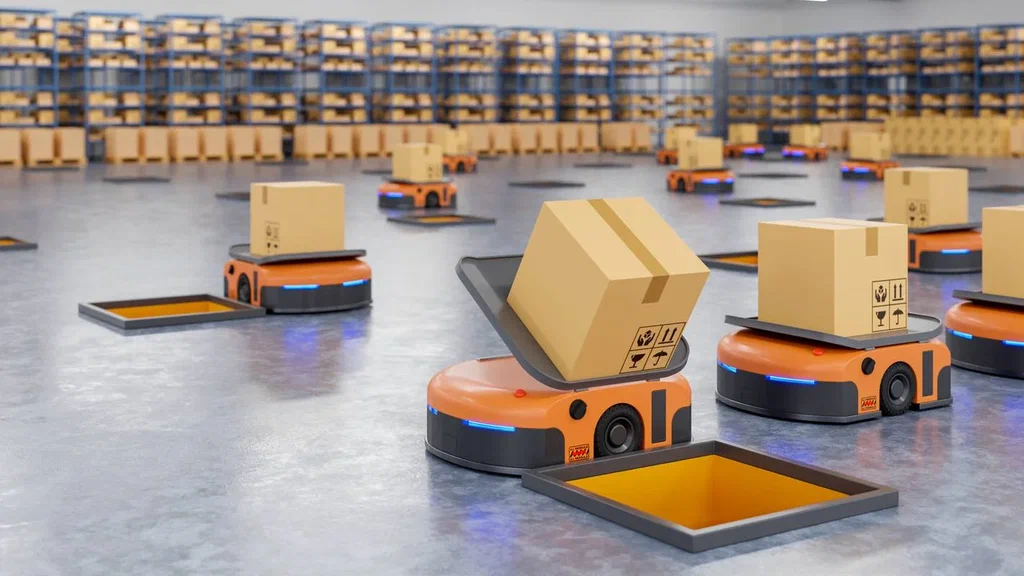
    Automated conveyors, smart inventory systems, and robots are increasing warehouse productivity and decreasing human error. Automation makes it easier to swiftly and precisely manage big inventories, particularly during busy times like Hari Raya or year-end sales.

    3. Data-Informed Choices

    Data is generated with each scan, route, and customer feedback. Predictive analysis, demand forecasting, and route optimization are all being done with this data, which will improve business decisions and reduce delivery surprises.

    Difficulties in Malaysia’s Logistics and Transportation Environment

    The Moving Puzzle: How Transport & Logistics Are Powering Modern Commerce  

     Although there has been progress, the Malaysian logistics industry still faces several significant obstacles:

      Disjointed Facilities

     Reliable road networks and consistent connectivity are still lacking in rural and remote areas.  For logistics companies, this results in delays and higher transportation expenses.

    Regulatory Intricacies

     Cross-border shipping involves navigating a complex web of customs laws and paperwork, particularly when dealing with nearby ASEAN nations.

     Lack of Talent

    The need for qualified logistics specialists who can operate with cutting-edge technological tools like cloud-based fleet management, warehouse automation, and transportation management systems (TMS) is increasing.

    Moving Solutions: What the Sector Is Doing Well

    The Moving Puzzle: How Transport & Logistics Are Powering Modern Commerce  

    Despite the obstacles, change is being fueled by creativity and teamwork:

    • Freight booking, customs clearance, warehousing, and tracking are all combined into a single digital dashboard by integrated logistics platforms.
    • By preserving temperature-controlled conditions, cold chain logistics is enhancing the transportation of food and vaccines.
    • SMEs can now completely outsource logistics thanks to Third-Party Logistics (3PL) partners, which lowers costs and improves service quality.

    In Malaysia’s rapidly expanding e-commerce industry, where next-day delivery is quickly taking over, this is extremely advantageous.

    The Function of IT Companies Such as Sizaf Infocomm

    The Moving Puzzle: How Transport & Logistics Are Powering Modern Commerce  

    Businesses like sizaf Infocomm are filling the gap by offering logistics providers specialized IT solutions. sizaf helps logistics companies remain flexible and scalable by developing cloud-powered inventory management systems and safe networks for fleet tracking.

    Actual life For instance, sizaf’s fleet management system with IoT sensors was implemented by a mid-sized freight forwarding business in the Klang Valley. The outcome? a 15% reduction in fuel expenses and a 25% increase in on-time delivery within six months.

    Considering the Future: What Does Logistics Hold?

    The Moving Puzzle: How Transport & Logistics Are Powering Modern Commerce  

    The logistics sector will only continue to advance in speed and intelligence. Keep an eye on these three trends:

    1. Autonomous & Electric Cars

    EVs and self-driving trucks will soon be a common sight on Malaysian roads. Both emissions and long-term logistics expenses will be decreased by these.

    2. Blockchain for Transparency in the Supply Chain

    Blockchain technology is expected to be utilized for supply chain tracking, fraud prevention, and product origin verification.

    3. Environmentally Friendly Logistics

    Logistics companies are investing in eco-friendly cars, carbon offset schemes, and sustainable packaging because climate change is a major concern for everyone.

    In summary, logistics is the entire journey, not just the engine.

    Over time, transportation and logistics have subtly transformed from supporting functions to the core of contemporary business. The logistics industry’s precision, planning, and potential are evident in every shipment, whether it’s a small package traveling across town or a container moving across borders.

    Speed, openness, and dependability are now necessities in the fast-paced economy of today. The supply chains of the future will be led by businesses that adjust early as new technologies continue to change the landscape.

    🚛 Are You Prepared to Make a Smarter Move? Allow sizaf Infocomm to Lead Your Transition to Digital Logistics

    Not only do we discuss technology at sizaf Infocomm, but we also customize it to meet your logistics requirements. We assist transportation and logistics companies in modernizing operations and cutting expenses, from real-time fleet tracking to smooth cloud integration and personalized dashboards.

    📞 Together, let’s create a more intelligent supply chain.

    🌐 Examine our Logistics & Transportation Solutions 

    📩 Please contact us by phone at

     +1 516 880 9996 (USA) or +60 14-660 0012 (Malaysia).

  • Smart Shifts in Production, Engineering & Pharma: How Tech is Reshaping the Backbone of Industry

    Smart Shifts in Production, Engineering & Pharma: How Tech is Reshaping the Backbone of Industry

    Introduction: The Future Already Exists — It Is Not Coming

    The days of manual labor, noise, and disconnection in factories are long gone. These days, you might see robots working alongside people in a modern manufacturing or pharmaceutical facility, artificial intelligence (AI) anticipating maintenance problems, and data analytics streamlining everything from drug development to inventory.

    By 2025, the engineering, production, and pharmaceutical sectors will be focused on rapid innovation, wise decision-making, and predictive insights rather than merely fabrication and construction. What is actually taking place behind the scenes, then? Let’s take a look at it.

    1.Intelligent Production: Beyond Automation

    Nowadays, “smart manufacturing” is the new norm rather than just a trendy term. Artificial Intelligence (AI), cloud computing, and the Internet of Things (IoT) are enabling manufacturers to develop interconnected systems that can “talk” to one another.

    Consider this scenario: a machine on a manufacturing floor, without the assistance of a human, recognizes a small issue, flags it instantly, and plans its own maintenance. This is the appearance of predictive maintenance that is driven by sensors and machine learning.

    Primary advantages:

    • Minimizes unplanned maintenance
    • Saves money on repairs
    • Enhances overall effectiveness

    And it’s true that big businesses are no longer the only ones affected. Since these technologies are more scalable and reasonably priced, even mid-sized businesses are starting to use them.

    2. Digital twins and engineering meet.

    Smart Shifts in Production, Engineering & Pharma: How Tech is Reshaping the Backbone of Industry

    The idea of digital twins in engineering is revolutionizing system design and testing. An entire production line, a building, a motor, or any other physical object can be virtually replicated as a digital twin.

    Nowadays, engineers model a system’s behavior under stress or failure before constructing a single component. This significantly cuts down on development time in addition to expenses.

    Imagine it as conducting a thousand crash tests without ever causing damage to an actual automobile.

    3. Innovative Pharmaceuticals: Quicker, More Intelligent, and Safer

    We learned from the pandemic that pharmaceutical companies can literally save lives with their speed and accuracy. Pharmaceutical firms now use blockchain for safe supply chains, AI-driven drug discovery, and automated clinical trials.

    As an example:

    • AI can find promising drug candidates in days instead of months by analyzing thousands of compounds.
    • Real-time global collaboration on trials is made possible by cloud platforms.
    • Blockchain guarantees that the medication that is delivered to your pharmacy is genuine, secure, and traceable.

    A completely new degree of safety and speed is also observed when paired with smart pharmaceutical manufacturing, where procedures are digitalized and managed by sophisticated data systems.

    4. The Reason Data Is the New Engine

    Smart Shifts in Production, Engineering & Pharma: How Tech is Reshaping the Backbone of Industry

    Data is king in all three sectors: manufacturing, engineering, and pharmaceuticals.

    Each machine, platform, and sensor is producing useful data. Making sense of the data is crucial; simply gathering it is insufficient.

    Businesses that use data analytics include:

    • Estimating the likelihood of equipment failures
    • Enhancing the quality of the product
    • Supply chain simplification
    • Making medications safer and more efficient

    This change is becoming a competitive advantage rather than merely being made for efficiency. Companies are expanding more quickly and adjusting to shifting markets more effectively when they use their data.

    5. Real-World Example: How Smart Tech Assists a Malaysian Mid-Sized Manufacturer

    Smart Shifts in Production, Engineering & Pharma: How Tech is Reshaping the Backbone of Industry

    Let’s examine a practical illustration. IoT sensors and cloud-based monitoring were implemented on the assembly line of a mid-sized electronics manufacturer in Penang. In a few months:

    • 30% less downtime
    • Product flaws decreased by 20%.
    • The amount of energy used dropped by 15%.

    Millions were not spent. To demonstrate that smart production isn’t limited to the major players, they instead teamed up with a managed IT provider that provided a scalable, reasonably priced plan.

    6. There are still issues, but they can be resolved.

    Smart Shifts in Production, Engineering & Pharma: How Tech is Reshaping the Backbone of Industry

    Adoption of technology is not without challenges, of course:

    • Integration is frequently resisted by legacy systems.
    • shortages in the skilled workforce
    • Limitations on SMEs’ budgets

    These aren’t deal-breakers, though. Businesses can close the gap and enter the smart age with confidence if they have the correct plan, partners, and training.

    In conclusion, embrace the change or risk falling behind.

    The industries of production, engineering, and pharmaceuticals are no longer “slow-moving.” Because of digital transformation, they are actually one of the industries that is changing the fastest in the world.

    The message is the same whether you’re in charge of a design team, a manufacturing facility, or drug development: embrace data, empower your teams, and use smart technology. That is the recipe for surviving and remaining relevant in this new age.

    Are You Prepared to Jump?

    Sizaf Infocomm provides customized IT, automation, and data solutions to assist industries in modernizing. We are here to support your growth, from cloud integrations for pharmaceuticals to smart factory configurations.

    Get in touch with us:

    Malaysia: +60 14-660 0012

    USA: +1 516 880 9996; 

  • The New Era of Retail: How Tech is Reimagining the E-Commerce Experience

    The New Era of Retail: How Tech is Reimagining the E-Commerce Experience

    Introduction: Today, E-Commerce Is More Than Just a Website

    Retail has undergone a permanent transformation, let’s face it. What started out as a straightforward online store has evolved into a dynamic digital storefront driven by automation, artificial intelligence, intelligent inventory, and real-time customer interaction.

    The modern e-commerce experience is made to feel quick, easy, and safe, with features like tailored suggestions and immediate customer service. Furthermore, companies that use these tools are thriving rather than just surviving.

    This is your road map to remaining current, competitive, and well-liked by consumers if you sell in-store or online.

    1. Astute Personalization: No One Size Fits All

    Have you ever wondered how the massive online retailers always seem to know what you want? AI-powered personalization, that is.

    How it works:

    • based on user behavior, makes product recommendations
    • raises the average order value.
    • increases client loyalty through experiences that are pertinent

    📦 For instance, a recurring client sees a customized homepage with items matching their most recent purchase. It’s a clever marketing move.

    2. Automation & Real-Time Inventory

    The New Era of Retail: How Tech is Reimagining the E-Commerce Experience

    Consumers detest surprises, particularly when they include “out of stock” notifications. Tools for automation and real-time inventory management can help with that.

    What it enhances:

    • Precise stock visibility
    • Quicker order fulfillment
    • Alerts for automatic restocking

    💡 Expert Advice: To prevent lost sales, automate supplier restocks and low-stock alerts.

    3. Smooth Integrations for Payment and Checkout

    The easiest method to lose a sale is to have a complicated checkout process. Mobile optimization and the integration of intelligent payment gateways can alter that.

    Methods for winning:

    • Provide several ways for customers to pay (e-wallets, BNPL, crypto)
    • A one-click checkout can lower cart abandonment.
    • Make sure your mobile device is responsive.

    🛒 Take note: Customers are more likely to finish a purchase if you make purchasing easier for them.

    4. Chatbots and Immediate Assistance

    The New Era of Retail: How Tech is Reimagining the E-Commerce Experience

    Customer service is unable to wait, but it is no longer required to. AI chatbots are assisting brands in providing round-the-clock assistance without human intervention.

    Why clients adore it:

    • Quick responses to frequently asked questions
    • Order monitoring and return information
    • Personalized interaction according to previous chats

    For instance, a chatbot can assist a customer in changing a delivery address or determining the appropriate shoe size without requiring a phone call.

    5. Making Decisions Based on Data

    The leading retail brands of today know what works, not guessing. Decisions are now supported by data because of sales insights and analytics dashboards.

    Things to monitor:

    • Conversion rate by category or product
    • Bounce rate at the point of sale
    • ROI of an advertising campaign

    📈 Knowledge: Data reveals not just what is selling, but also why.

    6. Establishing Trust and Cybersecurity

    The New Era of Retail: How Tech is Reimagining the E-Commerce Experience

    Customers expect the security of their data due to the increase in online fraud. For businesses to gain credibility, they must invest in cybersecurity tools.

    essentials:

    • SSL certifications and safe payment gateways
    • 2FA, or two-factor authentication
    • PDPA and GDPR adherence

    🔐 Remember that conversions are tied to trust. Avoid skipping this step.

    In conclusion, the tech-enabled retail experience is here to stay.

    Technology is the driving force behind the growing integration of digital and physical retail. Whether you are a large global brand or a small local vendor, staying ahead of the curve requires the use of these tools.

    With features like real-time inventory, personalization, and seamless support, the retail sector is faster, smarter, and more connected than ever.

     📢 Are you prepared to use smart technology to boost your e-commerce business?

    You can get help from Sizaf Infocomm with:

    • Development of websites and platforms
    • Chatbots driven by AI
    • Tools for inventory automation
    • Solutions for compliance and safe cloud hosting

    Examine Retail Technology Services.Give us a Call now!

    Malaysia: +60 14-660 0012

    USA: +16 880 9996

  • The Digital Ad Shift: How Tech is Transforming Media & Advertising

    The Digital Ad Shift: How Tech is Transforming Media & Advertising

    Overview: The Media Landscape Has Shifted

    The days of running a billboard or placing an advertisement in a newspaper to achieve marketing success are long gone. Technology now plays a key role in media and advertising, enabling companies to develop more tailored, relevant, and trackable campaigns than in the past.

    Businesses that adopt these technologies are outperforming those that stick to more conventional approaches, from AI-driven advertisements to interactive AR/VR experiences. Now is the time to see what technology can do for your media strategy if your brand hasn’t already, or else you risk falling behind.

    1. AI-Powered Smarter Advertisements

    Media intelligence is entering a new era driven by artificial intelligence (AI). Automation is only one aspect of it; another is real-time consumer behavior analysis and content adaptation.

    Practical applications: 

    • Targeting ads according to user activity, interests, and browsing history
    • Content for dynamic ads that changes according to the demographics of viewers
    • Using AI-powered copy recommendations to increase click-through rates (CTR)

    AI is used by platforms like Google Ads, for instance, to automatically modify bids and placements in order to maximize your ad spend. AI is used by Meta (Facebook) to forecast which ad format—carousel, video, or image—will work best for each audience segment.

    2. Data-Driven Marketing: The Revolution in Personalization

    The Digital Ad Shift: How Tech is Transforming Media & Advertising

     A marketer’s secret weapon these days is big data.  Today, businesses can create hyper-personalized advertisements by gathering information on user preferences, habits, and even past purchases.

    Advantages:

    •  Increased engagement rates are the main advantages.
    •  More qualified leads for
    •  Reduced expenditures for acquiring new customers

     Businesses can optimize their campaigns for maximum return on investment by using analytics platforms such as Google Analytics, HubSpot, or Sizaf’s integrated tools.

    3. Programmatic Advertising: Rapid, Effective, and Expandable

    Programmatic advertising buys and places ads automatically across a variety of channels using real-time algorithms.

    Ad placement is determined by software based on the behavior of your target audience rather than by hand. It is comparable to having a full-time, round-the-clock media buyer on staff.

    Why it matters: 

    • Boosts effectiveness
    • Cuts down on human error
    • Spend is immediately optimized

    The right message will appear on the right screen at the right moment whether you’re using programmatic technology for YouTube, mobile apps, or websites.

    4. Influencer and Creator-Led Content’s Ascent

    The Digital Ad Shift: How Tech is Transforming Media & Advertising

    Influencers have replaced traditional endorsements. Social media producers are now important figures in digital advertising because they provide a level of trust and authenticity that traditional advertisements cannot match.

    The reason this works:

    • Speaking directly to their specialized audiences, influencers
    • Their content feels natural rather than forced.
    • Higher engagement rates are found with micro-influencers.

    From daily vlogs to product unboxings, influencers assist brands in joining discussions rather than interrupting them.

    5. AR and VR Immersion Advertising

     Virtual reality (VR) and augmented reality (AR) are no longer limited to video games.  These marketing tools offer interactive experiences that enable consumers to interact with a brand in novel ways.

     Examples include

    •  try-on filters for brands of clothing or eyewear.
    •  Real estate virtual tours
    •  3D product demonstrations for furniture or technology

     By providing customers with what they need up front, these experiences not only make advertisements memorable, but they also shorten the buyer’s journey.

    6. Omnichannel Marketing: It’s All About Consistency

    The Digital Ad Shift: How Tech is Transforming Media & Advertising

    Instagram, email, mobile apps, search engines, and even smart TVs are all places where consumers can be found. Your message will remain connected and consistent across all of them thanks to omnichannel marketing.

    • Advantages: Increases brand awareness
    • helps users navigate across platforms, which boosts conversions.
    • keeps people interested throughout lengthy purchasing cycles.

    For example, a user may see your Facebook advertisement, get a reminder email, and then buy something from your website. That journey feels smooth when using an omnichannel strategy.

    7. Monitoring Performance in Real Time

    Digital media’s beauty? Everything is trackable.

    With the help of tracking tools, you can optimize campaigns in real time, from impressions and clicks to heatmaps and conversions.

    Tools such as

    • Analytics by Google
    • The Facebook Pixel
    • The integrated dashboards of Sizaf

    …can assist you in improving each subsequent campaign and making data-driven decisions.

    In conclusion, it’s time to consider options other than banner ads.

    Purchasing space is no longer the focus of media and advertising. Their goal is to purchase and maintain attention. Brands can establish genuine, quantifiable connections with their audiences by utilizing contemporary technologies like artificial intelligence (AI), automation, immersive media, and influencer partnerships.

    Tech-powered media strategies are not a fad; they are essential for any business, whether it is a startup or an established one.

    How Sizaf Infocomm Helps You Advance Your Media

    Not only do we create campaigns at Sizaf Infocomm, but we also provide them with:

    • Cross-channel tactics
    • Automation of campaigns and content
    • Immersion (AR/VR) experiences
    • Integration of data and analytics
    • Cloud hosting that is scalable for media teams

    Ready to Upgrade Your Media Game? Give us a call now:

    Malaysia: +60 14-660 0012

    USA: +1 516 880 9996

  • Building Smarter: How Technology Is Changing Construction and Real Estate

    Building Smarter: How Technology Is Changing Construction and Real Estate

    Introduction: Bricks Are No Longer the Only Thing

     Although foundations, design, and transactions have always been important in the construction and real estate industries, data, automation, and digital experiences are now equally important.

     Tech tools are making the construction, real estate, and residential property management industries operate more efficiently, intelligently, and securely.  It’s time to reconsider your approach if you’re still doing everything by hand.

    1. Digital Twins: Constructing Before Constructing

    Imagine having the ability to virtually inspect and test your building before any work is done. Digital twins are digital representations of actual buildings that aid in better planning, monitoring, and management by teams.

    Why it’s beneficial

    • Early detection of design flaws is possible.
    • Schedule upkeep before anything breaks.
    • Present 3D models to investors and purchasers.

    Ideal for developers looking to impress clients and save money.

    2. AI-Powered Scheduling: Let Intelligent Instruments Take Care of the Hard Work

    Building Smarter: How Technology Is Changing Construction and Real Estate

    AI is similar to having a super assistant that aids in decision-making for engineers and architects. AI can identify possible problems in the blueprint before construction starts with the use of tools like BIM (Building Information Modeling).

    Its benefits include:

    • Steer clear of expensive mistakes
    • Cutting back on waste
    • Accelerated project approvals

    Artificial Intelligence is an essential tool for any digital toolbox that aims to streamline projects.

    3. Intelligent Structures: Intelligent Real Estate

    In addition to offering shelter, modern residences and businesses also think, learn, and conserve energy.

    Because of IoT (Internet of Things) technology, buildings now have:

    • Air conditioning and smart lighting
    • You can operate security systems from your phone.
    • Sensors that identify intrusions or leaks

    These features reduce long-term operating costs in addition to increasing convenience.

    4. Drones: Your Sky-Watching Eyes

    Building Smarter: How Technology Is Changing Construction and Real Estate

    The days of scaling scaffolding to assess progress are long gone. Drones can now fly over your construction site and provide you with a comprehensive view of the activity.

    They’re excellent for:

    • Site evaluations
    • Reports on progress
    • Inspections for safety

    Particularly for large or remote projects, using drones results in faster data and fewer delays.

    5. Blockchain: Safer Real Estate Transactions

    Transactions involving real estate can be hazardous and complicated. These transactions are more transparent, safer, and quicker with blockchain.

    What it is capable of:

    • Digitize transfers of title
    • Use smart contracts to automate rental agreements.
    • Get rid of property record fraud

    For investors, agents, and buyers who desire speed and trust in every transaction, this is extremely beneficial.

    6. Augmented reality and virtual tours

    Building Smarter: How Technology Is Changing Construction and Real Estate

    Do you wish to sell a property before it is constructed? You can with VR and AR.

    Prospective purchasers can use their phones or a headset to tour homes. AR can also be used by developers to plan layouts on-site or train employees.

    Why this is important

    • accelerates the sale of properties
    • reduces the expense of actual staging
    • Excellent for long-distance purchasers

    7. Cloud-Based Tools: Remote Property Management

    Property management doesn’t have to involve in-person meetings or mountains of paperwork. Property managers can handle everything from scheduling repairs to collecting rent from a single online dashboard with cloud-based platforms.

    These resources assist you:

    • Keep track of payments
    • Talk to the tenants
    • Receive maintenance alerts

    Cloud tools make life easier, regardless of how many units you manage—ten or one hundred.

    Are You All Set to Go Digital?

    Sizaf Infocomm assists real estate and construction companies in modernizing through:

    • Automation of smart buildings
    • Personalized cloud computing systems
    • Project management using AI
    • Blockchain technology and safe data

    Conclusion: 

    It’s Time to Build Smarter Technology is now a competitive advantage in real estate and construction, not an option. Businesses that go digital are saving money, increasing productivity, and providing tenants and buyers with better experiences.

    There are resources available to help you advance more quickly and intelligently, regardless of your role—developer, contractor, or property manager.

    Examine Services for Smart Infrastructure

    📞 Malaysia: +60 14-660 0012

    📞 USA: +16 880 9996

  • The Tech Behind Safe Travel: How Smart Tools Protect You and Your Family

    The Tech Behind Safe Travel: How Smart Tools Protect You and Your Family

    Introduction: The Intersection of Safety and Technology in Modern Travel

    In the contemporary era, the resurgence of global travel post-pandemic has foregrounded safety as a paramount concern for individuals and families alike. Whether embarking on solitary journeys or orchestrating complex group itineraries, travelers increasingly rely on technological solutions to mitigate risks and ensure a secure experience.

    Recent advancements in digital innovation are fundamentally reshaping the landscape of travel safety. The integration of real-time location tracking, instant emergency communication, and robust cybersecurity measures is empowering travelers in unprecedented ways.

    The following discussion outlines the core technologies currently enhancing traveler safety:

    1. GPS Tracking and Location Sharing  

    The Tech Behind Safe Travel: How Smart Tools Protect You and Your Family

    The proliferation of GPS-enabled applications, such as Life360 and Find My, allows travelers to maintain immediate awareness of companions’ locations. This functionality is particularly pertinent for family travel, large group coordination, and emergency scenarios.

    Key Advantages:  

    Real-time location updates for all group members  

    – Streamlined coordination during complex travel  

    – Rapid response capabilities in critical situations

    Platforms such as Sizaf’s Net With Tech further refine these capabilities, offering integrated GPS and advanced mapping for improved navigational safety.

    2. Emergency Alert Applications  

    Emergency response applications—including SmartTraveler, SOS Alert, and Red Panic Button—provide travelers with direct access to local embassies, healthcare resources, and emergency hotlines globally. These tools facilitate timely and informed responses to crises.

    Principal Features:  

    – One-touch emergency signaling  

    – Multilingual support for critical information  

    – Real-time notifications of regional developments

    3. Cybersecurity Protocols for Travelers  

    The Tech Behind Safe Travel: How Smart Tools Protect You and Your Family

    Public wireless networks pose significant security risks. The implementation of Virtual Private Networks (VPNs), such as NordVPN, ExpressVPN, or ProtonVPN, is essential for safeguarding sensitive data and ensuring privacy during travel.

    Primary Benefits:  

    – Encrypted internet connectivity  

    – Enhanced protection of personal information  

    – Circumvention of geographic content restrictions

    4. Family Travel Management Platforms  

    Solutions like Sizaf Net With Tech aggregate numerous safety features into a centralized dashboard, facilitating the monitoring of family members, establishment of geofencing alerts, and management of travel logistics.

    Notable Outcomes:  

    – Reduction of communication gaps  

    – Improved oversight for children and elderly travelers  

    – Streamlined travel coordination

    5. Health and Safety Technologies  

    Modern travel necessitates compliance with diverse health regulations and the management of environmental risks. Tools such as AirVisual, MySejahtera, and Smart VaxPass enable real-time air quality monitoring, health declaration management, and digital vaccination record keeping.

    Application Areas:  

    – Monitoring environmental health conditions  

    – Efficient documentation of health credentials  

    – Adherence to international travel requirements

    6. Child Safety Devices  

    The Tech Behind Safe Travel: How Smart Tools Protect You and Your Family

    For those traveling with minors, devices like Jiobit and AngelSense provide GPS tracking, geofencing, and live audio monitoring, ensuring ongoing parental supervision in unfamiliar or crowded environments.

    Key Benefits:  

    – Real-time monitoring of children’s whereabouts  

    – Automated alerts for boundary breaches  

    – Enhanced situational awareness through live audio

    7. Cloud-Based Document Storage  

    The loss of essential travel documents can have severe repercussions. Cloud services such as Google Drive, Dropbox, and OneDrive facilitate secure document backup, sharing, and retrieval, regardless of device loss or failure.

    Recommended Uses:  

    – Digital backup of identification and travel documentation  

    – Sharing resources with travel companions  

    – Remote access in the event of emergencies

    Conclusion: The Imperative of a Digital Safety Infrastructure  

    The contemporary travel environment demands a proactive approach to safety—one that leverages technological resources for comprehensive protection. Integrated platforms such as Sizaf Net With Tech centralize these tools, offering travelers a cohesive and efficient means of safeguarding their journeys.

    For further information or to implement these solutions, contact Sizaf Infocomm:  

    Malaysia: +60 14-660 0012  

    USA: +1 516 880 9996  

    Explore their suite of travel safety technologies online.

  • How Data Analytics Is Helping Non-Profits Make Smarter Decisions

    How Data Analytics Is Helping Non-Profits Make Smarter Decisions

    The Critical Role of Data for Contemporary Non-Profits

    In the current landscape, non-profit organizations encounter mounting pressure to maximize limited resources, demonstrate measurable impact, and respond flexibly to evolving community needs. Traditional reliance on intuition or outdated spreadsheet methods often proves insufficient in meeting these demands.

    The integration of data analytics represents a pivotal advancement for the sector. Far from being a fleeting trend, data-driven approaches enable non-profits to systematically identify relevant patterns, enhance operational efficiency, and ground decision-making in robust evidence. As a result, data has become an indispensable asset for organizations striving to achieve meaningful and sustainable outcomes.

    1. Monitoring the Effect Increased Precision

    Nonprofits are there to bring about change. But proving what’s working is difficult without reliable, continuous data.

    ✅ The Benefits of Analytics:

    •  Track program participation and advancement in real time
    • Keep track of results versus objectives (e.g., meals delivered, lives affected).
    • Create dashboards with the results that stakeholders and donors can comprehend.

    For instance, a health non-governmental organization employs analytics to assess the efficacy of vaccination campaigns in rural areas, modifying its efforts in response to real-time data.

    2. Comprehending Donor Conduct

    How Data Analytics Is Helping Non-Profits Make Smarter Decisions

    Donors anticipate tailored interaction. Data analytics aids in determining what motivates them to donate, how frequently, and in what amount.

    How Analytics Can Help:

    •  Examine patterns and donation history
    • Determine the major versus one-time donors.
    • Timing for fundraising campaigns should be optimized.

    As an example, a charity can schedule email appeals to increase conversion by learning that donors give more during local holidays.

    3. Improving Community Outreach

     Analytics is revolutionary for better serving communities and isn’t just for donors.

    How Analytics Assist:

    •  Chart underprivileged regions
    • Examine beneficiary feedback.
    • Determine which services are most in demand.

    For instance, an education nonprofit identifies low online

    4. Improving Internal Processes

    How Data Analytics Is Helping Non-Profits Make Smarter Decisions

    Teams and budgets are limited in many non-profit organizations. By highlighting inefficiencies, analytics can assist in setting priorities.

    • Analytics’s role in monitoring resource utilization and budget distribution
    • Determine any bottlenecks in the process.
    • Encourage more astute volunteer and hiring planning

    A foundation, for instance, finds that 25% of volunteer hours are wasted because of scheduling conflicts. Data maximizes the distribution of shifts.

    5. Fostering Openness and Confidence

    As accountability demands increase, data provides transparency that boosts donor trust and encourages compliance.

    How Analytics Assists: 

    • Offers Clear Reporting
    • Provide data to support grant applications.
    • Provide stakeholders with real-time updates

    For instance, a women’s shelter posts resident care metrics and funding status on their website using real-time dashboards.

    Beginning to Use Data Analytics

    How Data Analytics Is Helping Non-Profits Make Smarter Decisions
    •  A sizable IT budget is not necessary to get started.
    •   Advice: Make use of already-existing data; spreadsheets are a good place to start.
    •  Select a tool from Power BI, Airtable, or Google Data Studio.
    •  Develop your group. Organize a workshop or collaborate with a technology specialist.
    •  Pay attention to mission-aligned KPIs.  Don’t only focus on vanity metrics.

    In conclusion, let your mission be driven by data.

    Data analytics is essential, not optional. The correct insights can stretch your resources and increase your impact in everything from resource planning to donor engagement.

    Your non-profit can transform raw data into tangible outcomes if it has the correct resources and attitude.

    Sizaf Infocomm provides non-profits with the following support:

    • Custom reports and dashboards 
    • Tools for community insight
    • Analytics for donors and fundraising
    • Cloud-based monitoring of resources

    Do you want to use data intelligence in your non-profit?Give us a call now:

    Give us a call now:

    Malaysia: +60 14-660 0012

    USA: +1 516 880 9996; 

  • Building Emotionally Intelligent Classrooms with Digital Tools

    Building Emotionally Intelligent Classrooms with Digital Tools

    In the current educational landscape, where technology permeates nearly every aspect of the classroom, the development of students’ emotional intelligence is not just advantageous—it is essential. As digital tools become increasingly integrated into pedagogy, the opportunity arises to foster social-emotional learning (SEL) alongside academic achievement. Encouraging students to build empathy, self-awareness, and interpersonal skills is now a critical component of modern education.

    The question then becomes: how can educators strategically harness technology to promote emotional intelligence? Emerging tools such as artificial intelligence, virtual reality, gamified learning environments, and online collaborative platforms offer innovative avenues for making SEL both measurable and engaging. This discussion will examine how these digital resources can support scalable and effective approaches to social-emotional learning in today’s schools.

    Why Emotional Intelligence Is the Game-Changer for Education

    Here’s the deal. Students who build up emotional intelligence aren’t just doing better—they’re outpacing their peers. We’re talking about an 11% jump in academic performance (CASEL’s numbers, not mine). Stress and anxiety? Down by a quarter, according to Yale. And let’s be honest, the teamwork and leadership skills they pick up are exactly what today’s workplace wants.

    With digital distractions everywhere and student mental health on the line, ignoring this isn’t really an option anymore. Schools need to lean into tech-driven SEL solutions if they want to keep students motivated and balanced. It’s not just about grades; it’s about preparing future leaders who can actually thrive in a fast-paced, unpredictable world.

    How to Create Emotionally Intelligent Classrooms with These 5 Digital Tools

    Building Emotionally Intelligent Classrooms with Digital Tools

    1. AI-Powered Emotion Recognition for Real-Time Feedback

    IBM Watson Tone Analyzer, Affectiva, and Microsoft’s Emotion API are examples of AI-powered emotion recognition tools for real-time feedback.

    Teachers’ comprehension of students’ emotions is being transformed by artificial intelligence. These programs examine:

    • Face expressions (such as annoyance, perplexity, and involvement)
    • Voice tone (excitement, stress levels)
    • Written answers, such as sentiment analysis in chats or essays

    Use Case: An instructor observes a student’s waning interest using AI-driven analytics. They actively provide assistance, enhancing confidence prior to tests, rather than waiting for subpar performance.

    2. Interactive Learning Tools with Gamified SEL Platforms: Mightifier, Classcraft, and Zoo Academy

    Emotional intelligence becomes quantifiable and enjoyable through gamification. Students are rewarded by these platforms for:

    • Working together (team challenges)
    • Empathy (systems for peer recognition)
    • Self-control (quests for mindfulness)

    Use Case: To transform SEL into a role-playing game, a middle school uses Classcraft. In order to increase participation and decrease bullying, students receive “EQ points” for assisting their peers.

    3. Developing Empathy with Virtual Reality (VR)

    Building Emotionally Intelligent Classrooms with Digital Tools

     Stanford’s “Becoming Homeless” Educational Oculus and Google Expeditions

    Virtual reality immerses students in emotional real-world situations, like:

    • Stepping into the shoes of a refugee (developing empathy)
    • Public speaking exercises (confidence training)
    • Simulations to resolve conflicts

    Use Case: Before presentations, students at a high school can practice calming techniques by simulating social anxiety scenarios using virtual reality.  End result?  a reduction of 30% in stress from presentations.

     4. Stress-Reduction Mindfulness & Wellness Apps

     Calm Classroom, Smiling Mind, and Headspace for Kids

     Students benefit from digital mindfulness tools by:

    •  Reduce test anxiety with breathing techniques that are guided
    •  Improve concentration (brief meditation pauses)
    •  Keep a self-awareness journal to track your mood patterns.

     Use Case: Prior to tests, an elementary school hosts 5-minute “Mindful Moments” utilizing Smiling Mind.  Better focus and fewer behavioral problems are reported by teachers.

    5. Digital workspaces for collaborative emotional expression 

    Building Emotionally Intelligent Classrooms with Digital Tools

    using Padlet, Miro, and Flipgrid

    These websites inspire students to:

    • Anonymously express your feelings (mental health check-ins)
    • Give constructive criticism to your peers.
    • Create projects together (resolve conflicts and work as a team)

    Use Case: By enabling introverted students to freely voice their concerns during weekly emotional check-ins, a university is able to boost classroom morale.

    A Comprehensive Guide to EQ Technology Integration in the Classroom

    Building Emotionally Intelligent Classrooms with Digital Tools

     Step 1. Determine the SEL Needs of Your School

    •  Ask students about the things that stress them out, like tests and peer pressure.
    •  Find any gaps, such as low engagement or a lack of empathy.

     Step 3: Test One Tool at a Time

    •  Utilize low-cost, high-impact tools first (such as free versions of Padlet or Headspace).
    • Use webinars or LMS tutorials to train educators.

     Step 3: Use Analytics to Monitor the Status

    •  To gauge engagement and mood patterns, use AI dashboards.
    •  Make data-driven adjustments to your strategies (e.g., more mindfulness before tests).

     Step 4: Expand Successful Initiatives

    •  Tools that demonstrate quantifiable EQ gains should be expanded.
    •  Use SEL apps with family modules to engage parents.

    The Future: Emotionally Intelligent Learning, AI, and the Metaverse

    By 2030, education is probably going to see:

    •   AI tutors that modify lessons according to students’ feelings
    •  Immersion SEL experiences in metaverse classrooms
    • Wearables that track focus and stress in real time

    The next generation of tech-savvy, emotionally resilient students will be produced by schools that embrace EQ tech now.

    Is Your Classroom Ready for Emotional Intelligence?

    We can establish classroom environments where students flourish both academically and emotionally by fusing digital innovation with emotional intelligence. One emotionally intelligent student at a time, let’s influence the future. 🚀

    📞 Speak with our Education & Technology Specialists Now!

     Malaysia: +60 14-660 0012

    USA: +16 880 9996