Author: Shumaila

  • Governance & Security in Malaysia: Building Digital Trust in a Connected Nation

    Governance & Security in Malaysia: Building Digital Trust in a Connected Nation

    Why Security and Governance Are More Important Than Ever

    Picture yourself logging into your online banking app with the assurance that your funds are secure. You rely on the information you take in as you browse social media. You expect confidentiality when you share business documents with a coworker.

    The invisible layer of security and governance underpins all of these routine activities.

    Cybersecurity and governance are more than just “tech topics” in Malaysia, where the use of digital technology is rapidly expanding, from cloud banking and e-wallets to government e-services. Their purpose is to safeguard trust.

    This blog explores how Malaysia is reshaping its security and governance environment, why it matters to citizens and businesses, and what lies ahead for a more secure and open digital country.

    1. Security and Governance: Digital Malaysia’s Foundation

    The presence of policies, procedures, and compliance is guaranteed by good governance. Security guarantees that these regulations are supported by protections and technology.

    Together, they serve as the foundation for:

    • Secure digital banking transactions safeguard financial ecosystems.
    • E-Government Services: While ensuring quicker access, citizen data must be protected.
    • In order to prevent abuse, IoT-enabled infrastructure in smart cities requires governance.
    • Global and local data regulations must be adhered to by businesses.

    Fraud, scams, and cyberattacks cause digital growth to collapse in the absence of governance and security.

    2. The Growing Cyberthreats Challenge in Malaysia

    Digital

    Malaysia’s GDP benefits from billions from its digital economy. But risk is a part of opportunity.

    Recent cybersecurity reports state that Malaysia has observed:

    • an increase in AI-driven frauds that target people of 42%.
    • An increase in ransomware attacks against manufacturing and healthcare organizations.
    • Phishing attempts associated with online banking and e-wallets have increased.
    • These dangers are targeted, intelligent, and AI-powered; they are no longer arbitrary.

    As a result, robust security systems and robust governance frameworks are now imperative priorities rather than optional.

    3. Guidelines and Structures Promoting Digital Governance

    The Malaysian government has taken the initiative to enact laws that will increase online confidence. The following are important frameworks:

    • A five-year plan for securing cyberspace and boosting resilience is the Malaysia Cyber Security Strategy (MCSS).
    • Organizations must handle customer data responsibly, according to the Personal Data Protection Act (PDPA).
    • The National Industry 4.0 Policy (Industry4WRD) strikes a balance between innovation and safe, regulated procedures.
    • The Bank Negara Guidelines enforce stringent cybersecurity standards for fintechs and banks.

    These frameworks make sure that accountability, transparency, and safety are all correlated with digital adoption.

    4. Technology as a Facilitator of Security

    Digital

    The fight against cybercrime cannot be won by policies alone; technology must be used.

    Here are some examples of how Malaysian governments and companies are utilizing technology:

    • AI & Machine Learning: Spot odd trends to prevent fraud before it gets out of control.
    • Blockchain: Makes supply chains and transactions more transparent.
    • Zero-Trust Security Models: Each device, transaction, and login needs to be validated.
    • Cloud security: Guards private information stored in online communities.

    These tools increase confidence for partners, investors, and customers in addition to protecting against cyberattacks.

    5. Security and Governance in Daily Life

    Let’s take a human perspective on this:

    • For companies, governance entails establishing client trust, staying out of trouble, and complying with regulations.
    • For citizens, security entails that con artists cannot access their money, identity, or data.
    • For the government, governance guarantees foreign investment, national stability, and trust in digital services.

    People use digital systems more when they have faith in them. And that’s what drives the growth of Malaysia’s digital economy.

    6. The Path Forward: Establishing a Safe Digital Nation

    Digital

    Malaysia wants to lead ASEAN’s fully digital economy by 2030. However, this vision is only viable if security and governance continue to be paramount.

    What comes next?

    • more robust security solutions powered by AI.
    • compliance with international governance standards for Malaysian companies.
    • workforce upskilling in cybersecurity.
    • campaigns to raise public awareness about scams and online fraud.

    Adoption of AI, smarter cities, and faster internet are not the only aspects of Malaysia’s digital future. The question is whether using these technologies makes people feel safe.

    In summary, security and governance combine to create digital trust.

    Ultimately, security and governance aren’t about intricate regulations or technical terms. It all comes down to trust.

    • Have faith in the privacy of your data.
    • Have faith that your funds are safe.
    • Have faith in the accountability of your government and companies.

    The relationship between robust security and good governance will determine whether digital adoption in Malaysia accelerates or stagnates as the country enters a fully digital era.

    The bottom line? A Malaysia that is connected must also be protected.

    Now is the moment for business executives and legislators who want to improve their governance and security plans.

    Reach out to Sizaf Infocomm right now:

    • Malaysia: +60 146600012
    • USA: +1 516 880 9996

  • Smart Finance & Banking in Malaysia: How Digital Innovation Is Reshaping the Future

    Smart Finance & Banking in Malaysia: How Digital Innovation Is Reshaping the Future

    The banking industry in Malaysia has changed over time. With the advent of smartphones and lengthy lines at branches, the finance industry has experienced a significant digital revolution. Malaysians today are adopting e-wallets, mobile banking apps, AI-powered financial tools, and Islamic banking solutions that improve the speed, security, and intelligence of money management.

    There is more to this change than convenience, though. The goal is to change the way Malaysians save, invest, borrow, and conduct business in an increasingly digitally-first world.

    This blog will discuss the role of smart technology, the evolution of banking and finance in Malaysia, and the implications of money for both individuals and businesses.

    Digital Banking on the Rise

    Digital banking solutions are being swiftly adopted by Malaysians. Since over 80% of people own smartphones, mobile banking apps have taken over as the standard. Features such as:

    • Quick money transfers
    • Logins using biometrics for security
    • Chatbots powered by AI for customer service
    • Individualized information about spending patterns

    are taking the place of conventional banking experiences.

    Fintech startups that provide quicker, easier-to-use services are also a threat to banks. Fintech is driving innovation in the sector, from investment platforms to microloans.

    What Islamic Banking Does

    Malaysia

    Globally, Malaysia is regarded as a pioneer in Islamic finance, and in 2025, this industry is still thriving. Islamic banking is in line with Shariah, emphasizing risk-sharing, ethical investing, and financial inclusion.

    Customers can now use digital tools to access digital Islamic savings accounts, online zakat payments, and investment apps that comply with Shariah. In a digital economy, this fusion of technology and tradition guarantees Islamic banking’s continued relevance and competitiveness.

    E-wallets and Transactions Without Cash

    Malaysians’ payment habits have changed as a result of the emergence of e-wallets like Touch ‘n Go, GrabPay, and Boost. Going cashless is now the norm rather than the exception in places like malls and hawker stands.

    Among the main motivators are:

    • Government rewards for using e-wallets
    • quicker adoption in rural regions thanks to initiatives for digital inclusion
    • Integration with retail establishments and public transportation networks

    Digital payment acceptance has also created new growth prospects for small businesses.

    Big Data, AI, and Customized Finance

    Malaysia

    AI is changing the banking industry as a whole, not just enabling chatbots. Big data analytics has made it possible for banks to:

    • Forecast client needs (e.g., by recommending investment opportunities or loan offers)
    • Identify fraud right away
    • Provide individualized budgeting resources.

    AI can, for instance, monitor a user’s expenditures, suggest ways to save money, and even alert users to odd transactions.

    This degree of customization increases trust and raises financial literacy in Malaysia.

    Banking Cybersecurity

     Digital convenience comes with a lot of responsibility.  Customers and banks alike are very concerned about cybersecurity risks.  The number of phishing attacks, AI scams, and fraudulent apps is increasing, making it more crucial than ever to protect personal financial information.

     Currently, Malaysian banks are making investments in:

    •  Authentication with multiple factors
    •  Fraud detection using AI
    •  Blockchain technology for safe transactions

     The goal is to maintain the security, dependability, and credibility of digital banking.

    Sustainability & Green Banking

    Malaysia

    Green banking is becoming more and more popular in Malaysia’s financial industry. Banks are supporting the objectives of global sustainability by:

    • Providing green loans for environmentally beneficial projects
    • Putting money into projects involving renewable energy
    • By shifting operations online, they are lowering their personal carbon footprint.

    This change appeals to a younger generation of environmentally conscious consumers while also advancing environmental goals.

    Malaysia’s Financial Future

    Future developments in Malaysian banking are anticipated to include:

    • Banks without physical branches that only operate online
    • increased use of payment systems based on blockchain technology
    • Increased open banking programs that allow financial information to be shared across platforms for improved customer support
    • 6G internet integration for incredibly quick transactions

    Customers, whether they are rural business owners or urban professionals, will benefit from greater convenience, improved financial tools, and greater inclusion.

    In conclusion,

    In Malaysia, banking and finance are more than just holding cash. They aim to provide intelligent, safe, and inclusive digital solutions to empower individuals and organizations.

    Speed, trust, and innovation are key components of the future, from digital wallets to Islamic finance applications. The financial sector will be crucial to economic growth as Malaysia continues to embrace digital transformation.

    👞 To find out how intelligent digital finance can change your company or organization, contact Sizaf Infocomm right now:

    Malaysia: +60 146600012

    USA: +1 516 880 9996

    👉” Which do you believe—digital wallets, sustainability, or artificial intelligence—will define Malaysian banking in the future? Let us know what you think!

  • Transport & Logistics in Malaysia: How Technology Is Driving Smarter, Faster, and Greener Supply Chains

    Transport & Logistics in Malaysia: How Technology Is Driving Smarter, Faster, and Greener Supply Chains

    Modern logistics is amazing if you’ve ever placed an online order and been amazed at how fast a package arrived at your door. The intricate web of trucks, ships, warehouses, and digital systems that operate in perfect harmony is the backbone of every delivery.

    Transport and logistics in Malaysia encompass more than just getting goods from point A to point B. E-commerce, oil and gas, electronics, agriculture, and pharmaceuticals are just a few of the industries that rely on them for their energy. As a major ASEAN trading hub and a strategically located country in Southeast Asia, Malaysia has seen a sharp increase in demand for effective logistics solutions.

    Here’s the big question, though: how is technology affecting Malaysia’s goods movement?

    Let’s dive into the innovations reshaping transport and logistics across the country.

    The Development of Malaysian Smart Logistics

    Malaysia

    With a lot of paperwork, phone calls, and delayed updates, traditional logistics mainly relied on manual processes. That model, however, is no longer adequate in 2025. Eco-friendly procedures, quicker deliveries, and real-time visibility are expectations shared by businesses and consumers.

    This is where astute logistics are important. Cloud systems, IoT sensors, GPS tracking, and analytics driven by AI allow logistics companies to:

    • Keep track of shipments instantly.
    • Delivery routes should be optimized to save money and fuel.
    • Recognize demand and avoid shortages.
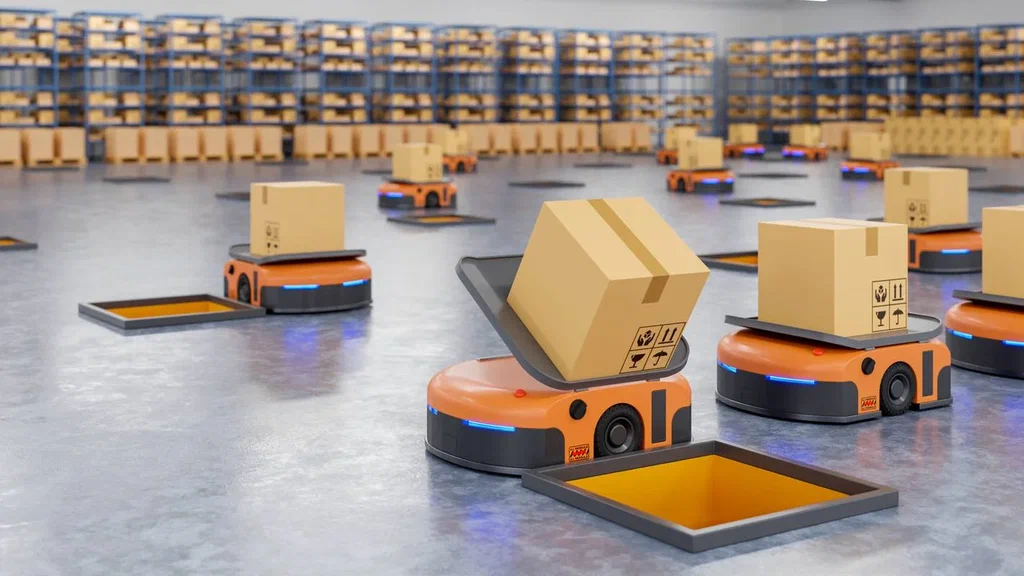
    • Utilize automation to increase warehouse productivity.

    This is more than just a catchphrase; it’s actually happening. The main ports in Malaysia and 3PL companies, for instance, have already started implementing smart freight solutions that combine information from trucks, warehouses, and ships onto a single platform.

    Digitalization of the Supply Chain

    Supply chain digitization is one of the most significant changes. Digital logistics platforms are replacing antiquated spreadsheets and phone conversations in businesses.

    Imagine that you can check the status of your cargo instantly on your phone using digital freight platforms, rather than having to wait days to find out where it is.

    Many companies in Malaysia are currently using:

    • Freight forwarding applications that make scheduling and reservations easier.
    • Documentation powered by blockchain technology for quicker, more secure customs clearance.
    • AI-powered demand forecasting to cut down on overstocking and waste.

    Customers in retail and e-commerce expect same-day or next-day delivery, so this change is particularly important.

    Sustainability: Logistics’ Green Side

    Malaysia

    Sustainability is another trend that is unavoidable. Malaysia’s logistics industry is facing pressure to become more environmentally friendly as climate change becomes a more urgent issue.

    This is what’s taking place:

    • Urban delivery fleets are starting to include electric bikes and trucks.
    • Software for route optimization lowers carbon emissions.
    • Consolidation techniques and eco-packaging reduce waste.
    • Businesses are spending money on solar-powered storage facilities.

    This is beneficial for business as well as the environment. Green logistics helps businesses meet Malaysia’s Net Zero 2050 targets and draws in eco-aware clients.

    Problems in the Transportation and Logistics Industry

    Naturally, no change is without difficulties. The logistics sector in Malaysia continues to face:

    • Infrastructure Gaps: Rural areas continue to face challenges with road access and high delivery costs, despite Kuala Lumpur and major ports having excellent connections.
    • Talent Shortage: There is a great need for qualified personnel in supply chain management and logistics technology.
    • Growing Expenses Costs are still rising due to fuel prices, international shipping rates, and compliance requirements.
    • Cybersecurity Risks: As more logistics processes move online, data security becomes essential.

    The good news? These difficulties also offer chances for investment and innovation.

    Malaysian Logistics’ Future: What Comes Next?

    Malaysia

    Malaysian logistics and transportation will become even more digital, interconnected, and sustainable in the future. Among the fascinating future trends are:

    • drones and self-driving cars for last-mile deliveries.
    • logistics hubs with AI capabilities that can handle shipments more quickly than before.
    • Turnaround times are reduced by hyperconnected smart ports.
    • ASEAN-focused cross-border e-commerce logistics optimization.

    This means one thing for businesses: either adjust or risk falling behind.

    The Significance of This for Malaysian Businesses

    Logistics is more than just a back-office task if you’re managing a business, whether it’s a big manufacturing company or a tiny e-commerce site. It’s a benefit over competitors.

    Here’s why:

    • Faster delivery results in more satisfied clients.
    • Reduced expenses result from more intelligent logistics.
    • A more reputable brand results from sustainable practices.

    Businesses in Malaysia can maintain their lead in this quickly changing market by partnering with innovative providers and investing in digital logistics solutions.

    Conclusion: The Path Ahead

    Moving goods is no longer the only aspect of logistics and transportation in Malaysia. Their goal is to create supply chains that are more intelligent, quicker, and environmentally friendly in order to sustain the expanding digital economy.

    With the emergence of digital supply chains, smart logistics, and green initiatives, Malaysia is well on its way to becoming Southeast Asia’s logistics hub.

    Investing in sustainability, embracing logistics technology, and getting ready for a digital-first future are the clear messages for businesses.

    Therefore, keep in mind that same-day delivery is more than just a convenience the next time you receive it. It demonstrates how Malaysia is redefining logistics and transportation.

    📞 Want to optimize your logistics strategy? Get in touch with Sizaf Infocomm today:

    • Malaysia: +60 146600012
    • USA: +1 516 880 9996

    👉 Which do you believe to be the main issues facing Malaysia’s logistics sector, sustainability, cost, or speed? Leave a comment with your thoughts!

  • Smart Production and Pharma Engineering: How Technology Is Powering Malaysia’s Growth

    Smart Production and Pharma Engineering: How Technology Is Powering Malaysia’s Growth

    When considering Malaysia’s growth story, discussions frequently focus on fintech, e-commerce, or even travel. But behind the scenes, three sectors—pharmacies, engineering, and production—are subtly influencing Malaysia’s economy in significant ways.

    And what’s accelerating them? technologies.

    From AI-powered pharmaceutical research and digital twin-driven engineering solutions to smart factories that operate on real-time data, these sectors are evolving from being merely traditional to becoming tech-first powerhouses.

    We will explore in this blog how smart technologies are changing the manufacturing, engineering, and pharmaceutical sectors in Malaysia and why this change is significant for investors, companies, and even regular consumers.

    1. The beating heart of production is smart manufacturing.

    A few years ago, factories were all about manual supervision, heavy machinery, and copious amounts of paperwork. In the present day, a large number of factories in Malaysia are adopting Industry 4.0, where data analytics, automation, and the Internet of Things are prevalent.

    What exactly is changing, then?

    • IoT sensors: These sensors give real-time updates to machines, avoiding expensive malfunctions.
    • Predictive maintenance is the practice of manufacturers anticipating problems before they arise rather than repairing equipment after it breaks.
    • Robots and automation: By performing monotonous jobs, robots free up humans to work on more valuable projects.
    • Factory managers can make quicker and more intelligent decisions by using data dashboards, which show production metrics in real-time.

    Staying competitive on a global scale is more important than simply cutting expenses.

    Smart production for Malaysia entails: 

    •  Increased productivity; 
    •  Safer working conditions.
    •  A standing as a leader in advanced manufacturing in Southeast Asia.

    2. Engineering Innovation: From Digital Twins to Blueprints

    Pharma

    Engineering has always been about building the future. However, the tools engineers use today are very different from what they were even ten years ago.

    A single innovation? digital twins.

    A virtual representation of a real-world system, process, or object is called a digital twin. These days, Malaysian engineers use these to:

    • Before building, test designs.
    • Model environmental, climatic, and stress conditions.
    • Estimate the need for infrastructure maintenance.

    Engineers can optimize everything from green energy systems to smart buildings by incorporating AI-powered analytics.

    It’s exciting to see how this technology is enhancing the sustainability and innovation of Malaysia’s engineering sector. Imagine creating factories with minimal environmental impact, bridges with longer lifespans, or buildings with lower energy consumption.

    3. Pharma and Health Technology: Accelerated Innovation

    Pharma

    The global COVID-19 pandemic served as a wake-up call, highlighting the vital role that medications play in our survival and overall health. Malaysia’s pharmaceutical industry has improved by implementing state-of-the-art technology.

    This is how:

    • AI Drug Discovery: By scanning thousands of compounds, AI models can now identify which ones could be used as future medications, accelerating the time it takes to find new drugs.
    • Blockchain Technology for Supply Chains: Blockchain technology guarantees transparency and traceability in the face of the global problem of counterfeit drugs.
    • In the healthcare industry, wearables and smart devices enable real-time patient monitoring, which improves the accuracy of treatments.
    • Cloud computing helps Malaysian pharmaceutical companies work with international partners by storing, analyzing, and sharing research data more quickly than before.

    This is about saving lives more quickly, not just about efficiency.

    4. The Overarching Theme: Digital Change

    Pharma

    Digital transformation is the unifying factor that unites engineering, production, and pharmaceuticals.

    Consider it.

    • Smart factories are being adopted by production.
    • AI and digital twins are being adopted by engineering.
    • Pharma is expanding its research into blockchain-enabled and AI-powered fields.

    The outcome? Previously traditional industries are now advancing at a digital pace.

    For Malaysia, this entails more than just expansion; it entails establishing itself as a regional center for innovation that draws capital, skilled individuals, and international collaborations.

    5. Potential and Difficulties

    Of course, there are obstacles in every transformation. Let’s examine both sides.

    Opportunities

    • International Competence: Malaysian businesses are able to take on multinational behemoths.
    • Sustainability: Environmental impact is lessened by eco-friendly pharmaceuticals and green engineering.
    • Jobs: Data science, robotics, and artificial intelligence are creating new jobs.

    The difficulties

    • Skill Gaps: To keep up with automation, workers need to reinvent their skills.
    • High Investment Costs: Digital twins and smart factories come with a hefty upfront cost.
    • Cybersecurity Risks: Data security is essential as everything is interconnected.

    The good news is that upskilling and digital infrastructure are being actively invested in by Malaysia’s public and private sectors, so the way forward is obvious.

    6. What Does Malaysia’s Future Hold?

    Pharma

    In 2030, we can anticipate:

    • AI and robotics-powered factories.
    • Asian leaders in sustainable engineering projects.
    • Pharmaceutical companies are using big data to develop personalized medicine.

    Simply put, people will be empowered by technology rather than replaced by it.

    Collaboration between businesses, academic institutions, and policymakers will be crucial to ensuring that Malaysia is not only catching up but also spearheading the innovation race in Southeast Asia.

    Conclusion: Why Everyone Should Care About This

    You may be asking yourself, “Why should I care? I don’t work in pharmaceuticals, I’m not an engineer, and I don’t manage a factory.”

    Here’s why:

    Better and more affordable products result from more intelligent production.

    Innovation in engineering makes our infrastructure and cities safer and more environmentally friendly.

    Advances in pharmaceuticals lead to faster and more affordable healthcare.

    As a result, this change affects everyone, whether they are investors, business owners, or simply concerned about Malaysia’s future.

    The bottom line: Malaysia’s engineering, manufacturing, and pharmaceutical sectors are not only developing, but also helping to create a more intelligent, competitive, and healthy country.

    📞 Ready to make your team work-from-anywhere ready? Call us today:

    Malaysia: +60 146600012

    USA: +1 516 880 9996

  • Nonprofit Growth in Malaysia: Unlocking Impact with Smart Internet Connectivity

    Nonprofit Growth in Malaysia: Unlocking Impact with Smart Internet Connectivity

    Throughout Malaysia’s history, nonprofit organizations (NPOs) have been essential in closing social divides, whether in the areas of community development, healthcare, education, or poverty fight. However, in 2025, the Internet will play a significant role in changing how these organizations function.

    Digital tools and faster internet connectivity are now necessary for survival and expansion, from social media fundraising campaigns to real-time communication with volunteers and donors.

    Let’s examine how the Internet is changing nonprofit organizations in Malaysia in this blog post, enabling them to improve their social impact, raise more money, and amplify their voices.

    1. Online-Based Fundraising: Crossing Boundaries

    Nonprofit

    The days of nonprofits depending only on door-to-door fundraising and charity events are long gone. Online fundraising is now commonplace thanks to websites like Kitafund, SimplyGiving, and GoFundMe.

    Now that they have access to fast internet, nonprofits can:

    • Start global crowdsourcing initiatives.
    • Use live streaming and videos to tell powerful stories.
    • Target donors who are passionate about their cause with social media advertisements.

    Imagine a small animal shelter in Penang using internet connectivity to raise money from supporters in New York, Tokyo, or London.

    2. Using Digital Storytelling to Increase Awareness

    All nonprofits have a backstory. Telling the right people at the right time is the difficult part.

    For Malaysian nonprofits, high-speed internet has made it simpler to:

    • To emphasize impact, use YouTube shorts, TikTok videos, and Instagram Reels.
    • Launch campaigns to raise awareness about healthcare, education, and climate change.
    • Work together online with advocates and influencers.

    The change is obvious: the more captivating your digital narrative, the more people will see your cause.

    3. Enhanced Efficiency Using Cloud and Collaboration Technologies

    Nonprofit

    Nonprofits frequently have small staffs and tight budgets. Because of this, digital tools for collaboration have revolutionized the industry.

    • Data is safe and easily accessible with cloud storage services like Dropbox, OneDrive, and Google Drive.
    • Volunteers from different cities are connected through collaboration platforms like Zoom, Microsoft Teams, and Slack.
    • Tracking donors and beneficiaries is made easier with the use of data management tools (CRM software).

    Nonprofits can reduce administrative expenses and allocate more funds to their missions by utilizing these web-based tools.

    4. Increasing Reach With SEO & Social Media

    Social media is the new arena for attention in Malaysia, where there are more than 30 million internet users. Nonprofits with a solid understanding of digital marketing and SEO are thriving.

    Several tactics consist of:

    • Google search engine optimization for websites to draw in natural donations.
    • Joining discussions with trending topics and hashtags.
    • using geotargeting in Facebook ads to connect with local donors.

    As an illustration, an education non-profit organization with headquarters in Kuala Lumpur uses SEO blogs about “free tutoring in Malaysia” to draw in resource-seeking parents and win their support.

    5. Internet Security: Safeguarding Donors and Information

    Nonprofit

    Digital growth presents risks as well as opportunities. Due to their less robust security measures, nonprofits are frequently the target of cybercriminals.

    Awareness of cybersecurity is therefore essential:

    • SSL-certified websites that are safe.
    • Make use of multi-factor authentication (MFA) for volunteers and employees.
    • Teach groups how to identify phishing scams.

    When donors are assured that their information is secure, they are more comfortable making donations online.

    6. Filling in the Urban-Rural Divide

    The digital divide is one of Malaysia’s most significant problems. Poor internet connectivity is a problem for many nonprofit organizations operating in rural Sabah and Sarawak.

    The good news? Access is being improved by private sector 5G projects and government programs like JENDELA. Nonprofits in isolated locations will eventually be able to:

    • Make contact with donors around the world.
    • Get training and resources online.
    • Make the world aware of their work.

    This change ensures that no cause is overlooked due to geographic location alone.

    In summary, a nonprofit’s lifeline is the Internet.

    The Internet has changed from being a communication tool to a lifeline for nonprofit organizations in Malaysia. Digital transformation is helping nonprofits reach new heights, from raising money internationally to establishing connections with rural communities.

    But this opportunity also comes with responsibility. Nonprofits must use cybersecurity, digital literacy, and data-driven strategies to ensure long-term impact.

    At Sizaf Infocomm, we understand the challenges that nonprofits face in the digital era. Whether it’s cloud system configuration, digital marketing strategy optimization, or the creation of secure websites, we help businesses reach their objectives.

    📞 Call us today to explore how technology can power your nonprofit’s future:

    Malaysia: +60 146600012

    USA: +1 516 880 9996

  • Smart Cities Malaysia: How the Internet of Things Is Transforming Urban Life

    Smart Cities Malaysia: How the Internet of Things Is Transforming Urban Life

    Imagine a city with real-time traffic light adjustments to reduce congestion, streetlights that only turn on when they sense movement, and alerts from healthcare systems before emergencies occur. This is the Internet of Things’ (IoT) power, not science fiction.

    Traditional cities in Malaysia are gradually being transformed into smarter, more efficient hubs by the Internet of Things. With its strong government initiatives, rapid digital adoption, and tech-savvy populace, Malaysia is leading the way in the development of IoT-powered smart cities.

    However, how does this affect day-to-day living? Now let’s get started.

    What Qualifies as “Smart” Cities?

    Fundamentally, IoT devices, sensors, and connectivity are used in smart cities to gather information and enhance services. Better living conditions, more robust infrastructure, and sustainable growth are the results of this data’s analysis.

    Better access to public services, safer neighborhoods, easier commutes, and cleaner surroundings are all benefits that Malaysians can enjoy thanks to faster internet and IoT innovation.

    IoT in Action: Crucial Domains Influencing Smart Cities in Malaysia

    smart

    1. More Intelligent Transportation

    Traffic is one of the main problems in Malaysian cities. Using IoT:

    • By adjusting to the current state of the road, smart traffic lights ease congestion.
    • Ride-sharing applications provide smooth travel by syncing with data from public transportation.
    • Parking sensors save time and fuel by directing cars to open spaces.

    Wait times during peak hours are already being reduced in Kuala Lumpur thanks to pilot smart traffic systems.

    2. Sustainability and Energy

    IoT strengthens Malaysia’s commitment to greener cities:

    • Smart grids minimize blackouts and maximize electricity use.
    • Real-time consumption tracking by smart meters lowers household expenses.
    • Carbon footprints are decreased by IoT-powered buildings that automatically control the air conditioning and lighting.

    Cyberjaya and other cities are experimenting with energy-efficient systems that could

    3. Security and Public Safety

    IoT-enabled sensors and CCTV increase urban safety. When AI is integrated:

    • Cameras immediately notify authorities when they notice odd movements.
    • Environmental sensors keep an eye on early fire warning signs, flood hazards, and air quality.
    • The use of real-time location data speeds up emergency services’ response.

    Residents will therefore feel safer both indoors and outdoors as a result.

    4. Access to Health Care

    To enhance lives, Malaysia’s healthcare industry is utilizing IoT:

    • Doctors receive updates from wearable technology that measures oxygen levels, blood sugar, and heart rates.
    • Platforms for telemedicine provide remote consultations via IoT-enabled devices.
    • Hospital systems anticipate patient needs and cut down on wait times by using real-time data.

    This guarantees improved access to medical care, particularly in rural regions.

    5. Intelligent Governance and Involvement of Citizens

    A smart city is about empowering its residents, not just about technology. Governments can use IoT to:

    • Offer e-services so that locals can submit complaints, renew licenses, and pay their bills online.
    • For direct public communication on topics like safety or road maintenance, use apps.
    • Improve the tracking and management of city resources.

    The Reasons Malaysia Is Prepared for Smart Cities

    smart

    Malaysia is ideally situated to embrace IoT-driven cities for a number of reasons:

    • 5G rollout: The smooth communication of IoT devices depends on extremely fast internet.
    • Government programs that encourage adoption include the Digital Economy Blueprint and the Malaysia Smart City Framework.
    • Population that is tech-savvy: Malaysians are prepared to use connected services due to the high smartphone penetration rate.
    • Public-private partnerships: To construct infrastructure, telecom companies, startups, and governmental organizations are collaborating.

    Obstacles in the Way

    Of course, there are challenges in creating smarter cities:

    • Cybersecurity risks: Data breaches are more likely when there are more connected devices.
    • Infrastructure costs: Sensors, servers, and networks are major investments needed for IoT projects.
    • Digital divide: To prevent falling behind, rural areas still require improved connectivity.

    In order for Malaysia to expand its smart city initiatives across the country, these issues must be resolved.

    The Future: What Malaysia’s Smart Cities Will Bring

    smart

    In the future, Malaysians can anticipate:

    • Water and energy systems throughout the city are integrated with smart homes.
    • IoT and AI-powered driverless public transportation.
    • predictive upkeep for utilities, buildings, and roadways.
    • green technologies such as Internet of Things-based recycling systems and intelligent trash cans.

    Malaysian urban life might hardly resemble what it is today by 2030.

    Conclusion and Request for Action

    The foundation of Malaysia’s future cities, the Internet of Things is more than just technology. From improving healthcare to alleviating traffic congestion, IoT is subtly but significantly changing daily life.

    The moment has come for communities, governments, and companies to invest in IoT infrastructure. Better living standards and sustainable growth depend on smarter cities—they are not a luxury.

    Are you curious about how Internet of Things solutions can help your community or organization move forward? Contact Sizaf Infocomm right now:

    • Malaysia: +60 146600012
    • USA: +1 516 880 9996

    Let’s work together to create safer, smarter, and greener cities throughout Malaysia.

  • Internet and Retail: How Faster Connectivity Is Changing Malaysian Shopping

    Internet and Retail: How Faster Connectivity Is Changing Malaysian Shopping

    Shopping in Malaysia has gone digital, as you can see if you visit any Kuala Lumpur mall or browse Shopee on your phone. Faster internet has fundamentally altered how Malaysians browse, purchase, and engage with brands, starting with flash sales and live-streamed product demos.

    The retail experience is no longer limited to four walls in the modern world. Whether they’re in a store or lounging on the couch at home, customers are enjoying a more seamless, customized experience as retailers transform their operations and customer service with high-speed connectivity.

    Retail’s Transition From Conventional to Connected

    Malaysian retail relied largely on foot traffic and cash transactions for many years. These days, click-and-collect, cashless payments, and internet shopping rule the market.

    • Boom in e-commerce: Sites like Lazada, Shopee, and Zalora rely on fast internet to function well, allowing for instant checkout and real-time promotions.
    • Hybrid shopping: Online catalogs and in-store pickup are provided by retailers to give customers flexibility.
    • Innovation in payments: No more fumbling with cash thanks to contactless cards, e-wallets, and QR codes.

    Without faster internet infrastructure, such as 4G, 5G, and fiber broadband, this retail renaissance would not have been possible.

    How a Faster Internet Improves the Experience of Shopping

    Internet

    1. Smooth Navigation & Immediate Payments

    Online shopping was once frustrating due to lag connections. Customers can now watch product videos, load high-resolution photos, and immediately finish payments thanks to high-speed internet.

    Retailers also gain from secure gateways that safeguard sensitive data and more seamless checkout pages that lower cart abandonment.

    2.Personalized Suggestions 

    Recommendation engines with AI rely on robust connectivity. Algorithms make perfect product recommendations as you browse. Whether it’s the newest sneakers or a skincare package, retailers use real-time data to customize recommendations, making shopping nearly effortless.

    Strengthening Local Brands and Small Enterprises

    High-speed connectivity isn’t limited to large retailers. Thanks to user-friendly platforms and reasonably priced advertising, small businesses are flourishing online.

    Boutiques, artisanal food vendors, and home-based business owners can use smartphones to manage inventory in the cloud, reach national or even international audiences, and livestream new products.

    Satellite broadband and growing 5G networks are helping level the playing field for rural business owners.

    How Retailers Are Upgrading Behind the Scenes

    Internet

    Cloud & Smart Inventory Systems Backstage

    Quick internet makes cloud-based stock management possible. To avoid overstocking or running out of popular items, retailers keep an eye on their inventory in real time.

    More Complex Analytics

    In order to forecast trends, organize promotions, and make well-informed purchasing decisions, retailers can gather and analyze data. In order to process large datasets rapidly, these insights rely on dependable connectivity.

    Automation for Customer Support

    Help desks powered by AI and chatbots now respond to common questions around-the-clock. Customers are more satisfied when they receive prompt responses thanks to fast internet, which also frees up employees to work on more complex tasks.

    5G’s Contribution to Retail Innovation

    Internet

    5G is giving Malaysian retailers new opportunities:

    • AR and VR experiences: Picture virtually trying on clothing or seeing the furniture in your living room before you buy it.
    • Deliveries are coordinated more quickly thanks to logistics apps that instantly sync drivers and warehouses.
    • Smart stores: The seamless operation of automated checkout systems, sensors, and cameras depends on lightning-fast connections.

    More immersive and technologically advanced shopping options should be anticipated as 5G coverage grows.

    Getting Past Obstacles

    Some retailers still experience connectivity issues, particularly in smaller towns, despite significant advancements. For broad adoption, infrastructure upgrades and employee training on new digital tools are still essential.

    Cybersecurity is an additional issue. Retailers must invest in secure networks and fraud prevention as they gather consumer data and handle online payments.

    Using Digital Retail for Sustainability

    It’s not only more convenient to go digital, but it’s also environmentally friendly. Waste is decreased by paperless billing, cloud-based receipts, and efficient supply chains. Even delivery services are using fast internet-powered route optimization tools to reduce carbon emissions.

    Final Thoughts and Call to Action

    Faster internet is driving Malaysian retail into an exciting new era, from high-tech malls to in-house Instagram boutiques. This means more options, easier transactions, and better bargains for consumers. For businesses, it’s about being creative, efficient, and able to reach clients wherever they are.

    Investing in dependable, fast connectivity can help you stand out if you own a retail company. Sizaf Infocomm can assist you in creating a successful digital retail strategy, regardless of your needs for cloud systems, e-commerce integration, or enhanced network security.

    contact us Now !

    Malaysia: +60 146600012

    USA: +1 516 880 9996

    Improve your retail experience with the appropriate internet solutions now to stay ahead of the competition.

  • Internet and Tourism – How High-Speed Connectivity Is Elevating Malaysian Travel

    Internet and Tourism – How High-Speed Connectivity Is Elevating Malaysian Travel

    Picture organizing your ideal vacation to Langkawi, only to waste hours looking for a café with reliable Wi-Fi. The days are quickly passing. High-speed internet is changing the travel industry throughout Malaysia by making it simpler, safer, and more pleasurable. Whether you’re working from a beachside café, livestreaming a snorkeling trip in Sabah, or making reservations at eco-resorts online, connectivity has become a crucial aspect of the travel experience.

    Malaysia is experiencing a silent digital revolution in its tourism sector, which makes a substantial economic contribution. These days, ultra-fast internet isn’t just for gamers or remote workers; it powers how tourists explore, share, and recall their travels.

    How Having Fast Internet Changes Traveling

    Internet

    1. Easy Travel Arrangements

    Planning a trip has become much easier thanks to the internet. Travelers no longer have to go to travel agencies or look through travel guides. Having quick connections allows you to:

    • Check the cost of flights while on the go.
    • Look through real-time hotel reviews.
    • Make reservations for boutique homestays or eco-lodges with a few taps.

    It even helps last-minute planners. Because users can instantly lock in reservations with dependable internet, apps like Booking.com and Traveloka flourish.

    2. Intimate Ground Experiences

    A strong internet connection improves your entire trip, not just when making reservations:

    • Simple navigation: Even in new cities, maps and real-time traffic updates assist you in determining the fastest routes.
    • Instant sharing: TikTok a food hunt in Penang or post your jungle hike on Instagram as soon as it takes place.
    • Translation tools: Applications that can instantly translate street signs or menus help reduce language barriers.
    • Digital guides: Blogs, forums, and local vlogs provide travelers with up-to-date information about off-the-beaten-path adventures and hidden locations.

    3. Remote Work and Vacation

    Without robust connectivity, Malaysia would not have become a hub for digital nomads. Chic co-working spaces with lightning-fast internet can be found in cities like Kuala Lumpur, Penang, and Johor Bahru. In an effort to draw in “workation” seekers, even resorts in the Perhentian Islands are increasing their bandwidth.

    This implies that entrepreneurs and freelancers can participate in a Zoom call in the morning and spend the afternoon on island hopping without missing a beat.

    How Businesses Are Adapting

    Internet

    Homestays and Hotels

    The fact that Wi-Fi is as necessary as clean sheets is something that lodging providers are beginning to recognize. Many are spending money on fiber connections and smart routers to make sure visitors can browse, stream, and video conference without any problems.

    Agency Travel and Tour Operators

    Booking agencies are using cloud-based platforms to expedite reservations. Local guides use messaging apps to provide real-time assistance and confirm schedules, while boat operators in Sarawak and Sabah use mobile internet to inform passengers of the weather.

    Cafes and Restaurants

    Traveling in Malaysia involves a lot of eating. Restaurants with dependable Wi-Fi see an increase in patrons who stay, take pictures of their food, and post reviews online—a benefit to both the business and the tourists.

    Closing the Distance: Connectivity in Remote Locations

    While urban areas like KL and Penang have great connectivity, rural attractions occasionally fall behind. But there will soon be a change:

    • Popular natural locations are now accessible at high speeds thanks to 5G rollouts.
    • For isolated lodges in Sabah and Sarawak, satellite internet is becoming a viable option.
    • Community-led initiatives are empowering small operators, increasing local tourism, and assisting villages in implementing shared broadband services.

    Travelers can now fully enjoy experiences like eco-homestays and wildlife safaris without worrying about being offline thanks to the closure of this gap.

    Sustainability and Connectivity

    Internet

    Despite the apparent conflict between tourism and sustainability, many Malaysian resorts are figuring out innovative ways to combine technology and the natural world. While keeping visitors connected, energy-efficient servers, paperless check-ins, and routers powered by solar energy lessen their impact on the environment.

    To reduce paper waste and help Malaysia achieve its green tourism objectives, ecotourism operators are also storing booking information and guest records on the cloud.

    The Bigger Picture: Tourism Growth Is Driven by Connectivity

    In addition to being convenient, the fast internet is a growth engine. This is the cause:

    • Better marketing: Small operators can use social media and video platforms to reach a global audience.
    • Enhanced safety: GPS tracking and real-time weather alerts protect hikers, divers, and adventurers.
    • Revenue growth: Online visibility and instant reservations help local businesses make more money.

    By focusing on connectivity, Malaysia strengthens its reputation as a modern, traveler-friendly destination.

    Conclusion

    Malaysia provides amazing experiences, from coral reefs to city skylines, and fast internet enhances them. For tourists, it’s about having a smooth trip; for companies, it’s about providing services that live up to contemporary standards.

    It’s time to update your internet strategy if you manage a travel or hospitality business. A devoted visitor who shares their experience online can be converted from a one-time visitor with a dependable connection.

    Do you need professional help setting up high-performance internet solutions for your tour company, hotel, or café? Contact Sizaf Infocomm right now:

    📞 Malaysia: +60 146600012

    📞 USA: +1 516 880 9996

    Stay ahead of the game, stay connected, and provide your guests with the vacation they deserve.

  • Internet Privacy in Malaysia: Protecting Your Data in the AI Era

    Internet Privacy in Malaysia: Protecting Your Data in the AI Era

    Through apps, cloud servers, and smart devices, our personal data is continuously transferred in today’s constantly connected world. As AI-powered scams get more complex, this raises privacy concerns even though it makes life much more convenient. Understanding how to protect information on the internet has never been more crucial for Malaysians.

    Why Privacy on the Internet Is More Important Than Ever

    AI

    You create a digital footprint each time you post a picture, shop online, or log into a banking app. Artificial intelligence is being used more and more by cybercriminals to spoof voices, clone faces, or create emails that appear to be from your bank. Both money and peace of mind may be lost if you fall for these scams.

    Safeguarding your data involves more than just avoiding hackers; it also involves safeguarding your identity, money, and even reputation.

    Realistic Safety Measures

    Create strong, one-of-a-kind passwords for each account, and think about using a password manager to help you remember them all. Make sure that shopping and banking apps have two-factor authentication enabled.

    Be careful about sharing anything on social media because that “fun quiz” might be gathering personal information. Keep an eye out for the padlock icon in your browser when you’re shopping or paying bills online; it indicates that the website is encrypted.

    Scams Using AI Are Growing

    AI

    AI-driven fraud is one of the threats that is expanding the fastest. Voice notes and videos that mimic the appearance and sound of someone you know can now be produced by scammers. Before responding to an urgent request for funds or information, confirm via another method, such as giving the individual a call.

    Although Malaysian banks and service providers are also upgrading their systems to identify suspicious activity, the best defense is still being vigilant.

    Reliable Internet’s Function

    Not only does a steady, secure connection increase speed, but it also helps safeguard your data. Security features like firewalls and malware detection are being added by reputable ISPs in Malaysia to protect their users while they stream or browse.

    In conclusion

    Just as important as locking your front door at night is protecting your privacy online. Secure internet services combined with good habits allow Malaysians to take advantage of all the advantages of the digital world without taking unneeded risks.

    Do you want to know how to secure your connection? 

    Contact Sizaf Infocomm

    Malaysia: +60 146600012
    USA: +1 516 880 9996

     We will assist you in creating a safe online lifestyle.

  • Internet for Startups: Powering Malaysia’s Next Innovation Wave

    Internet for Startups: Powering Malaysia’s Next Innovation Wave

    Why Internet Speed Can Make or Break a Startup

    It’s exciting to start a business because you’re creating a vision, looking for investors, and trying to upend the market. However, in the midst of the prototypes and pitch decks, one important component is frequently forgotten: a reliable internet connection.

    A bad connection is not only inconvenient in the rapidly evolving digital economy of today, but it also stunts growth. Hard work and real money can be lost due to a frozen Zoom call with an investor, a stalled upload just before a deadline, or a team chat that keeps dropping.

    The Malaysian startup scene is flourishing thanks to government programs like the Malaysia Digital Economy Blueprint and a vibrant incubator community that supports the growth of new companies. However, founders here need tools that match their ambition in order to compete with regional hubs like Jakarta and Singapore. Fast, reliable, and secure internet is the first step in that process.

    Remote Teams Need Reliable Connectivity

    Nowadays, startups hardly ever remain in one office. Many employ people from Kuala Lumpur, Penang, Johor Bahru, and even other parts of Southeast Asia, and they work with teams that are either fully remote or hybrid. Collaboration tools like Google Meet, Trello, Figma, Slack, and Notion only work well if your connection is stable.

    Consider this example: a Penang-based fintech founder described how their early team had trouble with slow video calls and posts that were not completed on time. They saw a sharp increase in productivity after switching to a dedicated fiber plan. It seemed like everyone was in the same room during brainstorming sessions, and client demos went beautifully.

    A robust internet is about keeping your people inspired, involved, and connected, not just about speed. Instead of battling with connectivity problems, team members can concentrate on creating cutting-edge products.

    Cloud Tools Are the Heartbeat of Startups

    Internet

    Today, almost all startups rely on cloud-based tools, from customer support systems to accounting apps. Broadband is necessary for the seamless operation of your source code repositories, shared drives, CRM, and project management platform.

    Large volumes of data are moved every day by businesses that rely heavily on SaaS or are creating AI-powered applications. You run the risk of downtime that reduces revenue and erodes customer trust if your uploads lag or if your servers suddenly disconnect.

    A quick and reliable connection facilitates:

    • Software teams’ ongoing deployment and integration
    • Analytics of real-time data to support prompt decision-making
    • Chatbots for customer service that remain active during a conversation
    • E-commerce websites that maintain their responsiveness even when traffic volumes increase

    Purchasing business-grade internet early on provides a scalable foundation for your startup as it expands.

    Making Perfect Pitches to Win Over Investors

    One chance to make an impression is all you have. Imagine your screen freezing in the middle of your pitch to a VC or angel investor. Or the app’s inability to connect to its servers causes your demo to crash.

    Presentation slides are only one aspect of professionalism; another is delivering them without any technical issues. Instead of worrying about whether the video feed will hold, you can concentrate on your story and metrics with a dependable broadband or 5G setup.

    Protecting Your Big Idea with Cybersecurity

    Internet

    Prototypes, client information, and financial details are among the sensitive data that startups frequently handle. A single breach has the power to deter investors and ruin months of work. Hackers are targeting small, rapidly expanding businesses just as much as large corporations, and cyberattacks are becoming more common in Malaysia.

    Select an internet provider that offers integrated security features such as firewalls, anti-malware software, and encrypted connections. Add staff training, two-factor authentication, and strong passwords to that. In comparison to the harm that a breach can cause, the cost of prevention is negligible.

    Remember to Include Uptime and Latency

    Frequently, download speeds are the main topic of discussion when discussing internet performance. However, latency—the amount of time it takes for data to move between devices—is just as significant, particularly for cloud coding environments or real-time collaboration tools.

    Additionally, uptime—the frequency of your connection’s activity—is important. You may think that a 99% uptime rate is good, but it actually allows for hours of downtime each month. Select suppliers who guarantee 99.9% or more, along with business support in the event of an issue.

    How to Choose the Best Internet Package for Your New Business

    Internet

    How do you pick the best plan with so many options? Fiber, fixed wireless, 5G broadband, etc. Start by outlining your requirements:

    1. Location and size of the team: Will workers operate from home offices, several branches, or just one office?
    2. Requirements for bandwidth: Do you host cloud servers, conduct video conferences, or upload design files?
    3. Scalability: Will the strategy work as you add employees or go global?
    4. Security and support: Does the supplier provide cutting-edge security tools and round-the-clock assistance?

    Starting with a low-cost residential plan might be alluring, but it can backfire if you outgrow it soon. Investing in a business-grade package is frequently worthwhile.

    Case Study: A Successful Malaysian Startup

    Introducing EcoTrack, a Selangor-based app with a sustainability focus. When moving environmental data from IoT sensors to their servers in the beginning, the founders encountered frequent lags. Their app functioned flawlessly, investor demos were impressive, and they were able to onboard new clients with confidence after switching to a fiber connection with guaranteed upload speeds.

    Their conclusion is that a dependable internet connection is essential to innovation and not just a nice-to-have.

    Forward-Looking: Startups and the Digital Future of Malaysia

    Internet

    Faster and more reliable connections are now available even in smaller towns thanks to the Malaysian government’s significant investments in 5G rollout and smart city initiatives. This creates equal opportunities for entrepreneurs worldwide, enabling them to access both domestic and international markets without having to relocate to major cities.

    Internet providers should anticipate offering startup-focused plans as the ecosystem develops. These packages will combine high bandwidth, low latency, and robust security at costs specific to startups.

    Concluding Remarks: Establish Your Startup on a Solid Basis

    Without a reliable internet connection, your brilliant idea cannot be implemented. Every aspect of your startup, including remote teamwork, cloud tools, investor pitches, and customer support, depends on connectivity.

    To improve your setup, don’t wait for an emergency. By laying a solid digital foundation now, you can avoid frustration, wasted time, and wasted money later.

    For more information, contact Sizaf Infocomm 

    Malaysia: +60 146600012
    USA: +1 516 880 9996

    We’ll assist you in selecting the best internet plan so you can concentrate on what you do best—expand your startup.